XRP (XRP) news
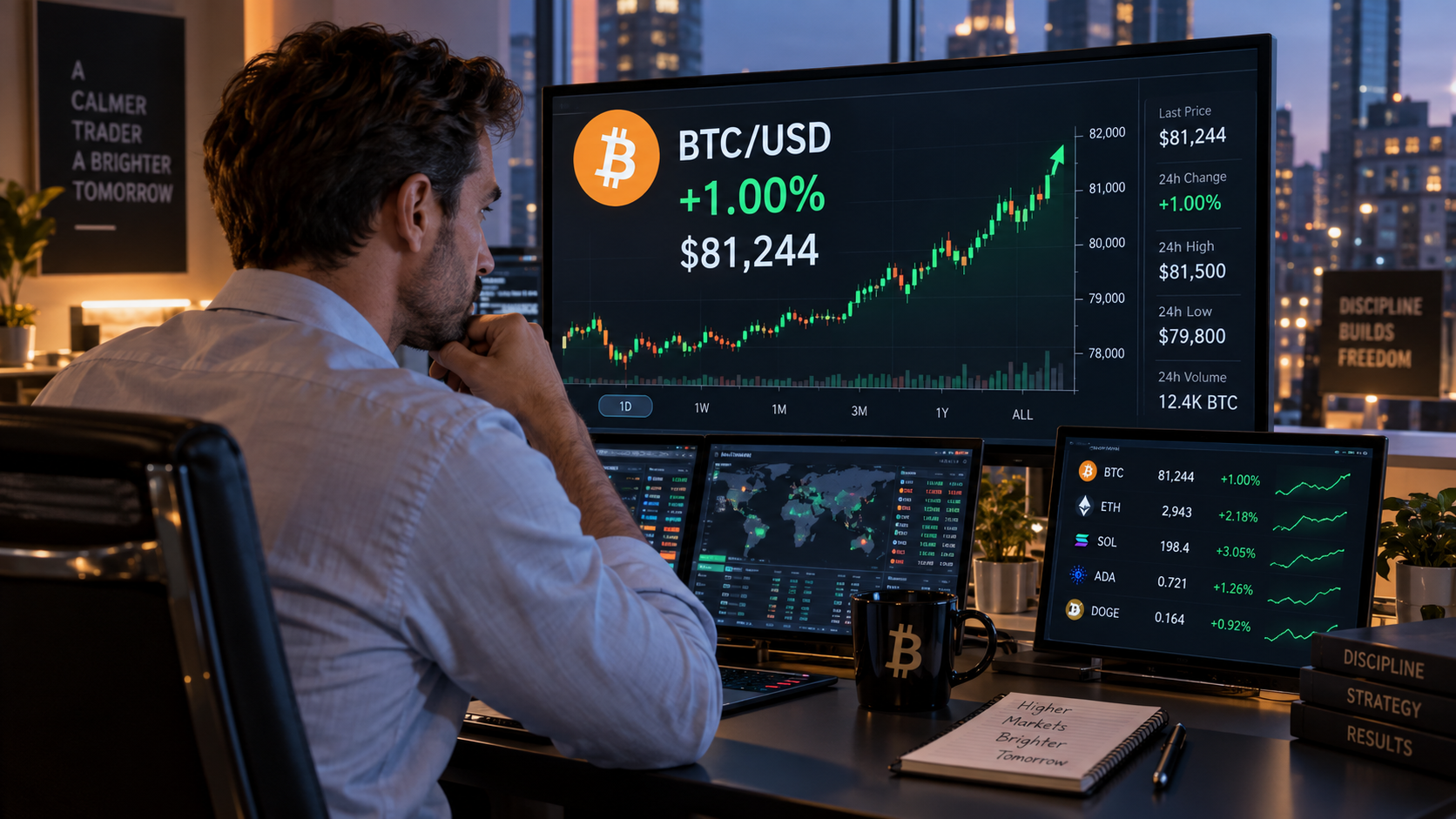
Bitcoin back above $81,000 with key resistance at $85,000
Why it matters: A break above $85,000 would clear resistance from ETF investor positions and could trigger a short squeeze, accelerating gains toward new highs.

Daily roundup: Bitcoin at $81,361, market cap $2.87 trillion
Why it matters: A weekly close above the 50-week moving average, according to Galaxy, confirms the formation of a bear market bottom.
XRP ETFs drew $9.56 million in the week of September 14-18
Why it matters: XRP ETF inflows remain weak relative to BTC and ETH, limiting institutional demand for the token.
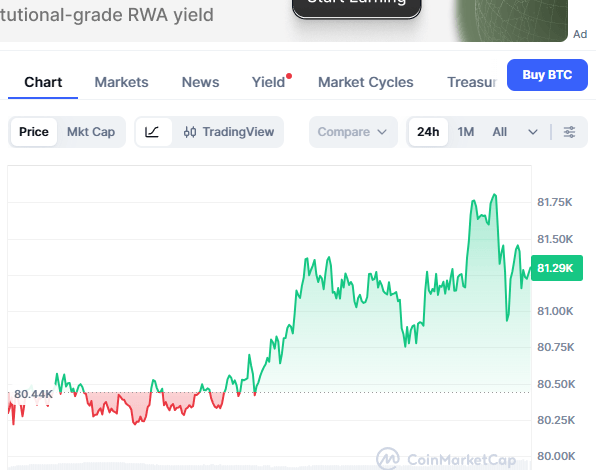
Crypto market rises: Bitcoin $81,298, Ethereum $2,660
Why it matters: Falling BTC dominance and rising derivatives volumes point to capital rotation into altcoins and growing speculative activity.

Bitcoin at $81,500, Ethereum +2.6%: $387M liquidated, Fear & Greed at 70
Why it matters: The rally is driven mainly by short squeeze rather than fresh demand; the key level for BTC is $82,000.

Bitcoin Touches $82,000 Amid SEC Tokenization Push
Why it matters: Bitcoin's continued rise toward $82,000 strengthens expectations of a breakout above the $83,000-$86,000 resistance.

Kyle Samani: crypto market bottom is in, Solana is the main beneficiary
Why it matters: The statement by a major venture investor reinforces the narrative of capital rotation into Solana and weakening Ethereum's position.

Bitcoin stalls at $81,175 as market awaits Fed rate hike fallout
Why it matters: The market is frozen in a narrow range: holding BTC above $80,000 and ETH above $2,580–2,600 will determine whether the rebound continues.

Bitcoin at $81,120 with major liquidation zones at $12.9 billion and $8.5 billion ahead
Why it matters: Dense liquidation zones above and below mean volatility will spike sharply if either level is breached.
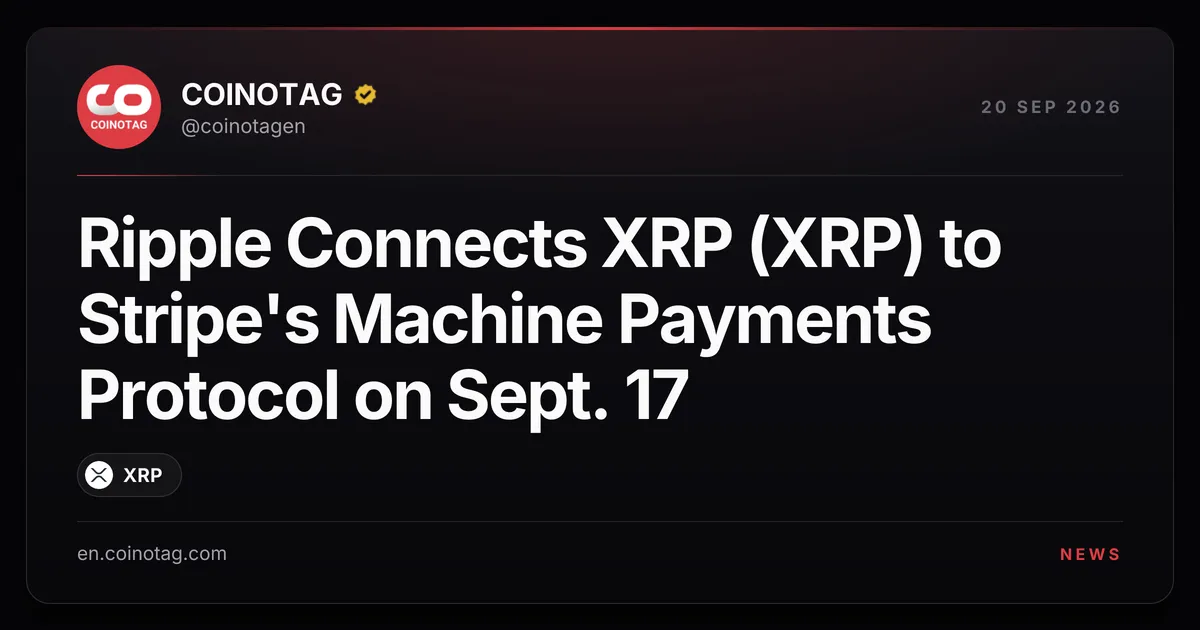
Ripple connects XRP Ledger to Stripe's machine payments protocol
Why it matters: The integration expands XRP's use in payments for AI agents and machine-to-machine settlements, intensifying competition with other payment blockchains.
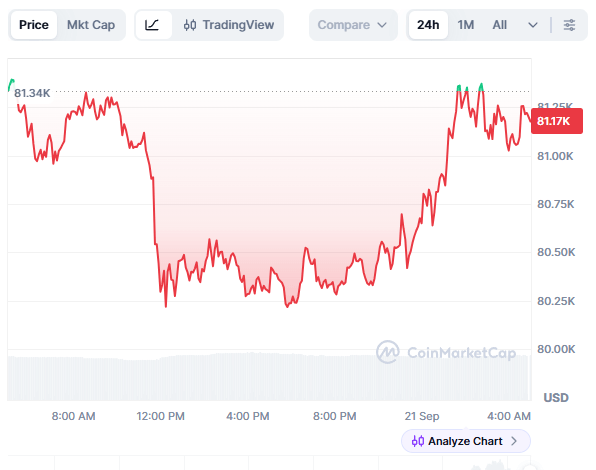
Crypto market softens: bitcoin at $81,161, ethereum at $2,632
Why it matters: Falling derivatives volumes and BTC's shrinking share suggest a pause in position-building ahead of fresh macro and regulatory triggers.
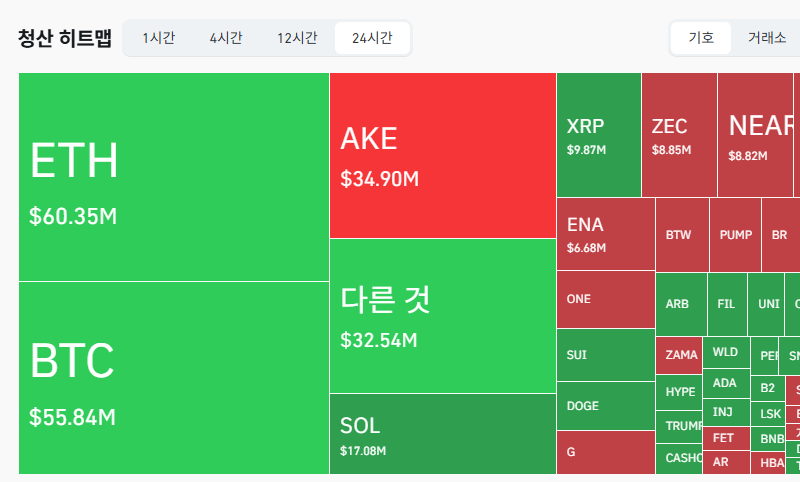
$184.05 million liquidated in 24 hours, 60.81% longs
Why it matters: The dominance of long liquidations signals market caution after the pullback from $82,000 and the risk of further declines if $80,000 breaks.

Ripple burns 15M RLUSD worth $15M, stablecoin market cap rises to $2.42B
Why it matters: RLUSD's growth strengthens liquidity and institutional activity on the XRP Ledger, which could support XRP.
Grayscale raises XRP allocation to 26% in model portfolio, second only to Ethereum
Why it matters: Increased allocation from a major manager could boost institutional demand for XRP and support its price.
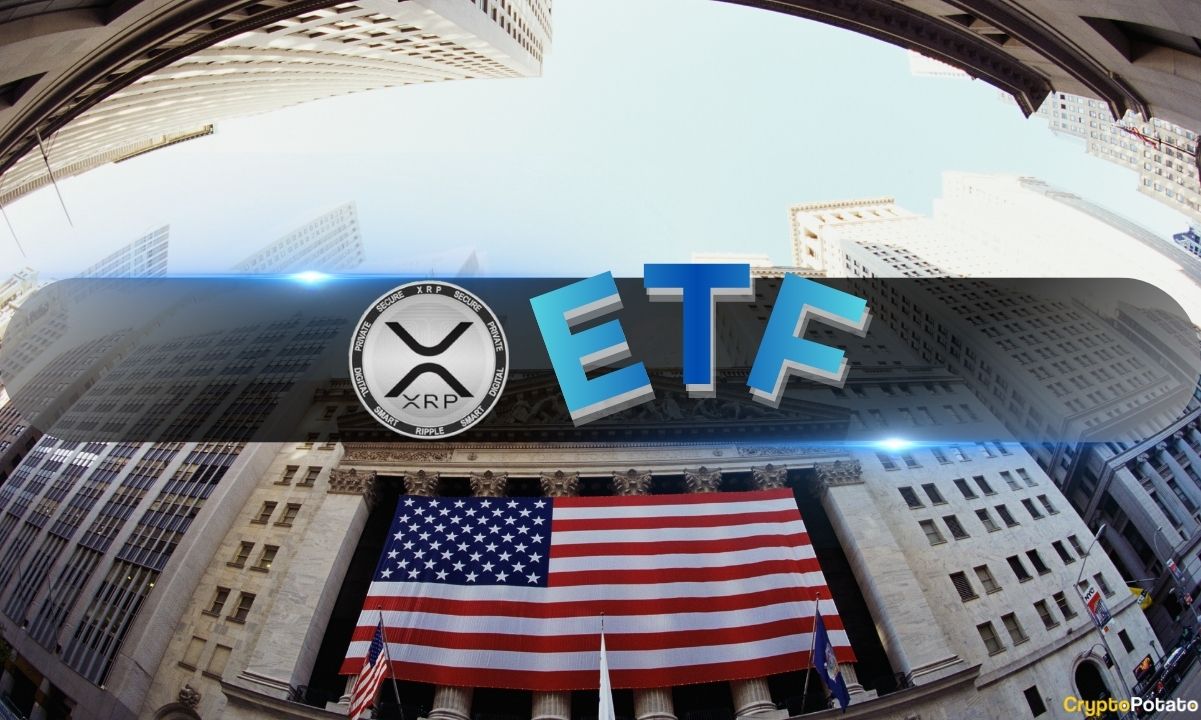
XRP ETFs extend inflow streak to 10 weeks, SOL ETFs to 12
Why it matters: Institutional demand for XRP and SOL remains resilient even amid regulatory and macroeconomic shocks, supporting the assets' prices.

XRP leads trading volume surge on Upbit and Bithumb with $213.8 million in a day
Why it matters: Volume spikes in Korea often precede increased volatility and point to local retail demand.

D'CENT warns of 9.3 million XRP theft from App Wallet users
Why it matters: The incident affects a popular wallet and Ripple's RLUSD, heightening risks for XRP holders and trust in software wallets.

XRP burn rate jumps 84.3% as network activity declines
Why it matters: Rising burns amid falling activity point to a shift in XRPL's on-chain load profile, but the volume is too small to affect supply.
Bitcoin at $80,359: $310.82 million in positions liquidated in 24 hours
Why it matters: The dominance of long liquidations shows traders were betting on gains but the market corrected — further volatility around $80,000 is possible.
Volatility Shares delays 3x XRP ETF to October 18, 2026
Why it matters: The date in the filing does not mean a launch: the confusion could spark false expectations among XRP traders.