Solana (SOL) news

Fade launches token issuance on Pons with 80% of fees paid via X Money
Why it matters: The scheme links token trading fees to X accounts and creates steady demand for PAID through buybacks funded by fees.

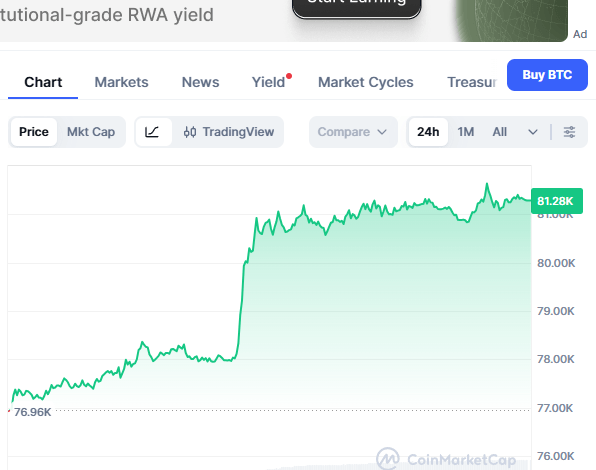
Bitcoin Returns to $80,000 as Altcoins Join the Rally
Why it matters: The market's resilience to hawkish Fed policy and the failure of the CLARITY Act points to a possible end to the cyclical winter.

Solana Changelog: Firedancer, Agave releases and block limit proposals
Why it matters: Changes to block limits and transaction formats could affect Solana's network throughput and fees.

JUP Rises 9.18% to $0.278, Tests 90-Day High
Why it matters: A breakout above $0.2857 would confirm a trend reversal for JUP, while a rejection at that level would return the price to its range.
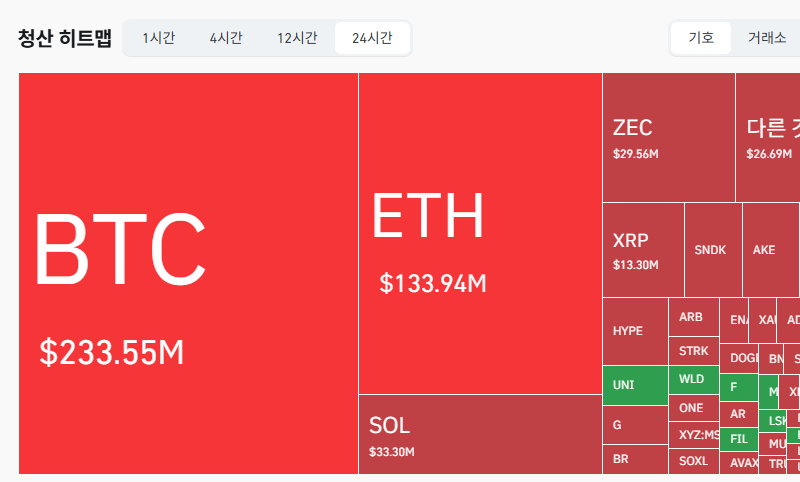
$487.98 Million Liquidated in 24 Hours, 89.58% Shorts
Why it matters: Mass short covering amplified gains in top assets, and if BTC holds above $80,000, pressure on short sellers could persist.

Kazakhstan to let brokers trade only 16 cryptocurrencies
Why it matters: Kazakhstan is legalizing the crypto market through a narrow whitelist of assets, which will limit trading in stablecoins and altcoins outside the list.

NFT sales fall 15% to $37.5M in a week, Ethereum leads
Why it matters: Rising address counts alongside falling volume point to fragmented activity without capital inflow — a signal of weak demand for the NFT segment.
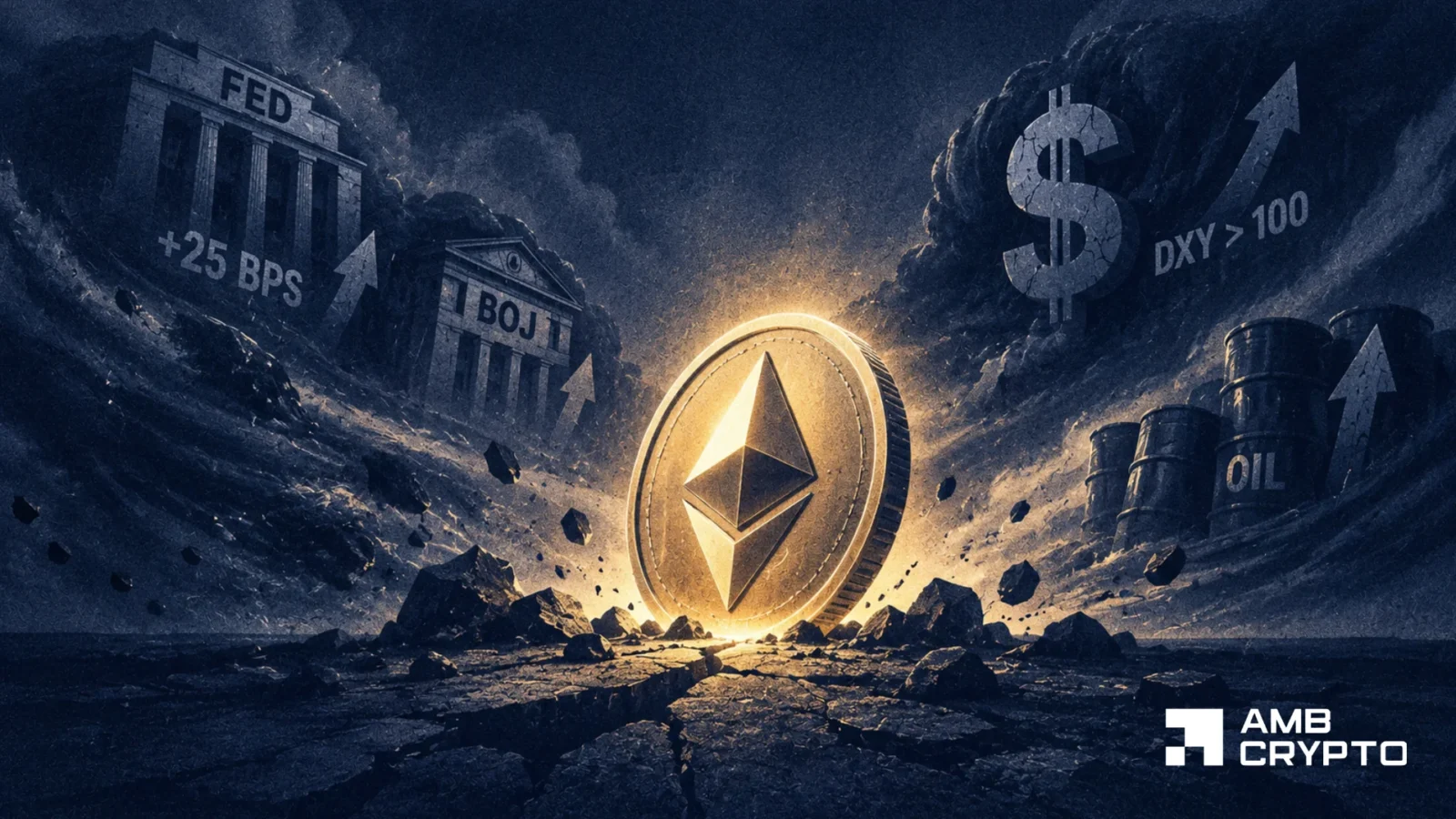
Ethereum rises 6.5% to $2,618 despite CLARITY Act failure and rate hikes
Why it matters: ETH's rise despite a hawkish Fed and the CLARITY Act failure shows resilient demand, supported by 40 million ETH staked and ETF inflows.
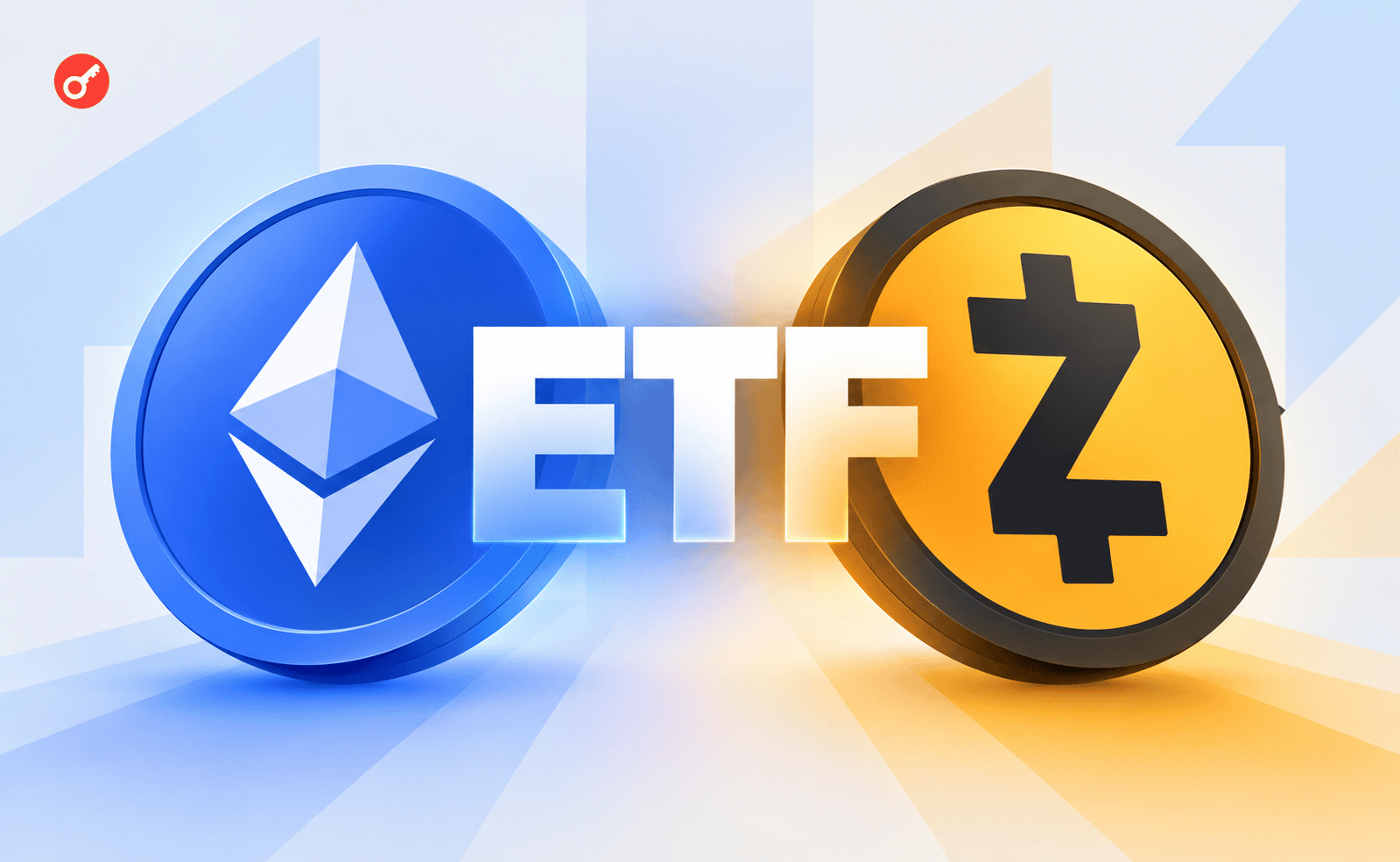
Ethereum ETFs Lose $140 Million in a Week as ZEC ETFs Attract $98.21 Million
Why it matters: Capital rotating out of ETH funds into ZEC and other altcoins reflects a shift in investor preferences within crypto ETFs.

Bitcoin climbs to $81,016 as $602.8M in positions liquidated
Why it matters: Mass short liquidations are amplifying upward momentum, but the sharp spike in small tokens signals overheating.

Bitcoin rises to $81,045, Ethereum to $2,630 on ETF inflows
Why it matters: The return of institutional flows into both BTC and ETH ETFs could confirm a shift in the short-term trend, but overbought conditions risk profit-taking.
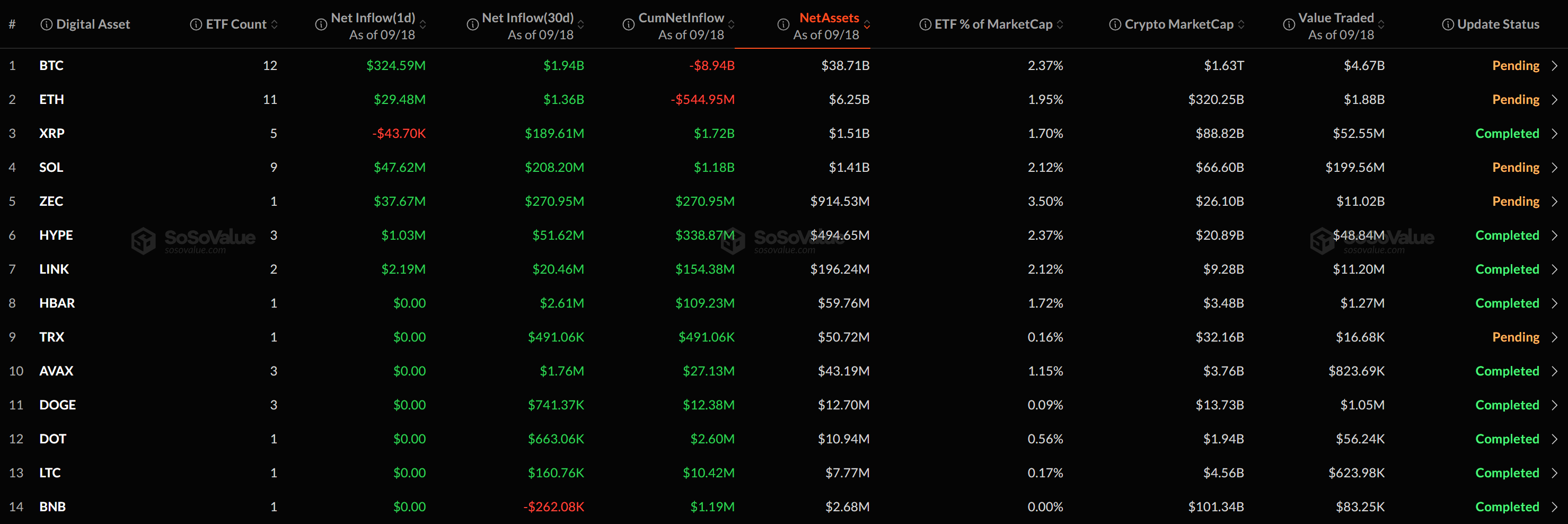
Spot altcoin ETFs: inflows into SOL, LINK, HYPE and ZEC, outflows from XRP
Why it matters: The mixed altcoin ETF flows show capital rotating out of XRP into SOL and other assets.
Crypto market rises to $2.78 trillion: Bitcoin $81,260, Ethereum $2,622
Why it matters: Rising derivatives volumes and BTC dominance point to strengthening risk appetite ahead of further market moves.

Bitcoin rises to $81,690, Ethereum back above $2,600: $652 million liquidated
Why it matters: The rebound after the CLARITY Act failure and Fed rate hike suggests negative sentiment is exhausted; holding above $80,000 opens the path to $82,300.
PEPE launches on Solana network via Sunrise platform
Why it matters: PEPE's expansion to Solana could attract new users and increase the memecoin's liquidity.

Africa's largest IPO opens subscriptions via stablecoins on Solana
Why it matters: Raising capital via stablecoins on Solana could accelerate digital asset adoption in emerging markets.

Top traders cut bitcoin longs in USDT margin, add Ethereum positions
Why it matters: The reduction in bitcoin longs among large traders may signal fading bullish expectations, while rising Ethereum positions point to capital rotation.

INJ Surges 20% to $7.11, Returning to May High Zone
Why it matters: A breakout above $7.40 would cancel the bearish double-top scenario, while a rejection at $7.30 with a high share of futures could trigger a sharp correction.

SkyAI rejects Forward Industries' $2.13 per share buyout offer
Why it matters: The case shows that for DAT companies, not only coin reserves matter but also capital structure, share dilution, and management compensation.

Paul Barron: SEC exemption for tokenized stocks will make Solana the biggest beneficiary
Why it matters: Growth in stock tokenization could increase transaction load and demand for SOL, intensifying Solana's competition with Ethereum for institutional flows.