Ethereum (ETH) news
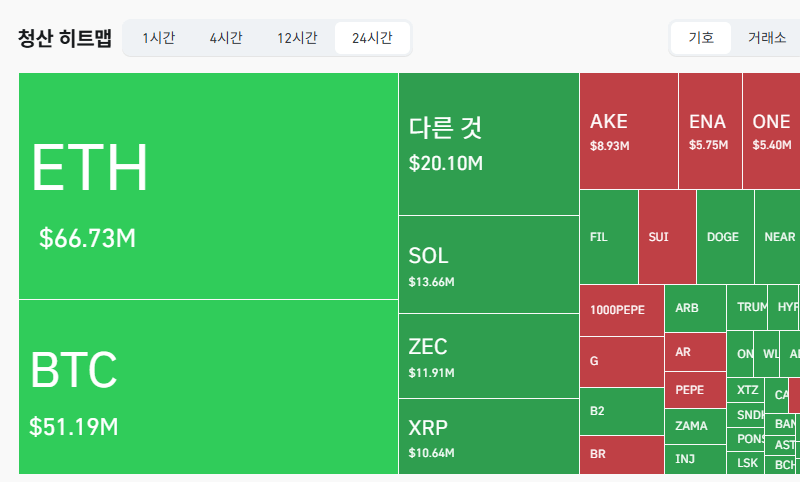
$179.89M Liquidated in 24 Hours: 65.67% Were Longs
Why it matters: The dominance of long liquidations as BTC and ETH fall points to weakening buyers and the risk of further correction.

Average ETH transfer fee falls over 85% to $0.095
Why it matters: Cheap transactions reduce Ethereum mainnet revenue by shifting activity to Layer 2, pressuring the protocol's economics.

Whales sell $1.29M of PONS as ZEC profit hits $9.98M
Why it matters: Large PONS sales weigh on its price while ZEC's rally delivers whale profits, reinforcing rotation into privacy coins.
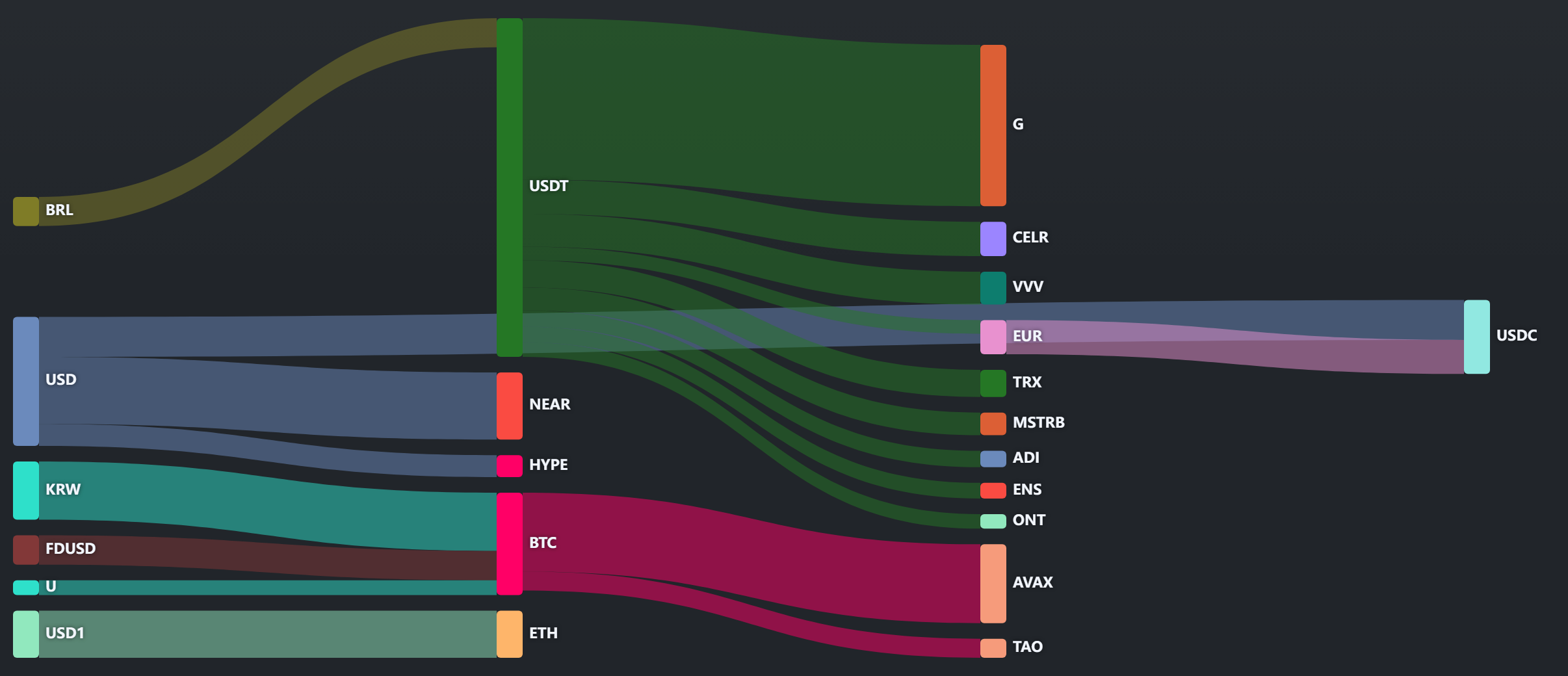
Ethereum sees $80.8M outflow in 5 hours, $115.4M converted to fiat
Why it matters: Massive withdrawals from ETH and BTC with conversion to stablecoins and fiat could signal growing caution among large holders.

RAY falls 6.17% to $1.64 after 108% rally in 30 days
Why it matters: The correction looks like profit-taking after a strong rally; holding above the SMA-5 ($1.61) keeps RAY's uptrend intact.

VET rises 11.85% to $0.0084 amid market rally and Interstellar upgrade
Why it matters: VET's rise is part of capital rotation into altcoins after bitcoin's return to $81,000, but technical indicators point to correction risk.

Ethereum staking queue outpaces withdrawal queue by 13.6x
Why it matters: Locking up a third of ETH supply reduces free liquidity and lowers the risk of a sudden influx of coins hitting the market.
Vitalik Buterin pushes back on 'death of privacy' claim
Why it matters: A signal that privacy remains a priority for Ethereum amid growing interest in Zcash and private solutions.

Robinhood Chain generated $4.5M in fees while Ethereum got just $400
Why it matters: Growth of L2 networks does not bring Ethereum commensurate revenue, calling into question its economic model and ETH holder income.

Optimism releases mandatory op-batcher v1.17.0 upgrade
Why it matters: The batcher publishes L2 data to Ethereum; without the upgrade, transaction posting on OP Stack networks could suffer.
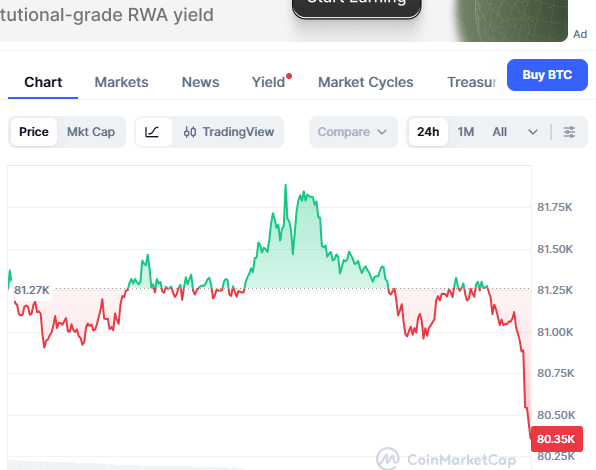
Crypto market slides: bitcoin $80,292, Ethereum $2,572
Why it matters: Falling derivatives volumes and rising BTC dominance suggest the market is shifting into a wait-and-see mode ahead of new macro signals.

Altcoin market cap tops $1.07 trillion, but altseason hasn't started yet
Why it matters: Rising altcoin market cap and falling Bitcoin dominance may signal the start of capital rotation into altcoins, but high leverage increases the risk of a pullback.
ETH drops below $2,600, losing 1.61% in 24 hours
Why it matters: Losing the $2,600 level weakens ETH's short-term momentum and could increase selling pressure.

Altcoin market cap hits $222B for first time in 8 months, but altseason still not here
Why it matters: Leverage below the risk threshold means altcoins have room for speculative capital inflows, but a sustained altseason has yet to begin.
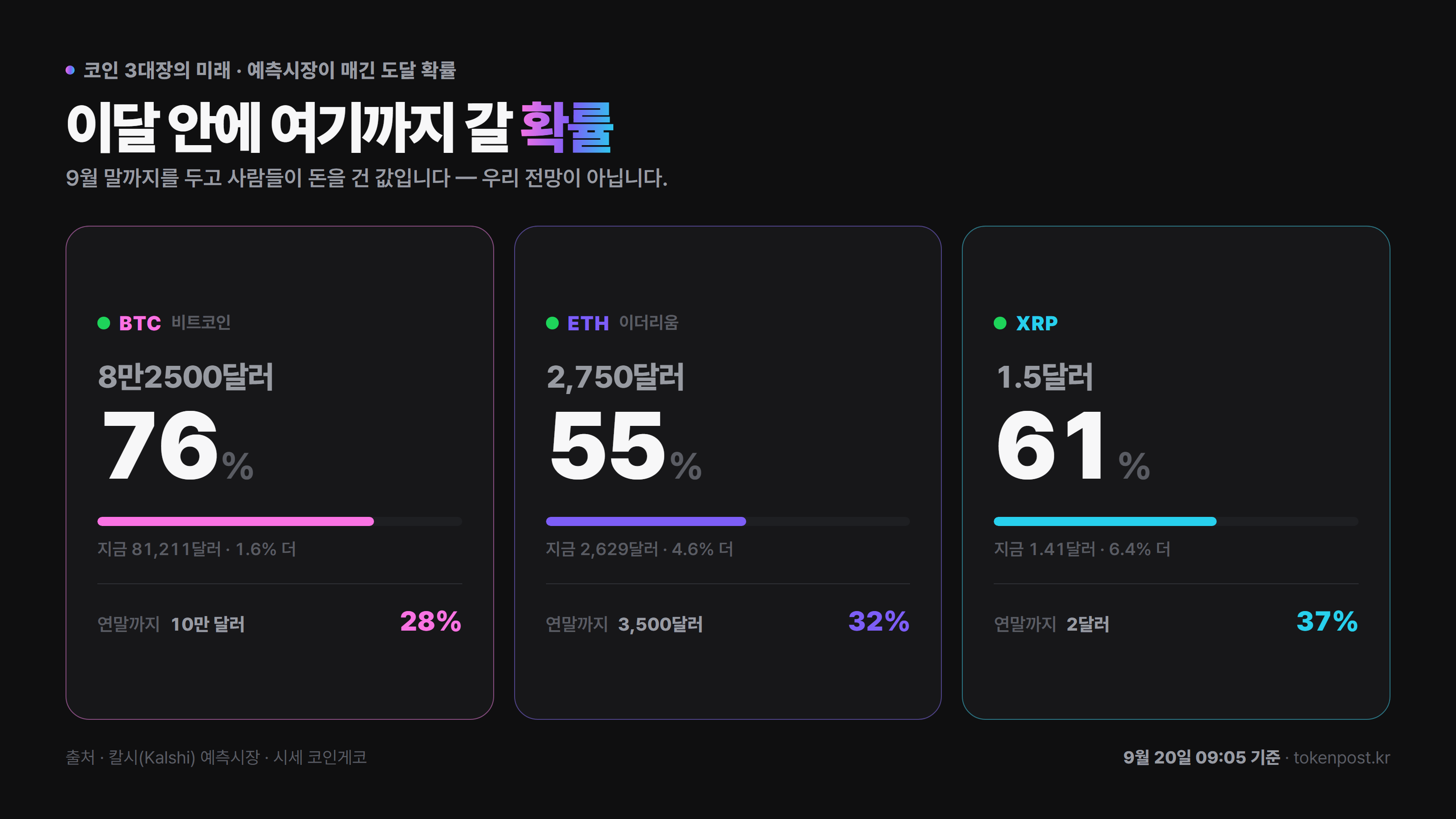
Kalshi: odds of XRP at $2 by year-end jump to 37% in a day
Why it matters: Rising bets on prediction markets reflect growing expectations of an altcoin rally by year-end.
Single hacker hits Fetch.ai and NuNet, losses near $2M
Why it matters: The attack on two linked AI projects undermines confidence in the FET and NTX tokens and could intensify selling pressure.

XRP ETF inflows slow: $2B not seen until April 2027
Why it matters: The slowdown in inflows signals weakening institutional demand for XRP after the failure of the CLARITY Act and the Fed's rate hike.

NEAR Intents TVL climbs 77% in a month to $169M
Why it matters: Rising TVL and fees strengthen NEAR's position in the intent-based cross-chain narrative, but 26 integrations increase the risk surface.
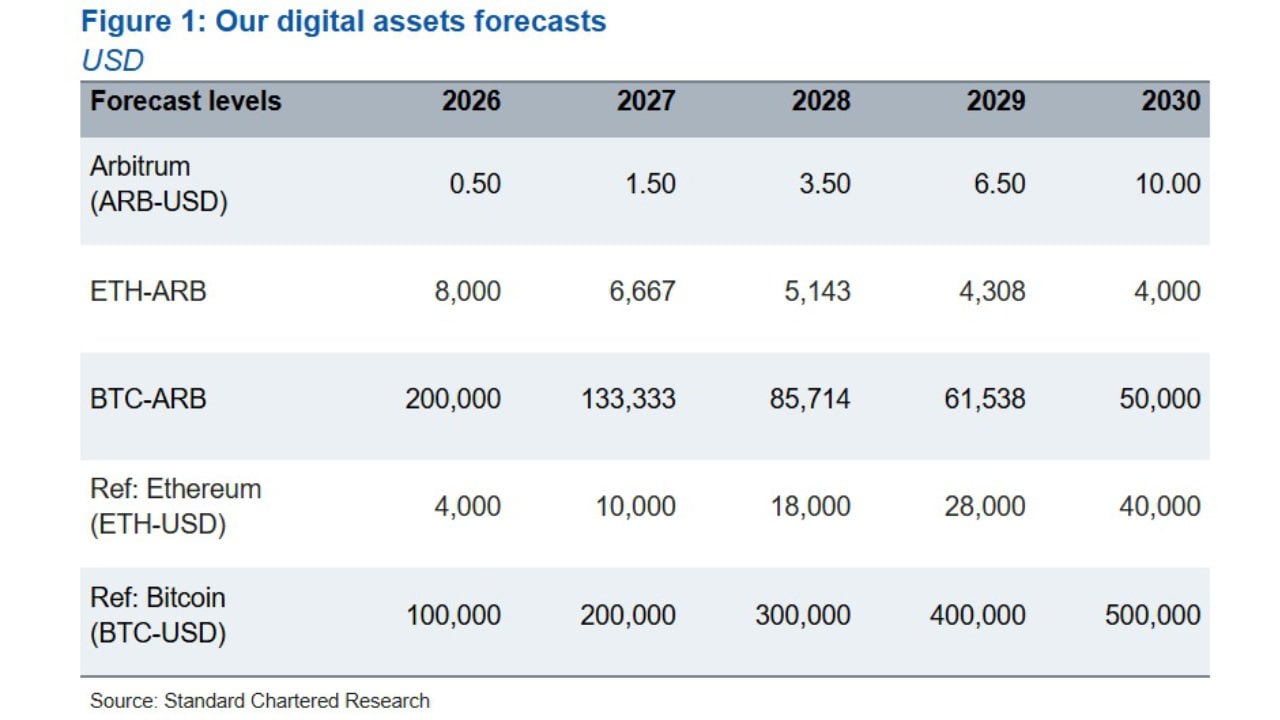
Standard Chartered forecasts ARB at $10 by 2030 on Arbitrum revenue growth
Why it matters: The forecast sets a benchmark for ARB, but the lack of direct revenue distribution to token holders remains a key risk.

Crypto ETF inflows: BTC $433M, ETH $144M, SOL $47.6M
Why it matters: ETF inflows remain a key driver of crypto demand even amid Fed rate hikes and the failure of the CLARITY Act.