Ethereum (ETH) news
Crypto Market Rises: BTC Tops $82,000, NEAR +16%, AVAX +15%
Why it matters: Rotation into Layer1 tokens as BTC holds above $82,000 points to rising risk appetite after the market's rebound.

Kevin O'Leary: Crypto Will Become the 12th S&P Sector, Exchange-Backed Blockchain Will Win
Why it matters: The signal is that institutions are choosing blockchains for specific assets rather than a single standard, which shifts the balance of power among L1s.

Bitcoin Touches $82,000 Amid SEC Tokenization Push
Why it matters: Bitcoin's continued rise toward $82,000 strengthens expectations of a breakout above the $83,000-$86,000 resistance.
Trader 0x0c5 turns profitable on $29.6M 20x ETH long with $2.29M gain
Why it matters: It shows how a 5.5% ETH rally sharply changes the returns on large leveraged positions on Hyperliquid.

Ethereum accounts for 80% of $39.9M euro stablecoin market growth
Why it matters: The growth of MiCA-regulated euro stablecoins strengthens Ethereum's position as the main infrastructure for institutional stablecoins in the EU.
Whale that made $3.7 million selling ETH in August returns and buys $20 million of ETH
Why it matters: The return of a major player to ETH buying could signal recovering demand for the asset after a price rebound.

Ethereum near $2,700: BitMine's unrealized loss narrows to $2.71 billion
Why it matters: It shows how Ethereum's recovery reduces pressure on the largest corporate ETH treasuries and supports their staking strategy.
ETH breaks $2,700, up 3.34% on the day
Why it matters: The break above $2,700 confirms Ethereum's recovery after a pullback to $2,600 and opens the way to $2,760.
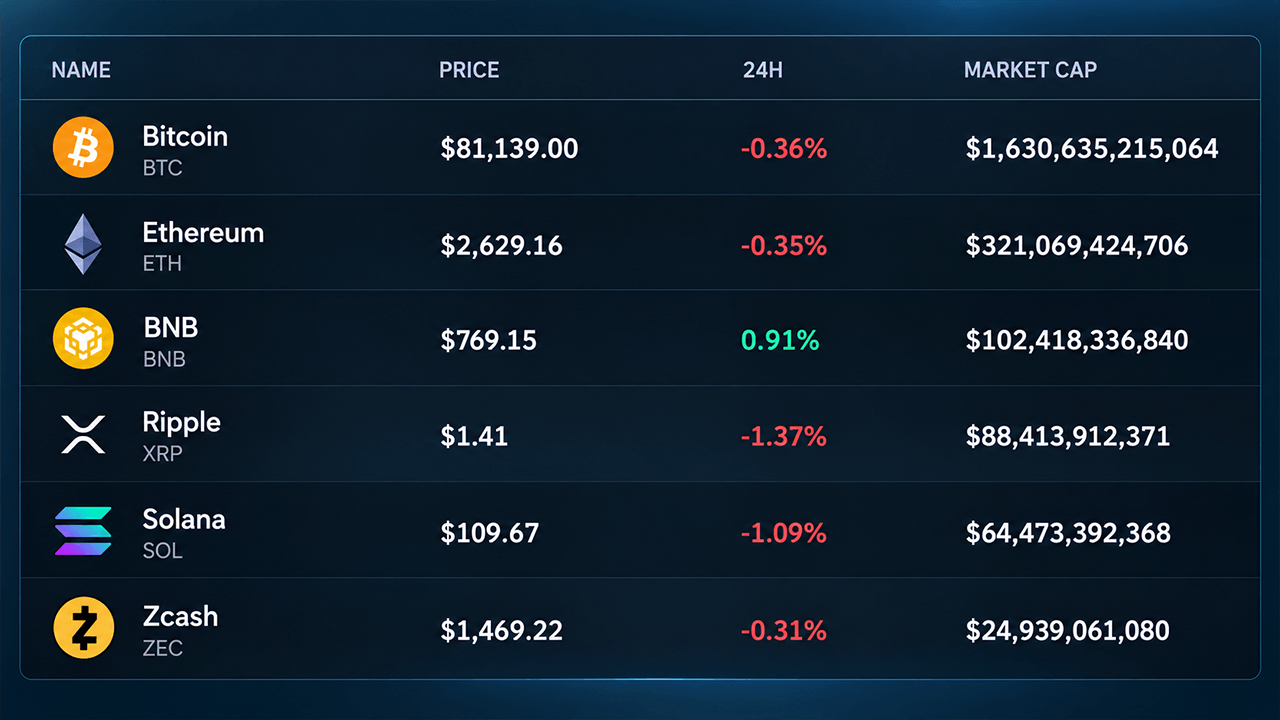
Weekly review: Bitcoin back at $81,000, ZEC and HYPE hit new highs
Why it matters: The break of the ETH/BTC pair's five-year downtrend is seen by analysts as a signal of an early altseason phase.

Kyle Samani: crypto market bottom is in, Solana is the main beneficiary
Why it matters: The statement by a major venture investor reinforces the narrative of capital rotation into Solana and weakening Ethereum's position.

Ethereum bounces from $1,900 zone but hits resistance at $2,700
Why it matters: Holding above the moving averages keeps the bullish scenario intact, but a break of $2,700 is needed for further gains.

Bitcoin stalls at $81,175 as market awaits Fed rate hike fallout
Why it matters: The market is frozen in a narrow range: holding BTC above $80,000 and ETH above $2,580–2,600 will determine whether the rebound continues.
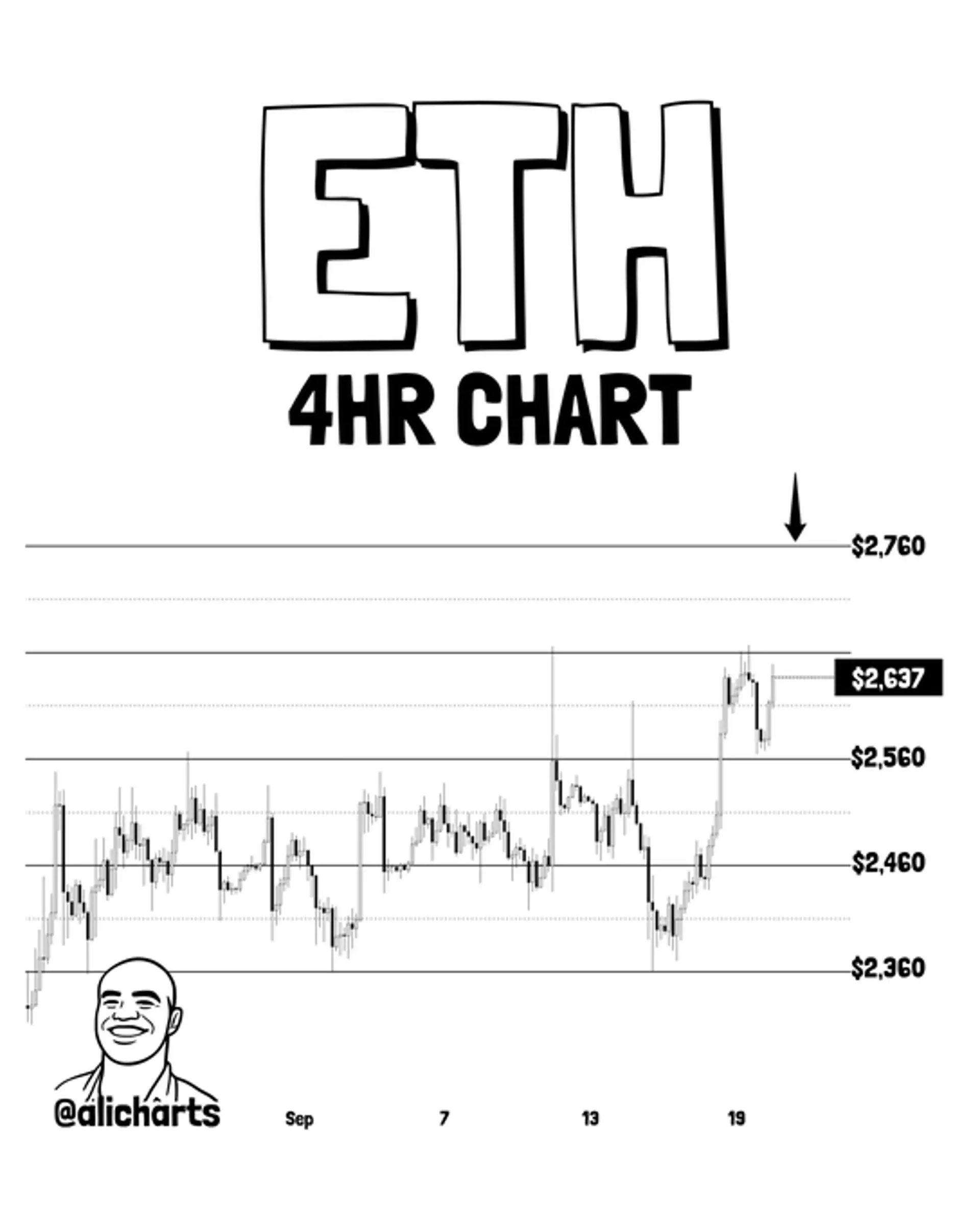
Ethereum breaks $2,560 and confirms level as support, target $2,760
Why it matters: Holding $2,560 as support opens the path to $2,760 and strengthens the bullish case for altcoins.

Ethereum breaks $2,560: ETH withdrawals from Binance hit 3-year high
Why it matters: Rising exchange withdrawals point to accumulation in private storage, which reduces selling pressure and supports ETH's bullish trend.

Bitcoin at $81,120 with major liquidation zones at $12.9 billion and $8.5 billion ahead
Why it matters: Dense liquidation zones above and below mean volatility will spike sharply if either level is breached.
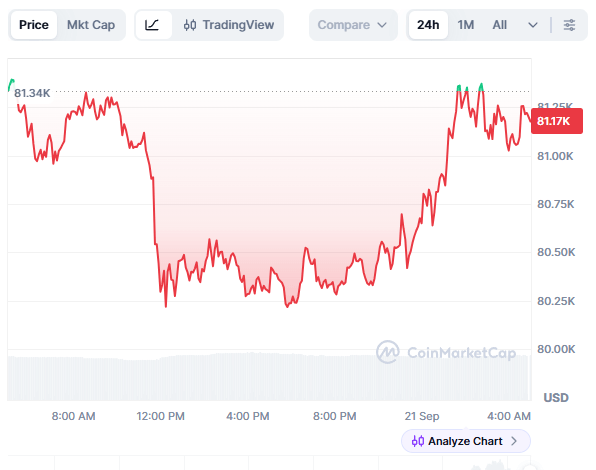
Crypto market softens: bitcoin at $81,161, ethereum at $2,632
Why it matters: Falling derivatives volumes and BTC's shrinking share suggest a pause in position-building ahead of fresh macro and regulatory triggers.
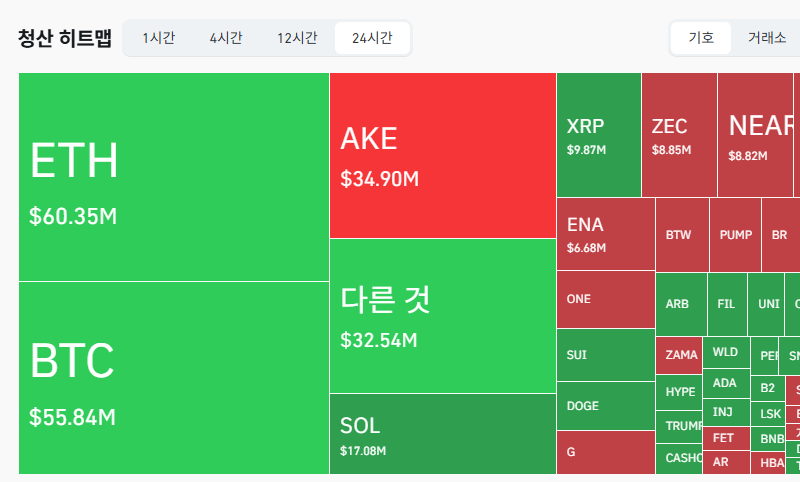
$184.05 million liquidated in 24 hours, 60.81% longs
Why it matters: The dominance of long liquidations signals market caution after the pullback from $82,000 and the risk of further declines if $80,000 breaks.

Paradex executes $15.76 million ETH options trade
Why it matters: The growth of RFQ venues like Paradex intensifies competition with Deribit, which holds about 85% of the BTC and ETH options market.
Tokenized ETF market cap hits all-time high of $680 million
Why it matters: The growth of tokenized ETFs signals rising institutional interest in blockchain-based instruments for traditional assets.

Ethereum back at $2,500: exchange ETH reserves fall 28%, staking rises to 35.56%
Why it matters: The shrinking liquid supply of ETH makes the price more sensitive to spot demand: inflows would accelerate gains, while a buyer reversal would deepen losses.