Ethereum (ETH) news

Vitalik Buterin's AI warning called a possible Q4 crypto bear factor
Why it matters: Growing AI fears could amplify crypto volatility through a risk appetite shared with equities.
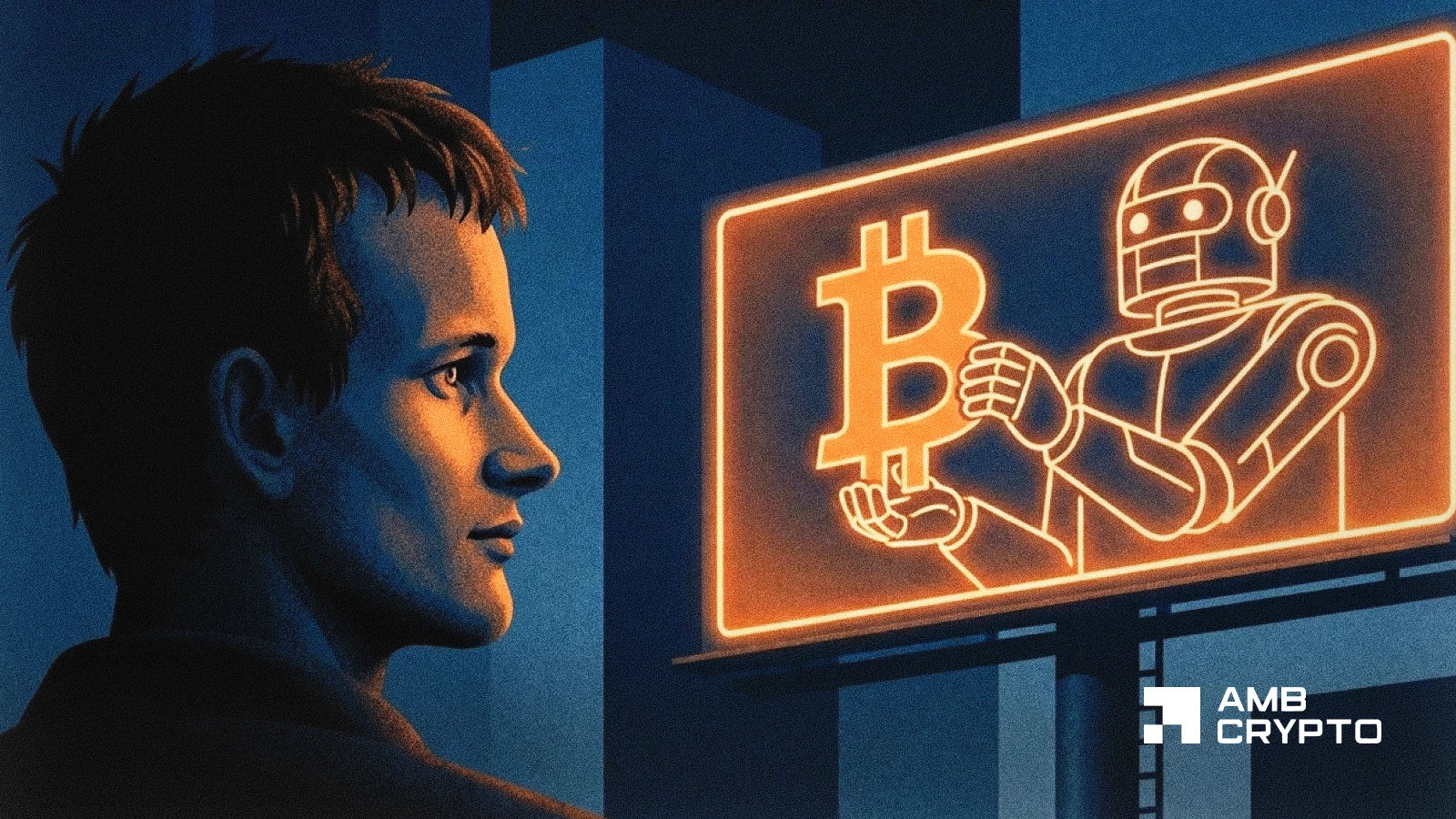
Vitalik Buterin calls for 'adversarial governance' of AI agents
Why it matters: Fears around AI regulation could hit US stocks and, through risk-off sentiment, spill over into the crypto market in Q4.

BlackRock ETHB: 20 straight days of inflows, assets top $1 billion
Why it matters: Demand for ETH ETFs is shifting toward products with staking yield, which could accelerate institutional capital inflows into Ethereum.
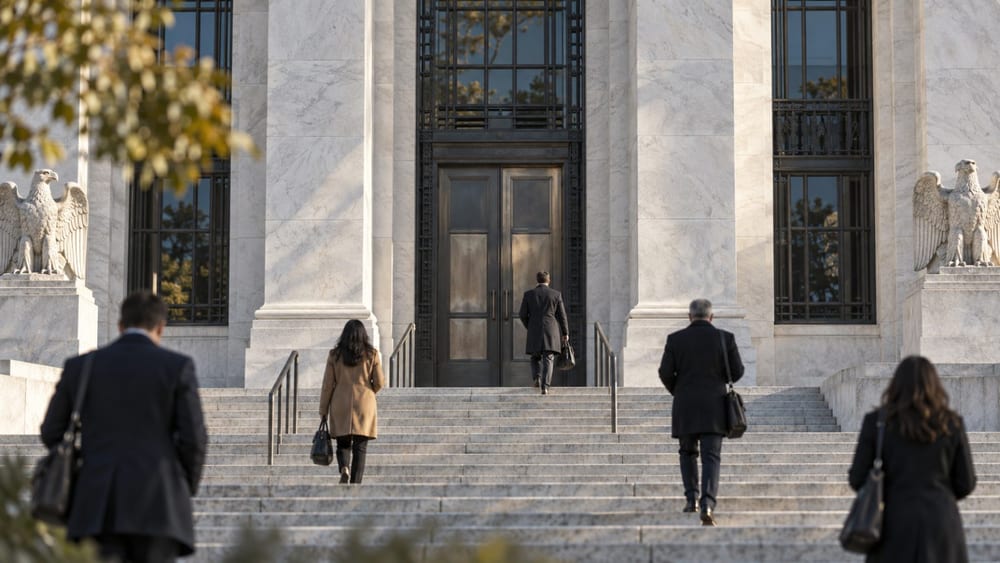
Fed, Bank of England and Bank of Japan all meet this week
Why it matters: Decisions by three central banks and inflation data will shape rate and liquidity expectations, directly affecting bitcoin and the crypto market.

MEXC moves RIO reserves from Algorand to Ethereum at 1:1 ratio
Why it matters: The move to Ethereum simplifies the exchange's reserve management and reduces operational risks during the project's recovery.

Interactive Brokers resumes crypto trading for Hungarian clients
Why it matters: Hungary has eased crypto regulation, and brokers that restricted services — including Revolut, eToro and Bitstamp — may bring crypto services back to the country.
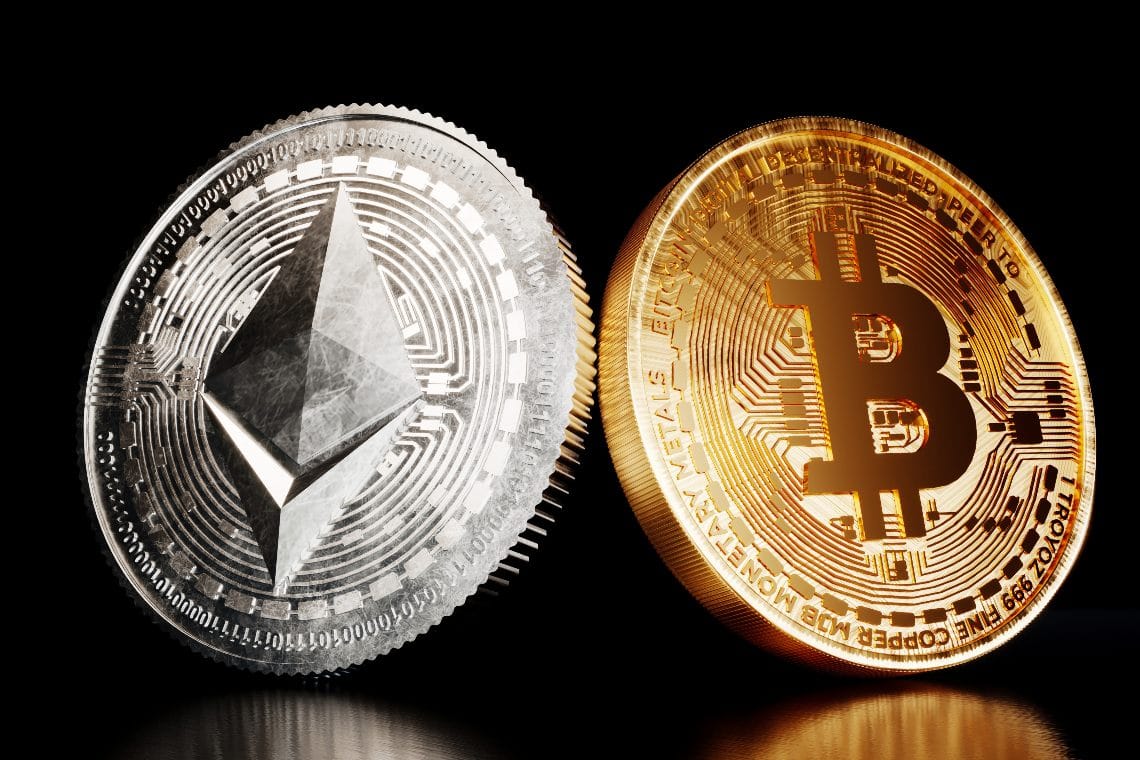
Bitmine raises ETH reserves to 5.96M, Strive to 25,000 BTC
Why it matters: Corporate treasuries continue to accumulate ETH and BTC, reducing free float and supporting demand for top assets.
$213M in crypto futures liquidated in 24 hours, 59% longs
Why it matters: Two-way liquidations point to high volatility and overheated leverage ahead of the Fed meeting.

Uniswap adds full support for Kraken's Ink network
Why it matters: It intensifies competition among exchange L2 networks for DeFi trading volume: both Base and Ink now have full Uniswap support.
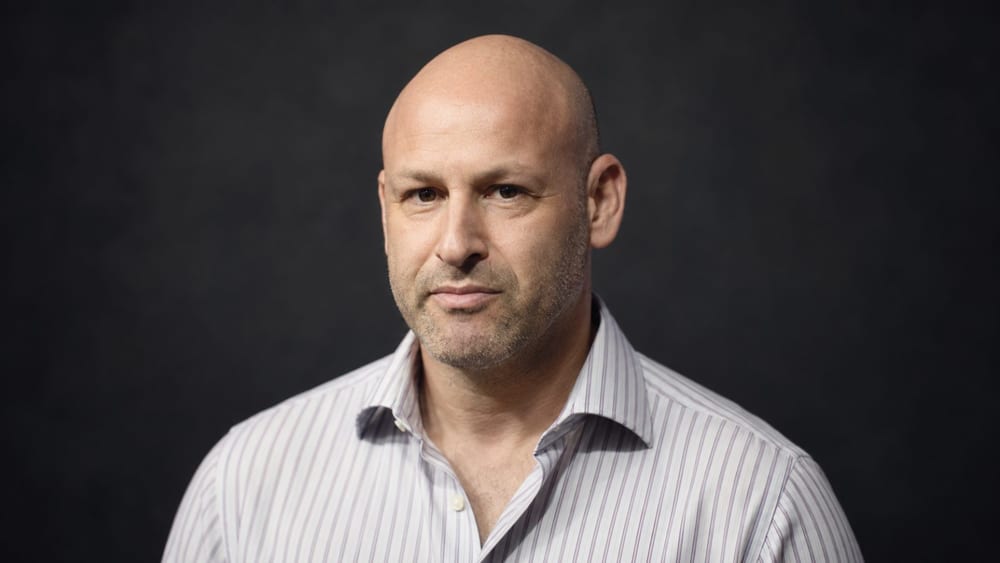
Lido to discuss institutional ETH staking with Joseph Lubin on September 17
Why it matters: Growth in institutional ETH staking through liquid derivatives boosts demand for LDO and wstETH, but increases reliance on the protocol and custodian.
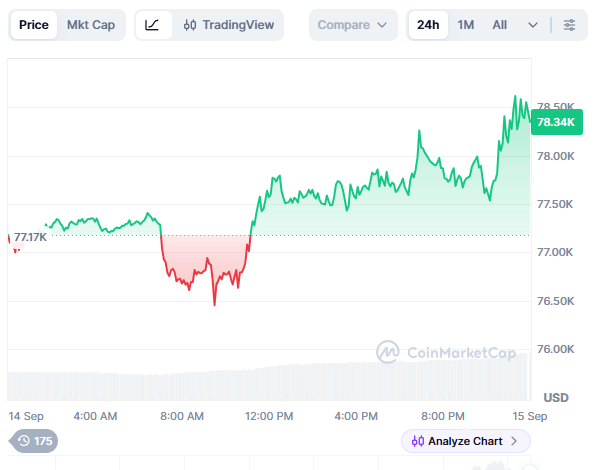
Bitcoin rises to $78,417, Ethereum to $2,498
Why it matters: Rising BTC dominance and a surge in derivatives volumes point to capital concentrating in bitcoin ahead of the Fed meeting.

Grayscale Launches Four Model Portfolios for Financial Advisors
Why it matters: Grayscale is moving from single products to diversified portfolios, opening a new channel for inflows from advisors.
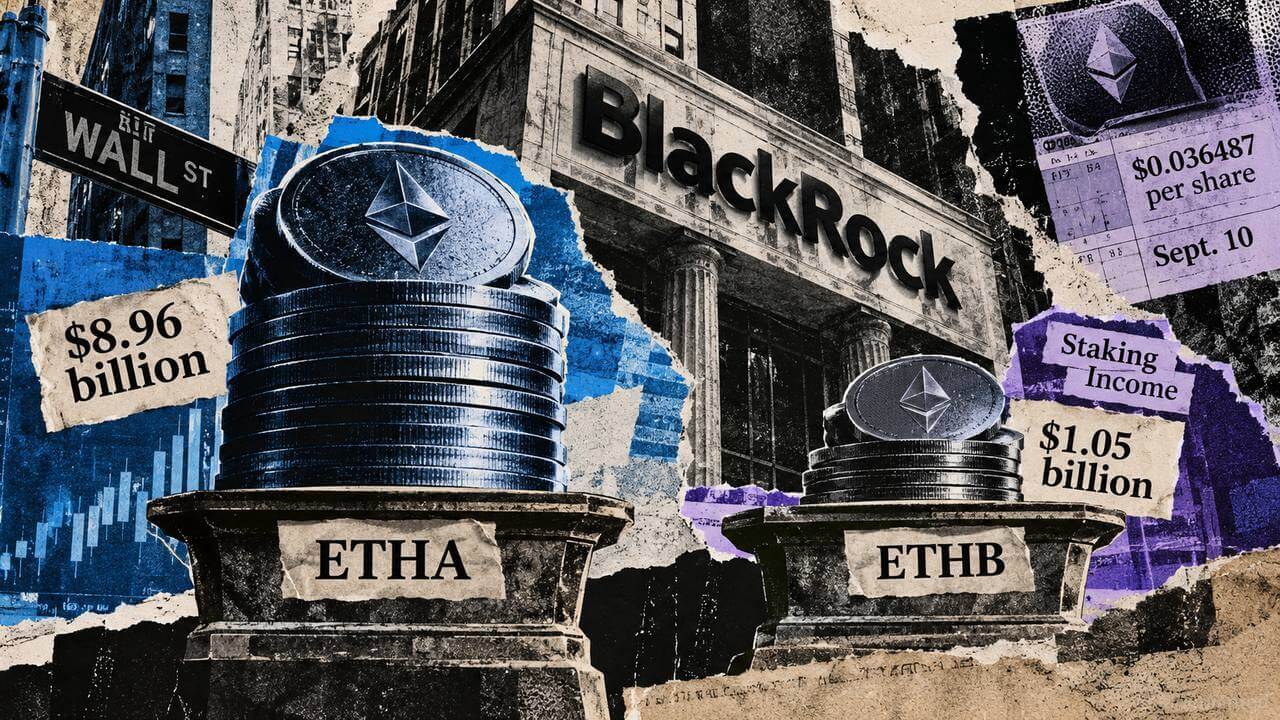
BlackRock's Ethereum Staking ETF Pays Yield, But Investors Choose $9B ETHA
Why it matters: Staking yield has not yet become a decisive factor for ETH-ETF investors, casting doubt on the thesis that lost yield is the main barrier.

Ethereum L1 processed a record 203.9 million transactions in Q2 2026
Why it matters: Rising transactions and staking alongside falling active users shows activity shifting toward large holders and tokenized assets.
Ethereum staking hits record: 43 million ETH in deposit contract
Why it matters: Shrinking free ETH supply amplifies the impact of rising demand on price, especially if a staking ETF is approved.

Stablecoin market cap falls $414 million as DEX volumes rise 8%
Why it matters: The decline in stablecoins alongside rising DEX volumes and BTC purchases points to conversion rather than liquidity leaving the market.
Bitmine buys another 27,180 ETH, reserves near 6 million
Why it matters: The largest corporate ETH holder is adding to its position, supporting demand for the asset and setting a benchmark for other companies.

Corporate crypto treasuries diverge on funding models
Why it matters: Valuation of crypto treasuries is shifting from reserve size to cost of capital and funding efficiency.

Ethereum L1 and Base split on account abstraction standard
Why it matters: The split standards will complicate wallet and app development and could slow the adoption of account abstraction on Ethereum.
Bitcoin ETFs lose 933 BTC in a day, Ethereum ETFs attract 74,500 ETH
Why it matters: The divergent flows show capital rotating from Bitcoin into Ethereum ahead of the Fed meeting.