Ethereum (ETH) news
Spot Ethereum ETFs draw $144 million in a day, led by BlackRock's ETHA
Why it matters: Sustained inflows into Ethereum ETFs support institutional demand for ETH and reduce selling pressure.
Ethereum tests $2,550 resistance as open interest rises to $34.24 billion
Why it matters: A weekly close above $2,550 would confirm a reversal and open the $3,000 target, otherwise ETH will remain range-bound.

Two whale wallets deposit 33,180 ETH to exchanges with $20.5 million profit
Why it matters: A large ETH deposit to exchanges may signal preparation to sell and could add pressure on the asset's price.
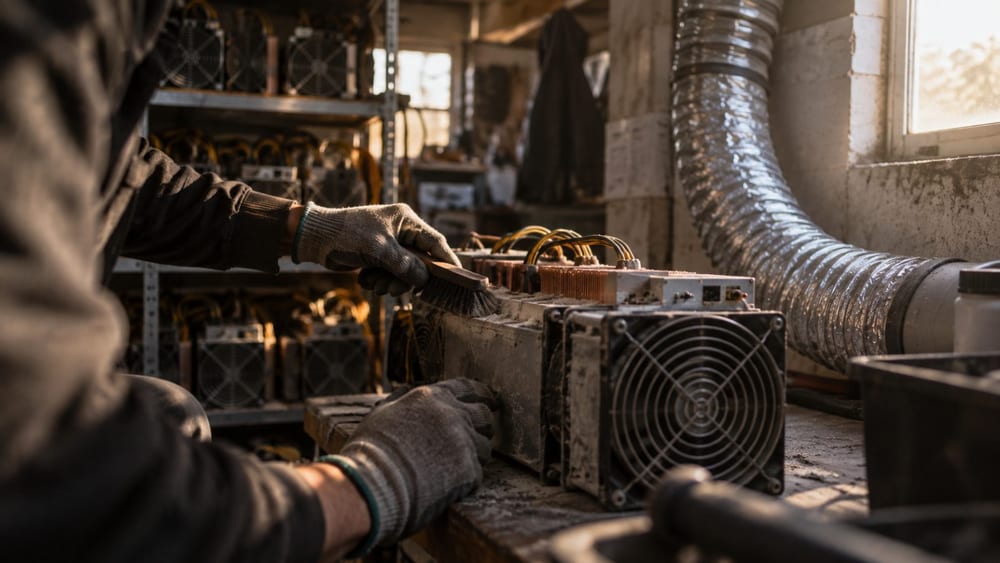
BlackRock: Bitcoin volatility fell from 80 to 35-40 on ETFs and options
Why it matters: Lower volatility makes Bitcoin more attractive for institutional portfolios, but the estimates come from a BlackRock employee.
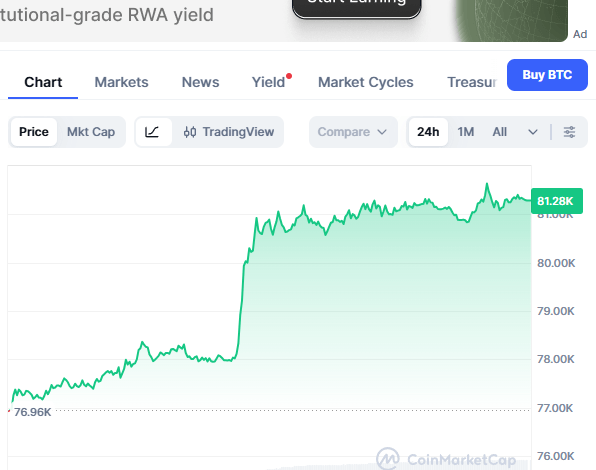
Crypto market rises to $2.78 trillion: Bitcoin $81,260, Ethereum $2,622
Why it matters: Rising derivatives volumes and BTC dominance point to strengthening risk appetite ahead of further market moves.
EIP-8365 proposed to exit Ethereum validators with legacy 0x00 credentials
Why it matters: The proposal could return ETH from validators with lost keys to circulation, but caution is needed as the rule would affect all validators in the 0x00 class.

Bitcoin rises to $81,690, Ethereum back above $2,600: $652 million liquidated
Why it matters: The rebound after the CLARITY Act failure and Fed rate hike suggests negative sentiment is exhausted; holding above $80,000 opens the path to $82,300.
ETH whale sells 21,200 ETH for $55.9M after three years of accumulation
Why it matters: Large profit-taking by a long-term holder could add selling pressure on ETH near $2,600.
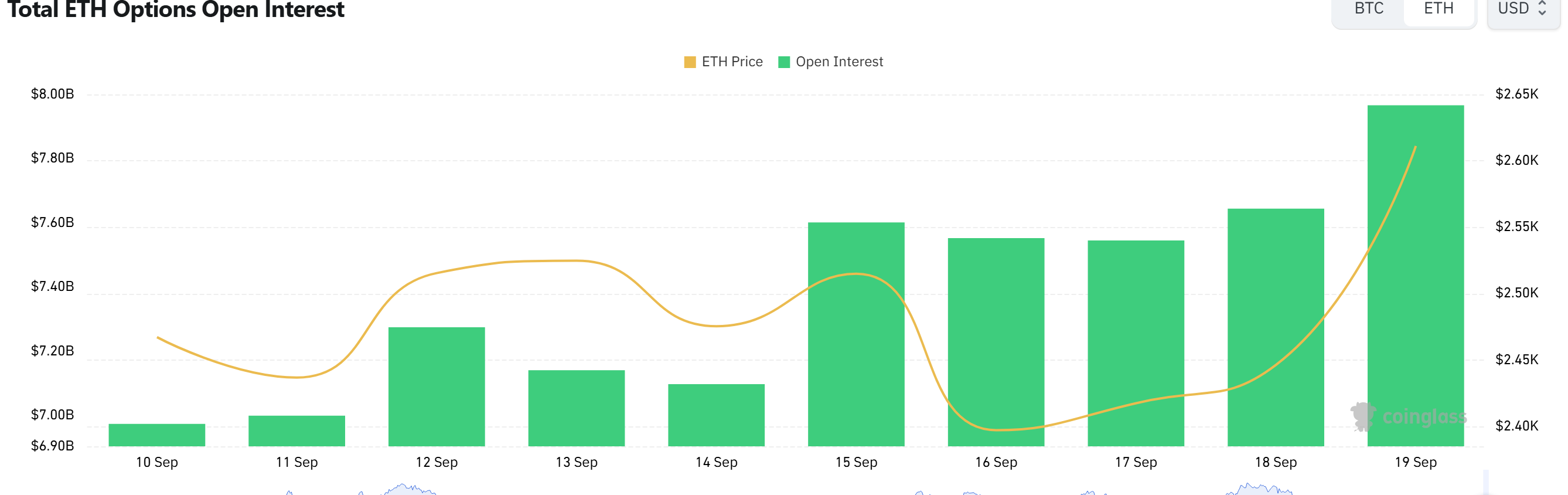
Ethereum options open interest rises to $7.78B, calls dominate
Why it matters: The dominance of calls in OI and volume signals a prevalence of bets on ETH growth, though hedging demand remains.

Top traders cut bitcoin longs in USDT margin, add Ethereum positions
Why it matters: The reduction in bitcoin longs among large traders may signal fading bullish expectations, while rising Ethereum positions point to capital rotation.
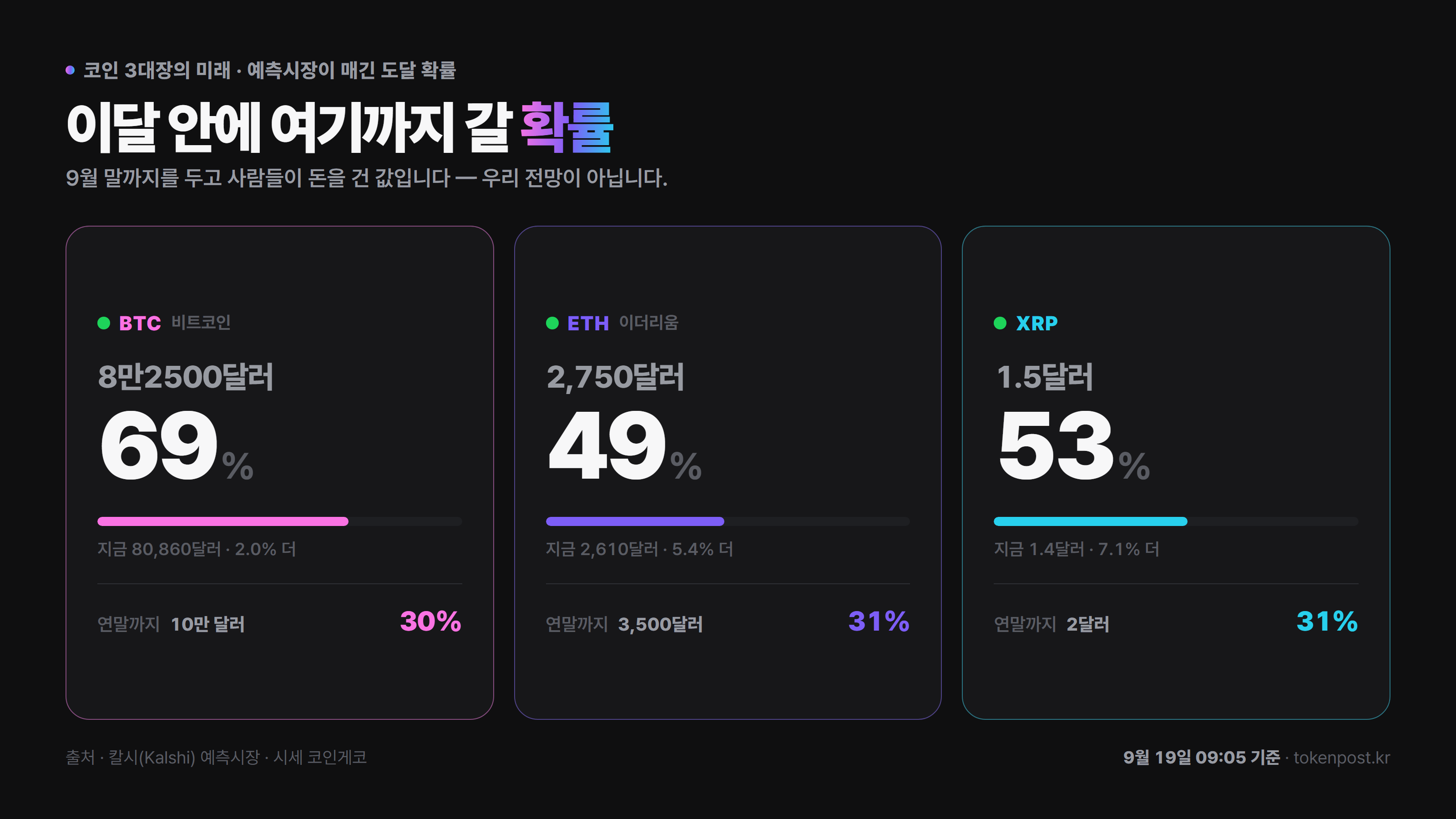
Kalshi: odds of bitcoin at $100,000 by year-end jump to 30% in a day
Why it matters: The sharp rise in prediction-market bets reflects strengthening bullish expectations after bitcoin's rebound above $80,000.
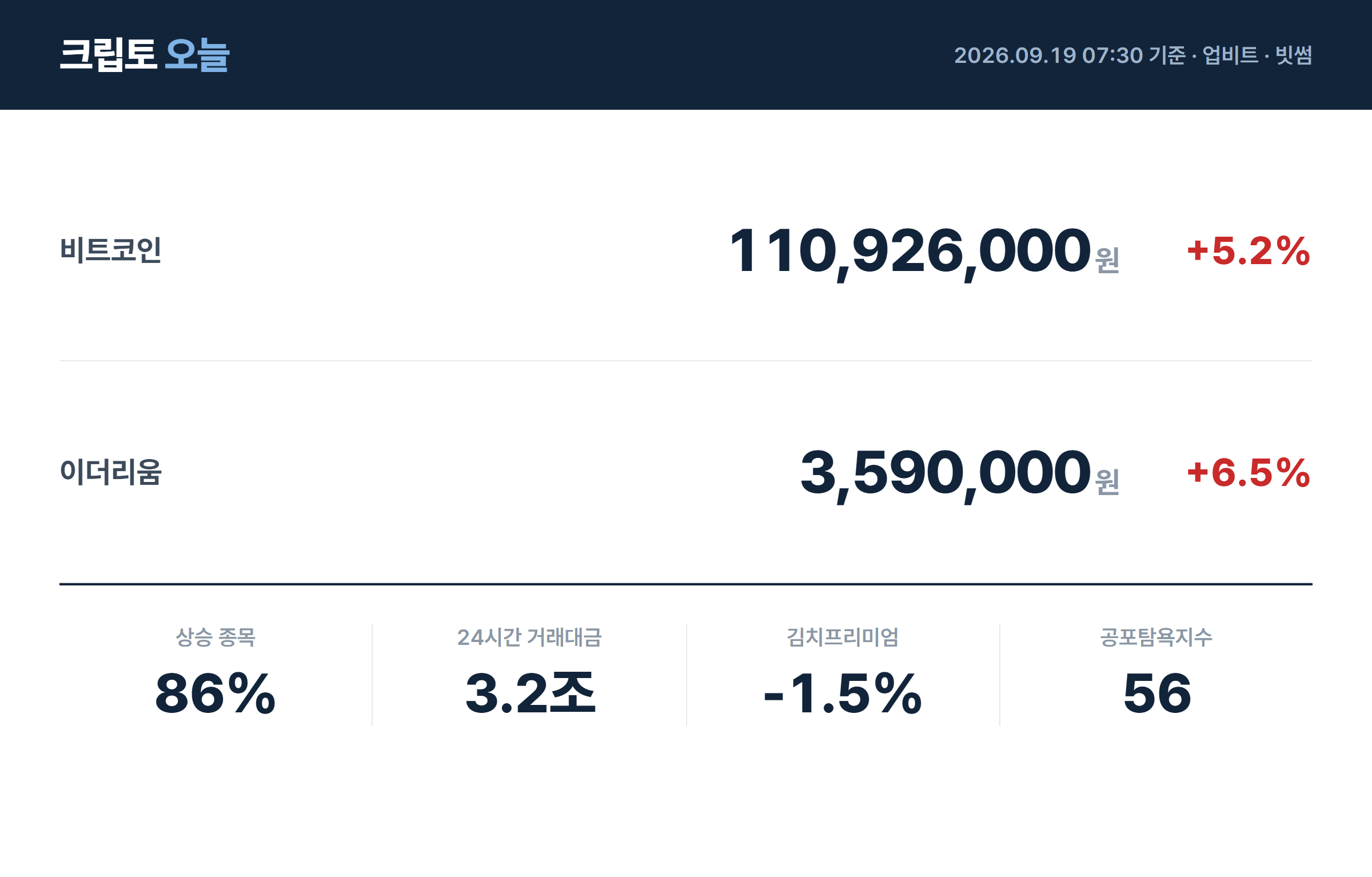
Bitcoin at $80,000: SynFutures soars 70% on Upbit
Why it matters: The Fear and Greed Index rose to 56, but the Korean premium remains negative (-1.5%), indicating local rather than global demand.
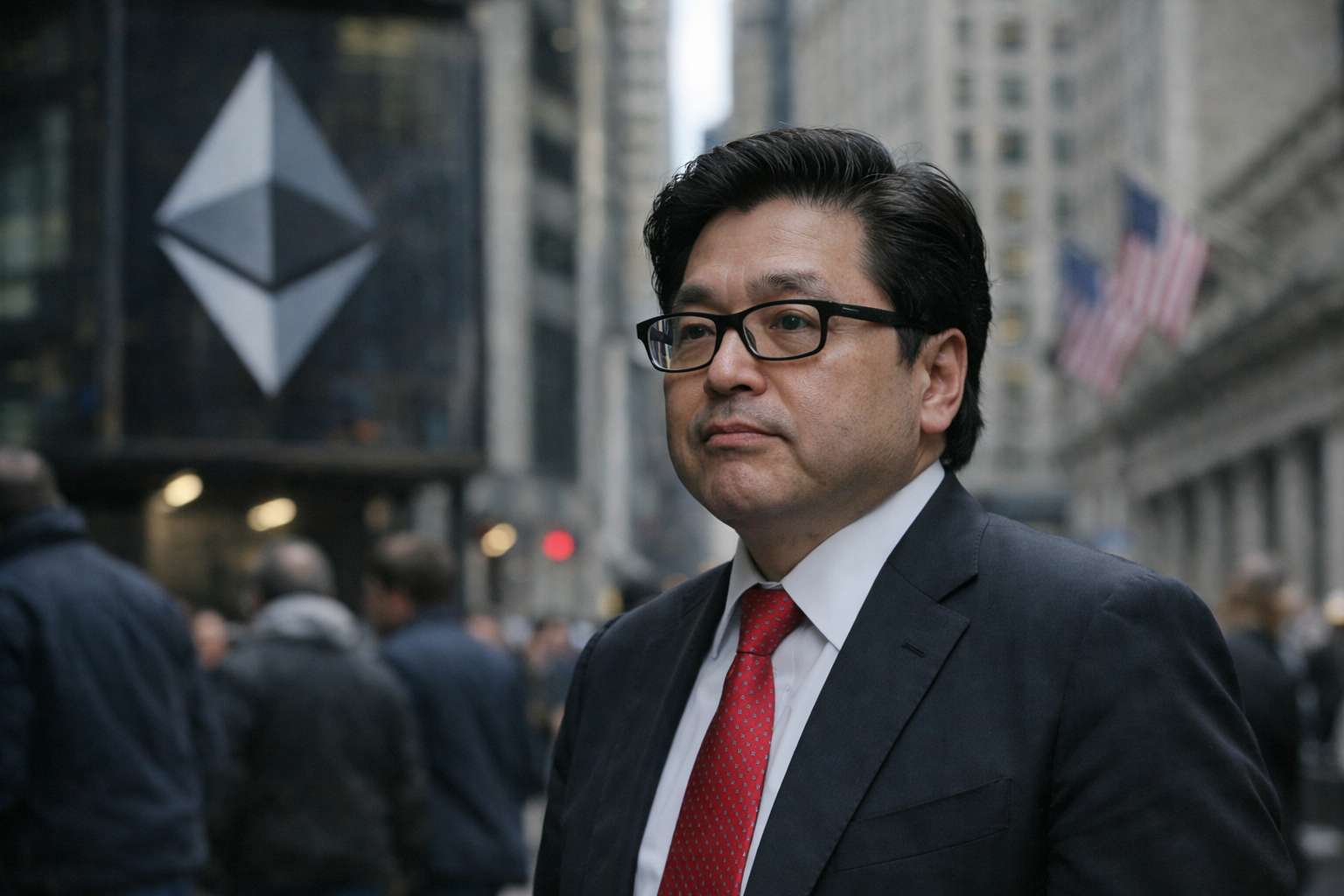
BitMine nears end of Ethereum accumulation: 5.96M ETH worth $15.4B
Why it matters: Completing accumulation and shifting to staking will reduce shareholder dilution and create cash flow, supporting crypto-treasury company stocks.
21,229 ETH worth $56 million moved from unknown wallet to Bitfinex
Why it matters: A large inflow of ETH to an exchange may indicate preparation for a sale and could add pressure on the price.

Ethereum at $2,500: bullish flag points to $3,300 target
Why it matters: ETH's bounce after the Fed decision shows the market has priced in a rate hike, but the durability of the rally depends on a break above $2,550 and an end to ETF outflows.

SkyAI rejects Forward Industries' $2.13 per share buyout offer
Why it matters: The case shows that for DAT companies, not only coin reserves matter but also capital structure, share dilution, and management compensation.

Paul Barron: SEC exemption for tokenized stocks will make Solana the biggest beneficiary
Why it matters: Growth in stock tokenization could increase transaction load and demand for SOL, intensifying Solana's competition with Ethereum for institutional flows.
Ethereum hits January high as wallets with balance set record
Why it matters: The growth in addresses and whale activity points to an expanding holder base, but does not guarantee price stability.

Ethereum breaks $2,600 after $85 million short squeeze
Why it matters: Breaking resistance at $2,600 could turn it into support, but sustainability depends on buyers arriving without leverage.

Solana hits seven-month high above $110, open interest up 18%
Why it matters: The break above $110 confirms capital rotation into altcoins; holding $100 keeps the bullish scenario intact, while losing it opens the path to a correction.