Bitcoin (BTC) news

Fed hikes rates, CLARITY Act fails, SEC opens path to tokenized stocks
Why it matters: The rate hike and CLARITY Act failure weigh on the market, but the SEC's tokenized stock rules open a major new segment.
Bitcoin DVOL Falls to 35.6, a Historic 2.8th Percentile Low
Why it matters: Low implied volatility alongside high realized volatility signals a divergence between expectations and reality; historically, BTC has more often risen after such zones, though direction is not guaranteed.

Glassnode: $85,000 Is the Next Key Test for Bitcoin
Why it matters: If buyers fail to support the rally, a breakout above $85,000 may not materialize and bitcoin could remain range-bound.
700 BTC Worth $56.6 Million Moved From Binance to Kraken
Why it matters: Large transfers between exchanges often precede rising volatility and a shift in whale sentiment.
XRP Jumps 8.8% in 24 Hours to $1.44 as Market Rebounds
Why it matters: XRP's rebound amid a broader market recovery will show whether altcoins can rally without a regulatory catalyst.

Crypto Market Cap Rises 5% to $2.75 Trillion, Litecoin and Cardano Lead the Week
Why it matters: The growing number of crypto ETFs beyond BTC and ETH is triggering capital rotation into legacy altcoins like LTC and ADA.
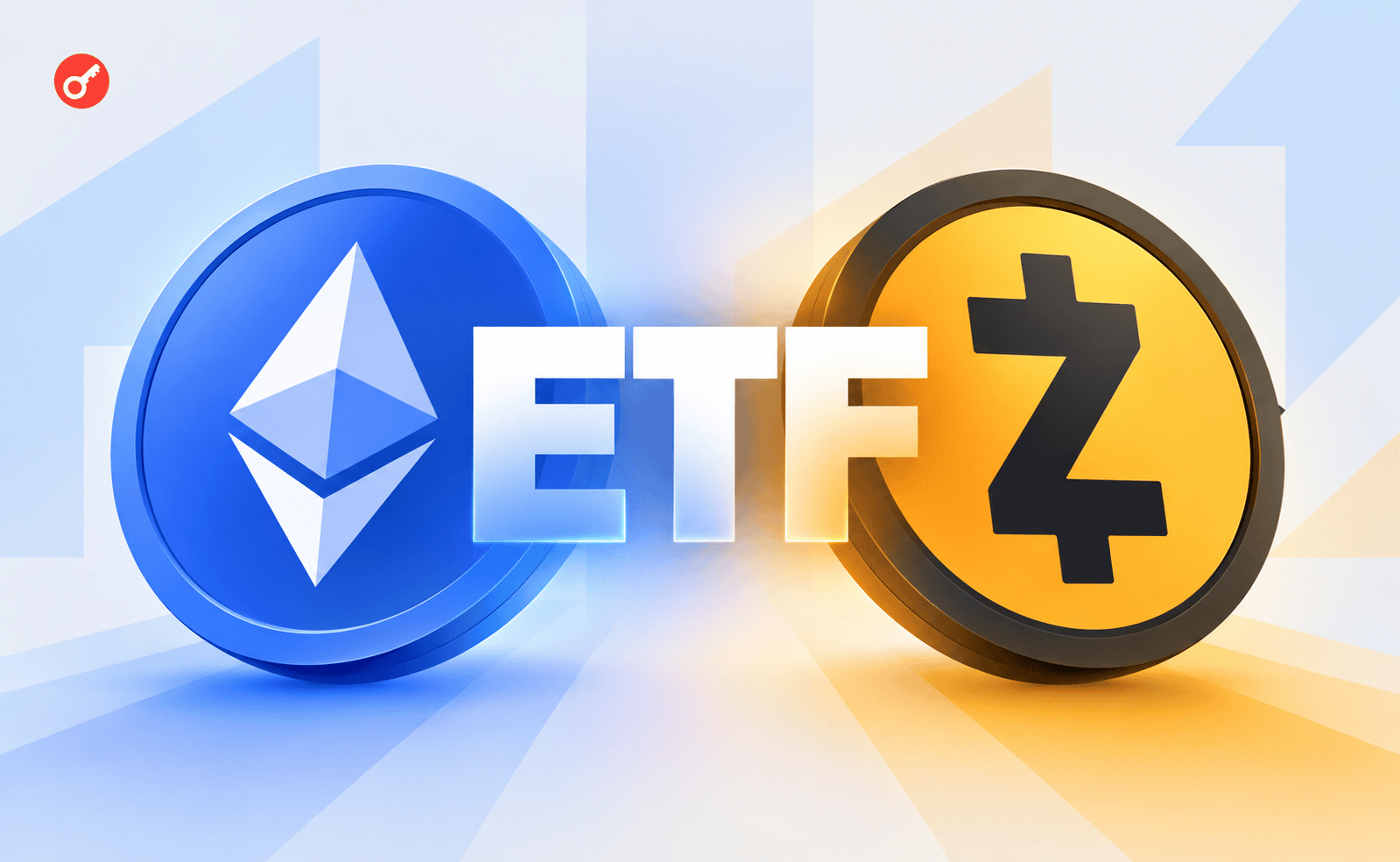
Ethereum ETFs Lose $140 Million in a Week as ZEC ETFs Attract $98.21 Million
Why it matters: Capital rotating out of ETH funds into ZEC and other altcoins reflects a shift in investor preferences within crypto ETFs.

Crypto Market Cap Jumps After CLARITY Act Failure
Why it matters: The market has priced in the CLARITY Act's failure, but further gains depend on SEC and CFTC actions and macro data.

OpenAI's $856B budget revalues bitcoin miners' energy assets
Why it matters: Miners with ready power capacity are getting a valuation premium, accelerating their shift from hashing to AI data centers.

BlackRock clients bought $108M of bitcoin via IBIT in one session
Why it matters: IBIT captures 50–80% of inflows into US spot bitcoin ETFs, confirming sustained institutional demand for BTC.

Bitcoin Core 32 to launch October 10: new fee estimates and faster validation
Why it matters: The update lowers fees for users and speeds up node operation, but operators must install the security patch.
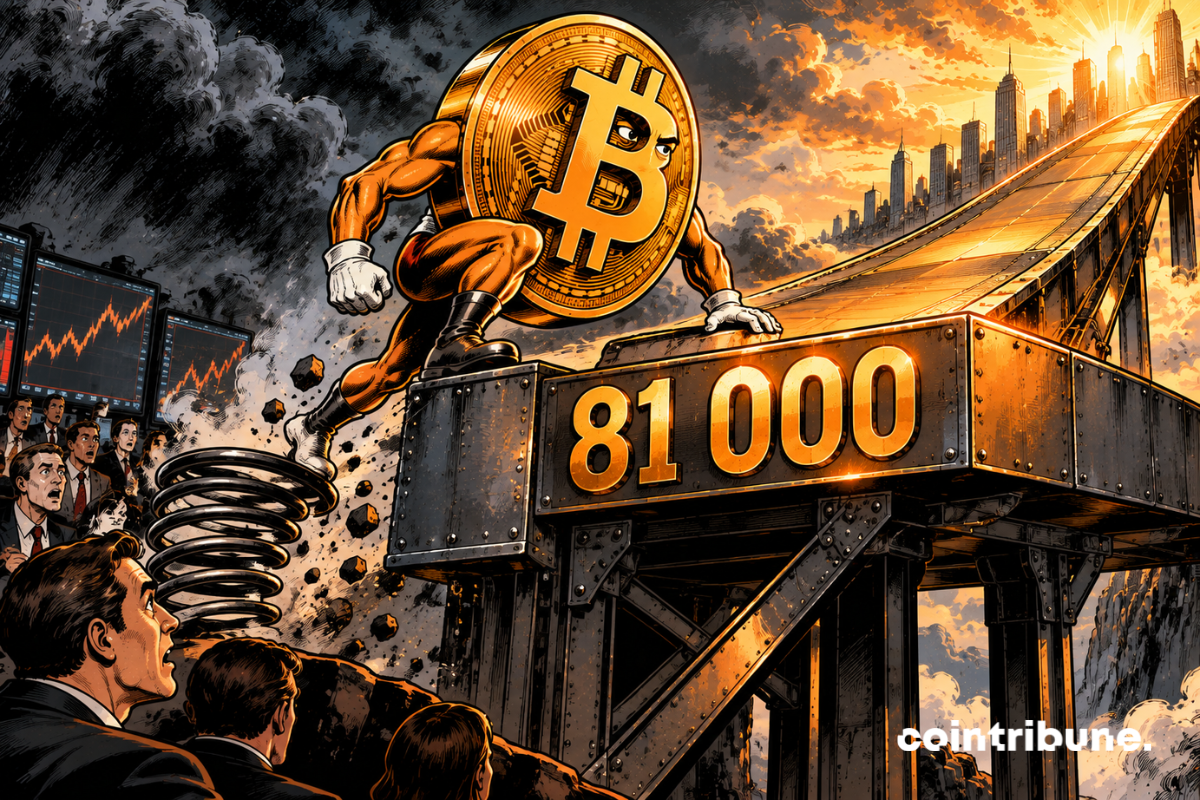
Bitcoin reclaims $81,000 after dropping below $75,000
Why it matters: The return of spot demand and a short squeeze may signal a reversal, but sustainability depends on further regulatory signals from the U.S.
Bitcoin back at $80,800, crypto stocks up 5-13% after CLARITY Act failure
Why it matters: The market is recovering from the CLARITY Act failure thanks to regulatory relief from the SEC and CFTC; the key level is resistance at $82,000.
Wallet linked to BIT.com moves 1,000 BTC worth $81 million to Binance
Why it matters: Large transfers to exchanges often precede sales and can add pressure on the bitcoin price.

Bitcoin rises 5% in 24 hours and tests $82,000 again
Why it matters: BTC holding above $80,000 after a hawkish Fed and the CLARITY Act failure will show whether the market is ready to continue rising toward $100,000.

Bitcoin climbs to $81,016 as $602.8M in positions liquidated
Why it matters: Mass short liquidations are amplifying upward momentum, but the sharp spike in small tokens signals overheating.

Glassnode: $83,000–86,000 zone holds shorts and 1.07M BTC
Why it matters: The $83,000–86,000 zone combines a short squeeze, long-term holders' cost basis and the ETF breakeven point — a breakout could accelerate volatility.

SHIB gains 6.37% in a week but fails to break $0.0000055 resistance
Why it matters: Without a volume-backed break above $0.0000055, SHIB's advance remains a range-bound bounce rather than a trend reversal.

Morgan Stanley's MSBT buys 642 BTC for $50.6M with no outflows
Why it matters: The first spot bitcoin ETF from a bank asset manager is building its position without outflows, reinforcing institutional demand for BTC.

Bitcoin rises to $81,045, Ethereum to $2,630 on ETF inflows
Why it matters: The return of institutional flows into both BTC and ETH ETFs could confirm a shift in the short-term trend, but overbought conditions risk profit-taking.