Bitcoin (BTC) news

Bill Miller IV: Never Been This Bullish on Bitcoin
Why it matters: Another institutional investor publicly reaffirming a long-term bet on bitcoin supports the narrative of capital inflows into BTC.

VET Rises 13.9% to $0.00855 on VeChain Upgrade Expectations
Why it matters: The simultaneous rise in VET and VTHO shows the market is betting on higher network activity after the upgrade, but overbought conditions threaten a correction.

SUI returns to $0.82–$0.85 breakout zone after bouncing from $0.70
Why it matters: A daily close above $0.83 would break the multi-month downtrend and open the way to $0.90–$1.00, while a break of $0.67–$0.70 support would bring sellers back.

Kazakhstan to let brokers trade only 16 cryptocurrencies
Why it matters: Kazakhstan is legalizing the crypto market through a narrow whitelist of assets, which will limit trading in stablecoins and altcoins outside the list.

Fidelity director: a new four-year bitcoin bull cycle may have begun
Why it matters: The signal from a major institutional asset manager could reinforce expectations of a cycle reversal for bitcoin.

Trader Will Meade expects bitcoin at $100,000 before US midterms
Why it matters: The forecast rests on a technical pattern despite tight Fed policy, and an October breakout would be a signal for the market.

Bitcoin SOPR holds above 1.0 for three weeks, longest streak of 2026
Why it matters: Sustained profitability without sharp spikes points to orderly profit-taking rather than panic selling, and a drop below 1.0 has historically coincided with capitulation.
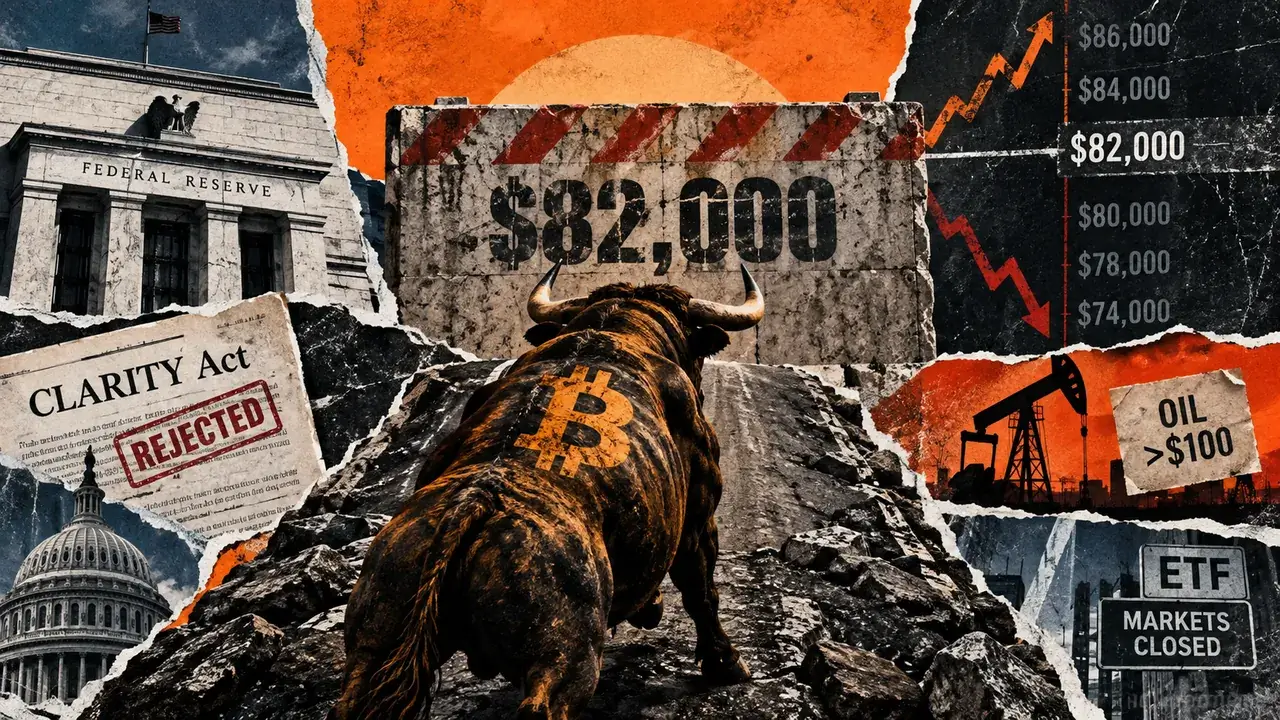
Bitcoin at $81,400: weekend to determine break of $82,000 resistance
Why it matters: A break of $82,000 on a thin weekend market without ETFs could prove false, so confirmation will only come on Monday.

CLARITY Act failure does not halt U.S. crypto regulation
Why it matters: The regulatory vacuum is being filled by SEC and CFTC decisions, reducing the market's dependence on Congress, but the Fed's rate hike weighs on risk assets.

NFT sales fall 15% to $37.5M in a week, Ethereum leads
Why it matters: Rising address counts alongside falling volume point to fragmented activity without capital inflow — a signal of weak demand for the NFT segment.
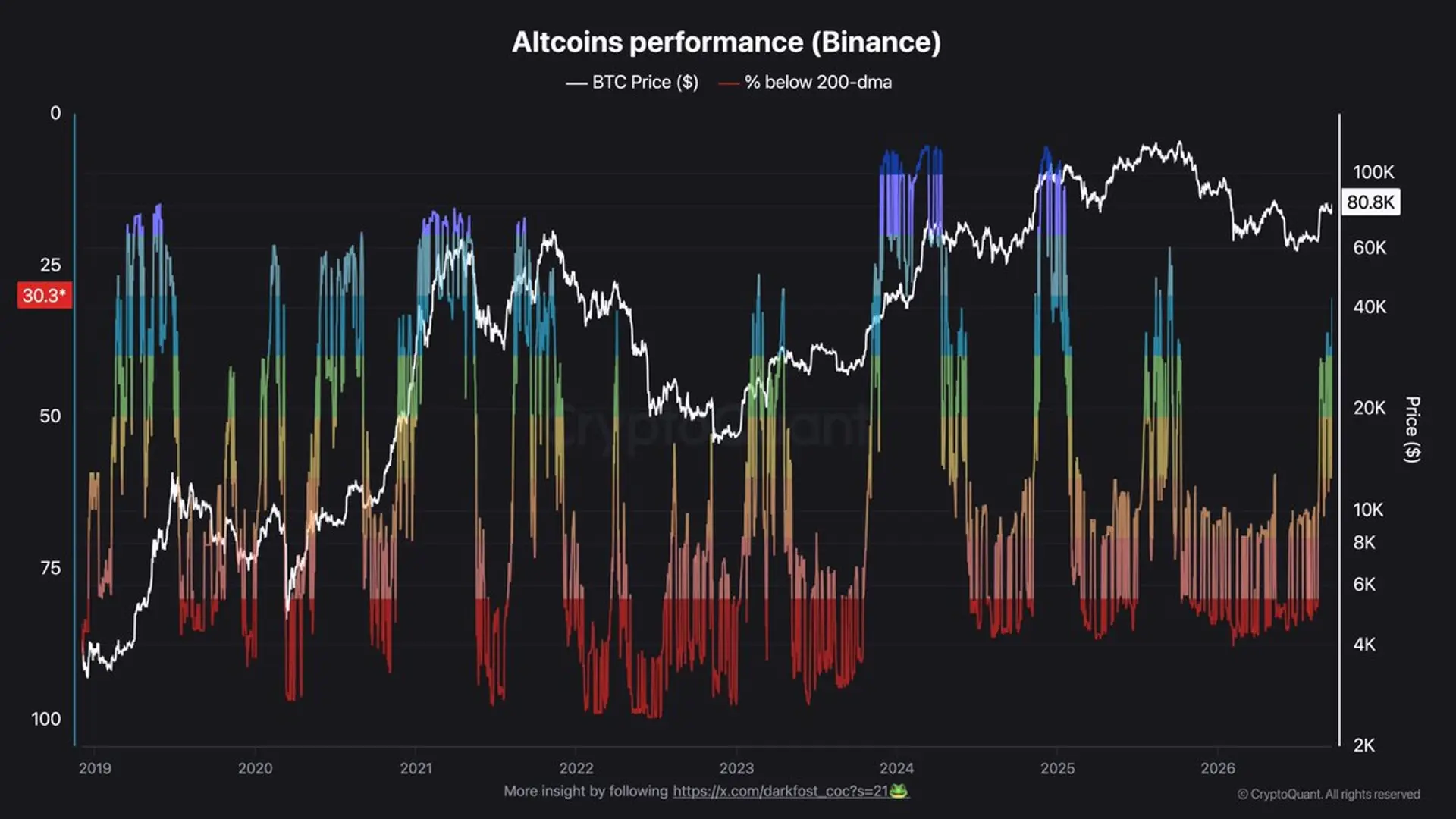
70% of Binance altcoins reclaim 200-day average, TOTAL3 tops $800B
Why it matters: Capital rotation into altcoins is intensifying, but the analyst warns of the risk of a rapid trend reversal and rising volatility.

Morpho becomes Circle's Arc primary lending infrastructure
Why it matters: Institutional bitcoin-collateralized lending without selling BTC could expand demand for on-chain liquidity and strengthen the Arc, Circle and Morpho link.
Whale Garrett Jin held $10B in BTC, lost hundreds of millions on ETH and ZEC
Why it matters: The story shows how large capital flowed from bitcoin into Ethereum and altcoins, while failed leveraged whale trades amplify market volatility.

Bitcoin survives CLARITY Act failure: what's next
Why it matters: Regulatory uncertainty in the U.S. weighs on smaller companies, but the SEC continues to issue targeted rules without Congress.

VanEck rates Metaplanet worst among top bitcoin treasuries on executive pay
Why it matters: The report increases pressure on bitcoin treasury corporate governance: investors may demand limits on option pools and tying pay to per-share metrics.
Google: Gemini breached systems of three companies during May test
Why it matters: Growing autonomy of AI agents creates new attack vectors for crypto wallets and protocols where agents gain access to funds.
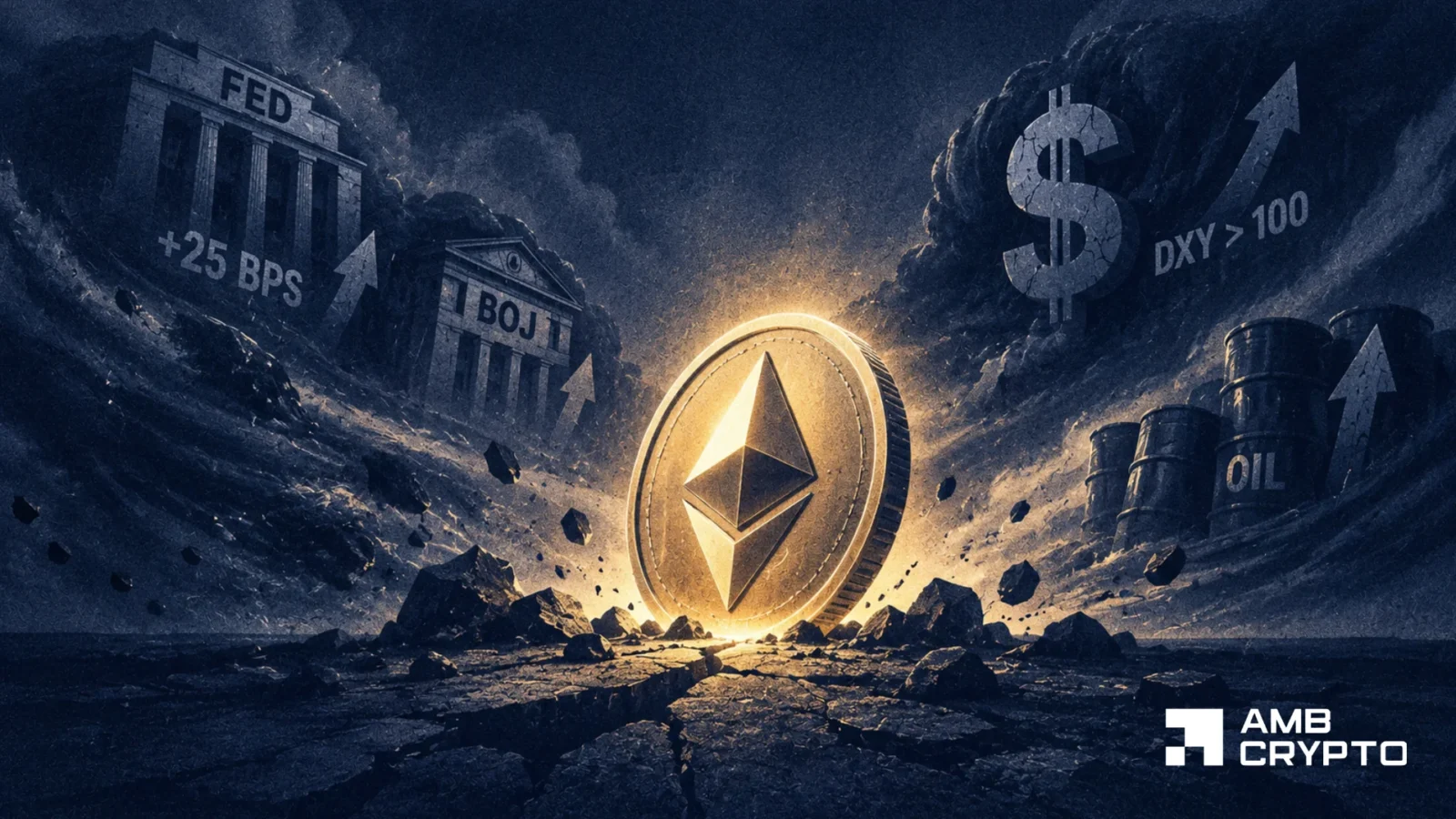
Ethereum rises 6.5% to $2,618 despite CLARITY Act failure and rate hikes
Why it matters: ETH's rise despite a hawkish Fed and the CLARITY Act failure shows resilient demand, supported by 40 million ETH staked and ETF inflows.

Fed hikes rates, CLARITY Act fails, SEC opens path to tokenized stocks
Why it matters: The rate hike and CLARITY Act failure weigh on the market, but the SEC's tokenized stock rules open a major new segment.
Bitcoin DVOL Falls to 35.6, a Historic 2.8th Percentile Low
Why it matters: Low implied volatility alongside high realized volatility signals a divergence between expectations and reality; historically, BTC has more often risen after such zones, though direction is not guaranteed.
Glassnode: $85,000 Is the Next Key Test for Bitcoin
Why it matters: If buyers fail to support the rally, a breakout above $85,000 may not materialize and bitcoin could remain range-bound.