Bitcoin (BTC) news

Solana ETFs notch 12 straight weeks of inflows as Bitcoin funds see quietest week
Why it matters: Steady inflows into SOL ETFs amid weak activity in Bitcoin funds signal capital rotation into altcoins.
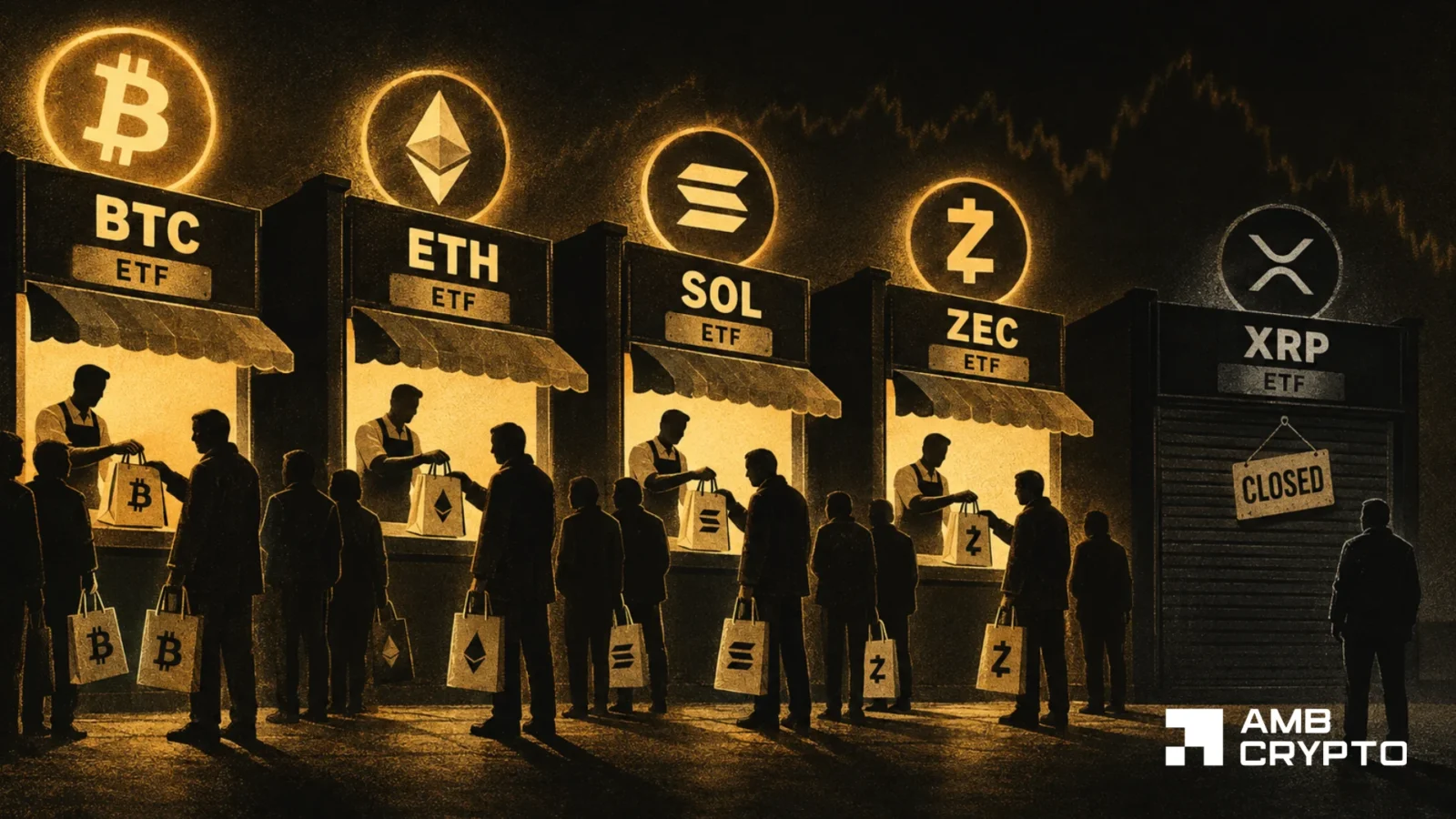
Crypto ETF inflows: BTC $433M, ETH $144M, SOL $47.6M
Why it matters: ETF inflows remain a key driver of crypto demand even amid Fed rate hikes and the failure of the CLARITY Act.

JUP climbs 9.88% to $0.280 amid CFTC crypto rules proposal
Why it matters: JUP is at the top of its range: a break above $0.286 on volume would open further upside, while a pullback risks a correction of the overheated rally.

STX jumps 15.09% to $0.311 on Zest Protocol launch
Why it matters: The rally confirms demand for bitcoin's DeFi ecosystem through Stacks, but overbought conditions raise the risk of a correction.

Ethereum posts best third quarter ever: +60.6% and $10 billion in ETF inflows
Why it matters: The record quarter confirms growing institutional demand for ETH through ETFs and corporate reserves, which could strengthen the asset's position relative to bitcoin.
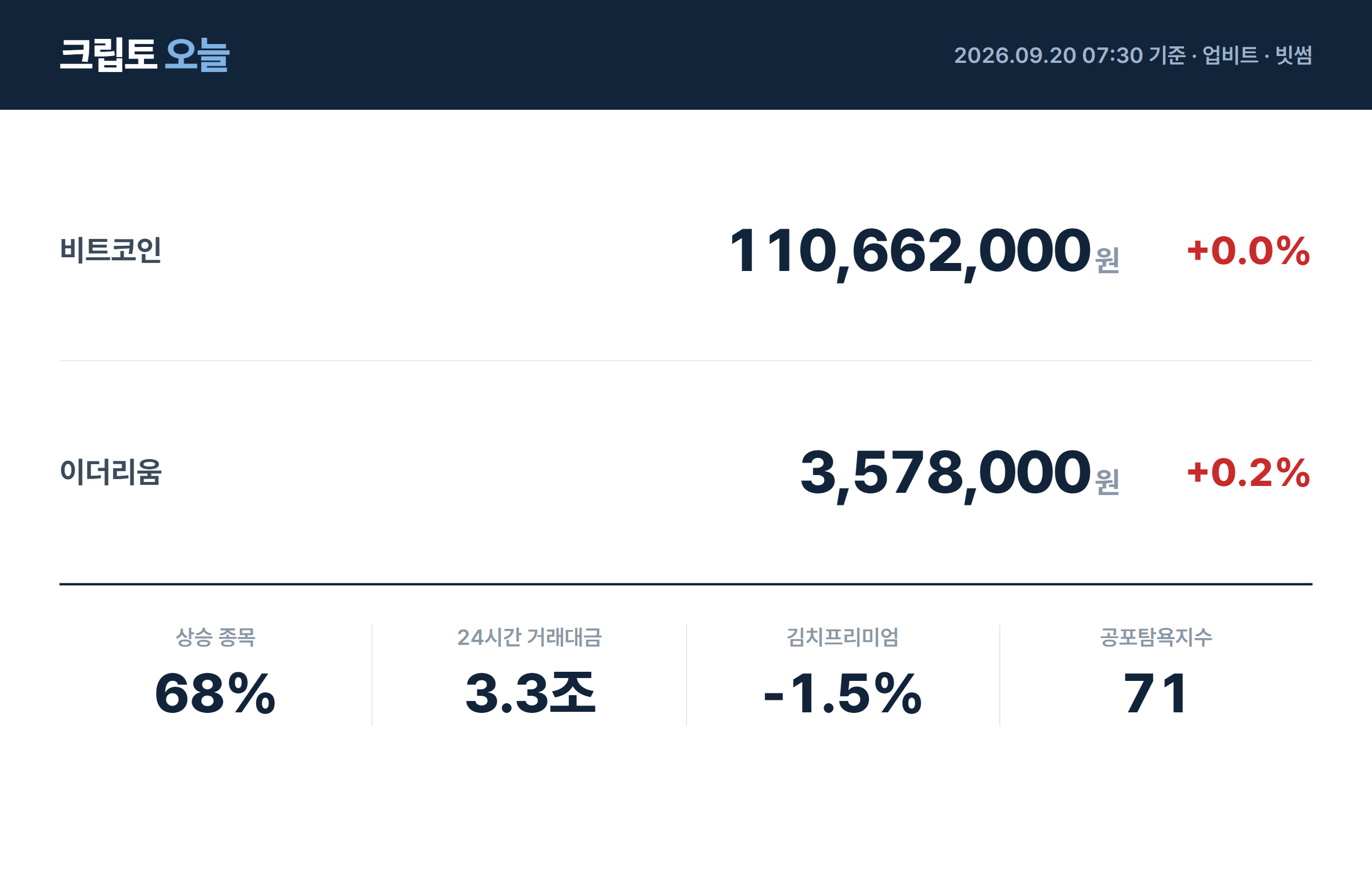
Morning roundup: bitcoin at 110.66 million won, 68% of coins gain
Why it matters: The roundup reflects local activity on the Korean market: a rising share of gainers and the index moving into greed territory point to stronger risk appetite.

TRX rises 1.12% to $0.339, lagging bitcoin rally
Why it matters: The rally lacks volume and relies on the broader market: if BTC loses momentum, TRX risks falling back to its moving averages.
Aave proposes bitcoin-backed lending model in institutional custody
Why it matters: The model gives institutions access to on-chain liquidity without moving assets out of a regulated custodian, lowering the barrier for large capital entering DeFi.

Bitcoin at $81,000: $433M ETF inflow vs 2,400 BTC moved to Binance
Why it matters: The key level is $82,300: a break above would open the way higher, but rising exchange deposits and slowing ETF inflows could increase pressure at resistance.

2011 wallet moves 100 BTC worth $8M with 2,469,035% profit
Why it matters: The activation of old wallets may signal preparation to sell and an increase in BTC supply on the market.

Cathie Wood rejects 'dead cat' call: bitcoin has many lives ahead
Why it matters: Wood's public support matters for bitcoin's institutional narrative amid criticism and her own ETF sales.

North Korean hackers stole funds from 7,000 crypto wallets via fake job offers
Why it matters: The scheme hits private holders with no compensation; developers should isolate the machine holding keys from the environment where they run third-party code.
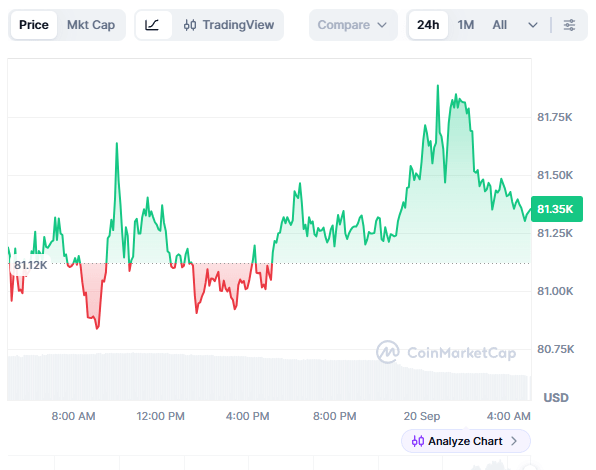
Crypto market mixed: bitcoin at $81,334, Ethereum at $2,635
Why it matters: Falling derivatives and stablecoin volumes point to trader caution and reduced short-term activity.
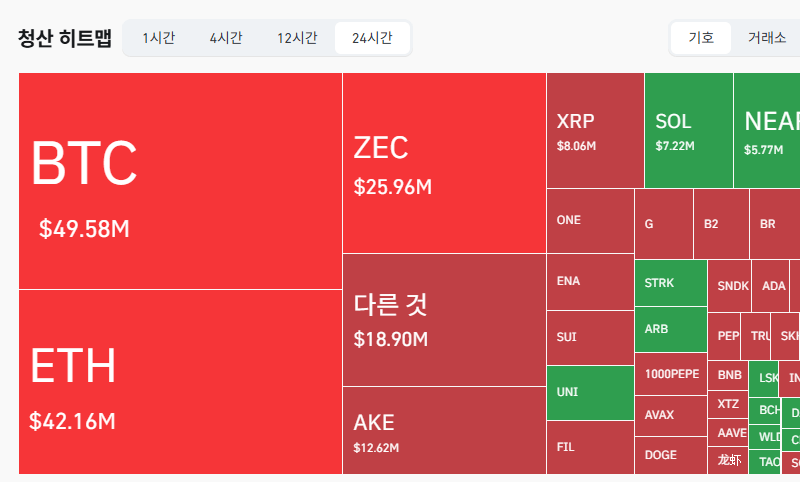
$161.77M liquidated in crypto in 24 hours, 73% shorts
Why it matters: The predominance of short liquidations points to a squeeze higher; if $82,000 is broken, potential short liquidations are estimated at $619 million.
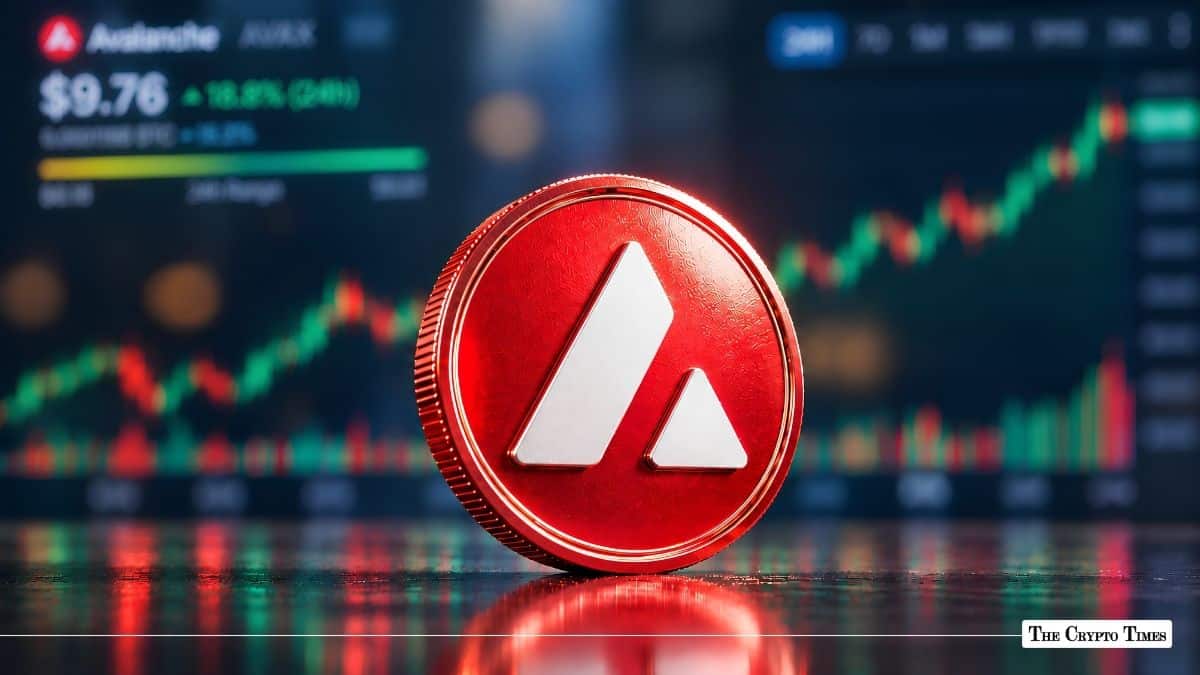
AVAX rises 19.7% to $9.76 on Avalanche tokenization push
Why it matters: An influx of institutional funds and RWA infrastructure strengthens Avalanche's position in the tokenization segment.
Two convictions handed down in Costa Rica in 148 BTC ransom case
Why it matters: The case confirms that blockchain transparency allows crimes to be solved even years later.
Two illegal Bitcoin mining farms dismantled in Paraguay
Why it matters: Paraguay is stepping up its fight against illegal mining over electricity theft, which could affect the industry's hash rate and energy intensity.

Microtransactions account for about 80% of all Bitcoin network operations
Why it matters: The rise in small transactions points to Bitcoin's shift toward everyday use, which could support demand and adoption.

Saylor: crypto market protection is mass adoption, not CLARITY Act
Why it matters: The stance of the largest bitcoin treasury sets the narrative: the market will keep growing without the CLARITY Act through products and institutions.
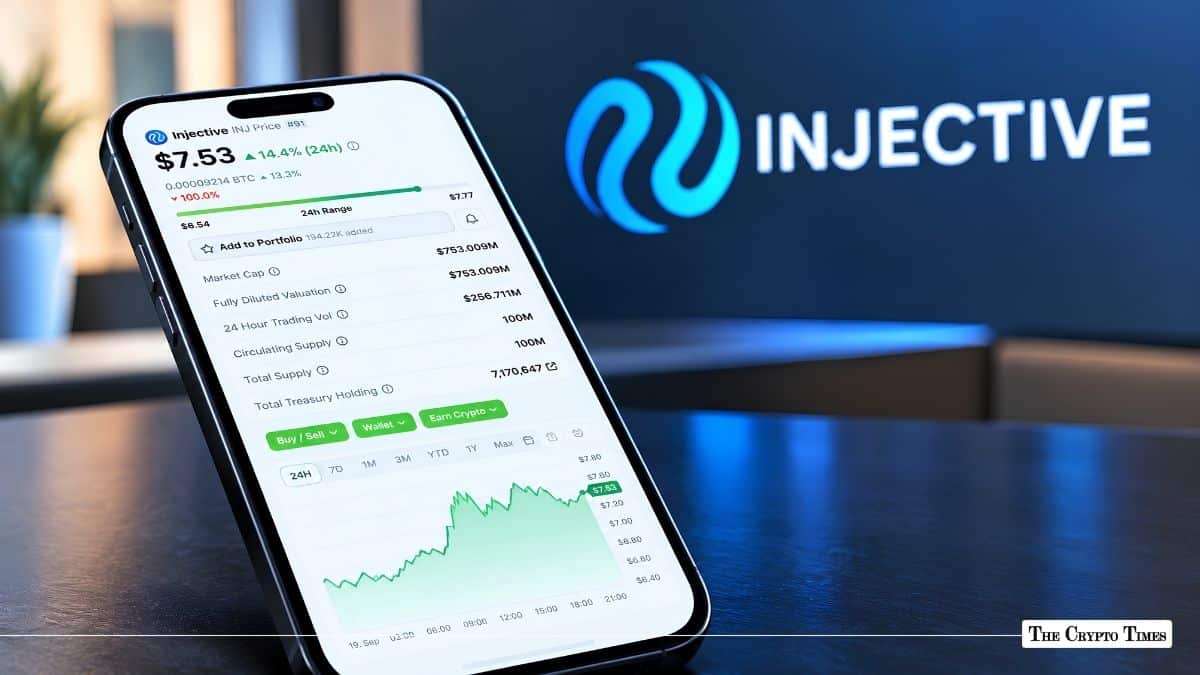
INJ rises 14.4% to $7.53 after Solana launch and ETF filing update
Why it matters: The Solana launch and ETF filing expand access to INJ and could support demand for the token.