Bitcoin (BTC) news
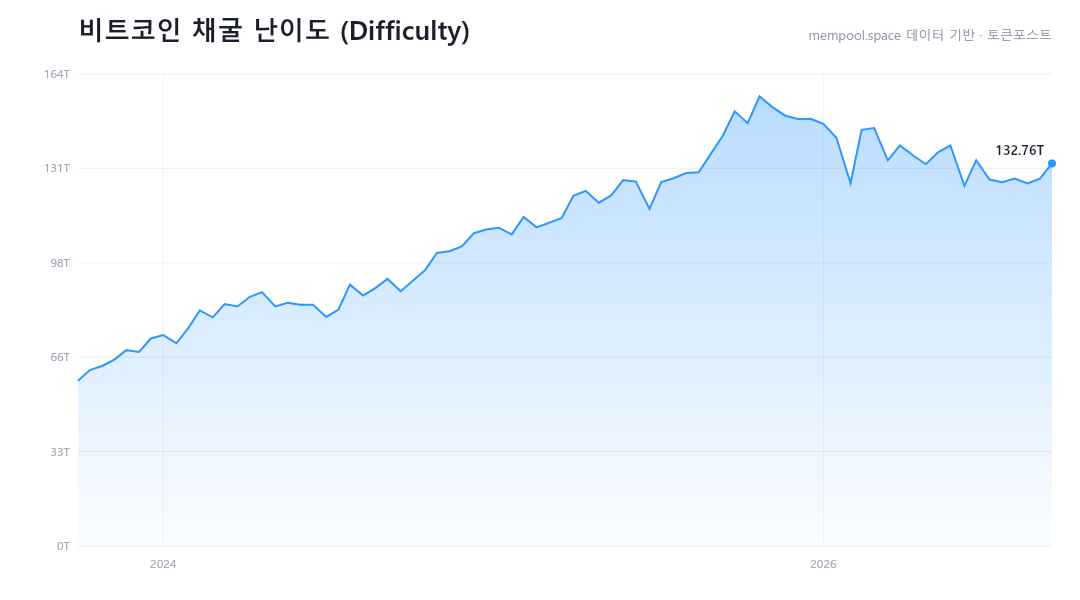
Bitcoin Mining Difficulty Rises 4.16% to 132.76T
Why it matters: Rising difficulty amid falling hashrate intensifies pressure on miner margins, which could accelerate sales of mined BTC.
Bitcoin retreats from $82,000 on Middle East escalation and TD Sequential signal
Why it matters: Geopolitical risk in the Middle East and a technical sell signal could deepen a BTC correction after the rally from $75,000.

AI audit finds Zcash coin-forgery bug hidden for 4 years
Why it matters: It shows AI audits can uncover old logic holes in zk code, raising the bar for repeated reviews of privacy blockchains.
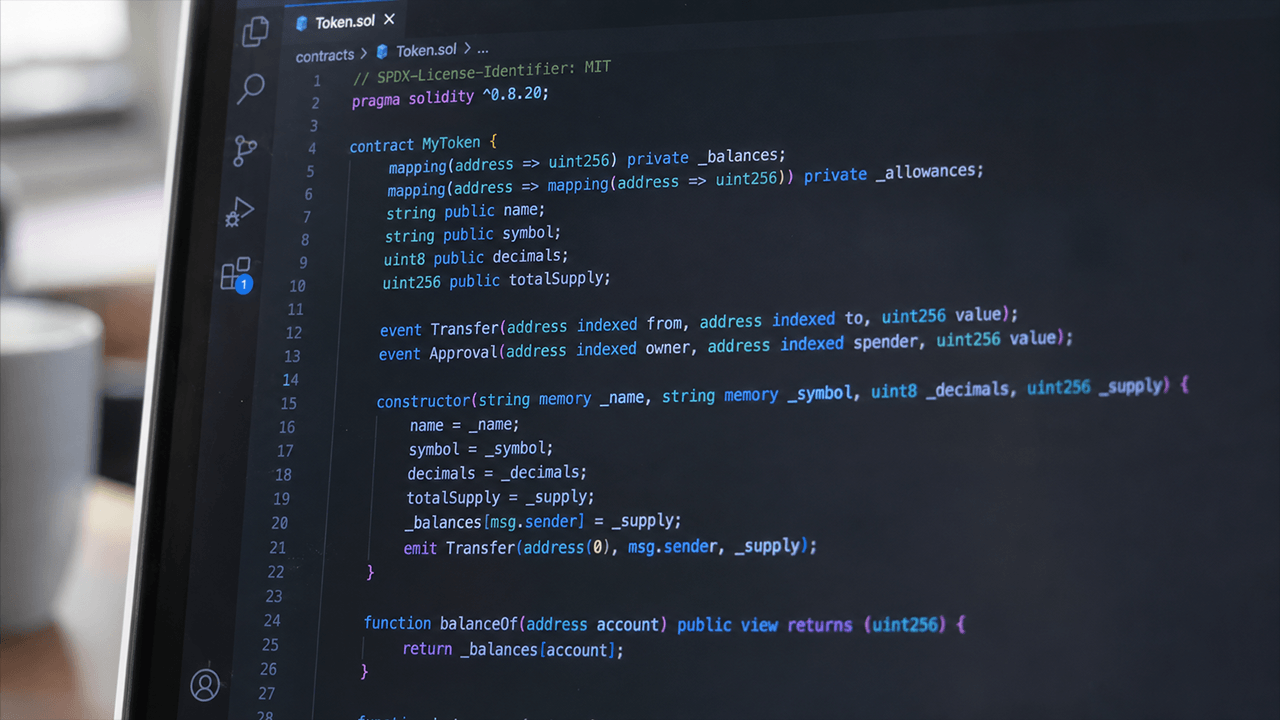
AI auditors find old crypto code flaws in Zcash, Coldcard as attacks rise
Why it matters: AI is making code audits cheaper while lowering the barrier to attacks, changing the security economics of crypto protocols.
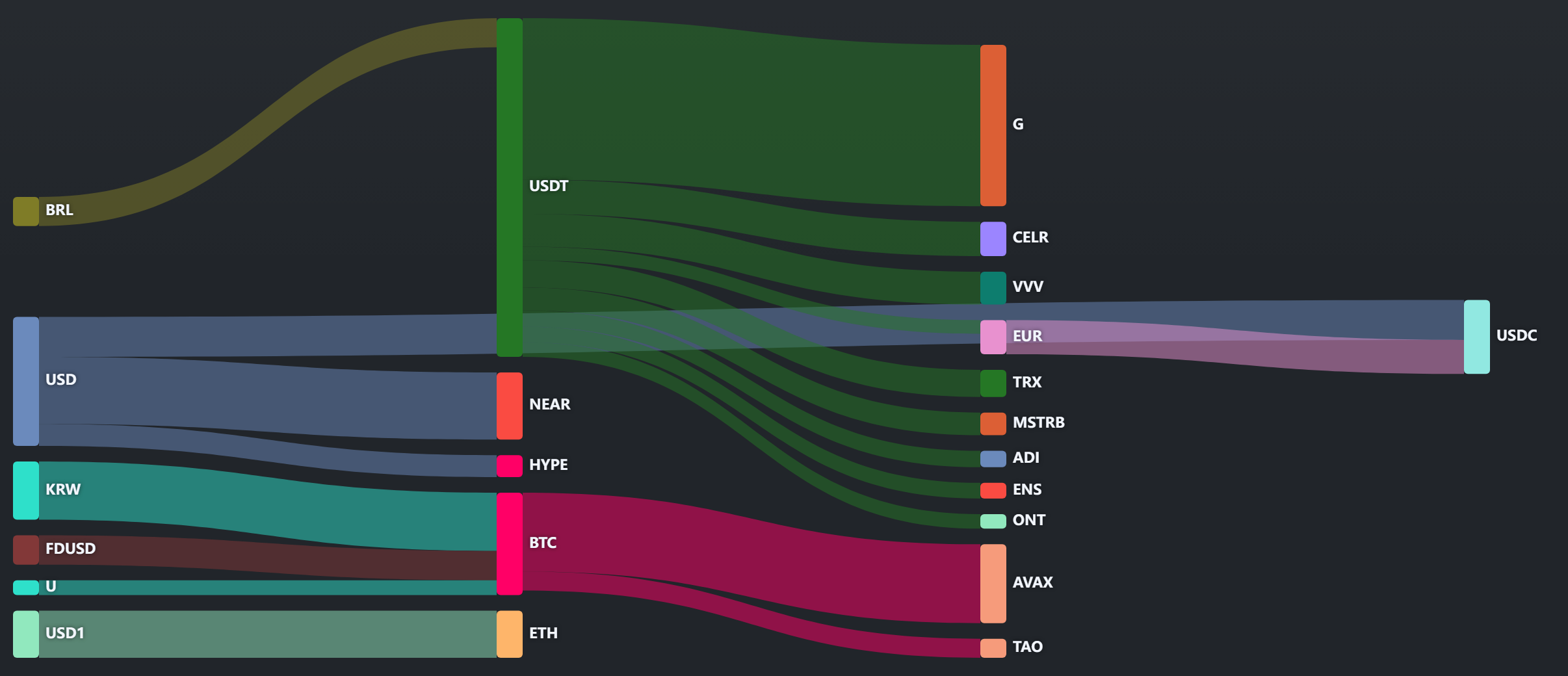
Ethereum sees $80.8M outflow in 5 hours, $115.4M converted to fiat
Why it matters: Massive withdrawals from ETH and BTC with conversion to stablecoins and fiat could signal growing caution among large holders.

RAY falls 6.17% to $1.64 after 108% rally in 30 days
Why it matters: The correction looks like profit-taking after a strong rally; holding above the SMA-5 ($1.61) keeps RAY's uptrend intact.

Bitcoin holds above $80,000 amid ETF inflows
Why it matters: The return of ETF inflows could strengthen Bitcoin's support above $80,000 and boost institutional demand.

VET rises 11.85% to $0.0084 amid market rally and Interstellar upgrade
Why it matters: VET's rise is part of capital rotation into altcoins after bitcoin's return to $81,000, but technical indicators point to correction risk.

PEPE rises 8.96% to $0.0000039 on above-average volume
Why it matters: The rise in meme coins on volume signals a return of risk appetite, but the gap from highs indicates a recovery within a bearish cycle.

Exchanges received 4,751 BTC in a day as Asia trading volume fell 69%
Why it matters: Rising BTC exchange reserves increase seller pressure, while the drop in Asian activity points to weakening demand in the region.
7 million BTC under quantum threat as BIP-360 remains just a proposal
Why it matters: The quantum threat to old bitcoin addresses remains unresolved, which could weigh on holders' long-term confidence.

Bybit CEO: bitcoin is still far from 'digital gold' status
Why it matters: The view from the head of a major exchange reflects lingering institutional doubts about BTC as a store of value.

Bitcoin holds $80,000 but trading volume drops 46% as exchange inflows rise
Why it matters: Rising exchange reserves and falling volumes point to possible strengthening seller pressure around $80,000.
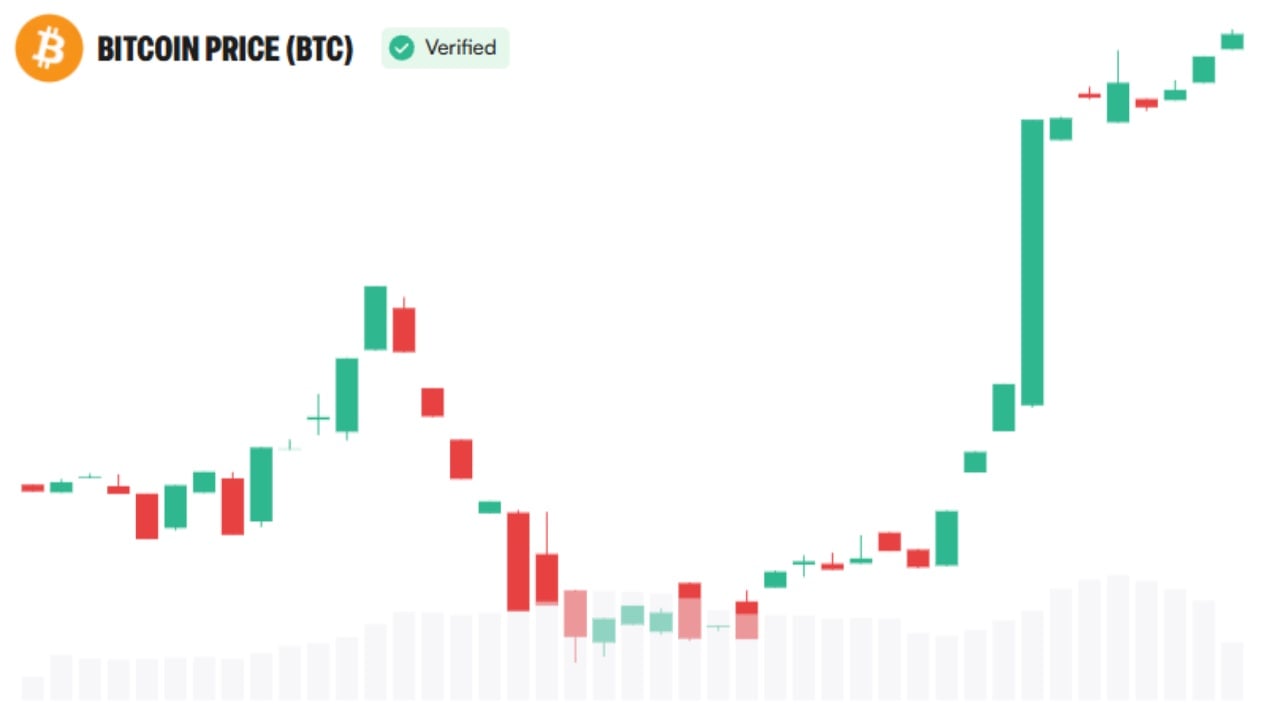
Arthur Hayes calls CLARITY Act 'nonsense' as bitcoin tops $80,000
Why it matters: Hayes puts money flows above regulation: rising rates support demand for risk assets, though his own forecast allows for a drop to $50,000.

US must set tariffs against Russia by October 18, 2026
Why it matters: For the crypto market this is a macro risk: harsh tariffs could fuel inflation and pressure risk assets, including bitcoin.
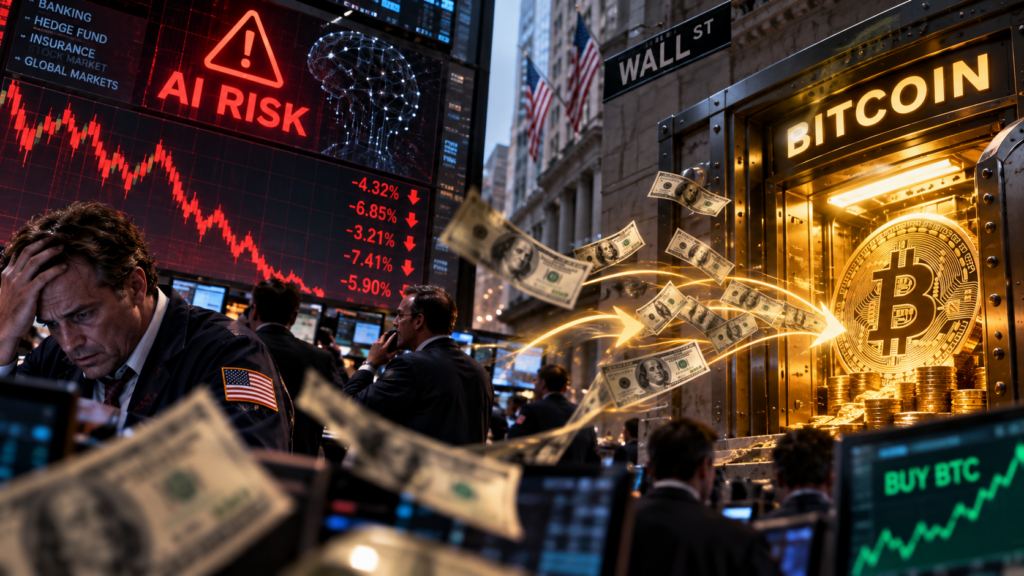
Hut 8 co-founder warns of AI threat to financial system, moves funds back into BTC
Why it matters: A signal about the risks at the intersection of AI and traditional finance, and about a major miner returning capital to bitcoin through ETFs.
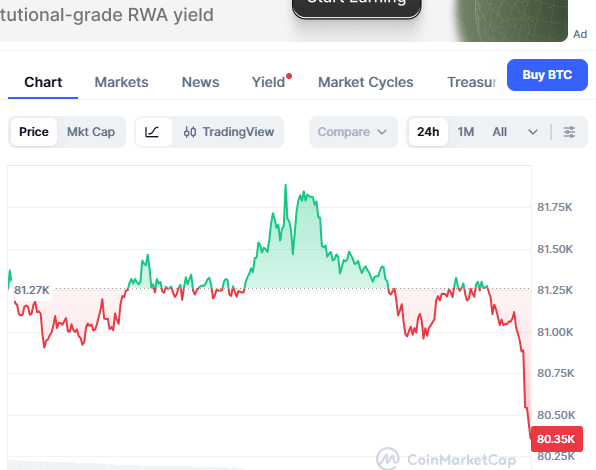
Crypto market slides: bitcoin $80,292, Ethereum $2,572
Why it matters: Falling derivatives volumes and rising BTC dominance suggest the market is shifting into a wait-and-see mode ahead of new macro signals.

Daily wrap: Bitcoin +5.9%, Kalshi and Payward file for US stock perpetuals
Why it matters: The expansion of perpetuals on US stocks brings crypto exchanges closer to the traditional market and intensifies regulatory competition for this segment.

Altcoin market cap tops $1.07 trillion, but altseason hasn't started yet
Why it matters: Rising altcoin market cap and falling Bitcoin dominance may signal the start of capital rotation into altcoins, but high leverage increases the risk of a pullback.

bitbank analyst: Bitcoin holds after FOMC, focus on US rates and Middle East
Why it matters: Although the Fed has tightened its rhetoric, the market is not pricing in a sharp rate increase, so BTC remains range-bound; a break of $78,000 or $75,500 will set the direction.