Bitcoin (BTC) news

Bots attack exposed BTCPay Server Lightning nodes
Why it matters: Operators with their own reverse proxy need to urgently update BTCPay to 2.4.4 and close public access to LND, or funds could be stolen.

Weekly recap: LAPTOP crashes 98%, Liquid resumes after 4,000 BTC theft, $245M stolen
Why it matters: Major exploits and the memecoin collapse are further eroding market confidence and drawing regulators' attention to security.

What happens to XRP if the CLARITY Act vote fails on September 15
Why it matters: A failed CLARITY Act would delay federal crypto rules and increase pressure on XRP and the broader market.

RippleX calls XRP as collateral for institutional lending a key use case
Why it matters: XRP is transforming from a payment asset into institutional collateral, which could boost demand for the token.

Bitcoin at $77K ahead of September 16 Fed meeting
Why it matters: The Fed's September 16 decision could push BTC out of its $76,000-$77,000 range or trigger sharp volatility in either direction.
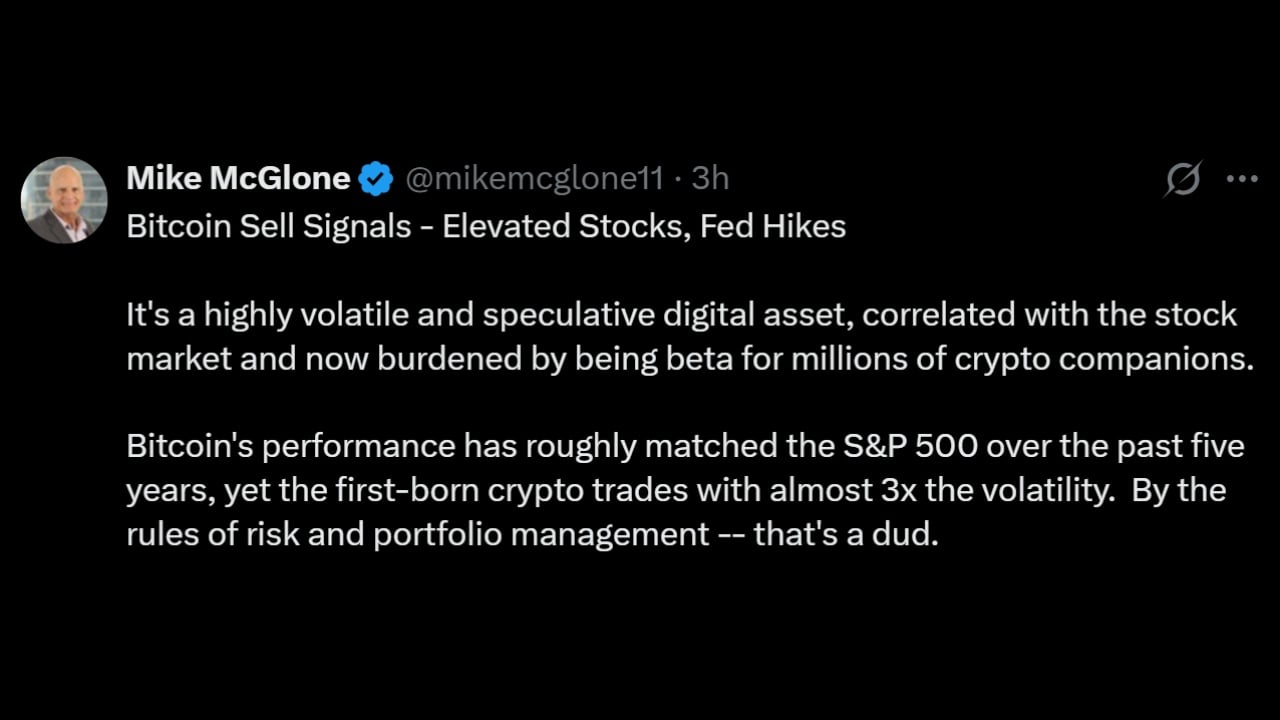
McGlone: a 20% S&P 500 drop could send bitcoin to $10,000
Why it matters: A warning of correction risk for holders of BTC and high-beta assets if the macro backdrop deteriorates.

Analysts: Bitcoin less than $5,000 away from bull market level
Why it matters: Both groups of large holders are selling while US funds aren't buying, raising the risk of a long squeeze and a drop to $70,000 support.
Analysts: Bitcoin needs $4,900 to confirm bull market
Why it matters: Whale selling and lack of US demand increase the risk of a long squeeze and a correction to $70,000.
Analysts: Bitcoin near bull market, but whales are selling
Why it matters: The simultaneous selling by whales and long-term holders in the $77,100–80,200 zone creates resistance for an upward breakout.
Analysts: Bitcoin $4,900 short of bull market signal
Why it matters: If Bitcoin fails to hold above $81,700, seller pressure and long squeezes could push the price to $70,000 support.
Analyst: Bitcoin less than $5,000 from bull market signal
Why it matters: If BTC fails to hold above $81,700, a long squeeze and a drop to $70,000 support are likely.
Revolut handed client data to fake government request, including bitcoin transaction history
On September 11–12, 2026, Revolut provided client documents to an unknown person in response to a fraudulent request from a genuine government domain. The leaked data included passports, selfies, IBANs and full bitcoin transaction history; the number of affected individuals was not disclosed. Revolut says its systems and client funds were not compromised, and an investigation has been launched.
Bitcoin's 200-week moving average tops $65,000 for first time
Bitcoin's long-term support level — the 200-week moving average — has risen above $65,000 for the first time, according to Blockstream CEO Adam Back. The indicator climbed from $64,000 in August; BTC is trading in the $76,000–$77,000 range, providing a cushion above the historical 'bottom'.
Strategy issues bitcoin guide warning of 93% drawdown
Strategy, formerly MicroStrategy, published a bitcoin guide reminding investors of the asset's 93.1% crash in 2011 and its worst annual return of -83.6%. The company warns about leverage, options and counterparty risks while holding 845,050 BTC at an average price of $75,412.
CME sues CFTC over bitcoin perpetuals
The CFTC approved CalyxEX's bitcoin perpetual contract (BTCPERP) as a futures product on May 29, 2026. CME filed a lawsuit in federal court in Washington on June 18, arguing it is a swap, not a futures contract. The dispute will determine how perpetual contracts are regulated in the U.S.
Trump discusses CLARITY Act ethics clause ahead of Senate vote
Trump met with advisers on Friday to discuss an ethics clause in the CLARITY Act; a procedural Senate vote is set for September 15. Polymarket puts the odds of the bill passing at 16%, while Galaxy Research estimates 10%. Republicans need at least 7 Democratic votes.

Opera co-founder calls for cryptocurrency ban
Why it matters: The statement carries no regulatory force, but reflects growing criticism of crypto from the IT industry.
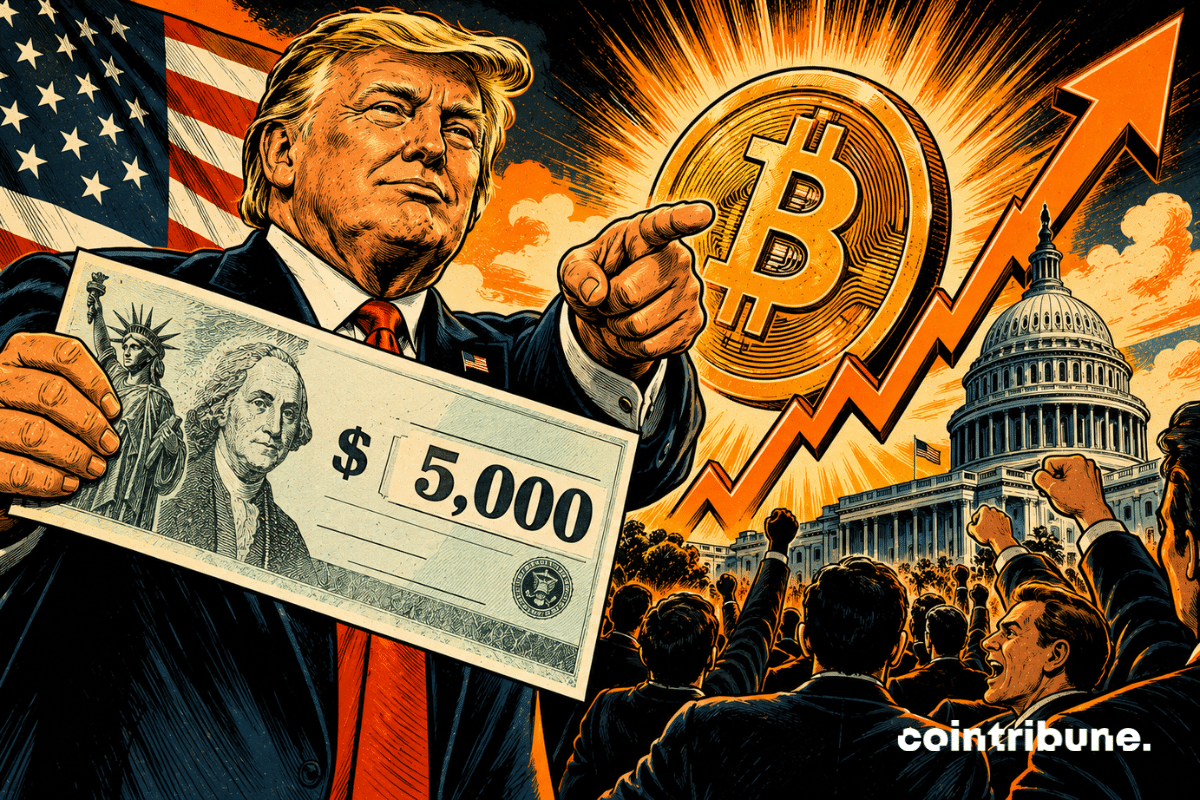
Trump promises $5,000 to every American: $1.2 trillion bill and a bet on bitcoin
Why it matters: Deficit-funded stimulus could accelerate inflation and push investors toward bitcoin as an asset with limited supply.

U.S. CPI returns bitcoin to $79,000, Ethereum gains 8.3%
Why it matters: The market reaction shows crypto is already pricing in Fed tightening; the September 15–16 meeting will determine whether the rally holds.