Bitcoin (BTC) news

Bitcoin falls below $76,000, Ethereum loses $2,400 ahead of CLARITY Act vote
Why it matters: The market is pricing in the risk of the CLARITY Act failing: a weak vote could increase pressure on BTC and ETH.
Symbiosis bridge exploit: attacker mints 46.1 billion unbacked syBTC
Why it matters: It highlights cross-chain bridges' vulnerability to combined bugs and the risk of losing funds in syBTC liquidity pools.

Santiment and CryptoQuant: large wallets cut BTC, small ones buy
Why it matters: Mixed signals: short-term overheating risk amid accumulation by small holders, but reduced selling pressure could support a recovery above $80,000.
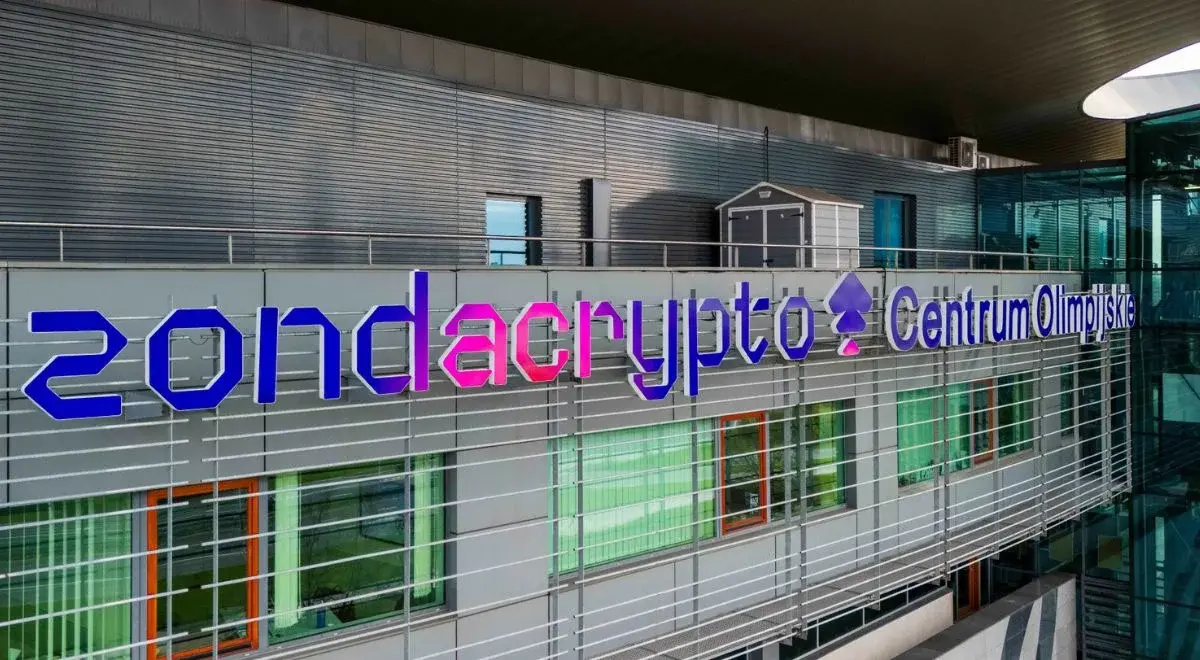
Poll: 36% of Poles blame Zondacrypto leadership for exchange collapse
Why it matters: The Zondacrypto collapse remains a major scandal in Poland, and the poll results show pressure on regulators and politicians over crypto regulation.

CleanSpark sold 228 BTC more than it mined in August
Why it matters: Selling more than mined reduces the miner's reserves and signals supply pressure on BTC from public miners.

Bitcoin gives up all gains after 'golden cross' ahead of CLARITY Act vote
Why it matters: The outcome of the CLARITY Act vote and the Fed's rate decision will set the market's direction for the coming days.

Bernstein sees bitcoin at $150,000 by December, prediction markets at $75,000
Why it matters: The divergence in forecasts shows market uncertainty and the difference between institutional and retail views on bitcoin.

Crypto winter 2025-2026: Paxful, BitMEX, Kriptomat, Kadena and CoinEx shut down
Why it matters: Unlike 2022, the closures are happening without a shortfall in client funds: falling volumes and liquidity make the business unprofitable while compliance costs persist.
Bitcoin falls below $76,000, down 3.28% on the day
Why it matters: The break below $76,000 support increases the risk of a further pullback to $71,000-75,000 amid Fed expectations and the CLARITY Act vote.

Babilonia protocol disguises CoinJoin as ordinary Bitcoin transactions
Why it matters: If the method works, it will complicate chain analysis and tracking of links between BTC addresses.

OranjeBTC launches DIGY11 ETF on B3 exchange with real-denominated income
Why it matters: Brazil's first ETF on preferred shares of bitcoin treasury companies opens access to crypto yield for conservative investors in reais.

Fed Chair Warsh calls AI a new factor of production, gives no rate signals
Why it matters: The Fed's hawkish tone weighs on risk assets: rising odds of a rate hike could increase volatility in bitcoin and crypto stocks.

Home mining turns unprofitable in France as Antminer S21 Pro loses €9 a day
Why it matters: High electricity prices in Europe are pushing home mining abroad, increasing hash rate concentration in regions with cheap energy.

Morgan Stanley bitcoin ETF tops $600 million five months after launch
Why it matters: Bank distribution of bitcoin ETFs expands the buyer base beyond retail and creates more durable spot demand.

Whale opens 30x long on 248.56 BTC worth $18.96 million ahead of CLARITY Act vote
Why it matters: Large leveraged positions ahead of the CLARITY Act vote amplify BTC volatility and the risk of cascading liquidations.
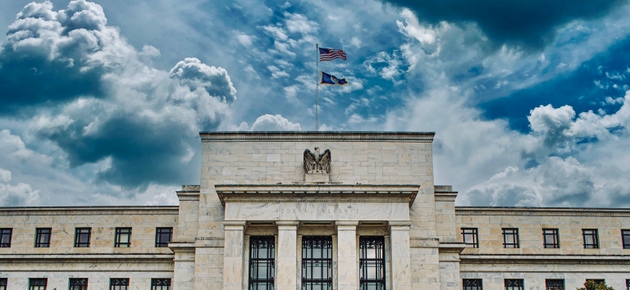
Fed expected to raise rates to 3.75–4.00% at September meeting
Why it matters: Fed tightening pressures risk assets, including bitcoin and the crypto market, raising volatility.

Forbes 400: Six Anthropic co-founders become billionaires as crypto wealth slips
Why it matters: The ranking shows capital shifting from crypto to AI, while public crypto companies have become notably riskier for large fortunes.

CoinShares: Bitcoin miners' shift to AI is now irreversible
Why it matters: The hashrate outflow to AI reduces capacity supply for BTC mining and reshapes the industry, affecting network difficulty and miner economics.

US 10-year Treasury yield tops 5% for first time since 2007
Why it matters: Rising US government bond yields increase pressure on bitcoin and risk assets by raising the alternative return on risk-free investments.

Bitcoin miners slip into losses: cost of $75,500 versus price of $58,400
Why it matters: Margin pressure is accelerating miners' exit and the conversion of their sites into AI data centers, which could reduce network hashrate and BTC supply from miners.