Cardano (ADA) news
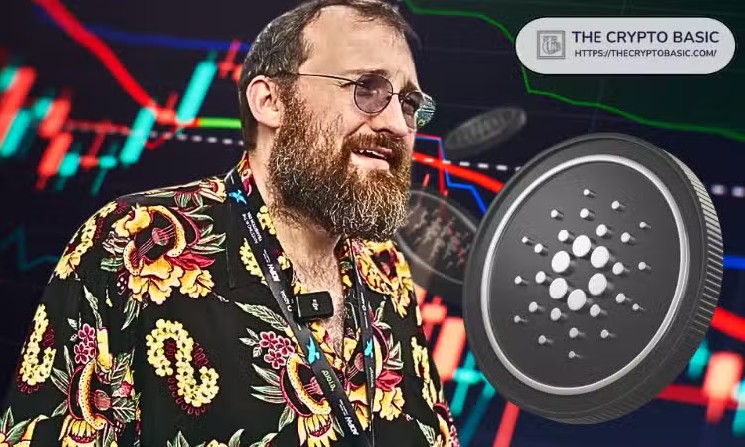
Hoskinson Urges Cardano Community to Support Midnight and Other Ecosystem Projects
Why it matters: Hoskinson's stance could influence perceptions of Midnight and the inflow of developers into the Cardano ecosystem.

Midnight shuts down DevRel team, bets on AI developer tools
Why it matters: The project is changing its approach to attracting builders amid debate in the Cardano community over reduced direct developer support.
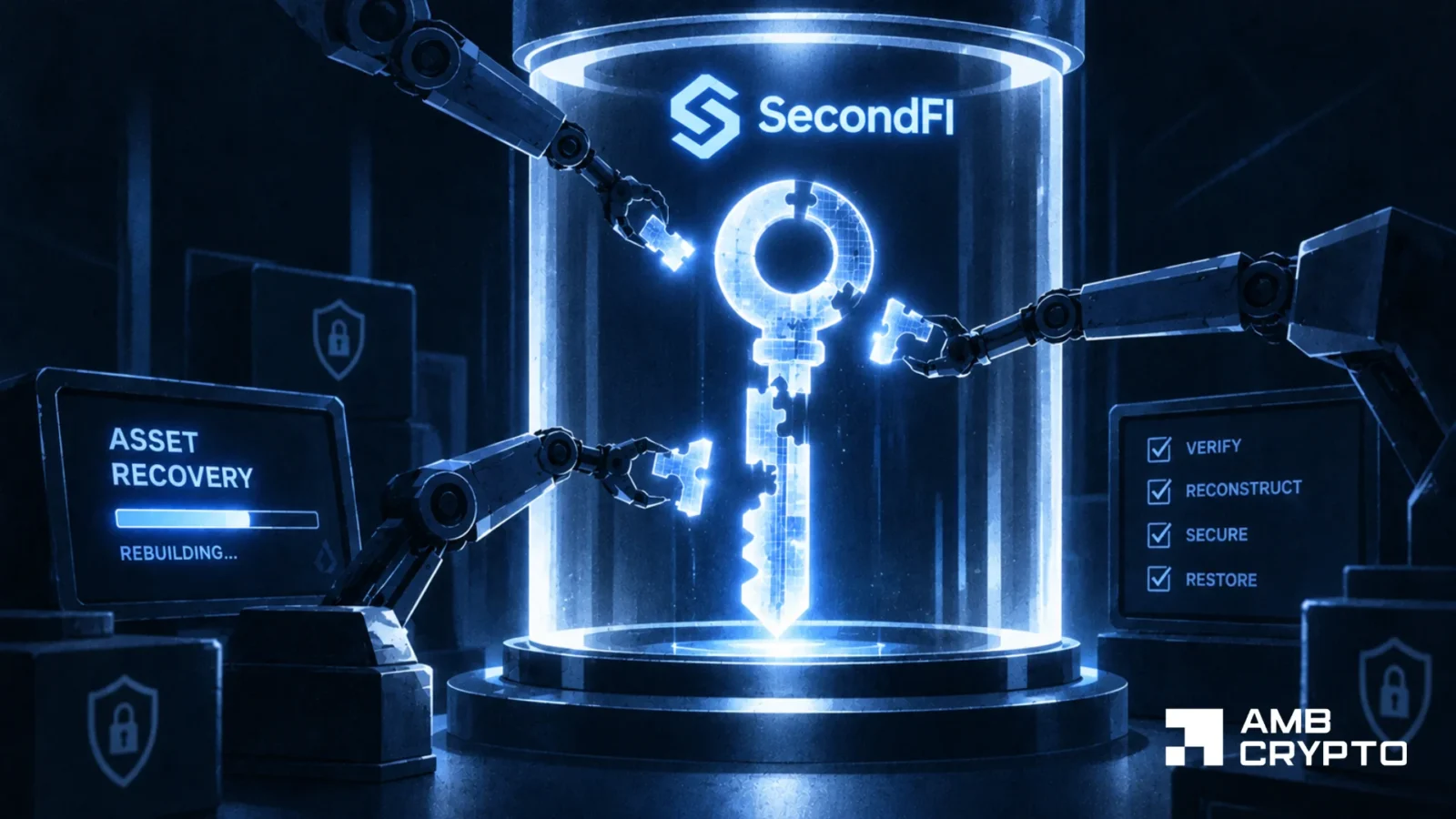
SecondFi Prepares Asset Recovery Tool After $2M Cardano Exploit
Why it matters: Recovering assets without revealing keys sets a standard for compensation after hacks in the Cardano ecosystem.
Cardano Gains Native Support in x402 Payments Protocol
Why it matters: Native support lowers the barrier for developers and expands the number of applications and AI agents accepting payments settled in Cardano.

ADA rebounds to $0.208, but smart money on Binance and Bybit turns bearish
Why it matters: Diverging signals across exchanges and weak network metrics point to uncertainty around ADA ahead of the Fed meeting and the CLARITY Act vote.

ADA trades 93% below its 2021 all-time high
Why it matters: ADA remains deeply below its 2021 peak, underscoring the altcoin's weak recovery amid expectations for the Leios upgrade.

Trader slams Cardano over weak network activity
Why it matters: The dispute highlights the gap between Cardano's technological promises and real adoption, weighing on ADA holders' confidence.

Cardano's Optim Finance loses OADA pool liquidity in exploit
Why it matters: OADA and O token holders risk losing funds: OADA has no direct redemption path into ADA other than swapping through the emptied pool.
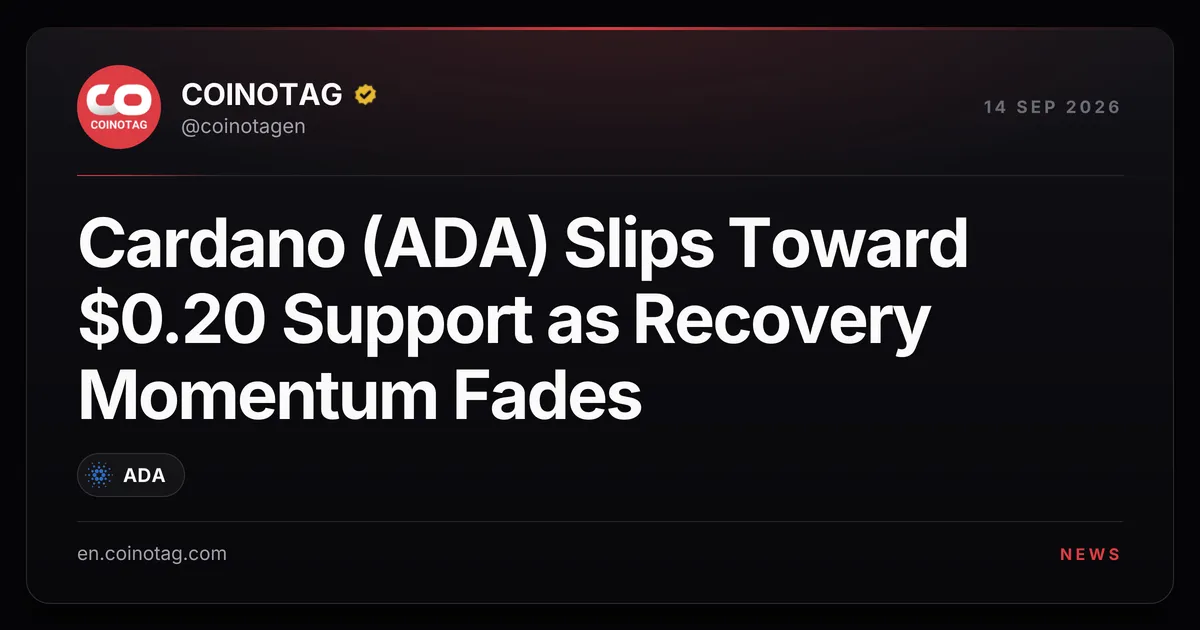
Cardano loses momentum and tests $0.20 support
Why it matters: A loss of the $0.20 level could open the way for further ADA declines and increase selling pressure.

Hoskinson: AI has devalued developer count as a growth metric
Why it matters: Shifting growth metrics from developer counts to real products could change how projects are valued, but it has not yet affected ADA's price.
Hoskinson: AI has devalued the developer count metric in crypto
Why it matters: A signal of shifting blockchain project evaluation metrics and a restructuring of Midnight's development strategy amid falling interest in ADA.
Hoskinson: AI has devalued the developer count metric in crypto
Why it matters: A shift in blockchain growth metrics from developer counts to real products could change how investors value projects.
Hoskinson: AI has devalued the developer count metric in crypto
Why it matters: A signal that the developer count metric is losing weight in blockchain valuations; for Cardano, a risk of coders leaving the ecosystem.
Hoskinson: AI has devalued developer count metric in crypto
Why it matters: A shift in growth metrics could affect how L1 network activity is valued and the inflow of developers into the Cardano ecosystem.