Crypto regulation news

CLARITY Act stalls again as Senate splits over ethics rules
Why it matters: Delays to the CLARITY Act prolong US regulatory uncertainty and weigh on sentiment for BTC, ETH, XRP and SOL.
CLARITY Act faces mounting opposition from Warren, 18 state AGs and banks
Why it matters: The multi-front opposition lowers the odds of the CLARITY Act passing, delaying regulatory clarity for the entire U.S. crypto market.

Crypto market slips back to $2.65T after Democrats' counterproposal on CLARITY Act
Why it matters: The outcome of the CLARITY Act vote and the Fed's September 16 decision will set the market's direction: a break of the $75–82K range risks a cascade of liquidations.

Thailand's SEC: crypto trading turnover rose to 1.66 billion baht per day in August
Why it matters: Rising activity in Thailand points to a recovery in Asian retail demand, though turnover remains below levels seen two years ago.
Banks reject Bessent's CLARITY Act 'safeguard' ahead of vote
Why it matters: A failed vote would delay U.S. crypto regulation and hit expectations for stablecoins and DeFi.

Bitcoin at $77,000: analysts warn of crash risk ahead of CLARITY Act vote
Why it matters: The vote outcome and the Fed meeting will set the market's direction: a failed bill would deepen regulatory uncertainty and selling pressure.

Lawmaker Kang Jun-hyeong: Crypto Exchange Ownership Cap Should Be Debated Separately From Digital Asset Act
Why it matters: Whether the ownership cap is removed from the base law will determine the pace of crypto regulation in Korea and the structure of the local exchange market.

IRS: Form 1099-DA Will Leave a Cost-Basis Gap for External Assets
Why it matters: Investors who moved crypto between wallets and exchanges risk double taxation without their own purchase records.
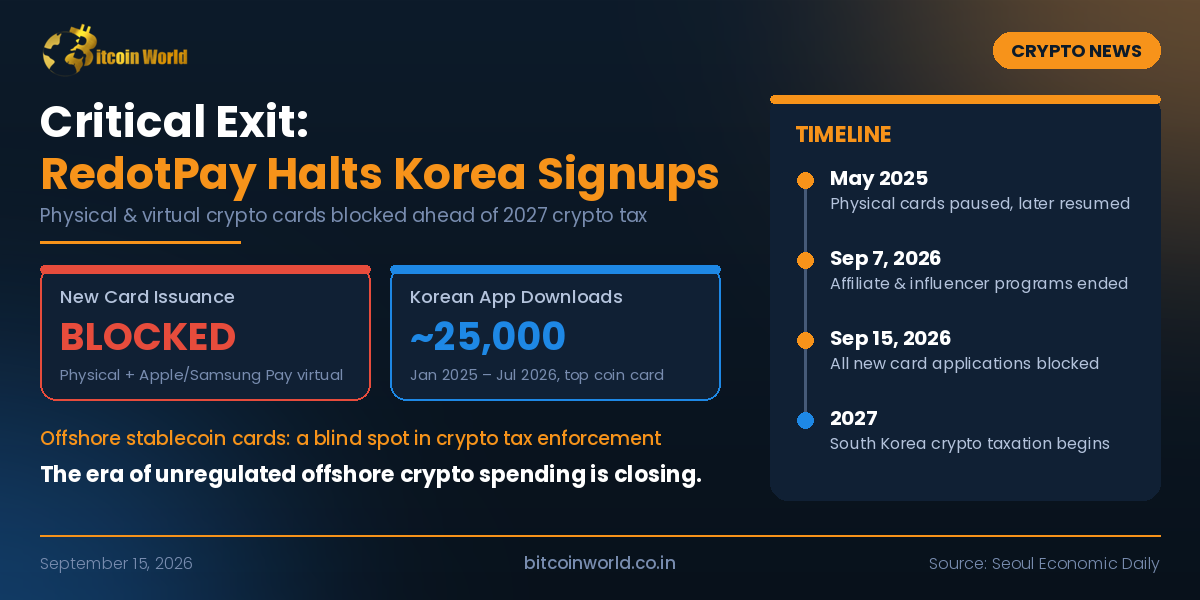
RedotPay Halts Crypto Card Issuance in South Korea Ahead of Crypto Tax
Why it matters: Offshore stablecoin cards are losing access to the Korean market, increasing pressure on users to seek local regulated alternatives.

Garlinghouse Urges Senate to Advance CLARITY Act Before Procedural Vote
Why it matters: A failed procedural vote would delay U.S. crypto regulation and leave the market in uncertainty through the end of the year.

Naver-Upbit deal faces ownership rule conflict in South Korea
Why it matters: The final exchange ownership rules will determine the structure of the Naver-Dunamu deal and set the framework for consolidation of Korea's crypto market.

Lawyer Deaton: partisan fight could kill CLARITY Act, XRP holds above $1.40
Why it matters: Failure of the CLARITY Act would keep regulatory uncertainty in the US and could increase pressure on altcoins, including XRP.
Lummis: CLARITY Act would let all US banks freely buy and hold bitcoin
Why it matters: Allowing banks into bitcoin could give the market access to $20 trillion in US insured deposits, but the Senate vote outcome remains uncertain.
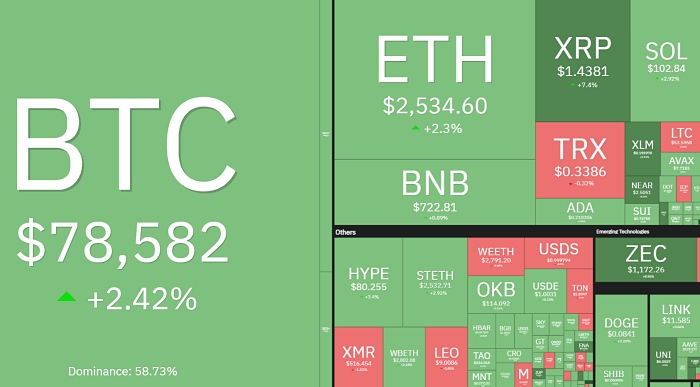
Bitcoin rises to $78,582 ahead of procedural vote on CLARITY Act
Why it matters: The outcome of the procedural vote will determine whether the CLARITY Act reaches final passage and whether XRP and XLM are cemented as digital commodities.
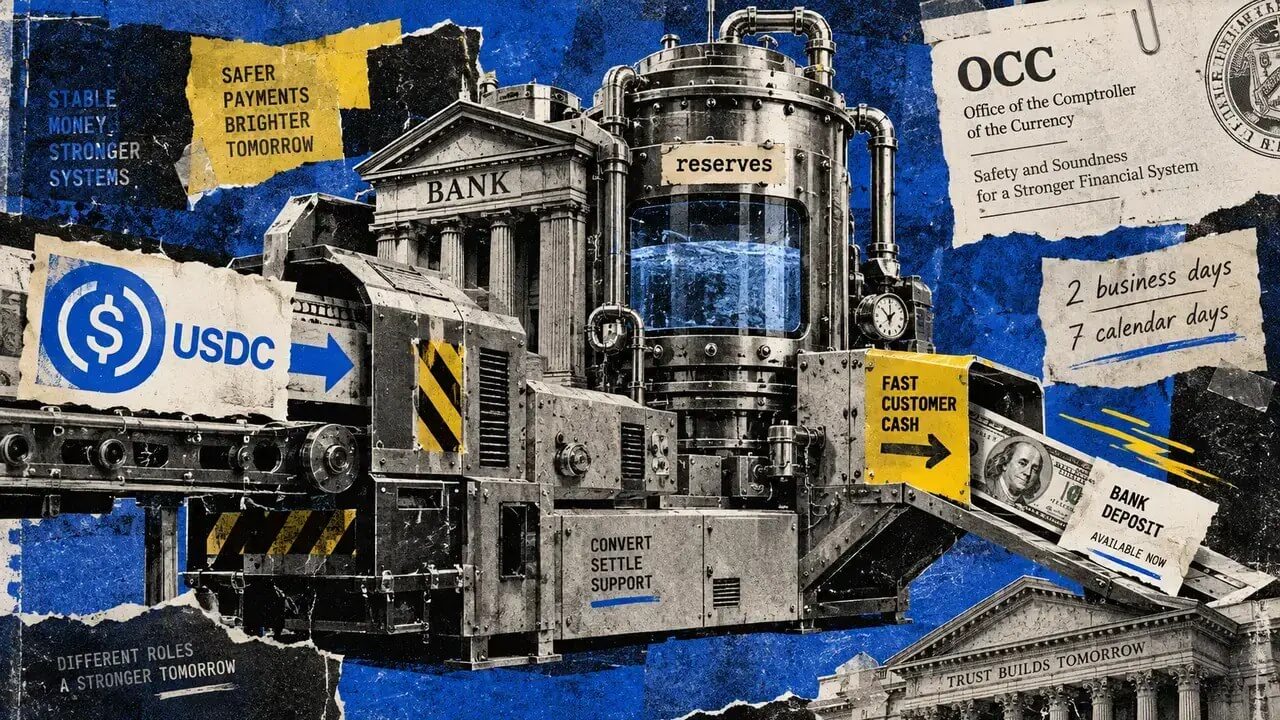
OCC proposes 7-day stablecoin redemption window during demand spikes
Why it matters: The rules will determine how quickly holders of USDC and other stablecoins can convert tokens into bank dollars during demand spikes.
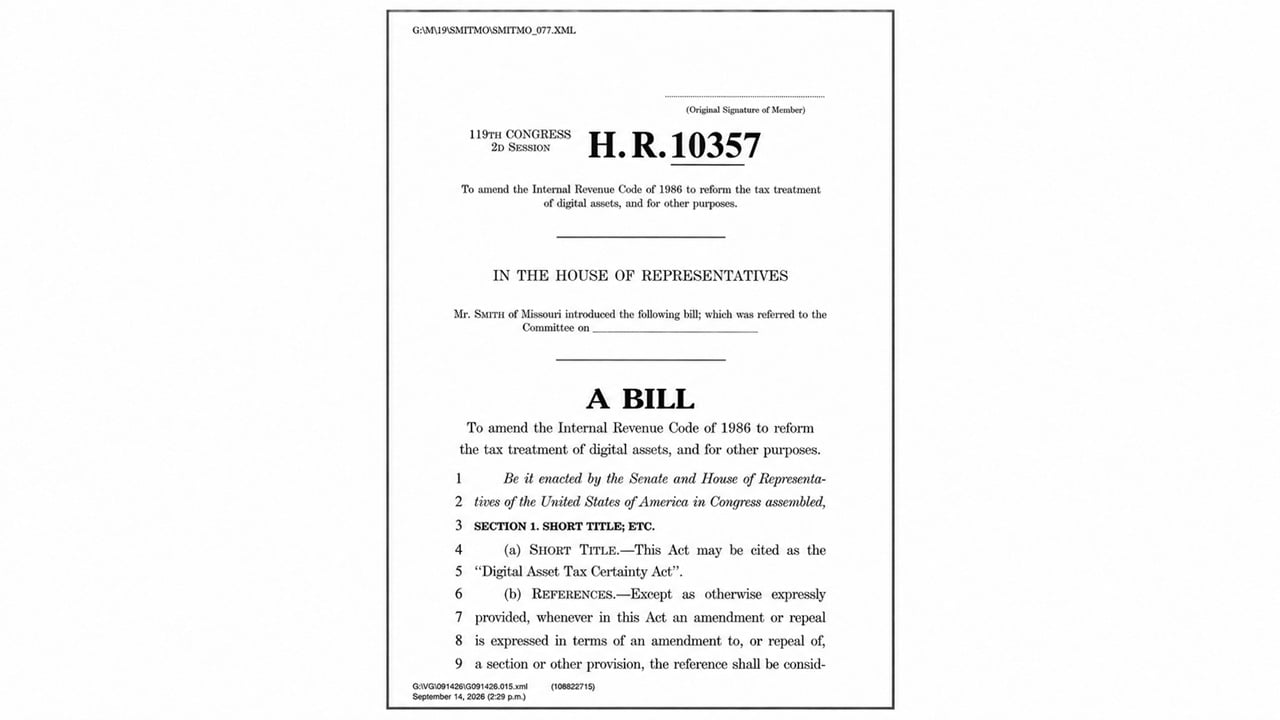
U.S. crypto tax bill unveiled: fees up to $10 exempt
Why it matters: Eliminating the tax on small fees would simplify crypto transactions, but the bill's fate remains uncertain until the end of the year.

Bitcoin falls 3% to $79,530 ahead of procedural CLARITY Act vote
Why it matters: The outcome of the vote will set the market's next direction: starting debate on the law could strengthen expectations for U.S. crypto regulation.

Digital X and Shinhan Bank hold seminar on new phishing threats
Why it matters: Tighter South Korean phishing regulation raises requirements for crypto platforms and their cooperation with banks.

Analysts: XRP could rise 40% on CLARITY Act vote, but risk remains
Why it matters: The CLARITY Act will determine who regulates tokens in the U.S.; for XRP, which spent years in litigation with the SEC, this is a key uncertainty factor.

South Korea finds conflict between crypto exchange ownership cap and holding company law
Why it matters: The final design of the regulation will determine whether large conglomerates can own crypto exchanges in Korea.