Bitcoin price and crypto market news

Monero Jumps 8.33% to $569.94, Touching Intraday High of $631
Why it matters: XMR's rally signals demand for privacy assets as a relative haven amid US regulatory uncertainty.

Solana Tests $115 Resistance as Market Structure Turns Bullish
Why it matters: A weekly close above $115 would confirm the trend reversal, while losing $96 would shift focus back to the $80–90 demand zone.

ZEC rises 4.4% to $1,516, approaching $1,581 resistance
Why it matters: ZEC remains the leader of the privacy-token rally, but overbought readings raise the risk of a pullback toward its moving averages.

EOS Climbs 15% in Broad Crypto Rally
Why it matters: The gain may signal renewed interest in legacy L1 tokens as the wider market rallies.

BNB Jumps 4.54% to $781.86, Pressing 90-Day High
Why it matters: A break above $784.76 would confirm trend continuation, while a rejection keeps BNB range-bound; amid the altcoin rotation it signals broader market strength.

Bitcoin Jumps 5.31% to $84,666, Breaking 90-Day Ceiling
Why it matters: The break above the 50-week moving average has historically preceded bull cycles, though overbought readings raise the risk of a near-term pullback.

Ethereum Jumps 5.51% to $2,721, Up 9.2% on the Week
Why it matters: The break above $2,600 on strong volume and rising open interest confirms ETH's recovery, but overbought readings near $2,746 raise pullback risk.

Bitcoin Briefly Tops $85K on Unverified Clarity Act Vote Rumor
Why it matters: The move shows how quickly crypto markets react to unverified legislative headlines, raising the risk of sharp reversals without official confirmation.

BTC at $85,000: RSI overbought on every timeframe
Why it matters: The trend remains bullish, but short-timeframe overbought conditions raise the risk of consolidation or a pullback toward $82,000.
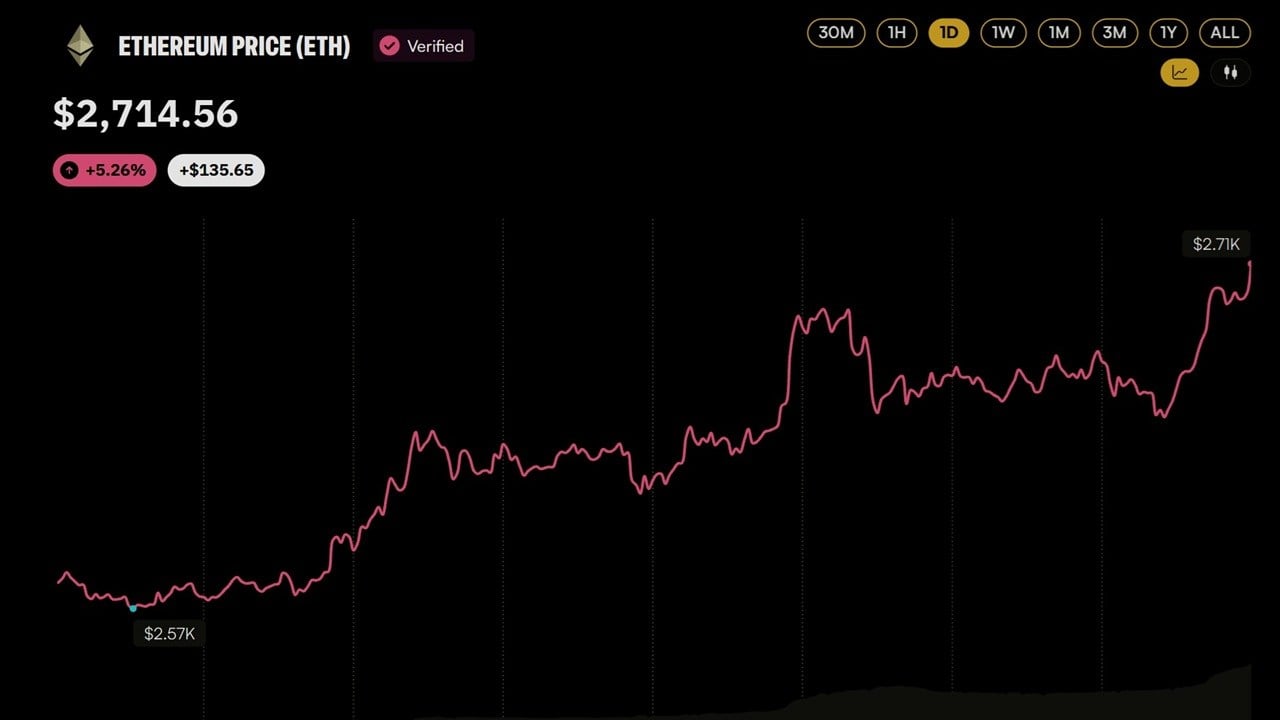
Ethereum Clears $2,700 as Two Whales Pour $106M Into ETH
Why it matters: Whale-led buying with staking, rather than ETF inflows, is powering ETH's move, reducing the risk of coins being quickly dumped on exchanges.

Bitcoin tops $85,000, Ethereum hits $2,700 as $746M in futures liquidated
Why it matters: A short squeeze is fueling the rally, but a greed-level sentiment index raises the odds of a near-term pullback.

JUP Jumps 15% to $0.31 as Tokenized Stocks Boom on Solana
Why it matters: JUP's rally highlights tokenized equities as a growing demand driver for Solana infrastructure tokens; holding $0.30 opens the path to $0.35.

Ki Young Ju: Bitcoin reclaims 365-day moving average above $83K
Why it matters: Reclaiming the long-term average is a trend-shift signal that could accelerate capital inflows into BTC.
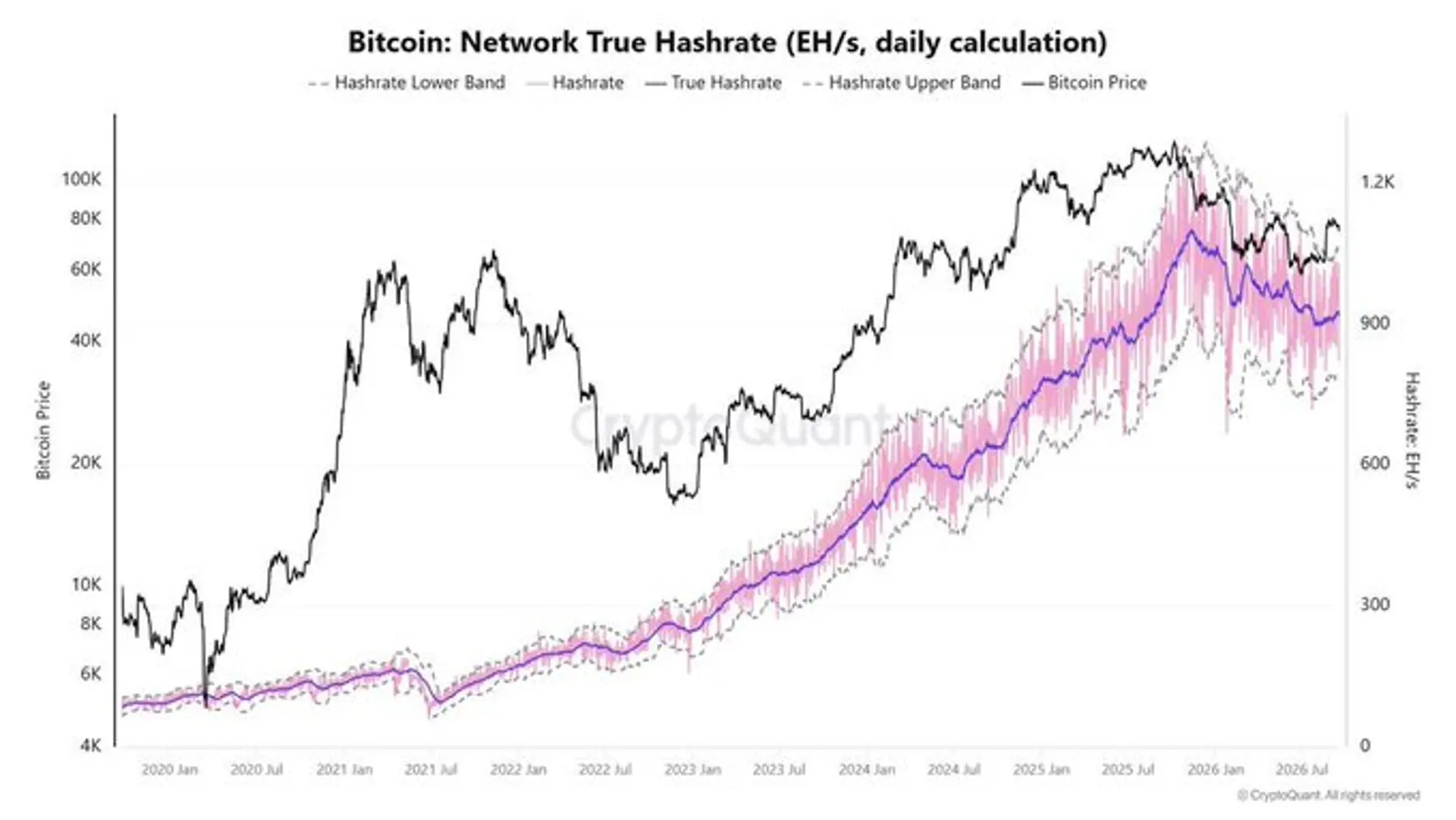
Bitcoin Hashrate Resumes Growth After Decline, CryptoQuant Data Shows
Why it matters: A recovering hashrate suggests miners are returning to the network, which could ease selling pressure on BTC.
BTC Breaks $85K, ETH Tops $2,750: Two Addresses Liquidated for Over $26M in Shorts
Why it matters: The sharp move in BTC and ETH forced out large shorts, potentially adding fuel for further upside.

Bitcoin Breaks Above $84,000 on ETF Inflows and $445M Short Squeeze
Why it matters: Holding above $85,000, the ETF cost basis, opens the door to $88,000–90,000; losing $77,500 would invalidate the breakout.

JPYC: Over Half of Global Spot Volume Comes From Korea, Turnover Up 503x
Why it matters: The Korean listing and integration with the UniFi wallet in LINE sharply expanded demand for the yen stablecoin, intensifying competition in the non-dollar stablecoin segment.
Bitcoin breaks above $85,000, up 5.05% on the day
Why it matters: The break above $85,000 marks a fresh local high and signals strengthening bullish momentum across the market.
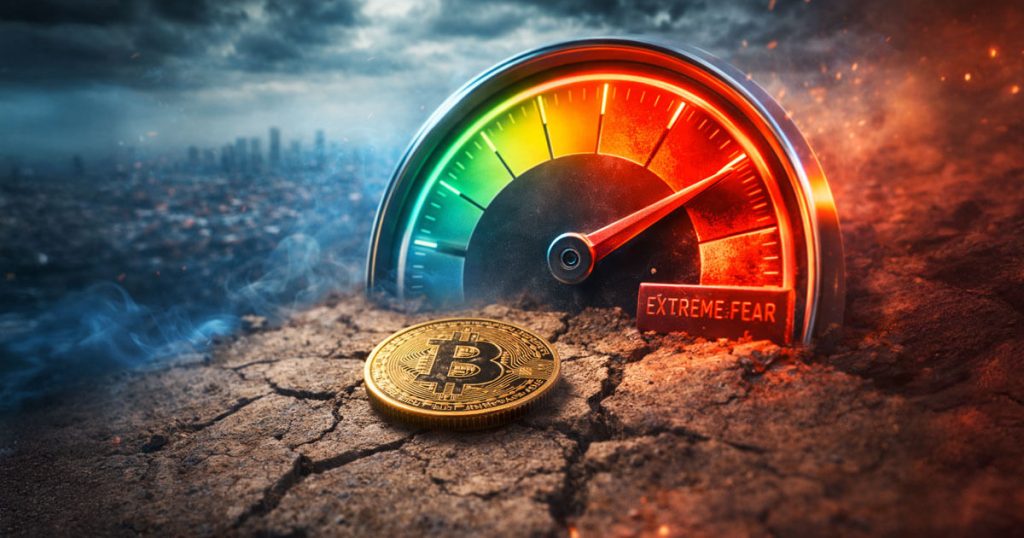
Crypto Fear and Greed Index Rises to 72
Why it matters: A greed-zone reading points to elevated risk appetite, which historically raises the odds of a pullback.
Kevin O'Leary: Bitcoin will hit $1M, but quantum computing is the key risk
Why it matters: A signal that institutional demand for BTC is constrained by technical risks, not just regulation.