Bitcoin price and crypto market news

WLD climbs 14.73% to $0.416 amid market-wide short squeeze
Why it matters: WLD's rally stems from a market-wide short squeeze rather than its own catalyst, raising the risk of a pullback if momentum fades.
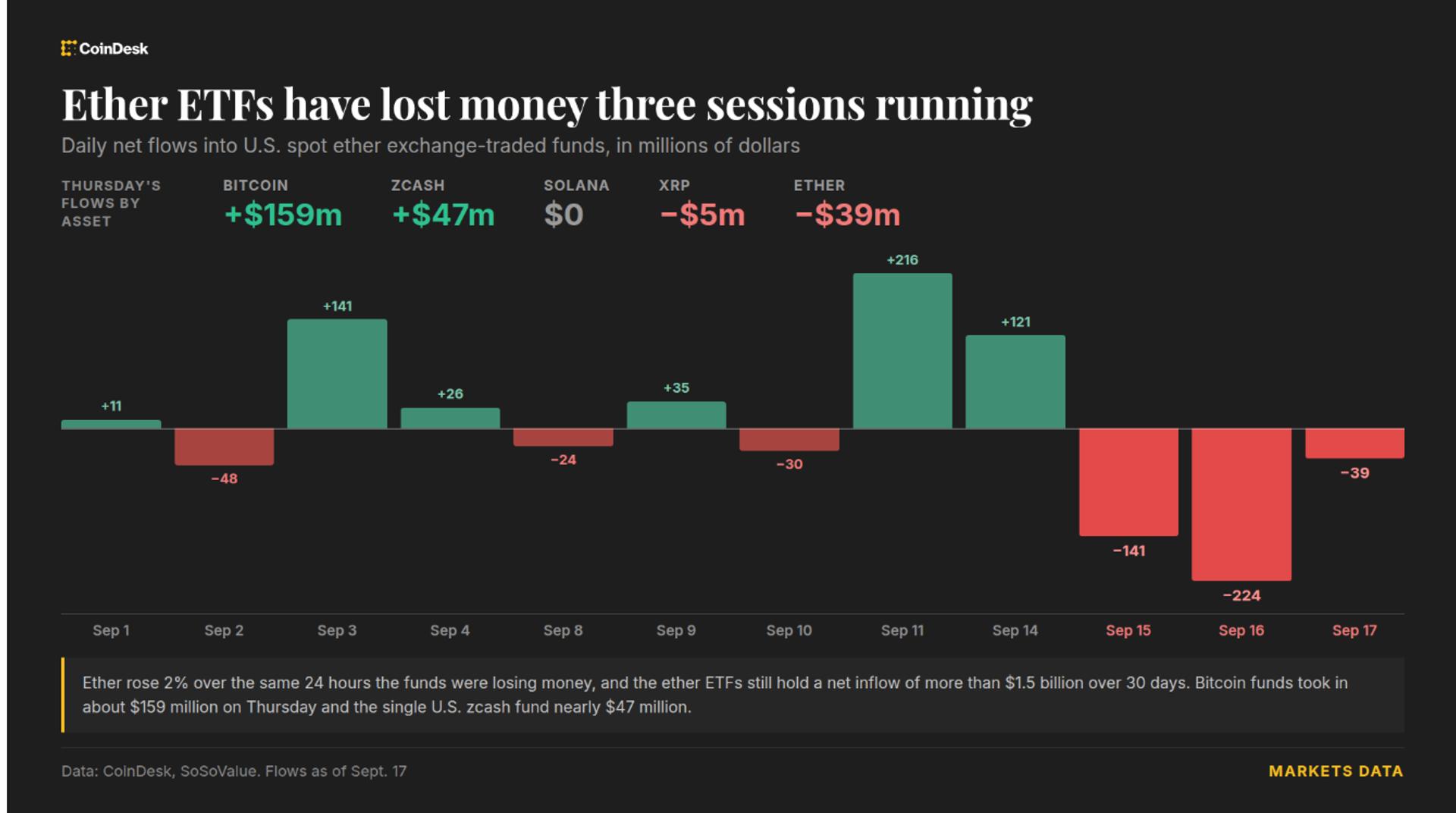
Ethereum ETFs see third straight day of outflows; bitcoin above $77,000
Why it matters: Outflows from ETH funds even as the token's price rises show institutions are cutting exposure, while demand shifts toward BTC and ZEC.

JUP jumps 18.44% to $0.255 as DeFi sector rebounds
Why it matters: The rebound may be mechanical after the liquidations rather than structural — without a catalyst from the protocol itself, the rally risks reversing.

PONS climbs 25.21% to $0.742, closing in on all-time high
Why it matters: The rebound confirms recovering demand for the token after the CLARITY Act failure, but 373% volatility threatens a swift reversal.

RAY surges nearly 30% to $1.65 amid short squeeze
Why it matters: Part of the gain was driven by a mechanical short squeeze, raising the risk of a sharp pullback if $1.72 is breached.

APT jumps 23% to $0.67 on volume 79% above average
Why it matters: The sharp volume-driven rally points to a short squeeze and capital rotation into mid-cap altcoins, but without a fundamental catalyst the move is vulnerable to a pullback.
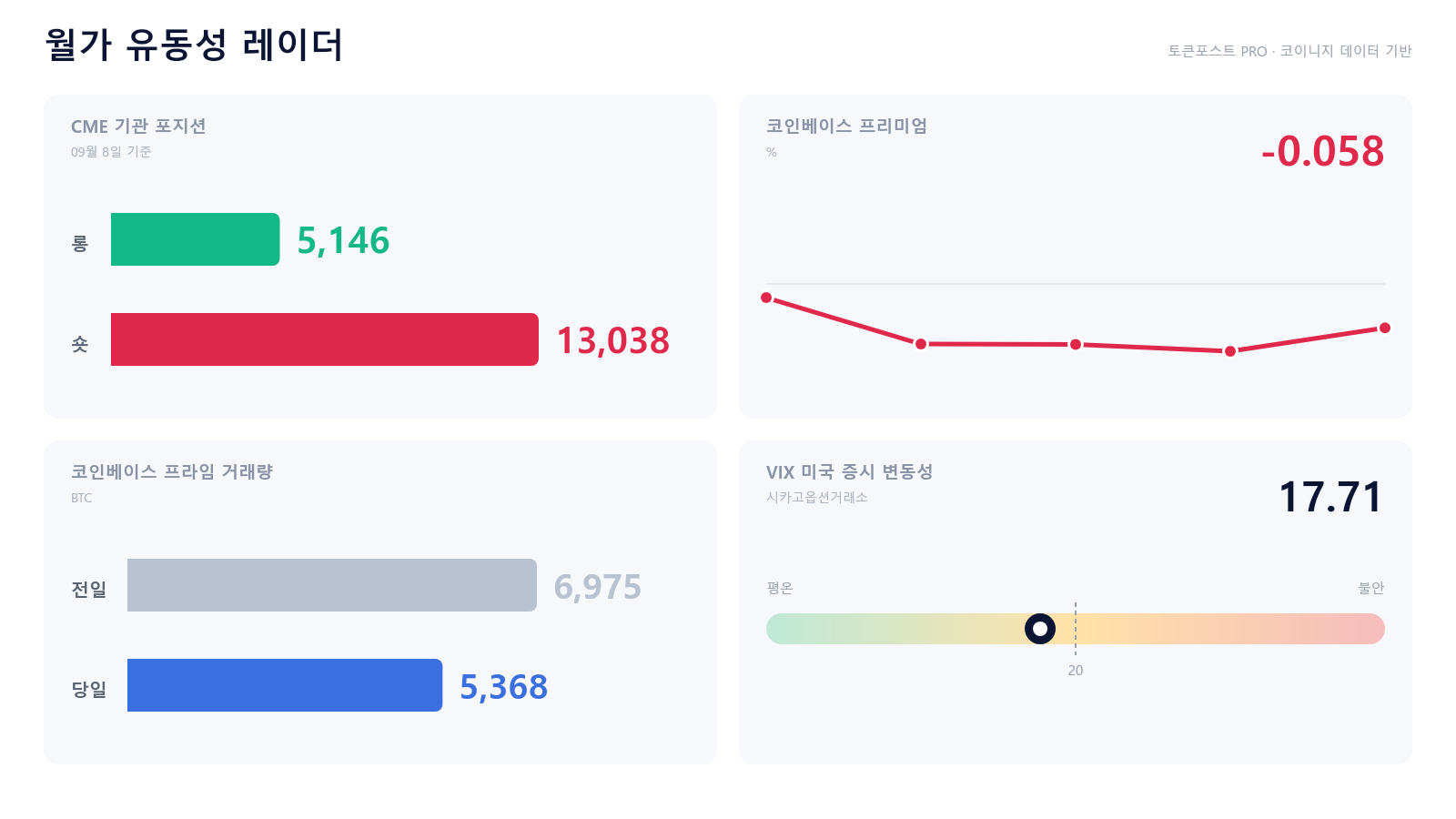
Coinbase Premium negative for fifth day, Prime volume drops 23%
Why it matters: A return of the premium to positive territory and a rebound in Prime volume would signal recovering demand from U.S. institutions.

SUI rises 12% to $0.775, breaking out of sideways range
Why it matters: The rebound looks tactical: for a trend change, SUI needs to hold above its SMA-200 at $0.8421.

Litecoin Jumps 6.46% to $54.45, Breaking Above Prior Day's Range
Why it matters: A rebound without volume confirmation may fade at $54.54 resistance as the market tests whether seller pressure after the CLARITY Act failure has been exhausted.

NEAR Surges 46.55% to $3.44 on Fourfold Volume
Why it matters: NEAR's rally amid bitcoin ETF outflows points to capital rotation into altcoins, but overbought conditions raise the risk of a pullback.

Bonk Guy's Portfolio Gains $2.5M in a Day, Assets Top $19M
Why it matters: The activity of a major memecoin trader reflects continued interest in speculative tokens on FOMO.

Bankless Co-Founder Hoffman Sold ETH for 5 Altcoins: LIT +272%
Why it matters: The case shows that rotating out of ETH into altcoins in May delivered multiples of the returns, reinforcing the altseason narrative.

Cardano Rebounds 9.37% to $0.214 After CLARITY Act Failure
Why it matters: The rebound shows demand for altcoins recovering after the regulatory shock, but trend confirmation depends on holding above the 200-day SMA.

Long.xyz Founder Turns $3,800 in Artificial Inu Memecoin Into $2.92M
Why it matters: Another example of outsized memecoin returns, but the profit is unrealized and depends on the token's volatile price.
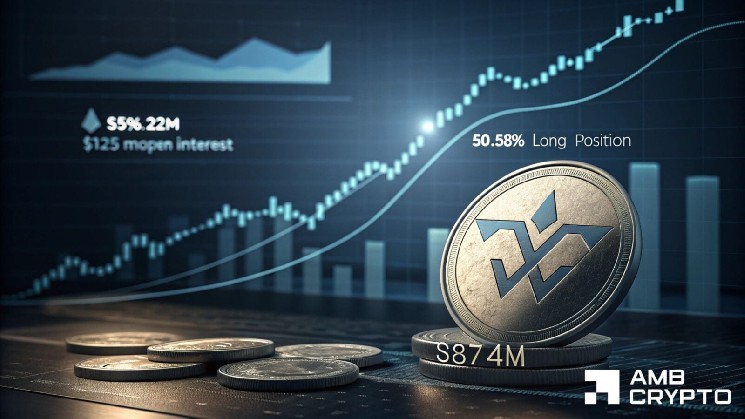
VVV Rises 15% on Record Staking and Growing Open Interest
Why it matters: The price gain is backed by record staking and open interest; the nearest target is the $22.72 million liquidity cluster at $30.

ZEC Jumps 32% to $1,514 Amid Long Liquidations and $51M Short
Why it matters: Extreme overbought conditions (RSI 79.2) and a large institutional short create the risk of a sharp correction or a short squeeze.
Spot Ethereum ETFs see third straight day of outflows: $39.2M in a day
Why it matters: Continued outflows from ETH ETFs signal weak institutional demand for Ethereum amid market pressure.

Bitcoin rises 2.11% to $77,377, tests $77,500 resistance after Fed decision
Why it matters: A rally without volume suggests reduced selling rather than capital inflow; a break above $78,200 will determine the next direction.

Bitcoin rises to $77,308 as trading volume falls 26.8%
Why it matters: Price gains without volume and BTC inflows to exchanges point to weak buyer confidence and pullback risk.
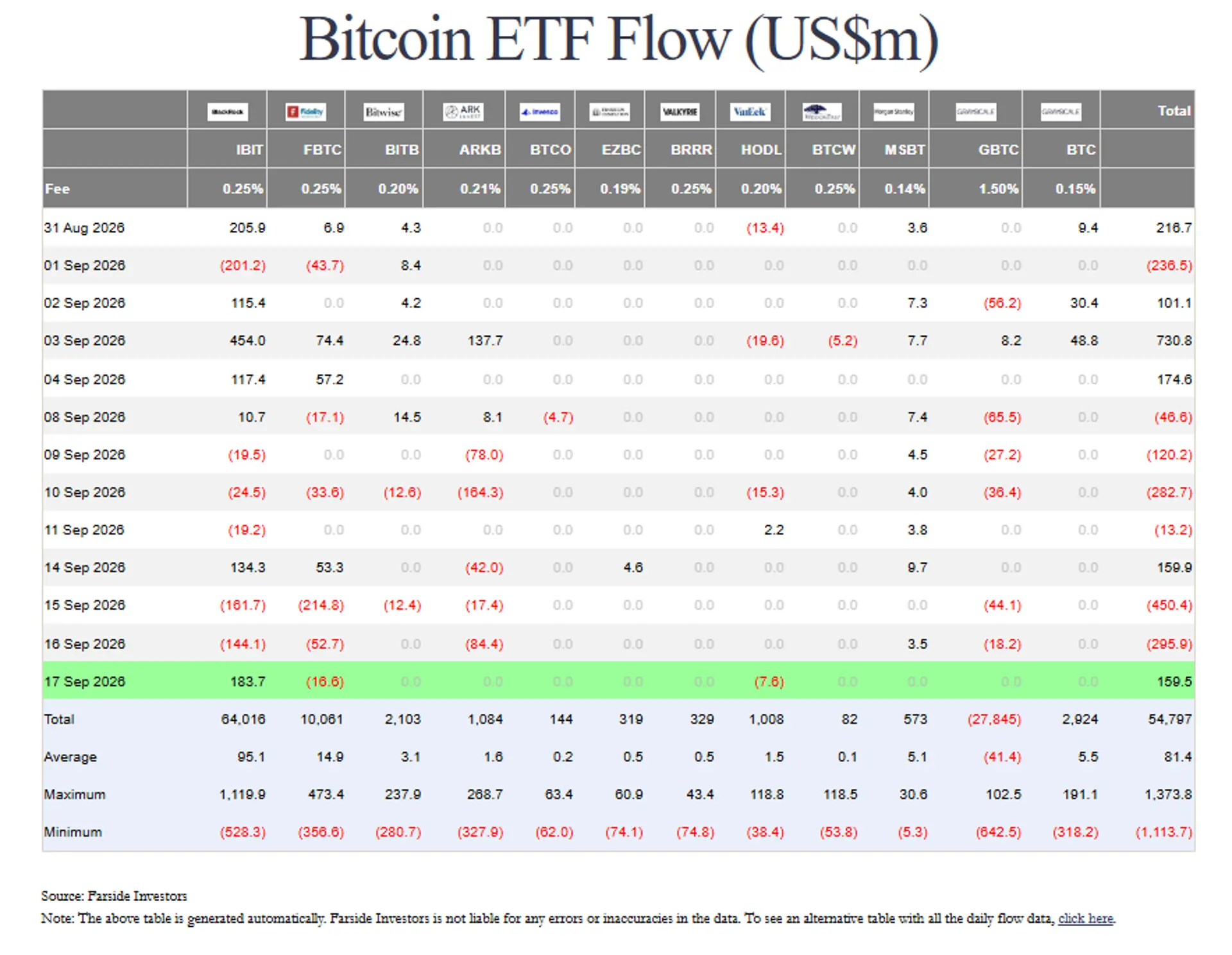
US spot bitcoin ETFs draw $159.5M, led by BlackRock's IBIT
Why it matters: The return of inflows signals a recovery in institutional demand for bitcoin after two days of selling.