Bitcoin price and crypto market news
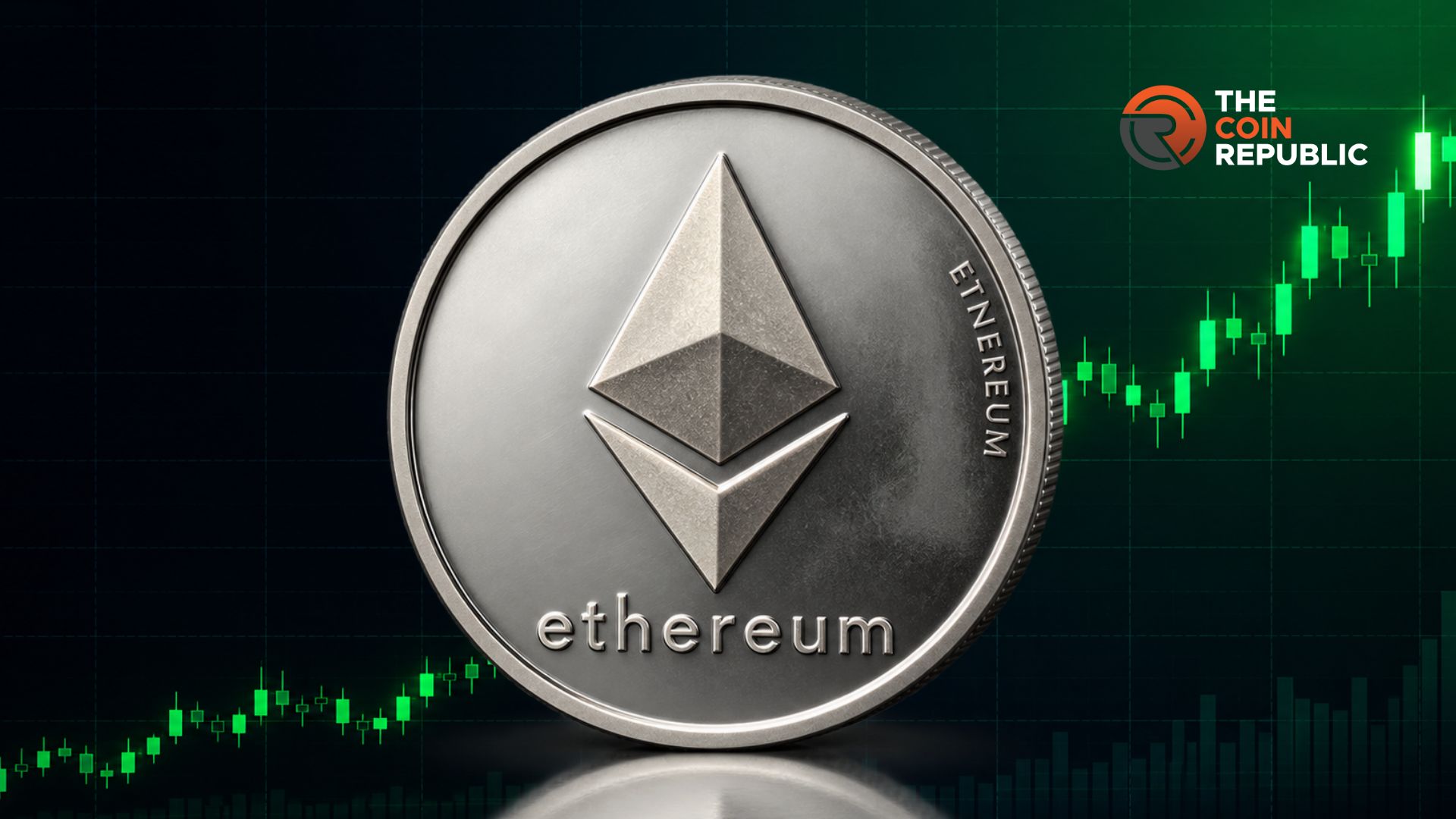
Ethereum breaks $2,550 resistance, traders eye $3,000
Why it matters: Holding the $2,530–2,550 zone keeps the $2,700–3,000 target alive, while a break below $2,500 raises the risk of deleveraging amid high leverage.

NEAR rises 15.28% to $4.23 on highest 30-day volume
Why it matters: Momentum is supported by the launch of perpetuals on Hyperliquid, but extreme overbought conditions raise the risk of a correction.

AVAX jumps 33.5% to $11.19 amid NYSE and ICE tokenization interest
Why it matters: NYSE and ICE interest in tokenization on Avalanche could drive a sustained institutional re-rating, but the extreme RSI raises the risk of a 10-20% correction.

Cardano holds near $0.226 after regulatory rebound
Why it matters: Weakening volume casts doubt on the rebound's durability: further gains require a confirmed break above $0.229.
Glassnode: options share of Bitcoin open interest rose from 25% to 50%
Why it matters: Options are becoming the primary tool for hedging and volatility trading, displacing futures and shifting the balance of power among exchanges.
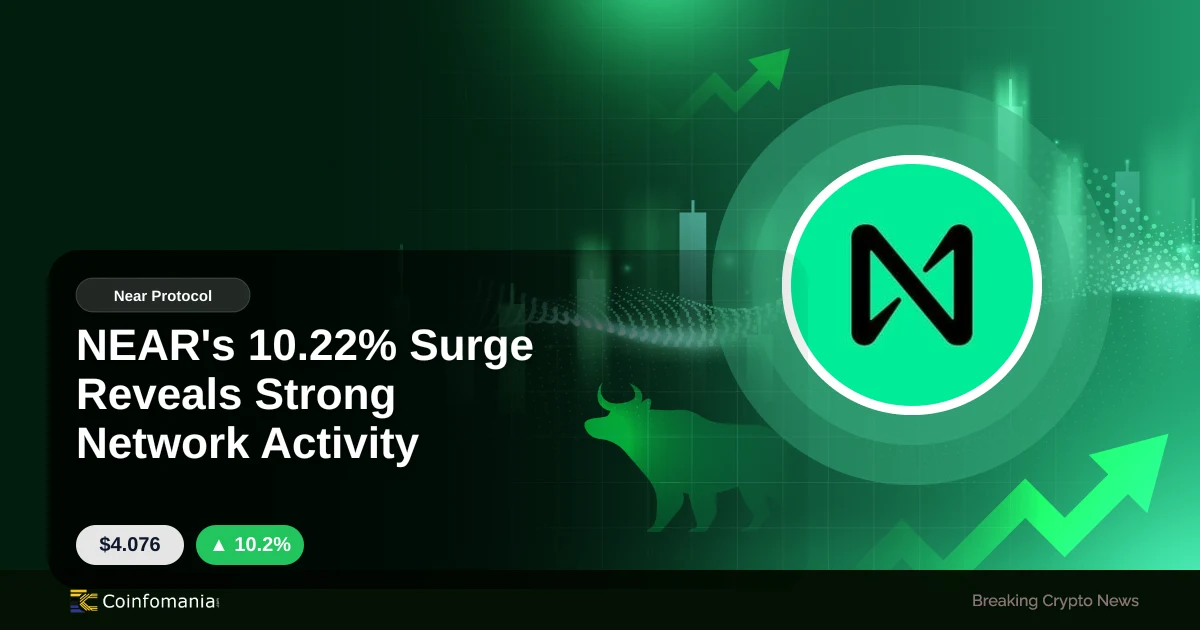
NEAR rises 10.22% to $4.076 amid increased network activity
Why it matters: The rally without an obvious catalyst points to strengthening demand and activity on the NEAR network.

TRX rises 1.85% to $0.344, pressing on weekly high
Why it matters: The launch of TRX futures on MOEX on September 22 will broaden access to TRX derivatives and could boost volatility and volumes.
Bitcoin breaks above $81,000, up 0.11% on the day
Why it matters: Bitcoin holding above $81,000 keeps the door open for a test of $82,000 resistance.
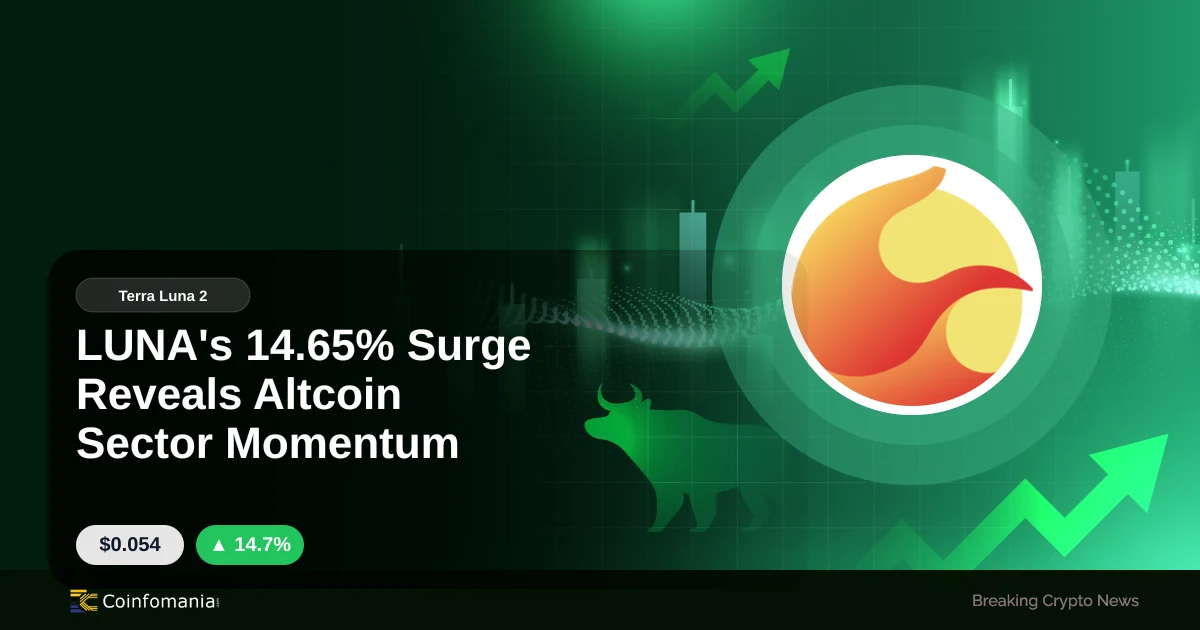
LUNA jumps 14.65% in an hour to $0.054
Why it matters: LUNA's rally reflects capital rotating into altcoins, but thin volume leaves the move vulnerable to a pullback.
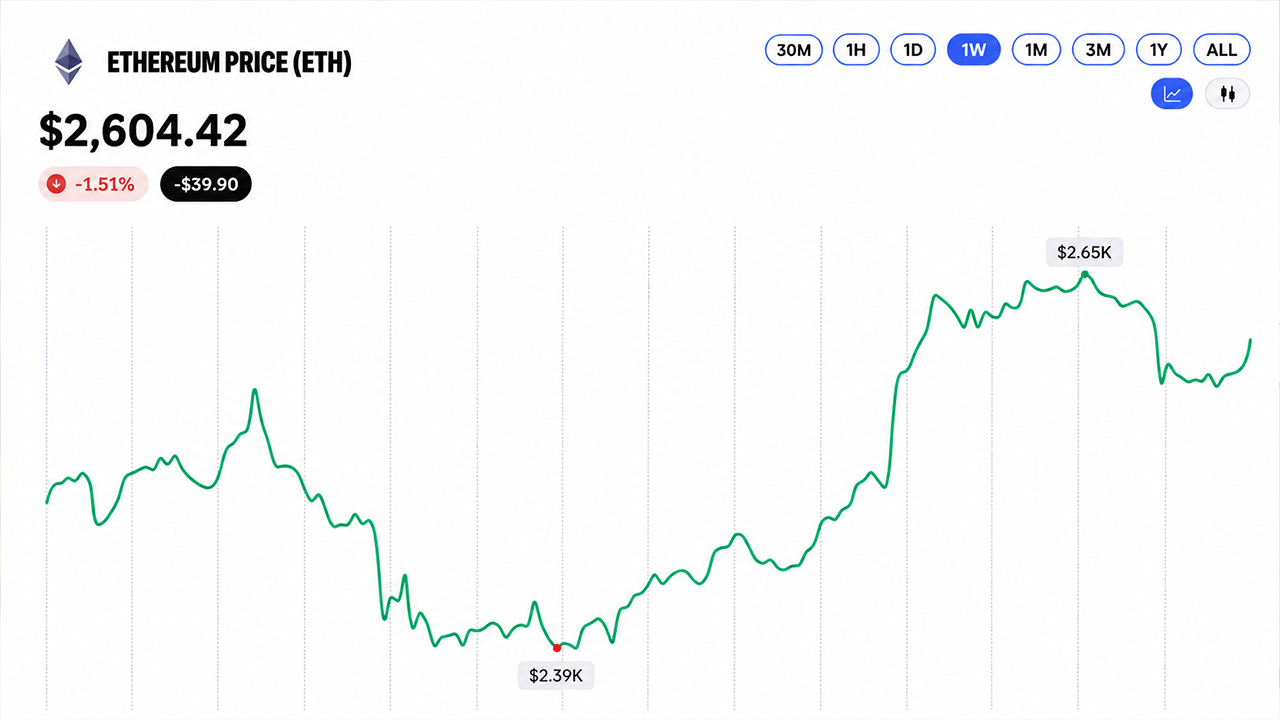
Ethereum retreats from $2,668 to $2,600, still 47% below October 2025 peak
Why it matters: ETH's next leg higher depends on ETF inflows, ETH/BTC momentum and a successful Glamsterdam launch in Q4.

Machi's long position shrinks to $95.16 million as ETH, BTC cut and HYPE raised
Why it matters: A large trader trimming ETH and BTC exposure while adding HYPE signals rotation in favor of the Hyperliquid token.

Storj reserves on Binance fall to six-month low
Why it matters: A shrinking STORJ supply on exchanges could reduce selling pressure, but rising on-chain activity points to token redistribution.
Crypto market sees $316 million liquidated in 24 hours: $183 million longs, $133 million shorts
Why it matters: Two-way liquidations signal high volatility and uncertainty over market direction.

Solana leads altcoins: +9% weekly, record network activity and ETF inflows
Why it matters: Record on-chain activity and ETF inflows could give SOL fuel to continue its rally and altcoin leadership in October.

Bitcoin holds near $80,000 as traders debate next move
Why it matters: A breakout above $82,000 would confirm an upward reversal, while losing $77,000 would open the path to $69,000.

Glassnode: corporate treasuries bought only 5,900 BTC in three months and slipped into the red
Why it matters: A return above $80,500 would bring treasuries back into profit and ease some selling pressure; for now, their entry price acts as a ceiling.
XRP ETFs extend inflow streak to 10 weeks, SOL ETFs to 12
Why it matters: Institutional demand for XRP and SOL remains resilient even amid regulatory and macroeconomic shocks, supporting the assets' prices.

Grayscale boosts Zcash holdings in ZCSH ETF by 28% to 596,269 ZEC
Why it matters: Nearly 3.5% of ZEC's supply is locked in a single fund, constraining supply and adding upward pressure on the privacy coin's price.

Glassnode and Bybit: Bitcoin up 28% over two years, median altcoin down 74%
Why it matters: The data confirms the absence of capital rotation into altcoins: risk for holders of mid-tier tokens remains high, while liquidity concentrates in BTC.

XRP leads trading volume surge on Upbit and Bithumb with $213.8 million in a day
Why it matters: Volume spikes in Korea often precede increased volatility and point to local retail demand.