Macro and traditional finance
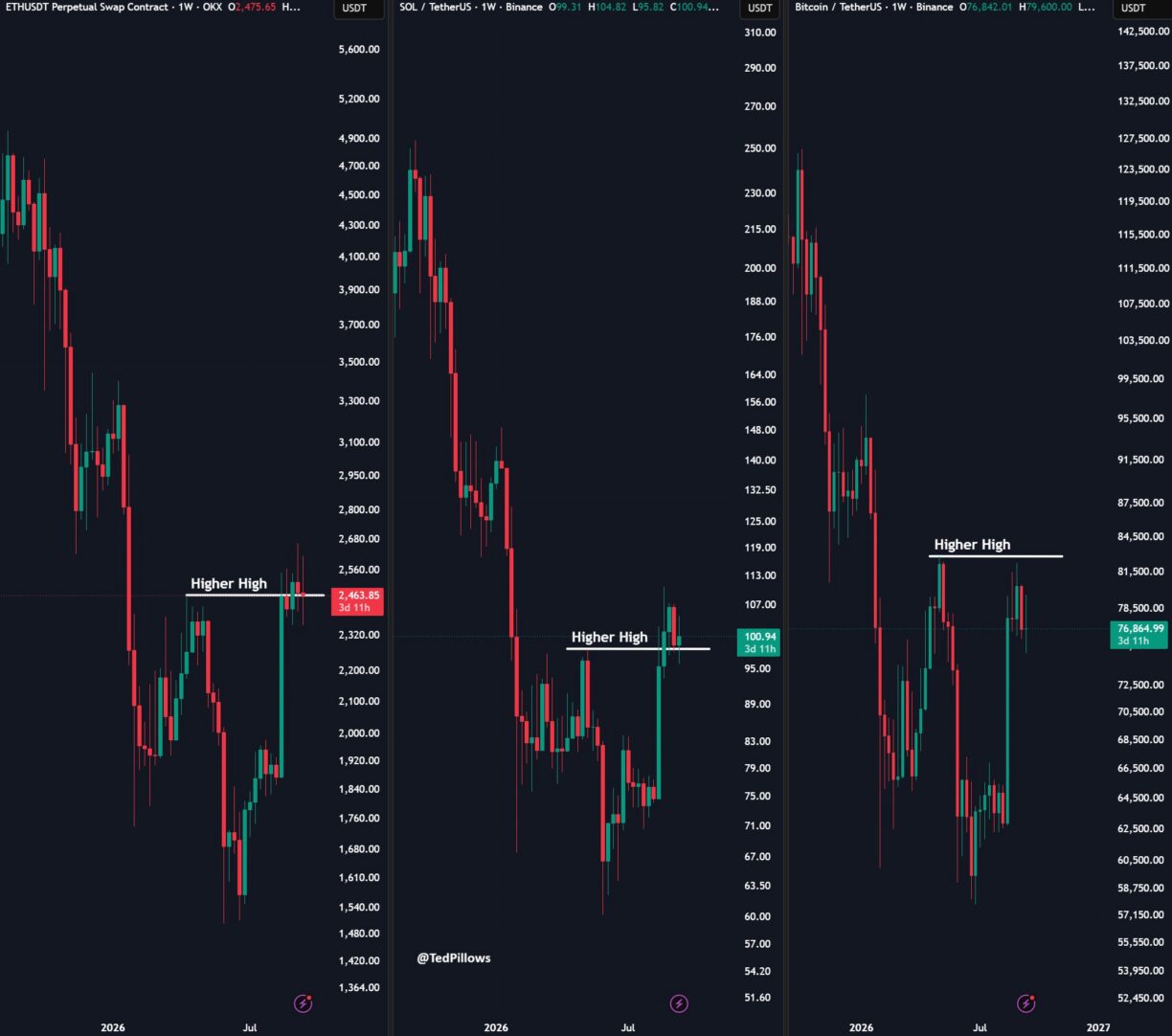
US jobless claims fall to 196K, bitcoin briefly hits $76,800
Why it matters: A strong labor market reduces the chances of near-term Fed easing, weighing on risk assets including bitcoin.

Bank of England cuts QT pace to £46 billion a year and drops direct long-gilt sales
Why it matters: A slower QT reduces pressure on long-term rates and global liquidity, which typically supports risk assets, including crypto.

Dudley: Fed's 0.25 pp rate hike is too little
Why it matters: A longer tightening cycle weighs on risk assets including bitcoin, but boosts revenues for stablecoin issuers.

Warsh explains Fed rate hike logic to Trump
Why it matters: Higher rates raise the cost of capital and weigh on risk assets including crypto, while the Fed's conflict with the White House adds uncertainty.
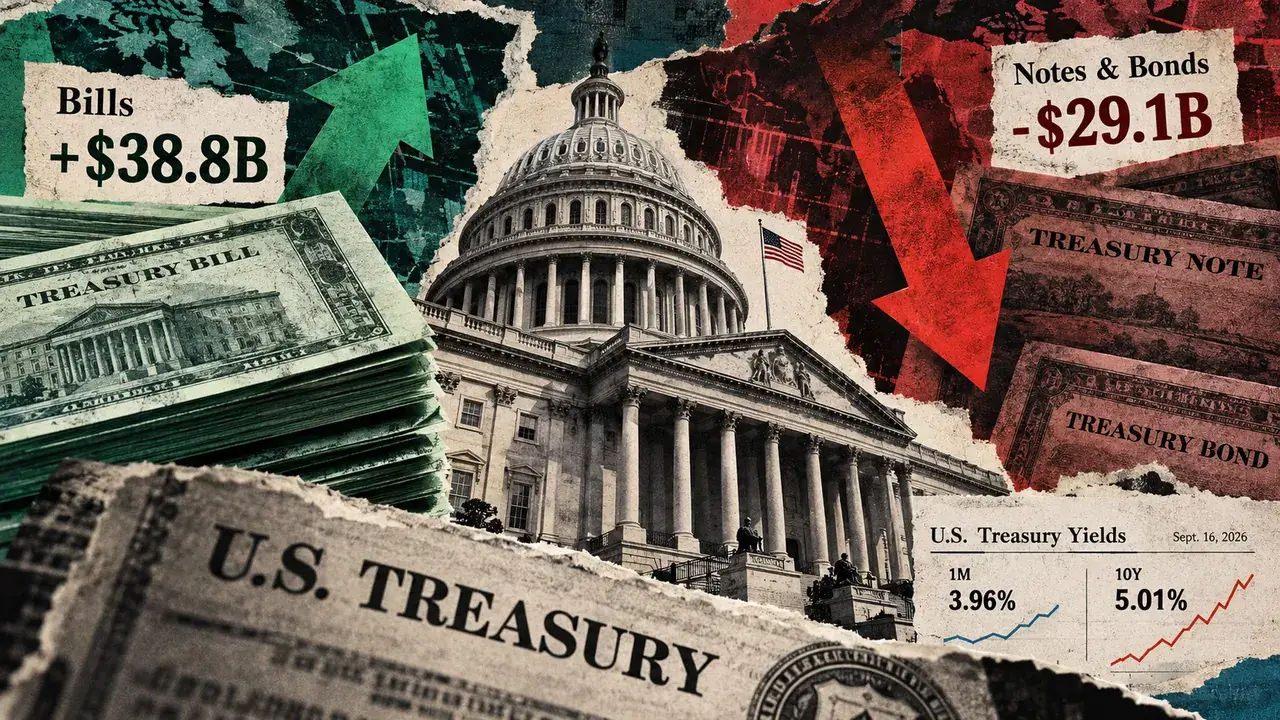
Foreigners sell $29 billion in U.S. Treasuries, pressuring bitcoin
Why it matters: High long-term yields raise the opportunity cost of holding bitcoin and limit capital inflows into risk assets.
China showcases digital yuan cross-border infrastructure at ASEAN expo
Why it matters: The digital yuan's expansion into cross-border settlements intensifies competition with dollar stablecoins and other countries' CBDCs.
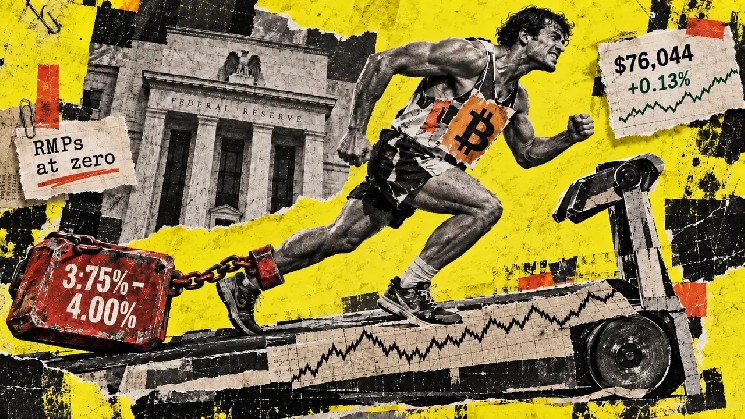
Fed hikes rate to 3.75-4%, but bill purchases are not QE
Why it matters: Fed balance sheet growth does not equal easing: as long as purchases are only in bills, bitcoin should not expect a liquidity inflow.

deVere: Fed to hike rates once more in December
Why it matters: A second hike in December is not priced into the yield curve, risking a repricing of risk assets, including crypto.

Bitcoin consolidates, gold tests $4,200 as market awaits two more Fed hikes
Why it matters: Further Fed tightening strengthens the dollar and pressures BTC and gold, while ETF outflows raise the risk of a return to $74,900.
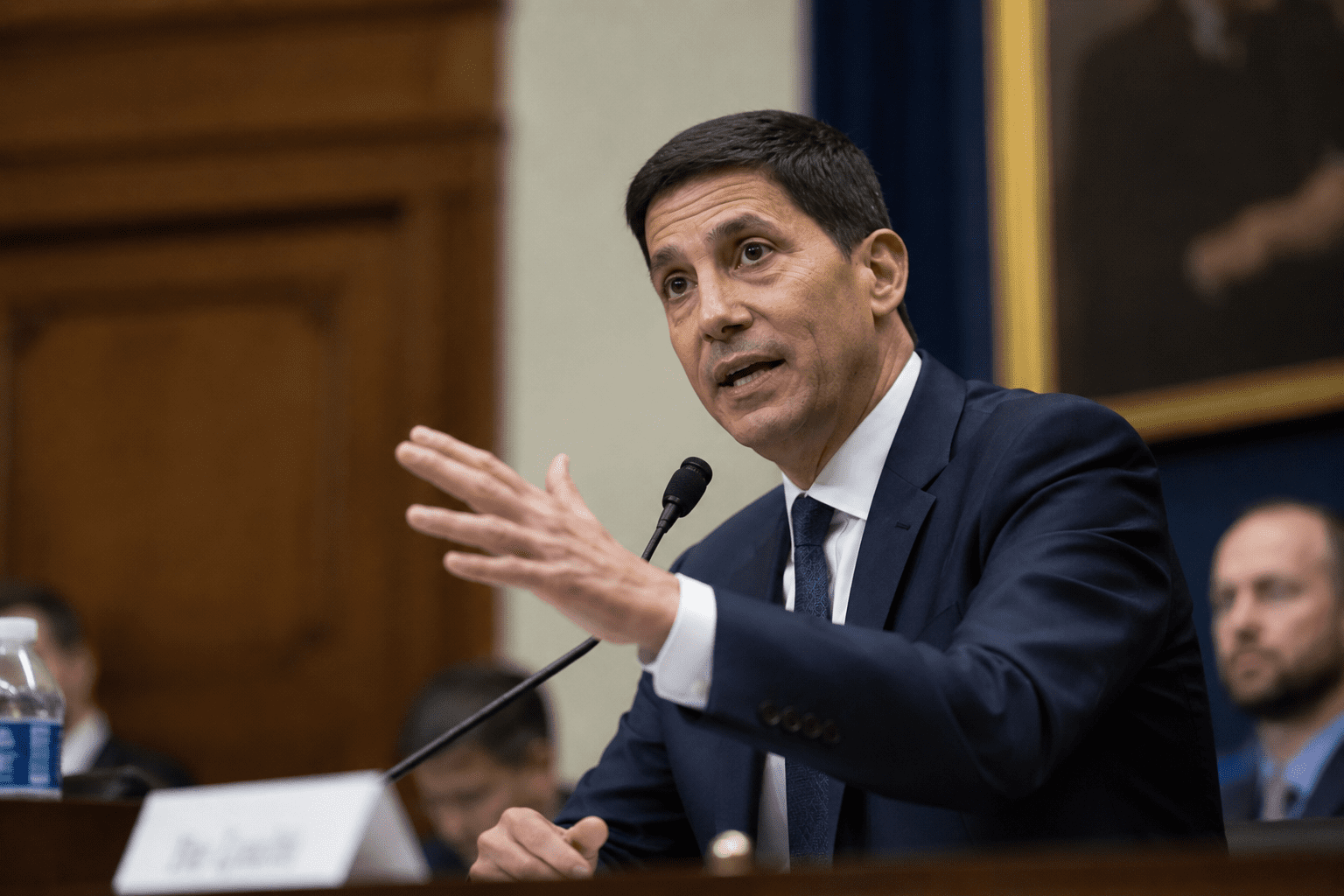
US 10-year Treasury yield falls to 4.98% after Fed rate hike
Why it matters: Falling US Treasury yields ease pressure on risk assets including Bitcoin, but persistently high inflation keeps the risk of further tightening alive.

Bloomberg: Fed Rate Hike May Be a One-Off, as in 1997
Why it matters: If the hike proves to be a one-off, pressure on risk assets, including bitcoin, will ease faster than the market expects.
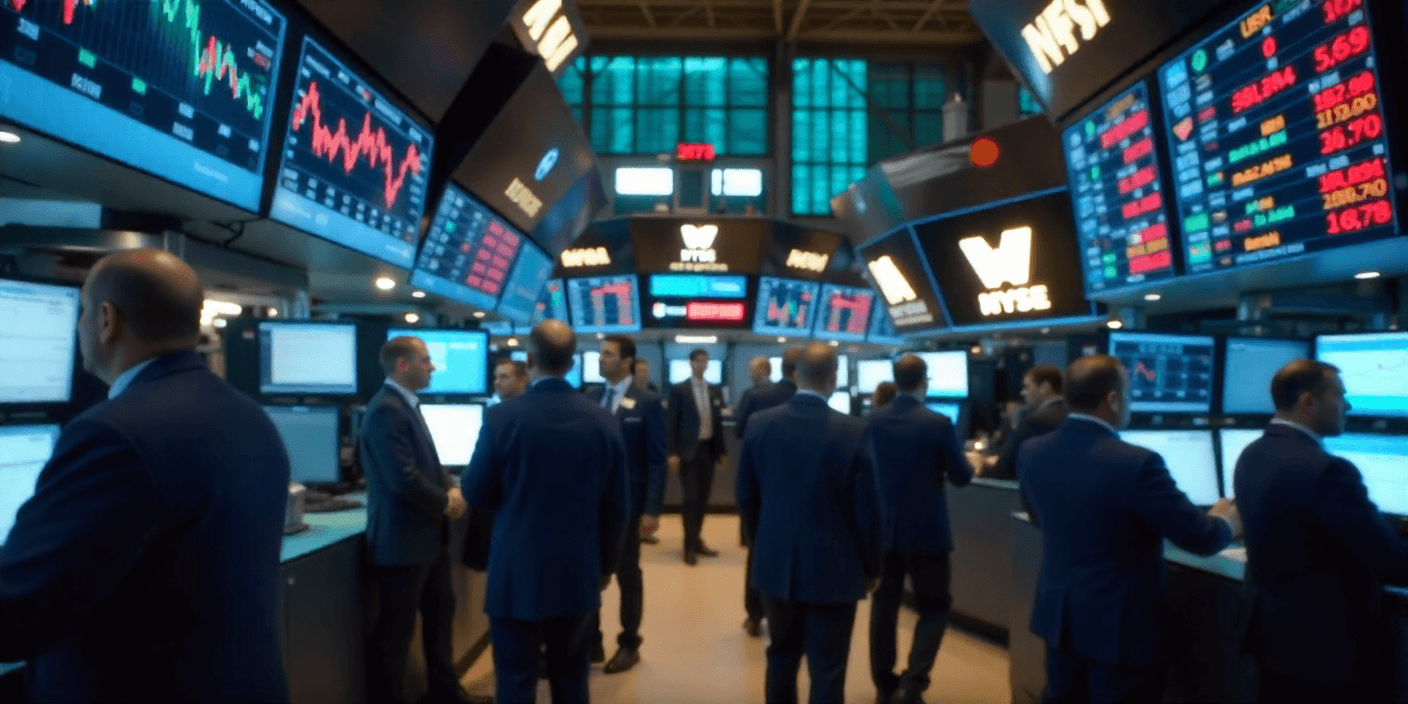
Trump promises oil slump after Iran war: what it means for crypto
Why it matters: Cheaper oil would lower inflation and pressure on the Fed rate, and improve miner margins — a key macro catalyst for bitcoin.
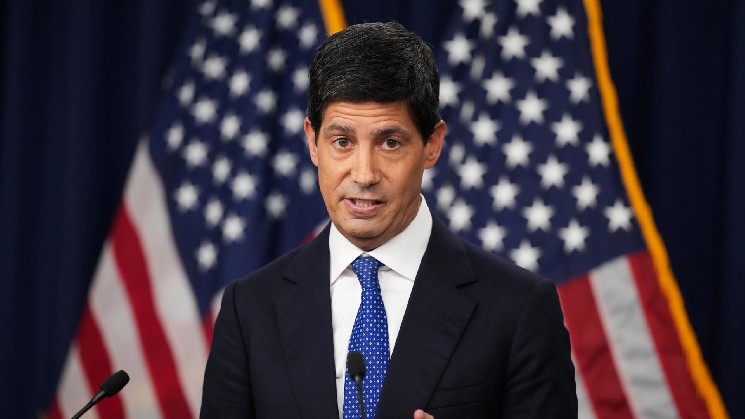
Crypto market rebounds after Fed rate hike, but ETFs bleed funds
Why it matters: The market is testing whether the 2022 scenario repeats: a post-hike rebound could turn into a selloff if ETF flows stay negative.

Bank of England holds rate at 3.75% for sixth straight time as inflation hits 3.1%
Why it matters: The MPC split and rising inflation raise the odds of tightening, adding pressure on risk assets including crypto.
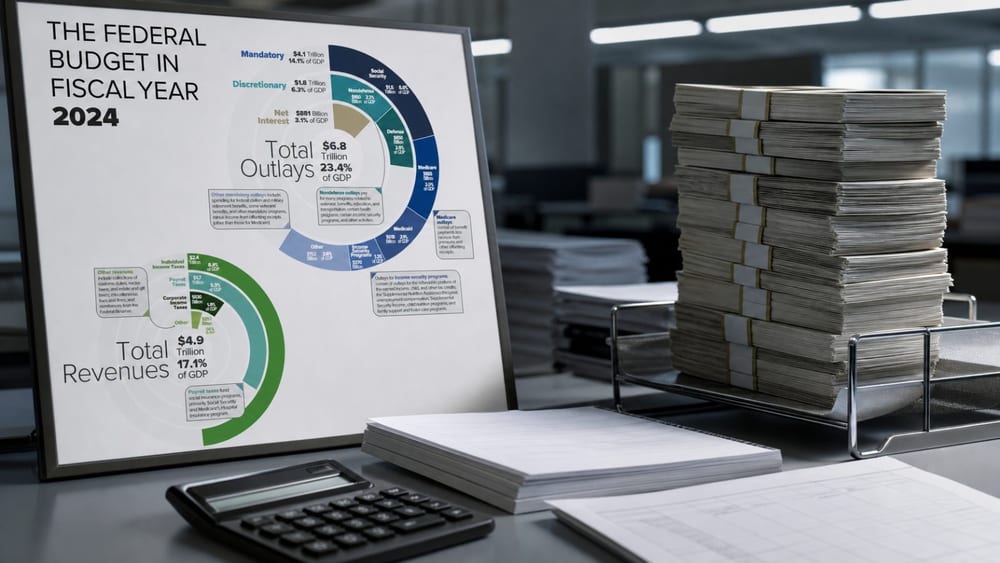
CBO: US budget deficit hits $1.8 trillion over 10 months, full-year forecast $2.1 trillion
Why it matters: Rising deficits and debt weigh on long-term rates, intensifying competition for capital with Bitcoin and risk assets.

DBS: dollar unlikely to enter sustained rally after Fed rate hike
Why it matters: A weak dollar usually supports bitcoin and risk assets, so DBS's forecast matters for crypto market expectations.

ECB's Rehn: war energy shock has not caused second-round inflation effects
Why it matters: A possible ECB shift from easing to hiking would increase pressure on risk assets, including crypto.
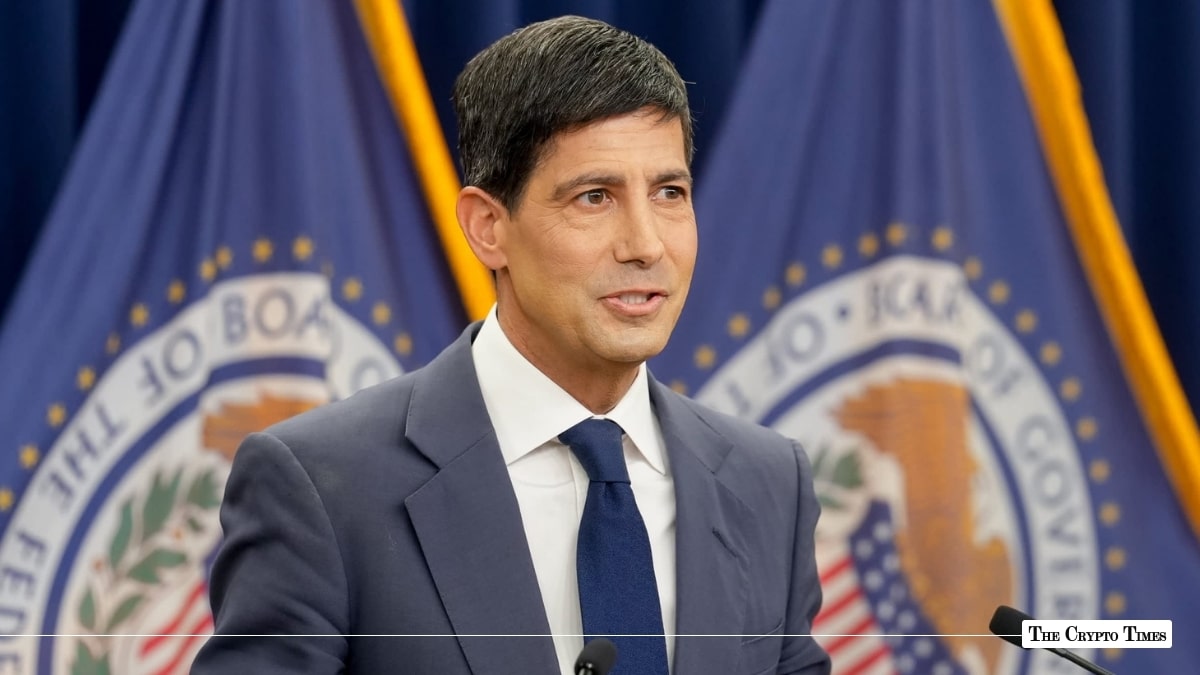
Coinbase, Circle and Robinhood shares fall after first Fed hike under Warsh
Why it matters: The gap between bitcoin and crypto stocks shows that Fed tightening hits operating companies harder than the asset itself.
Fed assets rise to $6.74 trillion, but no new crypto liquidity inflow
Why it matters: A growing Fed balance sheet does not equal liquidity flowing into risk assets: RMP is not QE, so ETF flow dynamics and the rate path matter more for bitcoin.
ECB board member Rehn: unanimous Fed decision is very important
Why it matters: Fed unanimity reinforces expectations of further tightening, which weighs on risk assets including crypto.