Crypto exchange and company news

Deadstock raises $2.5 million for trading card market infrastructure
Why it matters: A major crypto exchange is expanding through its venture arm into tokenization of collectible assets — a growing RWA segment.

Morgan Stanley reaffirms Bitcoin as digital gold thesis
Why it matters: A formal allocation recommendation from a major bank strengthens institutional demand for Bitcoin as a defensive asset.

Coinbase rises 10.21%, Circle 7.16% as U.S. indexes fall
Why it matters: The rise in crypto stocks against a falling market points to investor demand for digital-asset-related equities.

Grayscale includes XRP at 26% in new model portfolio for advisors
Why it matters: The portfolio gives retail advisors a ready-made crypto allocation, which could boost inflows into ETH and XRP through ETFs.
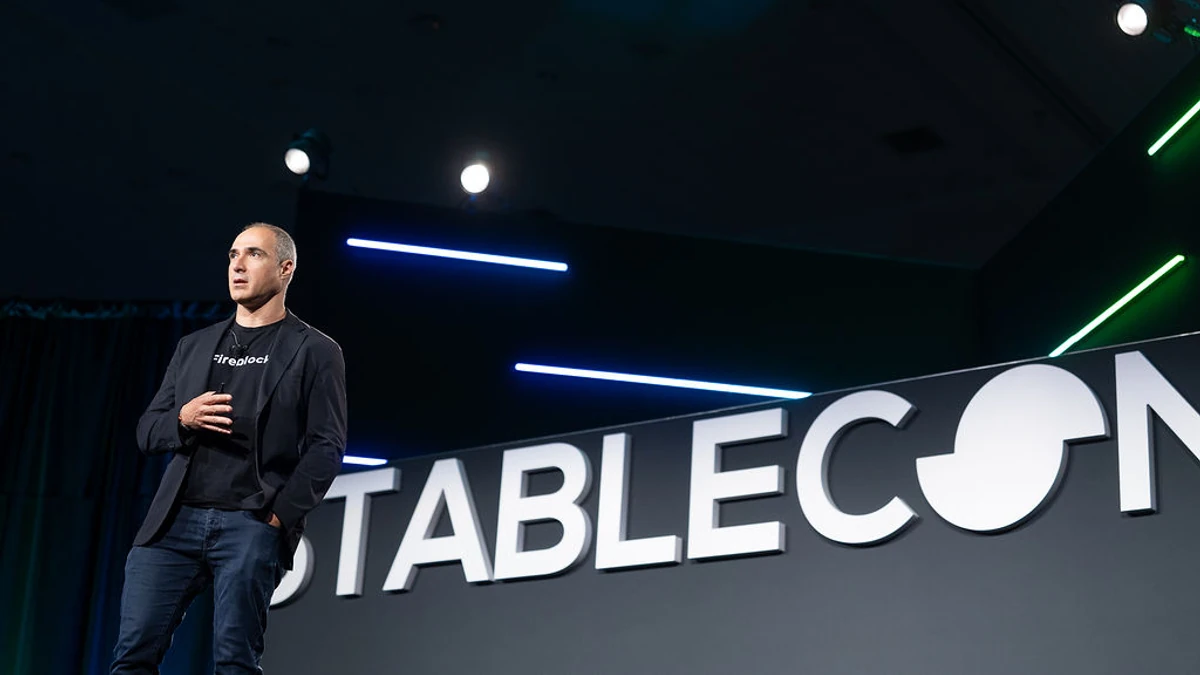
Fireblocks: banking and payment volumes surpass crypto trading for first time
Why it matters: The rising share of banking and payment operations points to institutional demand shifting from speculative trading toward regulated infrastructure.
Protos: 700M TRX worth $238M missing from HTX reserves
Why it matters: Concealment of reserves and withdrawal of funds to Justin Sun-linked structures undermine trust in HTX after EU and UK sanctions.

OKX launches 24/7 tokenized stock trading in Europe
Why it matters: Expanding tokenized stocks on a major exchange intensifies competition with Robinhood and Base for the blockchain-based stock market.

Robinhood plans in-kind redemption and voting rights for Stock Tokens
Why it matters: The initiative's success would set a standard for tokenized stocks; failure on voting rights would deepen skepticism toward such products.

Upbit delists JasmyCoin, Storj and ThunderCore
Why it matters: The Upbit delisting strips JASMY, STORJ and TT of liquidity on one of the largest markets and raises the risk of further price declines.

Coinbase defends tokenized stocks as real shares but blocks US investors
Why it matters: The model sets a standard for tokenized stocks, but legal restrictions and criticism from Galaxy Research highlight the gap between marketing and actual holder rights.

Fondsbörse Deutschland and Gubbi launch crypto securities trading
Why it matters: Germany's regulated infrastructure is expanding distribution channels for digital securities, which could improve their liquidity.

Solowin Plans 100 MW of AI Capacity by 2028
Why it matters: The company is betting on AI infrastructure and tokenization while the US Congress has yet to pass crypto legislation.

Justin Sun Sues Actress Jing Tian, Seeking Return of $4.5M
Why it matters: The scandal surrounding the Tron founder heightens reputational risks for TRX and Sun's projects amid attention to his public stunts.

MEXC moves RIO reserves from Algorand to Ethereum at 1:1 ratio
Why it matters: The move to Ethereum simplifies the exchange's reserve management and reduces operational risks during the project's recovery.

Interactive Brokers resumes crypto trading for Hungarian clients
Why it matters: Hungary has eased crypto regulation, and brokers that restricted services — including Revolut, eToro and Bitstamp — may bring crypto services back to the country.
Bitmine raises ETH reserves to 5.96M, Strive to 25,000 BTC
Why it matters: Corporate treasuries continue to accumulate ETH and BTC, reducing free float and supporting demand for top assets.
DeFi Development raises SOL reserves to 2.39M, launches $300M preferred stock program
Why it matters: Growing corporate Solana treasuries support demand for SOL and set a financing model through preferred stock.
Coinbase launches tokenized stocks on Base network
Why it matters: A major exchange is entering the tokenized stock market, intensifying competition with Robinhood and other players.
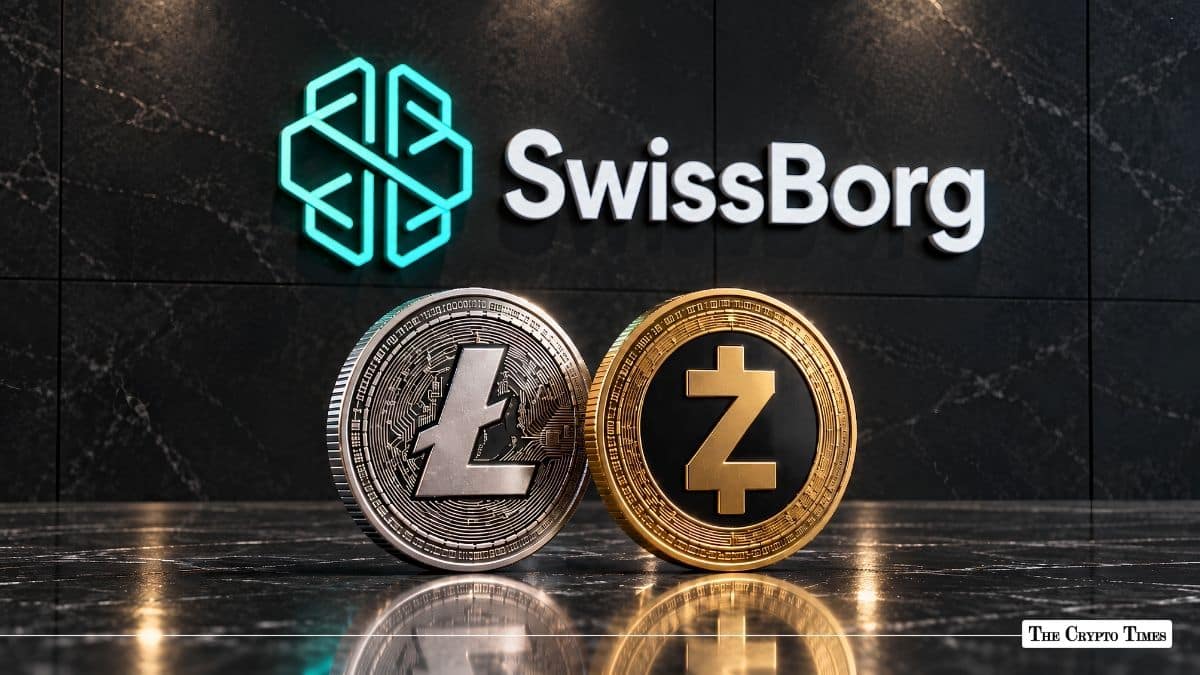
SwissBorg adds support for Litecoin and Zcash
Why it matters: Expanding the asset list on a European-licensed platform improves access to LTC and ZEC for retail investors.

Busha and Mastercard to launch Crypto Credential in Nigeria
Why it matters: The partnership with Mastercard boosts trust in crypto transfers in Nigeria and could accelerate mass adoption of digital assets in the region.