Crypto exchange and company news
Crypto.com supports Lisk's migration to Ethereum
Why it matters: The move to Ethereum gives Lisk access to its ecosystem and could boost LSK liquidity.

Gate ranks first in L1 depth for 7 of 30 spot pairs
Why it matters: High order book depth reduces slippage on large orders, which matters for traders and institutions.

David Schwartz explains exchanges' reluctance to list Bitcoin BLAKE2b
Why it matters: It shows that exchanges assess bitcoin forks by technical risk, not just demand, which affects the liquidity of new assets.

Smarter Web Company jumps 36% on Bitcoin-backed preferred share plan
Why it matters: The UK's first Bitcoin-backed preferred share issuance could become a template for other European companies accumulating BTC.

Revolut weighs dual listing on Nasdaq and London Stock Exchange
Why it matters: A valuation of up to $200 billion would make Revolut more valuable than Barclays and BP, while the dual listing would set a benchmark for crypto-fintech companies seeking to go public.

KuCoin becomes first crypto exchange certified to ISO/IEC 42001 for AI management
Why it matters: The certification sets a benchmark for exchanges: AI management is becoming part of compliance and security, reducing risks for users.

Polymarket hires four top executives in a month as volumes fall 40%
Why it matters: It shows pressure on the largest prediction market platform after event-driven traffic faded and competition with Kalshi grew.

Kevin O'Leary: blockchain adoption by major exchanges will be a turning point
Why it matters: It signals growing institutional interest in blockchain amid asset tokenization by U.S. exchanges.
REX Shares launches 2x ETF on Strive (ASST) stock
Why it matters: It broadens access to bitcoin treasury company Strive through a leveraged instrument on the traditional market.
CoinW launches STONK and ZCAT perpetual futures with up to 25x leverage
Why it matters: Expanding access to memecoin derivatives raises speculative activity and volatility in these tokens.

CZ votes to rename BNB treasury BNC to BNB Standard, BNCB token jumps 33%
Why it matters: BNCB's rise shows how CZ's statements move Binance-linked assets, reinforcing the founder's influence over the BNB treasury.

Bithumb ends trading support for GALA token
Why it matters: A delisting on a major Korean exchange reduces GALA's liquidity and could add pressure on the token's price.

Samsung Wallet hiring in US for stablecoin payments launch
Why it matters: A major electronics manufacturer entering stablecoin payments could accelerate mass adoption of digital assets in mobile wallets.
Binance to support STG merger into ZRO at 1 STG = 0.08634 ZRO
Why it matters: The merger reduces the number of tokens in the LayerZero ecosystem; STG holders need to complete the swap before delisting.
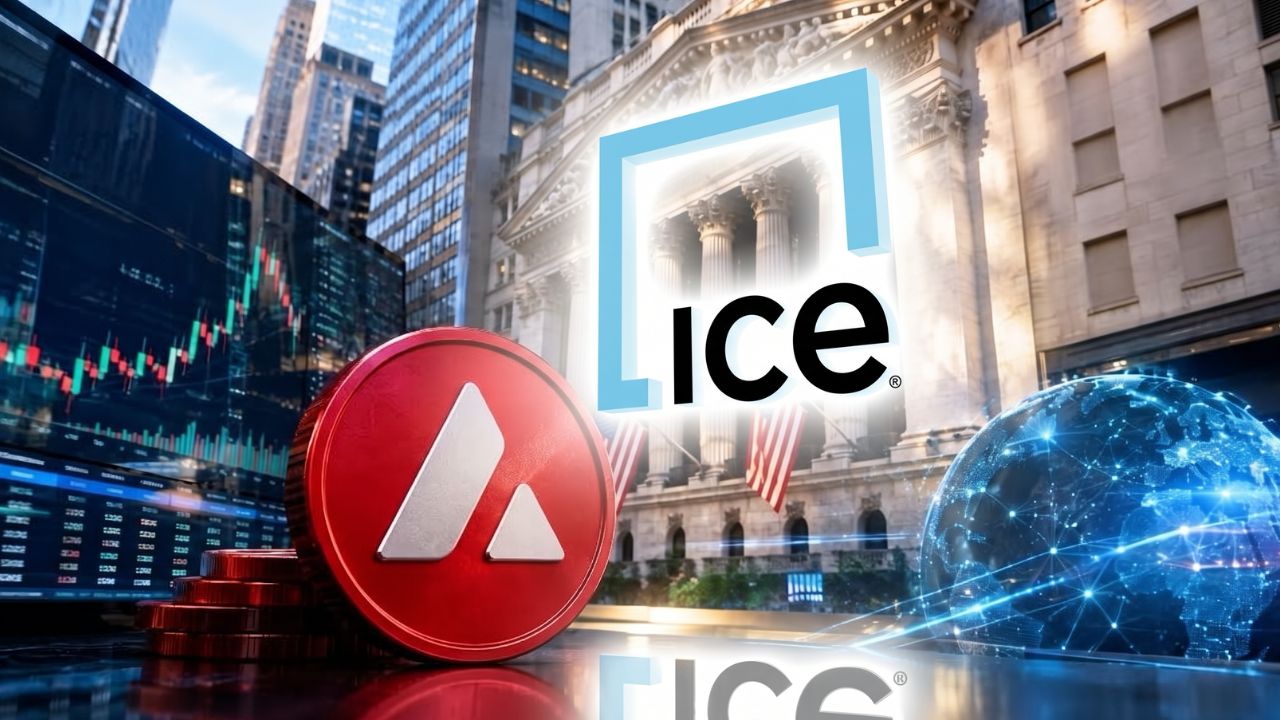
ICE (NYSE) weighs Avalanche for tokenized stocks and ETFs with 24/7 trading
Why it matters: Avalanche being chosen by the world's largest exchange group would strengthen institutional demand for AVAX and accelerate the tokenization of traditional assets.

Bitpanda launches Fusion MCP to manage crypto orders via AI
Why it matters: AI assistants are becoming an interface for trading, lowering the barrier to entry for retail traders.

Binance lists quarterly futures on BTC, ETH, BNB, XRP and SOL with March 2026 delivery
Why it matters: Binance's expanded derivatives lineup gives traders more tools to hedge and bet on quarterly moves in top assets.
Bithumb flags D and HOOK as assets under heightened scrutiny
Why it matters: A 'caution' status on a Korean exchange often precedes delisting and weighs on token prices.

Binance sees $155M net USDT inflow in 24 hours
Why it matters: Stablecoin inflows to exchanges are often read as readiness to buy, but a single metric cannot determine market direction.
Kraken to forcibly liquidate seven assets for UAE users
Why it matters: The precedent of forced liquidation of privacy coins and stablecoins for an entire region poses a risk for holders of XMR and ZEC on CEXs.