DeFi, stablecoins and network upgrades
Vitalik Buterin pushes back on 'death of privacy' claim
Why it matters: A signal that privacy remains a priority for Ethereum amid growing interest in Zcash and private solutions.

Robinhood Chain generated $4.5M in fees while Ethereum got just $400
Why it matters: Growth of L2 networks does not bring Ethereum commensurate revenue, calling into question its economic model and ETH holder income.

Optimism releases mandatory op-batcher v1.17.0 upgrade
Why it matters: The batcher publishes L2 data to Ethereum; without the upgrade, transaction posting on OP Stack networks could suffer.

NEAR releases nearcore 2.14.0 RC with protocol and database upgrade
Why it matters: The upgrade affects node operators: they need a compatible version before protocol activation, while post-quantum signatures expand contract capabilities.

ZAMA jumps 42% to all-time high of $0.085 on FHE product expansion
Why it matters: The rally reflects renewed interest in the FHE privacy narrative, but an FDV/TVL of about 12x rests on expectations rather than current fees.

Avalanche sets Helicon upgrade activation for September 22
Why it matters: A mandatory update for validators: failing to upgrade in time could cause node desynchronization and consensus problems.

ZAMA TVL tops $75 million as Morpho confidential vaults and Zama Swap launch
Why it matters: Demand for private DeFi is growing, but TVL sustainability depends on incentives, and 5% annual issuance still outpaces fee burning.

Injective to hold onchain commerce event with Microsoft before Token2049
Why it matters: Strengthening the link between AI agents and blockchain with Microsoft's backing could attract developers and capital to the Injective ecosystem.
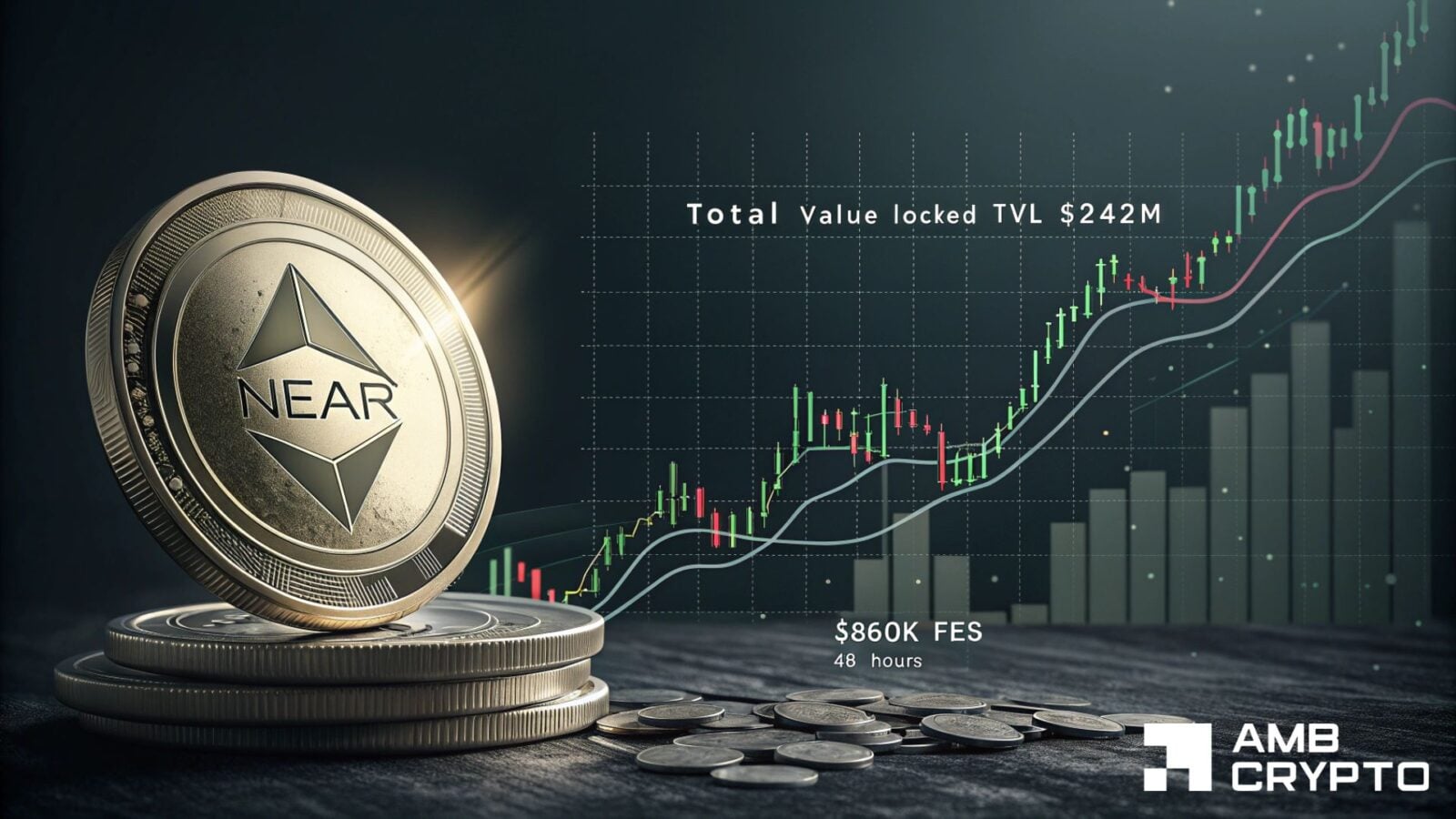
NEAR TVL hits all-time high of $242 million, token gains 10%
Why it matters: Rising TVL and fees confirm capital inflows into the ecosystem, but further gains depend on demand holding up after the rally.

Lido completes wind-down of regular Simple DVT clusters
Why it matters: The change affects Lido's internal validator architecture and requires no action from stETH holders.

Uniswap proposes extending protocol fees to Circle's Arc network
Why it matters: Extending fees to Arc strengthens the UNI burn mechanism and links activity on Circle's network to Uniswap's tokenomics.

Hyperliquid earns $3M a day as on-chain protocols hit weekly highs
Why it matters: Rising revenue across multiple protocols signals expanding real DeFi activity rather than just speculative price moves.

NEAR Intents TVL climbs 77% in a month to $169M
Why it matters: Rising TVL and fees strengthen NEAR's position in the intent-based cross-chain narrative, but 26 integrations increase the risk surface.

Aave V4 launches on Circle's Arc network with USDC, EURC, cirBTC and WETH
Why it matters: Aave gains a credit market inside Circle's institutional ecosystem, which could draw stablecoin liquidity into Arc.
Circle expands Arc: USDC, EURC, payments and FX in one network
Why it matters: If Arc gains traction, Circle will reduce its reliance on interest income from USDC reserves and become an infrastructure player in onchain finance.

STX jumps 15.09% to $0.311 on Zest Protocol launch
Why it matters: The rally confirms demand for bitcoin's DeFi ecosystem through Stacks, but overbought conditions raise the risk of a correction.

Lido DAO votes on 7.5 million LDO market-making mandate
Why it matters: The mandate is insurance against LDO delisting from major exchanges, but it creates counterparty risk and draws on the DAO treasury.

ENA climbs 22.67% to $0.199 on fee switch proposal
Why it matters: The fee switch would turn ENA from a speculative token into an asset with cash flow, but overbought conditions raise the risk of a correction.

Token Terminal launches platform for tokenized stocks
Why it matters: A growing number of platforms for tokenized stocks is intensifying competition for RWA market infrastructure.
Aave proposes bitcoin-backed lending model in institutional custody
Why it matters: The model gives institutions access to on-chain liquidity without moving assets out of a regulated custodian, lowering the barrier for large capital entering DeFi.