DeFi, stablecoins and network upgrades

Algorand launches post-quantum accounts and State Proofs
Why it matters: It enhances the network's resilience to future quantum threats and could set a standard for other blockchains.

Hunter Biden-themed LAPTOP memecoin crashes 99% after launch
Why it matters: The case highlights the risks of launching low-liquidity memecoins, where profits concentrate among bots and early sellers.

Lightchain AI selects five signers for DAO wallet
Why it matters: It shows how DAOs are building control over treasury payments through multisignature and KYC.

Uniswap tops $70B in monthly DEX volume, v4 overtakes v3
Why it matters: Rising v4 volumes and protocol revenue strengthen Uniswap's position as the leading DEX, though the metric does not reflect the UNI token price.

Lisk rebrands as payments platform and burns 100M LSK
Why it matters: The burn and migration deadline reduce LSK supply, while the rebrand gives the token product demand for the first time.
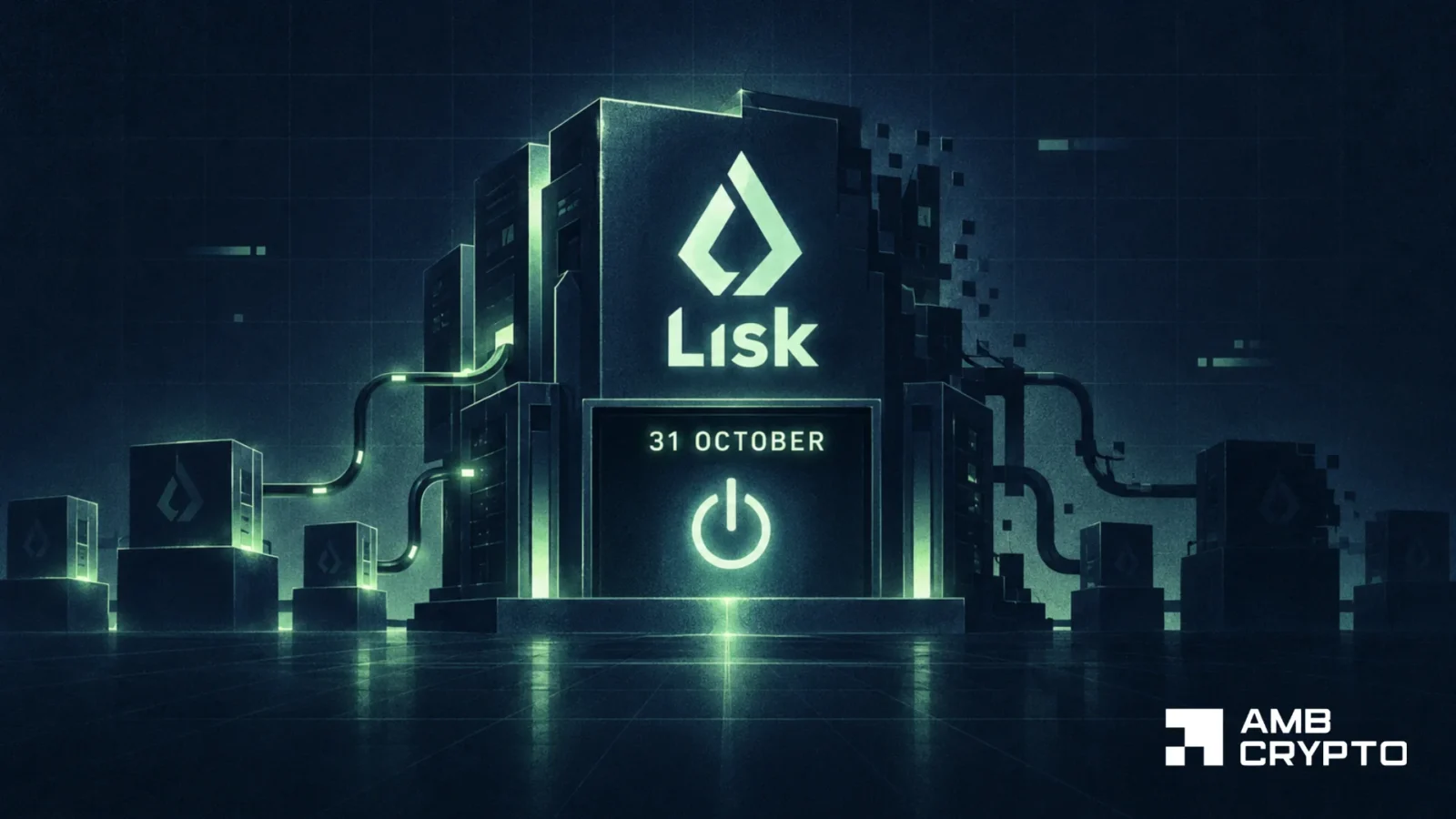
Lisk Chain to close on October 31, 2026, LSK surges 344%
Why it matters: The network closure forces holders to migrate tokens, and the price surge looks like a short-term exit pump without fundamental support.
Vitalik Buterin unveils five-year plan to shrink Ethereum protocol
Why it matters: The long-term Ethereum development plan could affect the network's scalability and security.

Hashcats: 10th epoch mint falls short, HASH buyback funding in question
Why it matters: If the mint does not accelerate, revenue for HASH buybacks and burns will dry up, weakening the token's scarcity and holder confidence.

Hashcats: slowing NFT mint weakens HASH buyback
Why it matters: The slowing mint reduces the inflow of ETH into the HASH buyback, which could weaken the deflationary effect and pressure the token's price.

Ampleforth: Proposal 54 threatens to drain $2.5M USDC from treasury
Why it matters: A governance attack could strip Ampleforth of nearly its entire liquid treasury if the 600,000 FORTH quorum is reached.

Vitalik Buterin: blockchain is a tool, not a goal
Why it matters: A signal that Ethereum's priorities are shifting toward privacy and security, which could shape the development of L2s and cryptography.

Aerodrome WETH/USDC pool handled 32% of adjusted USDC transfer volume on Base
Why it matters: The data shows USDC is increasingly used as DeFi liquidity infrastructure rather than just for payments, but the concentration of activity in a single protocol poses risks to the Base ecosystem.

RippleX calls XRP as collateral for institutional lending a key use case
Why it matters: XRP is transforming from a payment asset into institutional collateral, which could boost demand for the token.

Circle names Aerodrome the leader in USDC transfer volume
Why it matters: Half of Base's stablecoin flows depend on a single protocol, so a failure or exploit at Aerodrome would hit liquidity across the entire network.

Solana app revenue tops Base by 16.9x in a single day
Why it matters: The metric reflects app activity but not overall network competitiveness and depends heavily on memecoin platforms.
Optimum co-founder: encrypting 10% of data could shield Ethereum from quantum attacks
Why it matters: If the method holds up, Ethereum could gain quantum protection without increasing network load.

Solana generates 16.9x more app revenue than Base
Why it matters: Rising app revenue points to higher network utilization, supporting demand for SOL and the case for monolithic L1s.