DeFi, stablecoins and network upgrades
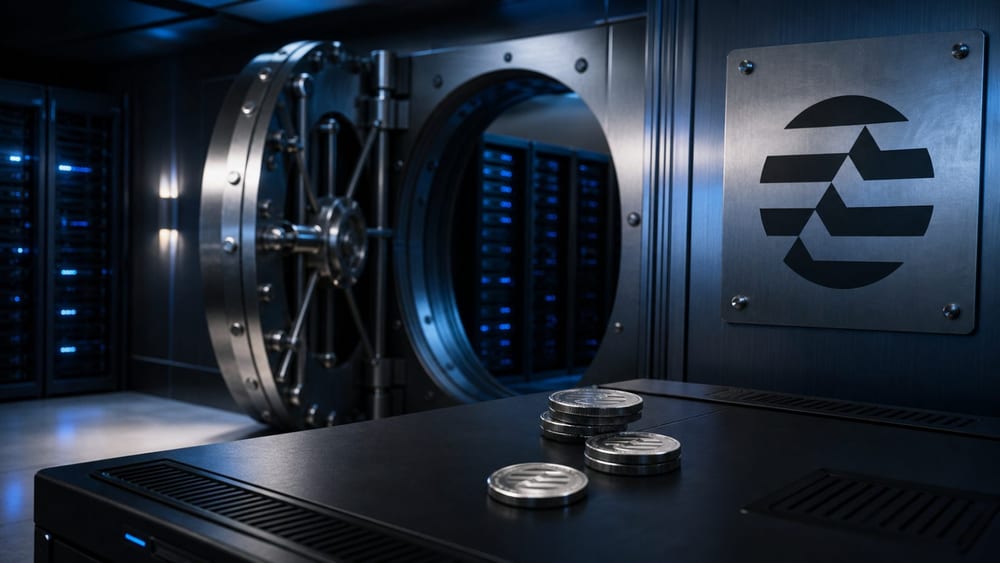
Aptos integrates with Archax for regulated asset tokenization
Why it matters: The integration expands access to regulated RWA assets on Aptos, but actual issuance and trading volumes have not yet been disclosed.

Archax integrates with Aptos to move 100+ regulated assets on-chain
Why it matters: The integration strengthens real-world asset tokenization infrastructure and attracts institutional investors to the Aptos blockchain.

Stablecoin market cap falls to $305.25 billion
Why it matters: A shrinking stablecoin market cap could signal an outflow of liquidity from the crypto market.

Shinhan Asset Management Approved as Canton Network Super Validator
Why it matters: A major Korean asset manager is joining the governance of an institutional blockchain network, reinforcing the tokenization trend for traditional assets.

Arc to Launch Public Mainnet on Sept. 16
Why it matters: If Arc does attract memecoin traders, it could quickly boost on-chain activity on the new network, but for now these are only unofficial statements.

TRM: only 0.6–7.5% of x402 payments come from AI agents
Why it matters: Real demand for AI-agent crypto payments remains minimal, cooling hype around the narrative.

Chainlink completes 10 integrations across 4 blockchain networks
Why it matters: The growing number of integrations strengthens Chainlink's position as a key DeFi oracle and could support demand for LINK.

Hoskinson: AI has devalued developer count as a growth metric
Why it matters: Shifting growth metrics from developer counts to real products could change how projects are valued, but it has not yet affected ADA's price.
Hoskinson: AI has devalued the developer count metric in crypto
Why it matters: A signal of shifting blockchain project evaluation metrics and a restructuring of Midnight's development strategy amid falling interest in ADA.
Hoskinson: AI has devalued the developer count metric in crypto
Why it matters: A shift in blockchain growth metrics from developer counts to real products could change how investors value projects.
Hoskinson: AI has devalued the developer count metric in crypto
Why it matters: A signal that the developer count metric is losing weight in blockchain valuations; for Cardano, a risk of coders leaving the ecosystem.
Hoskinson: AI has devalued developer count metric in crypto
Why it matters: A shift in growth metrics could affect how L1 network activity is valued and the inflow of developers into the Cardano ecosystem.

ZKsync open-sources Prividium Core, Bundesbank first to adopt
Why it matters: Testing of the technology by Germany's central bank boosts confidence in ZKsync and could accelerate blockchain adoption in traditional finance.

Arbitrum launches Buildathon with $115K prize pool
Why it matters: The program could attract developers and new projects to the Arbitrum ecosystem, strengthening its competitiveness among L2 solutions.
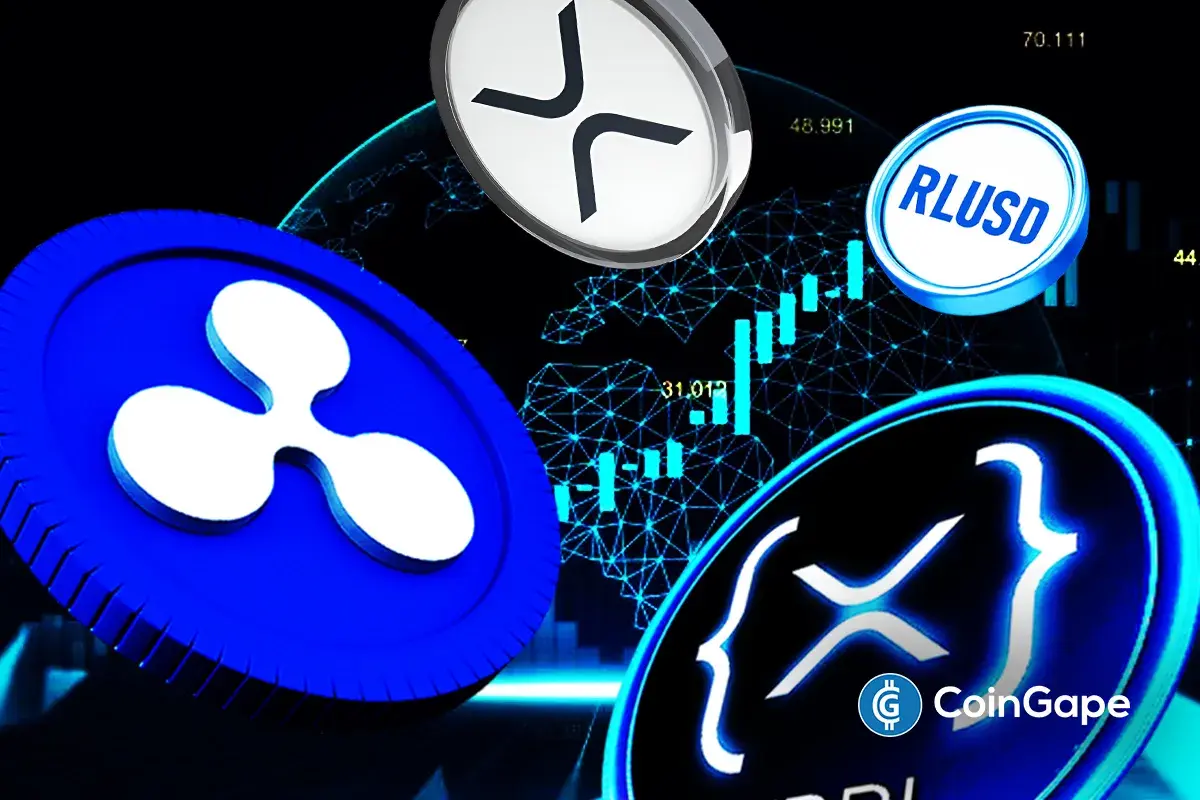
Ripple targets $13 trillion corporate treasury market with RLUSD stablecoin
Why it matters: RLUSD's success in the institutional segment could strengthen XRP's position and set a standard for tokenized settlements.

EntropyIO HIP-3 perpetual futures volume on Hyperliquid tops $1B
Why it matters: The growth in HIP-3 volumes shows demand for third-party futures markets on top of Hyperliquid, intensifying competition among DEXs.

Pi Network sets September 15 target for mainnet upgrade to v27
Why it matters: The upgrade will expand smart contracts and authentication, but price and activity growth depend on real applications and volumes.
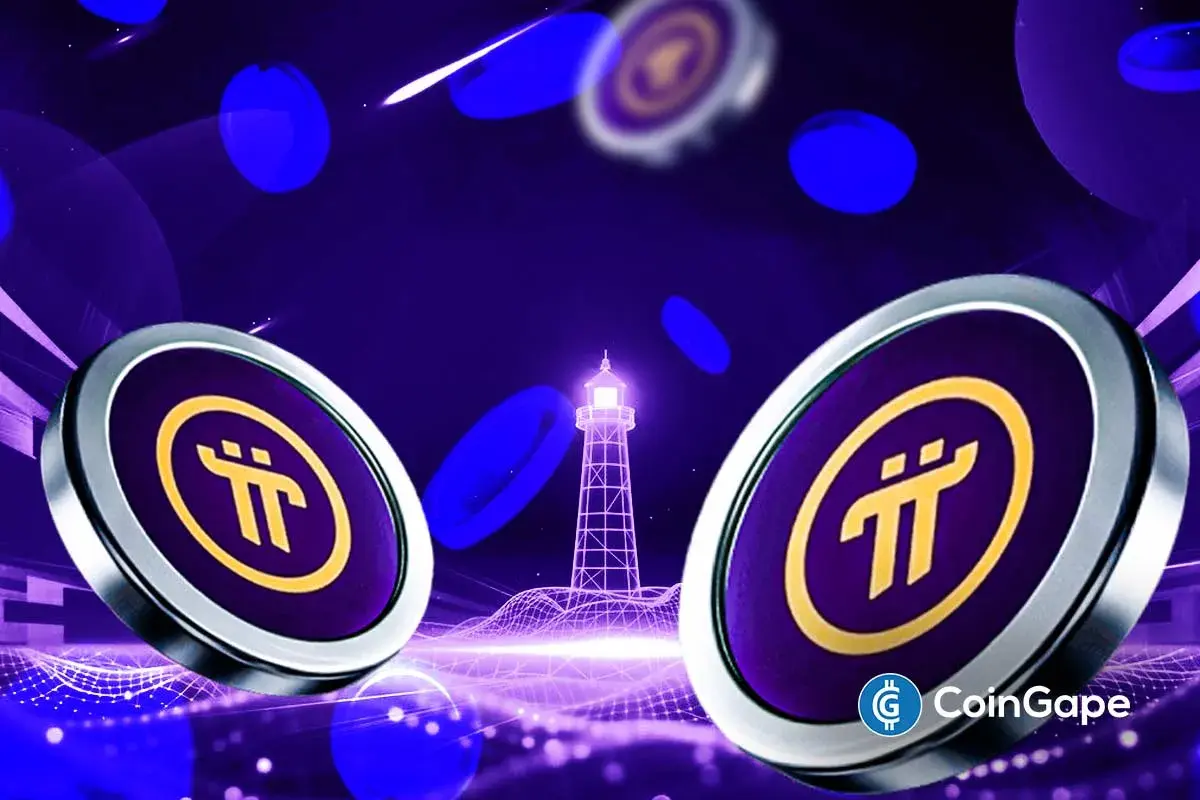
Pi Network prepares Protocol v27 upgrade for September 15
Why it matters: The upgrade could be a catalyst for PI, but the outcome depends on the Fed's rate decision and the CLARITY Act vote on September 15.

Algorand launches post-quantum accounts and State Proofs
Why it matters: It enhances the network's resilience to future quantum threats and could set a standard for other blockchains.

Hunter Biden-themed LAPTOP memecoin crashes 99% after launch
Why it matters: The case highlights the risks of launching low-liquidity memecoins, where profits concentrate among bots and early sellers.