DeFi, stablecoins and network upgrades
Bitcoin developers unveil post-quantum network protection plan
Why it matters: The shift to post-quantum cryptography affects the security of all BTC holders and sets an industry standard for years to come.

Ondo Finance connects tokenized funds to US fund distribution networks
Why it matters: It expands distribution channels for tokenized assets beyond crypto and could accelerate institutional capital inflows into RWA.

Base DeFi TVL hits all-time high of $5.7 billion
Why it matters: The TVL growth confirms Base's strengthening position among L2s, raising expectations for a possible network token launch.

USD.AI launches USDai and sUSDai stablecoins on Circle's Arc network
Why it matters: It expands the link between DeFi lending and AI infrastructure financing, strengthening Circle's Arc ecosystem.
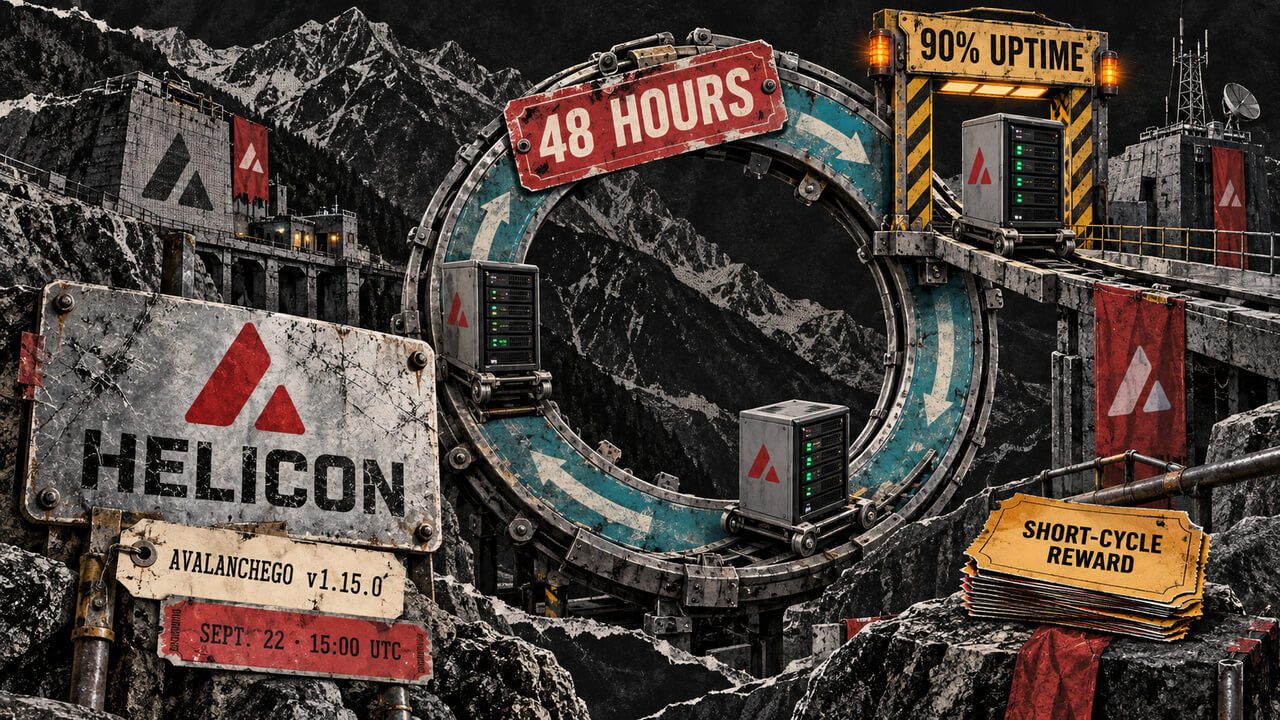
Avalanche to cut validator lockup from 14 days to 48 hours
Why it matters: Shorter cycles lower the entry barrier for validators but require more stable operation and offer lower short-term yields.
Zcash proposal would burn fees and direct them to miners under NU7
Why it matters: The mechanism addresses the decline in block subsidies and reduces the network's security dependence on volatile fees.

ONDO rebounds 6.35% to $0.349 after DTCC Fund/SERV entry
Why it matters: The DTCC integration validates the institutional RWA tokenization model, but the technical picture remains weak until a breakout above $0.355.

DRV jumps 40% after V3 upgrade plan announcement
Why it matters: The rally is supported by buybacks and staking, but DRV is testing the $0.19–0.20 resistance for the fourth time — a breakout will determine the next trend.
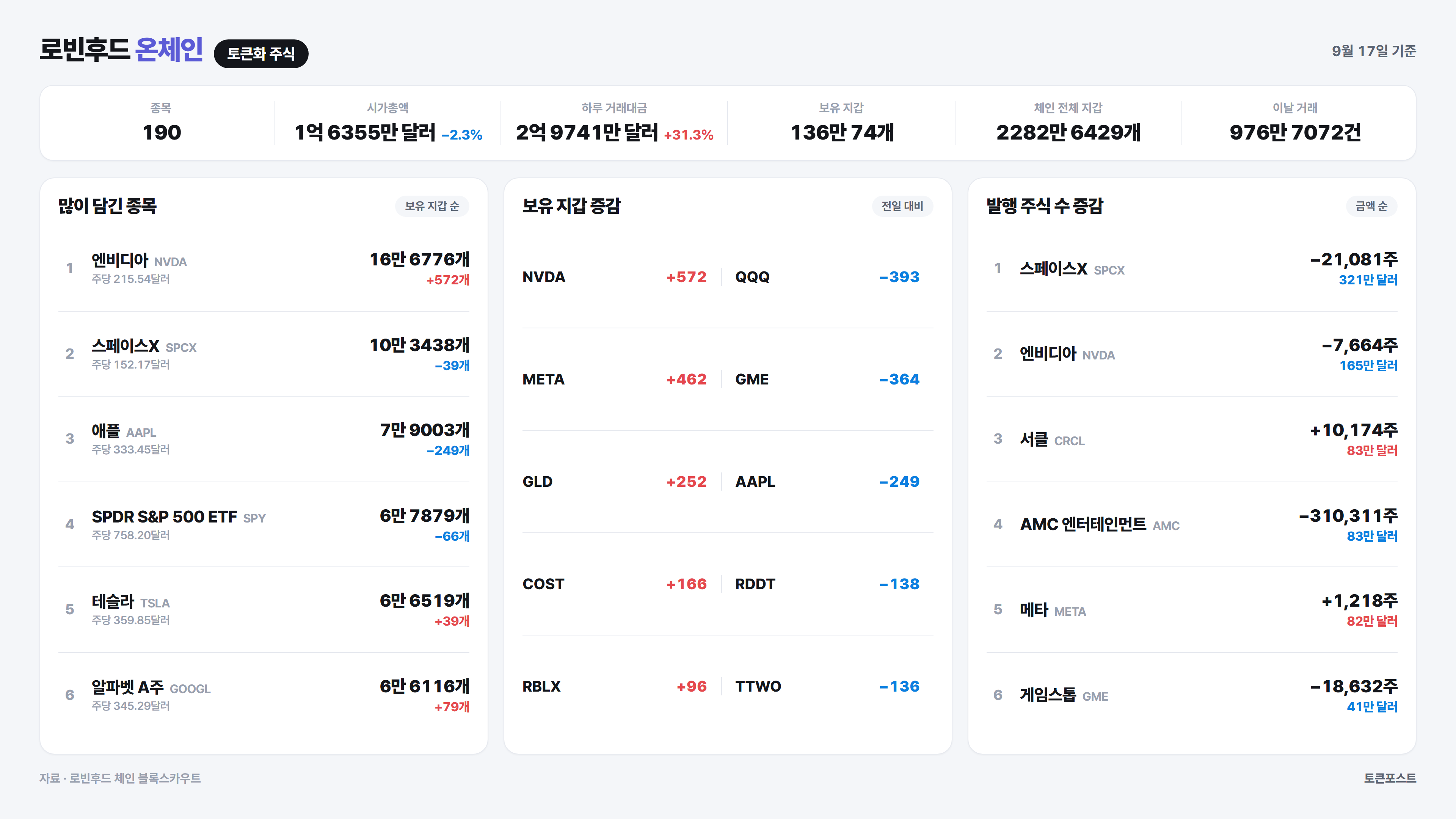
META trading volume on Robinhood Chain jumps 16x in a day
Why it matters: Rising activity on Robinhood Chain signals growing demand for tokenized equities and memecoins in the on-chain environment.

Ethereum client diversity data conflicts: Teku estimates range from 53% to 99%
Why it matters: Without reliable data on client distribution, the network cannot assess Ethereum's finality and security risks.
Krown to launch BLOQ Talk messenger with post-quantum encryption on October 1
Why it matters: Post-quantum protection and identity verification could become a new standard for crypto messengers amid the rise of AI deepfakes.
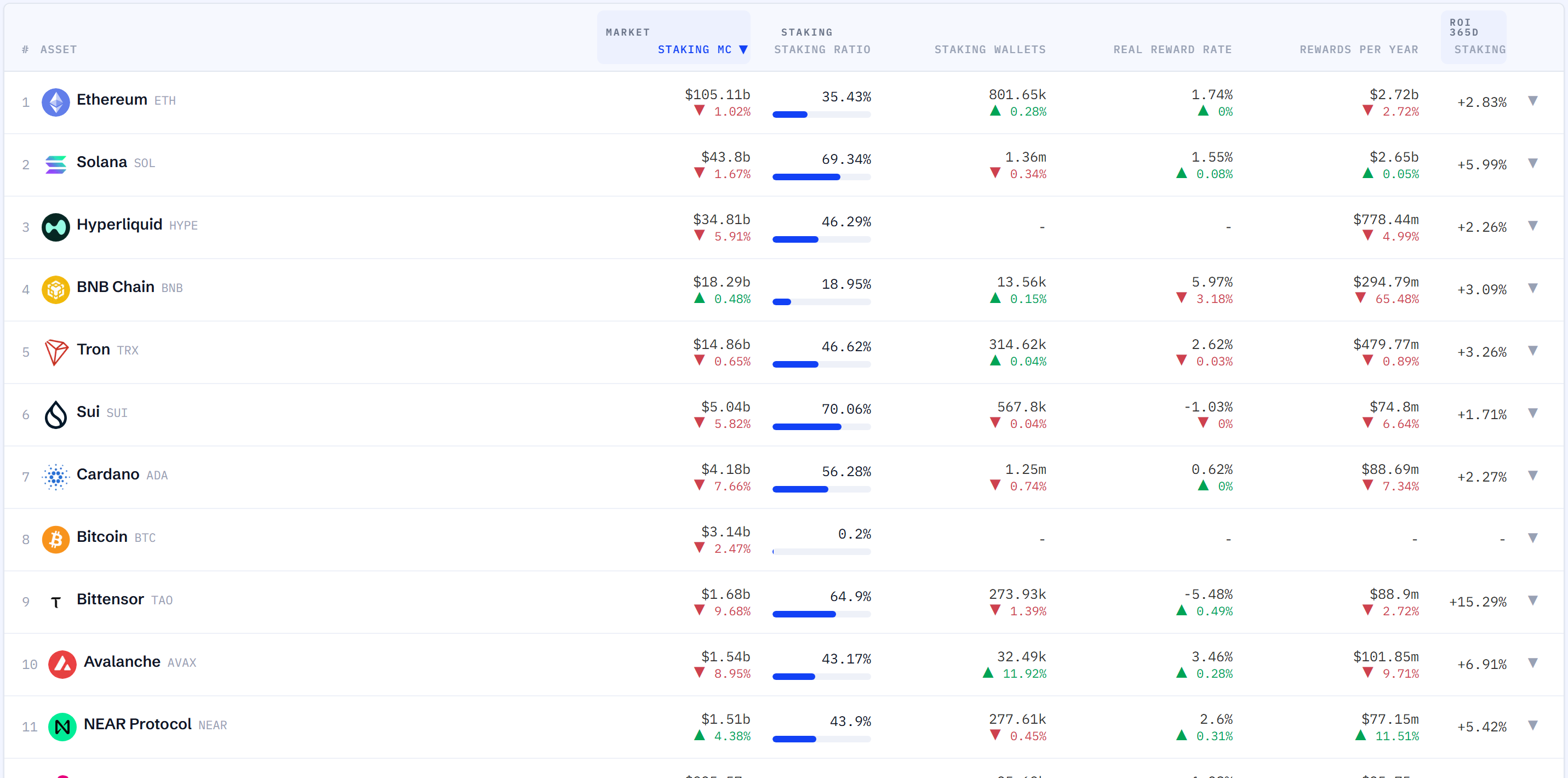
Staking market cap of top assets declines, BNB Chain the only gainer
Why it matters: The decline in staking market cap of the largest networks reflects broad risk-off sentiment and capital outflow from crypto.
Researcher Ignas criticizes Arc as a closed corporate network without crypto culture
Why it matters: Criticism of ARC's narrative and token distribution could weaken retail community interest in the Circle ecosystem.

Filecoin unveils testnet demo of tokenized RWA architecture at Avalanche Summit
Why it matters: Filecoin is entering the RWA tokenization market, which could increase demand for decentralized data storage.

Kyobo Life and SBI test yen-won transfers via stablecoins on Canton
Why it matters: The case shows major Asian insurers and banks are ready for stablecoin settlements that bypass the dollar, boosting demand for institutional blockchains.

Whale Alert: $182M in USDC withdrawn from Aave to unknown wallet
Why it matters: Large withdrawals from DeFi protocols can signal a whale preparing to sell or changing strategy, but there is no confirmed market impact.
Vitalik Buterin: AI will make it possible to prove software security in full
Why it matters: The statement sets Ethereum's direction toward formal code verification, which could boost confidence in network security.

Ethena founder launches Ethena Pay neobank on Avalanche with up to 6% yield
Why it matters: Ethena is betting on returning stablecoin yield to users, intensifying competition with USDC and USDT and creating demand for AVAX.
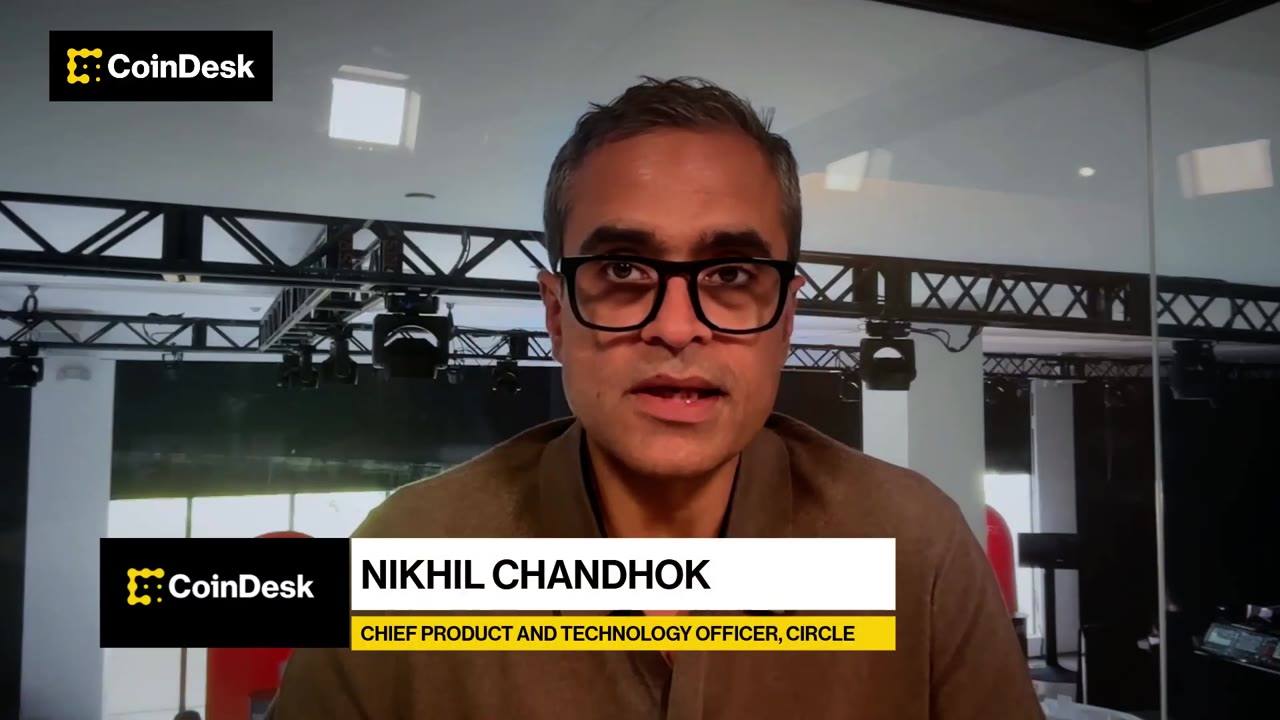
Circle: Arc to become stablecoin settlement infrastructure for institutions
Why it matters: Institutional USDC settlement infrastructure strengthens Circle's position in the stablecoin segment amid US regulatory clarity.

88.5% of Zcash funds moved to Ironwood pool, Ledger support unclear
Why it matters: Whether holders can safely move and use their ZEC depends on wallets and exchanges adding Ironwood support.