DeFi, stablecoins and network upgrades

Trump-linked WLFI tokens worth $800M locked until May 2028
Why it matters: The lockup removes the risk of a sharp increase in WLFI supply before 2028, but ties the asset to regulatory risks surrounding Trump and the CLARITY Act.

WisdomTree connects tokenized Treasury fund to MoonPay
Why it matters: Tokenized funds are gaining a retail distribution channel reaching tens of millions of users, accelerating competition for the tokenization of traditional assets.
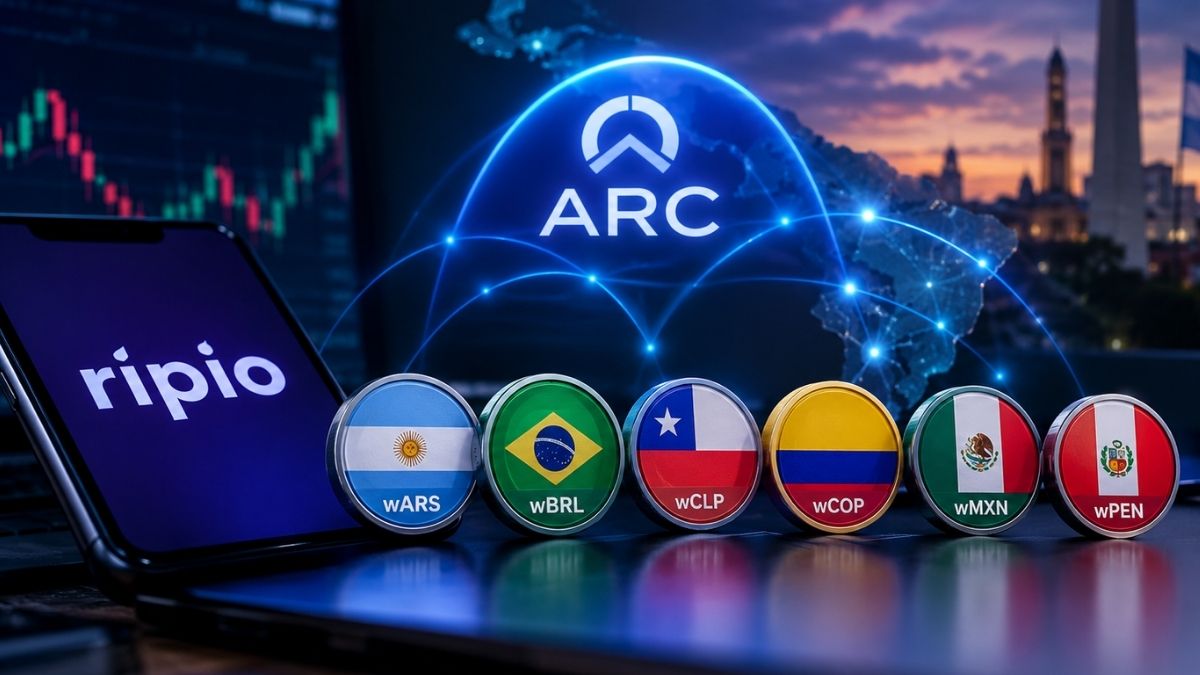
Ripio launches six Latin American currency stablecoins on Arc network
Why it matters: It expands the supply of local stablecoins in Latin America and strengthens the Arc ecosystem.
Genius Launches genius.fun to Fractionalize Tokenized Shares and Buy Real Companies
Why it matters: If the model works, tokenized equities would gain a new use case: collective buyouts of public companies.
Arc network DEX logs $72.6 million and 574,000 trades in first day
Why it matters: The first metrics show how quickly the Arc ecosystem is gaining real activity after the mainnet launch.

Robinhood Chain launchpad volumes fall to $399M ahead of gas subsidy expiry
Why it matters: The end of the gas subsidy could crush speculative activity on the network and test the resilience of its memecoin ecosystem.
Hyperliquid leads 30-day perpetual futures volume at $240B
Why it matters: Hyperliquid is cementing its dominance in the derivatives segment, significantly outpacing the largest L1 and L2 networks in trading activity.

Pendle launches yield trading for tokenized infrastructure via NGI+
Why it matters: Pendle is extending its yield-trading model to institutional RWA assets, reinforcing the bet on traditional finance inflows into DeFi.

Virtuals Protocol launches on Circle's Arc network
Why it matters: It expands the Arc ecosystem and could accelerate the growth of tokenization and DeFi applications on the new network.

Lido completes first validator consolidation: 8.4 million ETH to move into CMv2
Why it matters: Improved staking efficiency at the largest protocol could boost ETH inflows into staking and affect the asset's supply.

SparkLend: USDS loans top $800 million, a new all-time high
Why it matters: Rising demand for USDS loans at a managed rate shows the Sky ecosystem's growing role in DeFi lending.

CoinShares: prediction market volume rose to $43.7B per month
Why it matters: Prediction markets are becoming a notable source of activity for Solana and Hyperliquid, but so far they barely convert into protocol revenue.
Zilliqa to hold second hard fork on September 22 for exchange ZIL migration
Why it matters: The migration affects ZIL deposits and withdrawals on major exchanges, so temporary suspensions of operations are possible.

Arc network yield tops $220M thanks to Morpho
Why it matters: Growth in Morpho vault deployments signals a return of interest in DeFi yield and strengthens Arc's position as infrastructure.
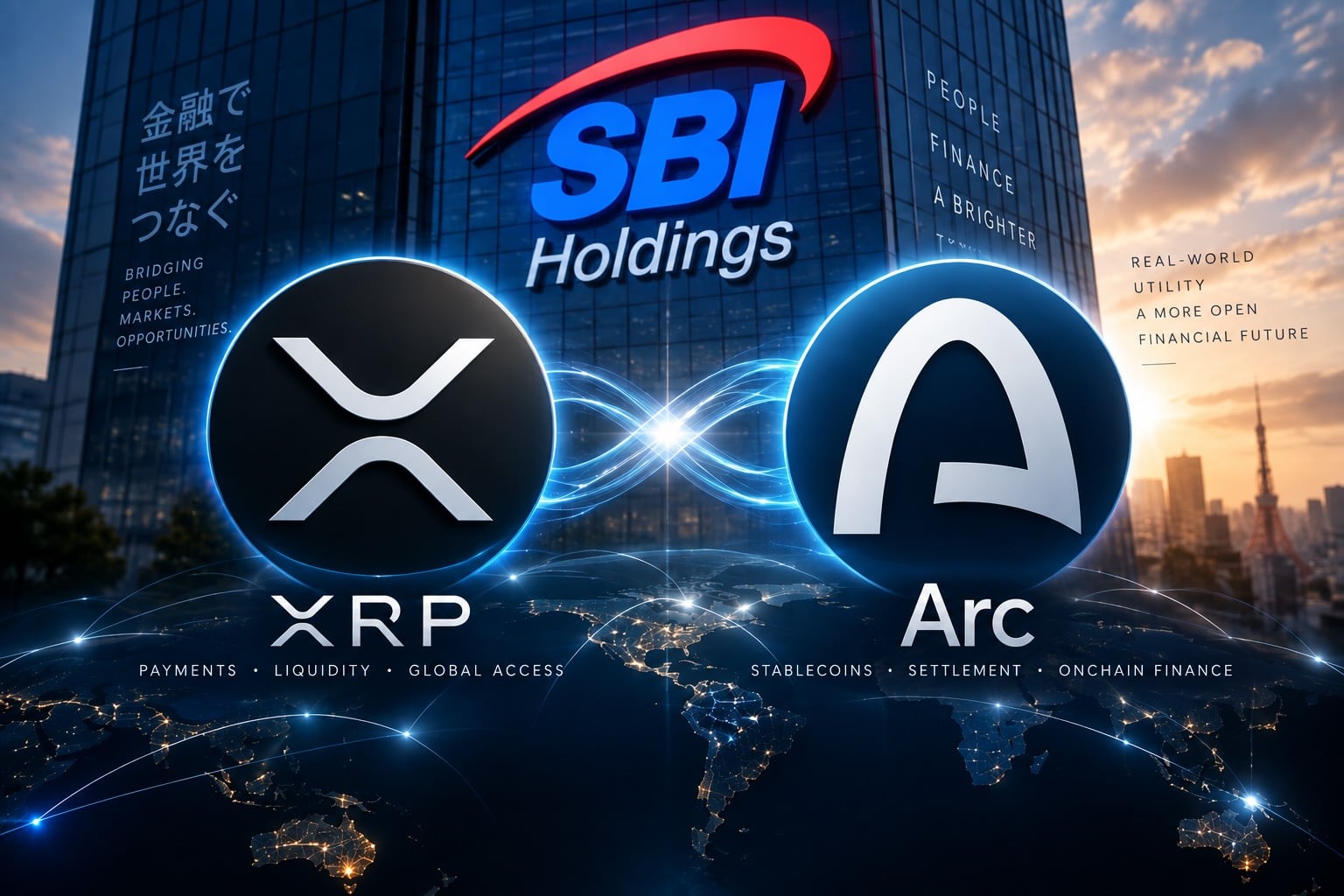
SBI becomes a validator on Circle's Arc while keeping its Ripple stake
Why it matters: Major financial groups are hedging their bets between XRP and USDC infrastructure, and the outcome of that choice will determine whose rail becomes the standard for institutional settlement.
Zama expands confidential access to DeFi yield through Morpho
Why it matters: Confidential yield on existing DeFi infrastructure could remove a barrier for institutional capital onchain.

Six memecoins on Circle's Arc valued at $1–3 million, led by ARGUS at $16.45 million
Why it matters: Activity on Arc confirms demand for Circle's new L1, but low liquidity and duplicate contracts increase the risk of losses for traders.

SwissBorg adds direct USDC deposits on Arc network without bridges
Why it matters: A direct on-ramp lowers entry costs to Arc and expands distribution of Circle's stablecoin network among European retail investors.
XRP Ledger activity rises: 337 XRP burned vs 319 average
Why it matters: Rising XRPL activity is positive, but the volume of burned fees is too small to affect supply — the price depends on holding the $1.27–1.30 support.

Canopy launches Banyan v2.0 upgrade without network downtime
Why it matters: The migration-free upgrade mechanism lowers risks and barriers for developers of onchain applications.