DeFi, stablecoins and network upgrades
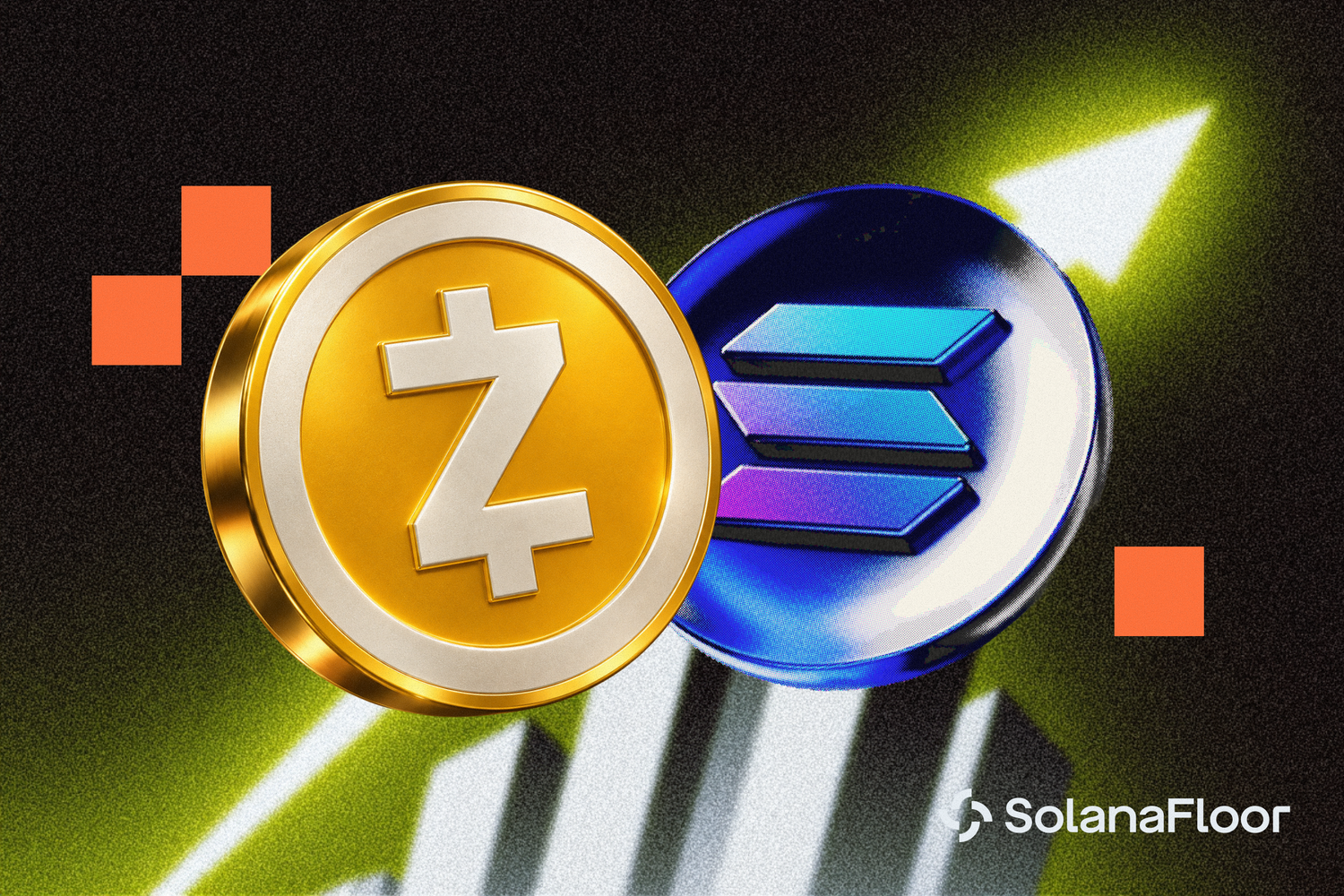
Solana leads ZEC spot trading volume as on-chain supply hits all-time high
Why it matters: The growth of ZEC's DeFi economy on Solana strengthens demand for privacy assets and draws liquidity away from other networks.

Pera Wallet processes 1 million post-quantum transactions on Algorand
Why it matters: Post-quantum security is becoming a practical use case for L1 networks as concerns grow over quantum threats to cryptography.
Arc launches 10,000 USDC micro-grant program for 20 projects
Why it matters: The program encourages early development in the Arc ecosystem, which could accelerate growth in the number of apps on Circle's network.

On-chain lending hits record: DeFi loans top $41B
Why it matters: The growth of on-chain lending and the shift to RWA collateral strengthen DeFi's role as an alternative to traditional lending.

Stabletrust Pay launches on Arbitrum with encrypted stablecoin payments
Why it matters: Private stablecoin payments could attract users, but they increase regulators' scrutiny of anonymity in DeFi.
NYLIM launches tokenized high-yield bond fund HYB on Avalanche
Why it matters: Tokenization of corporate debt by a major asset manager strengthens Avalanche's RWA segment but carries credit and liquidity risk.

Uniswap launches U-USDG pool on Robinhood Chain
Why it matters: A growing number of DEX protocols on Robinhood Chain intensifies competition for stablecoin liquidity and eases access to the network's tokenized equities.

Tokenized Traditional Assets Top $35B On-Chain
Why it matters: The growth confirms tokenization of RWAs is moving from experiment to institutional mainstream, boosting demand for blockchain settlement.
Avalanche Treasury CEO: AI agents will overload general blockchains, subnet model will win
Why it matters: The argument for isolating workloads could strengthen Avalanche's position in the race for institutional adoption against Ethereum and Solana.

Aurora Intents connects Sui to cross-chain execution via NEAR Intents
Why it matters: Simplifies capital inflows into DeFi on Sui and lowers barriers for users from other networks.

World launches World Money super app for payments and investments in 150+ countries
Why it matters: The project combines biometric identification with financial infrastructure, intensifying competition with Circle, Stripe, and PayPal in the stablecoin payments market.

Elemental Royalty offers dividends in Tether Gold
Why it matters: An example of a corporate payout in tokenized gold signals growing demand for RWA infrastructure.
INJ launches on Solana as SPL token via Sunrise and Backpack Securities
Why it matters: A native listing without bridges simplifies access to INJ for Solana users and expands its use in the network's DeFi strategies.

Wormhole confirms cross-chain capabilities for Ripple's stablecoin
Why it matters: Cross-chain support intensifies competition among stablecoins and could accelerate institutional adoption.

PROSPER launches Performance Markets on Pharos with token buybacks funded by fees
Why it matters: The model separates a speculative token from a share in a strategy, creating a market for curator reputation without transferring rights to the assets.

Tenka raises pre-seed round led by Maven 11 for on-chain private credit infrastructure
Why it matters: The project targets the illiquidity of the private credit market, giving institutions an on-chain exit from positions before loans mature.

Ethena shifts revenue model toward RWA instead of bitcoin dependence
Why it matters: Diversification into RWA and payments could make USDe more resilient in a bear market, but launching ENA buybacks requires more than doubling supply.

IXS Finance launches tokenized high-yield bond vault on Avalanche based on BlackRock ETF
Why it matters: Tokenization is moving from government bonds to riskier credit, testing DeFi infrastructure's readiness for complex credit products.
JPYC halts Ethereum stablecoin issuance after abnormal arbitrage
Why it matters: The issuance failure of a yen stablecoin and its abnormal price point to problems with JPYC's peg mechanism and centralized control.

Hyperliquid overtakes Solana in USDC volume, becomes second after Ethereum
Why it matters: The growth of USDC on Hyperliquid strengthens its futures market and, through HYPE buybacks, creates pressure on the token, shifting the stablecoin balance between networks.