DeFi, stablecoins and network upgrades

Maple Finance: tokenization does not guarantee asset liquidity
Why it matters: The thesis challenges the popular idea that RWA tokenization automatically improves asset liquidity.
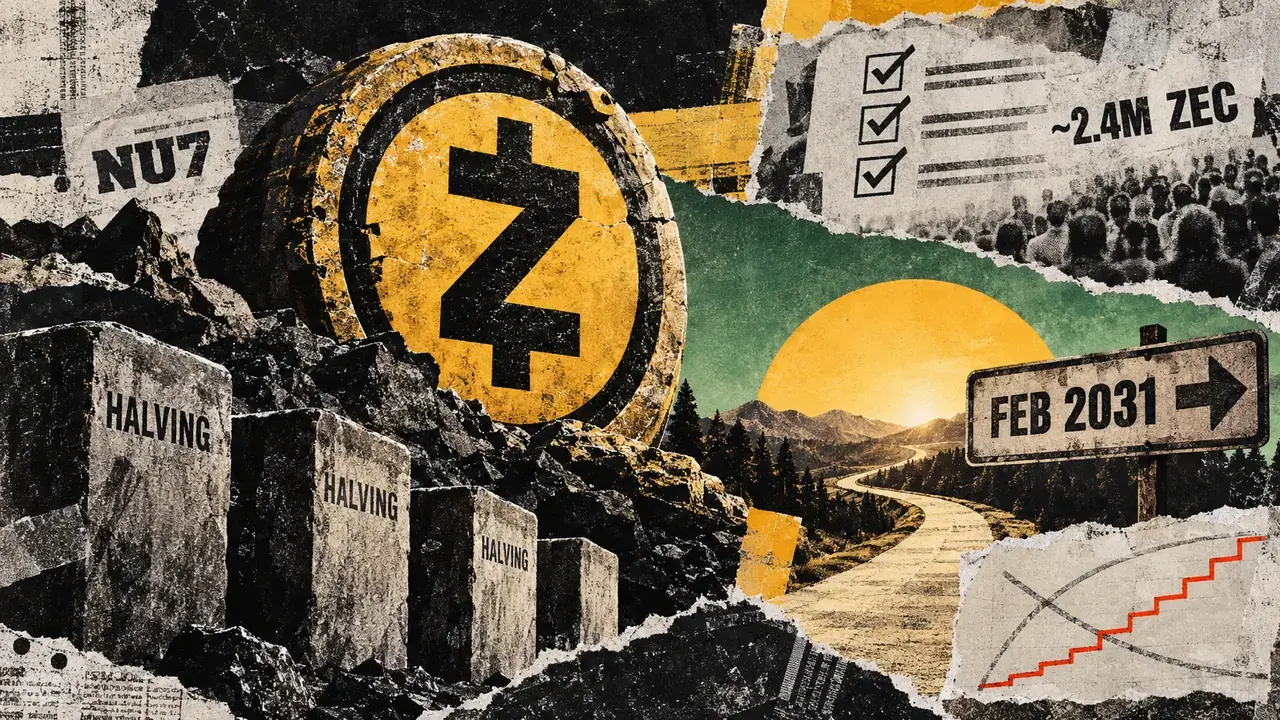
Zcash holders vote to keep halvings, delay ZEC recycling to 2031
Why it matters: The poll is advisory: it sets a course toward preserving ZEC scarcity, but NU7 activation and specifications have not yet been approved.
AIA updates ecosystem: DeAgentAI launch, token buyback and 3-year vesting
Why it matters: Directing all revenue to the fund under the control of $AIA holders strengthens the link between the token and project income, but the 3-year vesting increases future supply.

Bankr connects crypto wallets to Meta's Muse AI agents
Why it matters: Mass-market AI agents with wallets could become a new channel for on-chain activity and demand for tokenized assets.
Depots Proposal Aims to Simplify Lightning Self-Custody
Why it matters: Lower capital requirements could accelerate mass adoption of self-custodial Lightning wallets.
Latin Link Launches USDT and USDC QR Payments Across Eight Networks
Why it matters: It expands stablecoin acceptance in Latin America, where USDT and USDC are widely used for payments.
XRP Ledger Payment Volume Tops 1.1 Billion XRP in a Day
Why it matters: Rising payment volume and transactions give XRP additional support, but the drop in active users casts doubt on the sustainability of the surge.
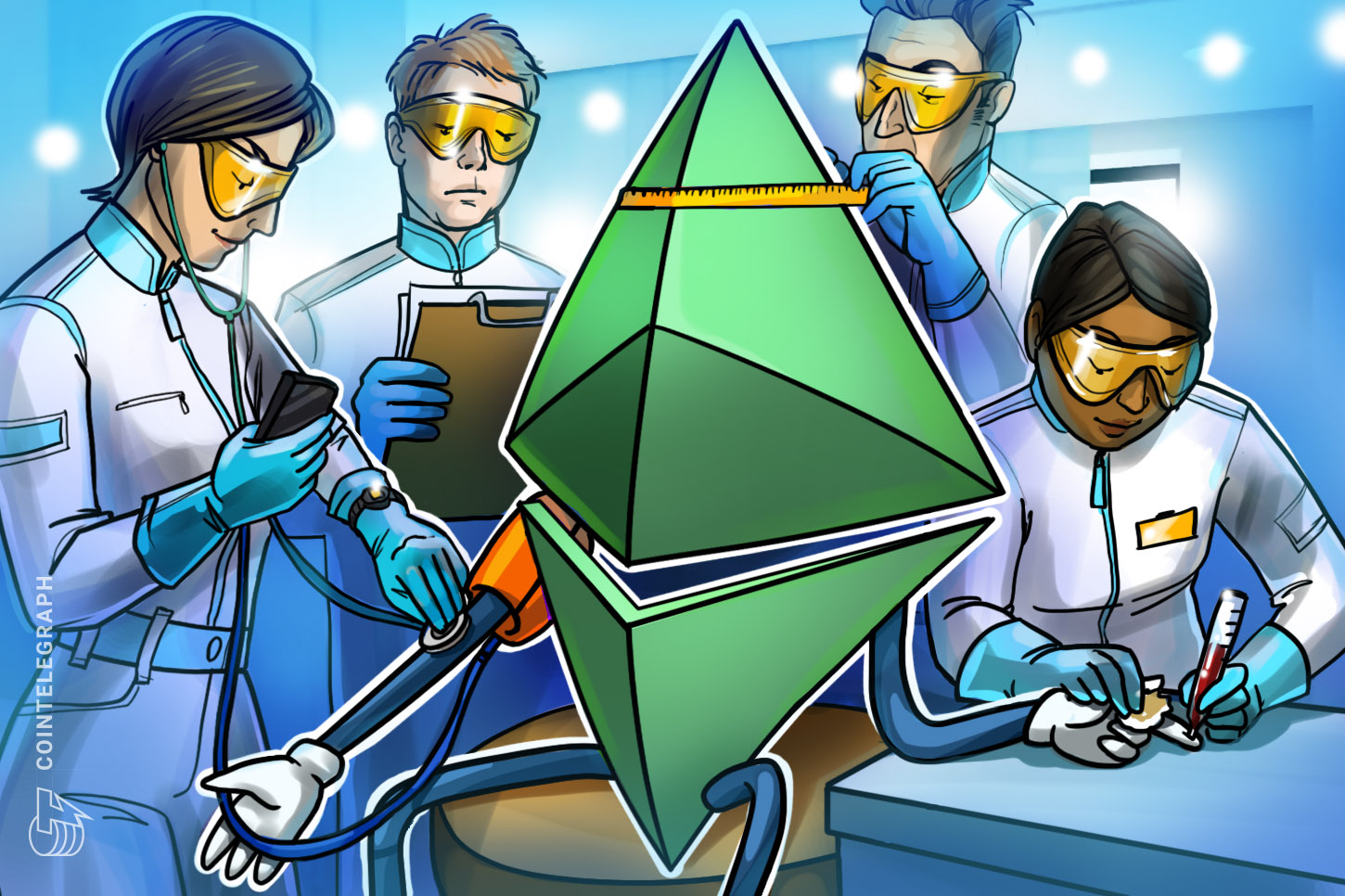
Ethereum Institutional backs shorter Ethereum block times
Why it matters: Faster blocks will cut latency and fees, which matters for the inflow of institutional capital into Ethereum.
Common Prefix formally verifies XRP Ledger lending protocol
Why it matters: A formal proof of the lending protocol's security reduces exploit risk and boosts confidence in lending on the XRP Ledger.

Solana DEXs process 208 million trades in a week, surpassing NYSE
Why it matters: The growth in trade counts and tokenized stocks on Solana intensifies competition with traditional exchanges, though the metric includes bots and small swaps.

Flipper One LoRa module transmits data 150 km without internet
Why it matters: The scheme could provide access to the bitcoin network in areas without internet, but for now it is only a data-transmission test, not full operation without nodes.
Zcash Dev Fund debate: 20% block reward vs 'encrypted bitcoin'
Why it matters: The debate will determine Zcash's funding model and its positioning as 'encrypted bitcoin' amid ZEC's rally to $1,500.

Dragonfly calls for closing Zcash development fund after 2028
Why it matters: The dispute over Zcash development funding affects the project's governance and sustainability after 2028.

Project Harmonia opens Solana access to Allfunds institutional network
Why it matters: The initiative creates a bridge between tokenized funds on Solana and the largest institutional distribution network, potentially accelerating traditional finance capital flows into on-chain funds.

Kite and Circle to build payment system for AI agents on Arc
Why it matters: It expands the use of USDC and Arc in the agent economy, creating new demand for stablecoin settlements.
Stablecoin market cap on Base network tops $5 billion
Why it matters: The growth of stablecoins on Base confirms demand for L2 settlement and strengthens the network's position in payments.
Ethereum Foundation sends $2.45M in ETH to unlabeled wallet
Why it matters: Ethereum Foundation fund movements are traditionally seen by the market as a signal of possible ETH sales.
Toss and Korea Minting complete blockchain payments PoC on Optimism
Why it matters: The pilot prepares Toss for commercialization of digital currency and could accelerate the adoption of blockchain settlements in Korea's public payments.
Aracore joins Paxos's Global Dollar Network
Why it matters: The expansion of GDN strengthens USDG's competition with USDT and USDC in institutional settlements.

Hyperliquid posts $13.48M weekly revenue, burns 156,580 HYPE
Why it matters: HYPE buybacks and burns reduce supply, but the pace depends on whether fees grow faster than the token price.