DeFi, stablecoins and network upgrades

NFT sales fall 15% to $37.5M in a week, Ethereum leads
Why it matters: Rising address counts alongside falling volume point to fragmented activity without capital inflow — a signal of weak demand for the NFT segment.

Morpho becomes Circle's Arc primary lending infrastructure
Why it matters: Institutional bitcoin-collateralized lending without selling BTC could expand demand for on-chain liquidity and strengthen the Arc, Circle and Morpho link.
Cronos proposes directing Ult and Cronos Launch revenue to CRO buyback and burn
Why it matters: Burning CRO will reduce the token's supply, which could support its price if the initiative is approved.
Hong Kong conducts first digital asset investment via HKDAP stablecoin
Why it matters: The first real use of a licensed Hong Kong stablecoin in investment products strengthens Hong Kong's position as a center for financial tokenization.

Bitcoin Core 32 to launch October 10: new fee estimates and faster validation
Why it matters: The update lowers fees for users and speeds up node operation, but operators must install the security patch.
USDC circulation shrinks by 300M in a week to $73.8B
Why it matters: The contraction in USDC issuance points to capital flowing out of the stablecoin and weaker demand for dollar liquidity in crypto.
Oracle provider Switchboard announces shutdown
Why it matters: The oracle's exit forces dependent protocols into urgent migration and strengthens market consolidation around Pyth and RedStone.

Tokenized funds on Arbitrum reach $800M
Why it matters: Growing tokenization on Arbitrum intensifies competition among L2 networks for institutional capital in the RWA segment.

Vitalik Buterin: local AI on laptops is nearing practical use
Why it matters: Local AI could improve wallet privacy, but transaction authorization and protection against malicious instructions remain unresolved.
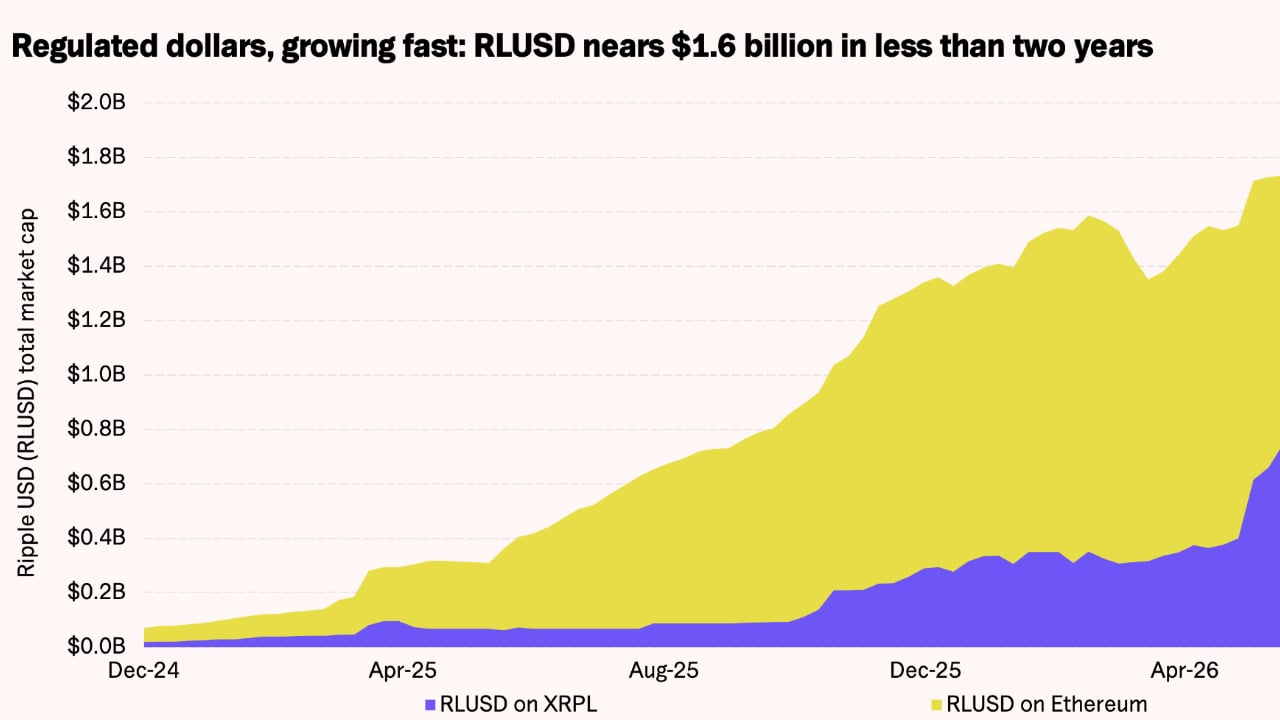
21Shares: rising XRPL activity will support XRP demand
Why it matters: Growing XRPL activity could support XRP demand through fees and reserves, but the link is indirect since issued assets are not denominated in XRP.

Clearpool Finance to expand institutional lending on XRP Ledger
Why it matters: A successful launch of Clearpool's products could increase the utility of the XRP Ledger and support XRP's valuation.

HYPE hits record $94.43 as Payward plans US on-chain perpetuals
Why it matters: The launch of on-chain perpetuals for the US could broaden institutional access to Hyperliquid, but the service is still only in the planning stage.

PayPal launches PYUSDx platform for issuing stablecoins
Why it matters: PayPal is turning PYUSD into an infrastructure layer for third-party issuers, intensifying competition with Tether and Circle.
EIP-8365 proposed to exit Ethereum validators with legacy 0x00 credentials
Why it matters: The proposal could return ETH from validators with lost keys to circulation, but caution is needed as the rule would affect all validators in the 0x00 class.
NEAR jumps 24.5% to $3.45 on AI payments and Confidential Intents TVL growth
Why it matters: The rally confirms demand for NEAR's AI infrastructure, but rising open interest increases the risk of long liquidations on a pullback.

Hyperliquid TVL hits $6.76B, overtakes Arbitrum by network TVL
Why it matters: Rising TVL and HYPE burns tighten token supply, but reliance on perpetuals makes the ecosystem sensitive to volatility and funding rates.

Whale Alert: $174M USDC transferred to Aave protocol
Why it matters: The liquidity inflow into Aave could boost DeFi activity and affect lending rates and trading strategies.
PEPE launches on Solana network via Sunrise platform
Why it matters: PEPE's expansion to Solana could attract new users and increase the memecoin's liquidity.
Linera shuts down: token sale misses minimum, funds returned
Why it matters: Another failed public round for an L1 project shows the market is unwilling to fund new networks without a working product.

ZKsync open-sources Prividium permissioning engine
Why it matters: Adoption of the technology by Germany's central bank could accelerate the integration of blockchain solutions into traditional finance.