Crypto news today
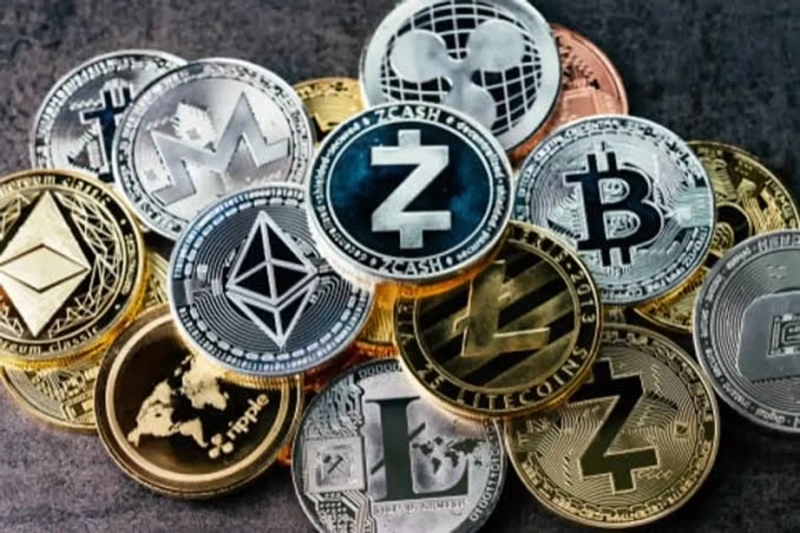
Bloomberg Intelligence: high crypto-stock correlation leaves market stuck
Why it matters: It signals that crypto offers no diversification from stocks and remains a risky asset under any scenario.
Russia's Finance Ministry: about 20 million citizens use cryptocurrencies
Why it matters: The estimate of the market's scale matters for future crypto taxation and regulation in Russia.

Vitalik Buterin to present EIP-8288 talk at ETHShanghai 2026
Why it matters: Quantum-resistant signatures are critical for Ethereum's long-term security, but their adoption depends on lowering data costs.

Russia's central bank proposes 1% capital cap on banks' crypto risk
Why it matters: The rules set a hard capital barrier for Russian banks' crypto exposure and will determine how banks can hold client digital assets.
Binance integrates Ethereum into Web3 wallet, launches chat with crypto transfers
Why it matters: Easier access to DeFi through the largest exchange could attract new users and intensify competition among wallets.

Avalanche prepares Helicon as Wall Street interest in tokenization grows
Why it matters: If Wall Street chooses Avalanche for tokenized stocks and bonds, the network could see a major inflow of institutional capital and fees.

XRP burn rate jumps 84.3% as network activity declines
Why it matters: Rising burns amid falling activity point to a shift in XRPL's on-chain load profile, but the volume is too small to affect supply.
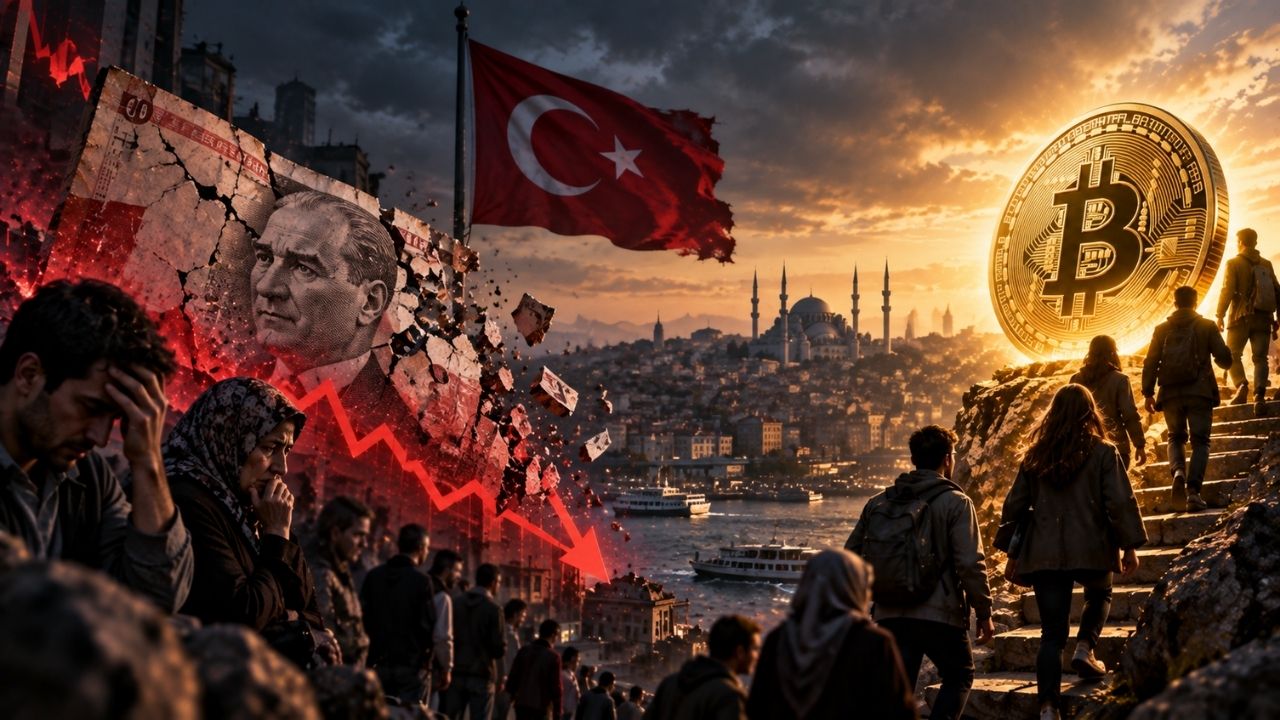
Turkey's financial crisis: lira at 48.8 per dollar, BIST 100 falls 8.18%
Why it matters: The lira crisis strengthens the case for bitcoin as a safe-haven asset, but in acute phases investors may sell risk assets for cash.

Bitcoin rises 30% in a month to $81,813, key support at $78,000
Why it matters: Holding $78,000 will determine whether the rally becomes a new trend or just a bounce within a correction.
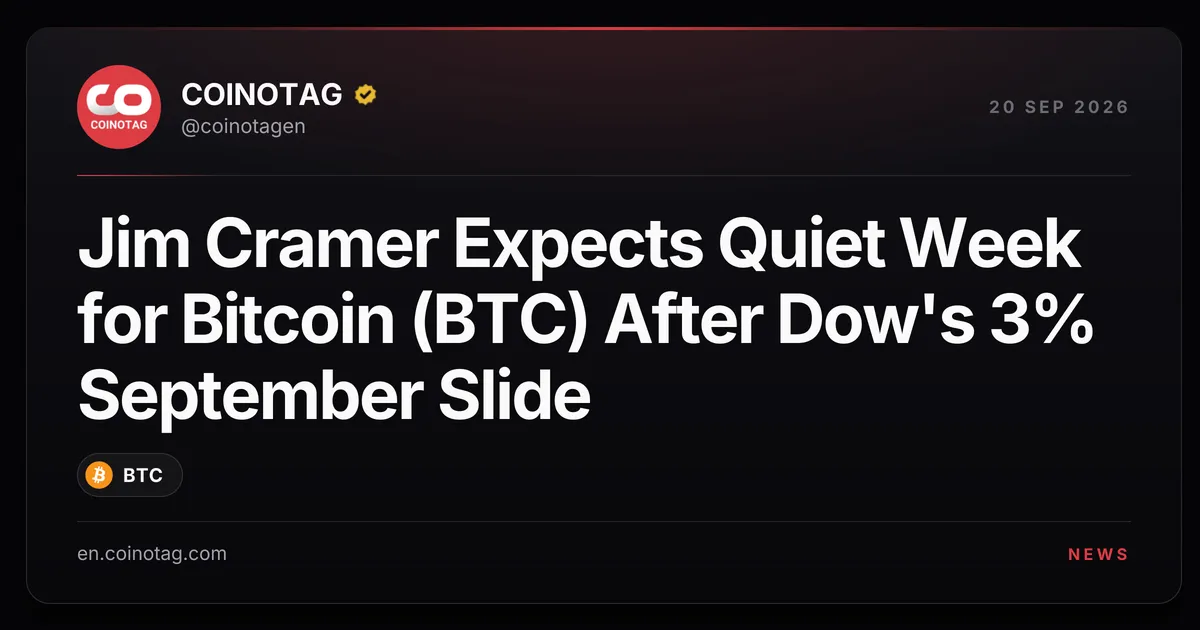
Jim Cramer expects a quiet week for bitcoin after Dow falls 3% in September
Why it matters: The absence of macro events reduces BTC volatility but leaves the market without catalysts to break key levels.

US spot bitcoin ETFs pull in $592.5M over two days
Why it matters: The return of ETF inflows supported bitcoin above $80,000, but a break through $82–83K remains key for continued gains.
Toyosa starts accepting bitcoin for Toyota purchases in Bolivia
Why it matters: The expansion of crypto payments at a major auto dealer shows growing adoption of digital assets in Latin America after regulatory easing.
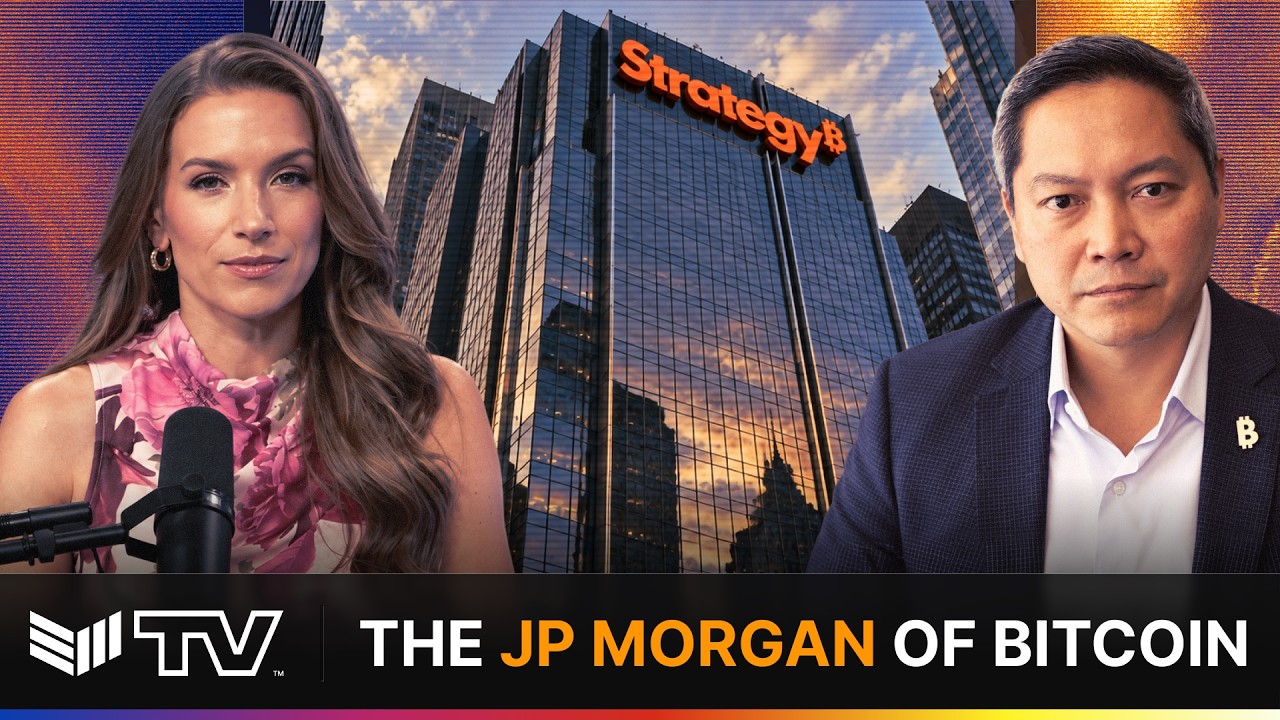
Strategy CEO: we want to be the JPMorgan of bitcoin
Why it matters: A signal that the largest bitcoin treasury is shifting toward a banking infrastructure model for the crypto market.
Saylor hints at new BTC purchase: Strategy holds 845,050 bitcoins
Why it matters: New Strategy purchases support bitcoin demand and serve as an indicator of institutional sentiment.

MemeCore (M) jumps 35% to $1.74, open interest up 44%
Why it matters: The rally is driven by derivatives, but outflows in futures and spot point to profit-taking — risk of a pullback to $1.2.

Binance expands auto-invest feature for tokenized stocks
Why it matters: Exchanges are increasingly competing with brokers through tokenized stocks, blurring the line between crypto and traditional markets.

6 Nobel economics laureates back California billionaire tax, Ripple's Larsen opposes
Why it matters: The November 3 vote will show whether voters back a tax on crypto and tech wealth, potentially setting a trend for other states.

Family of crypto worker kidnapped in France; four suspects flee
Why it matters: The incident heightens security concerns for crypto industry workers and could prompt new protection requirements.

Bitcoin rises 2.2% in September despite weak seasonality, $100M sell wall at $83K
Why it matters: A break above the $83K-$86K zone would open the path to new highs, while a rejection would send the price back to support at $78K-$80K.

Average SHIB inflow to exchanges tops 800 million tokens per day
Why it matters: Rising SHIB exchange supply increases the risk of seller pressure, but the weak 7-day trend suggests a short-term spike.