Crypto news today

Three events this week: Fed speeches, PMI and Trump-Xi meeting
Why it matters: Fed signals on further tightening and geopolitics will determine whether bitcoin holds above $80,000.
Binance Wallet launches Polymarket/USD1 perpetuals with up to 3x leverage
Why it matters: The exchange is widening access to Polymarket prediction markets through perpetuals and tokenized collateral.

Hyperliquid adds trailing stop for perpetual futures
Why it matters: It expands the risk-management toolkit on the largest on-chain derivatives venue, which could attract active traders.
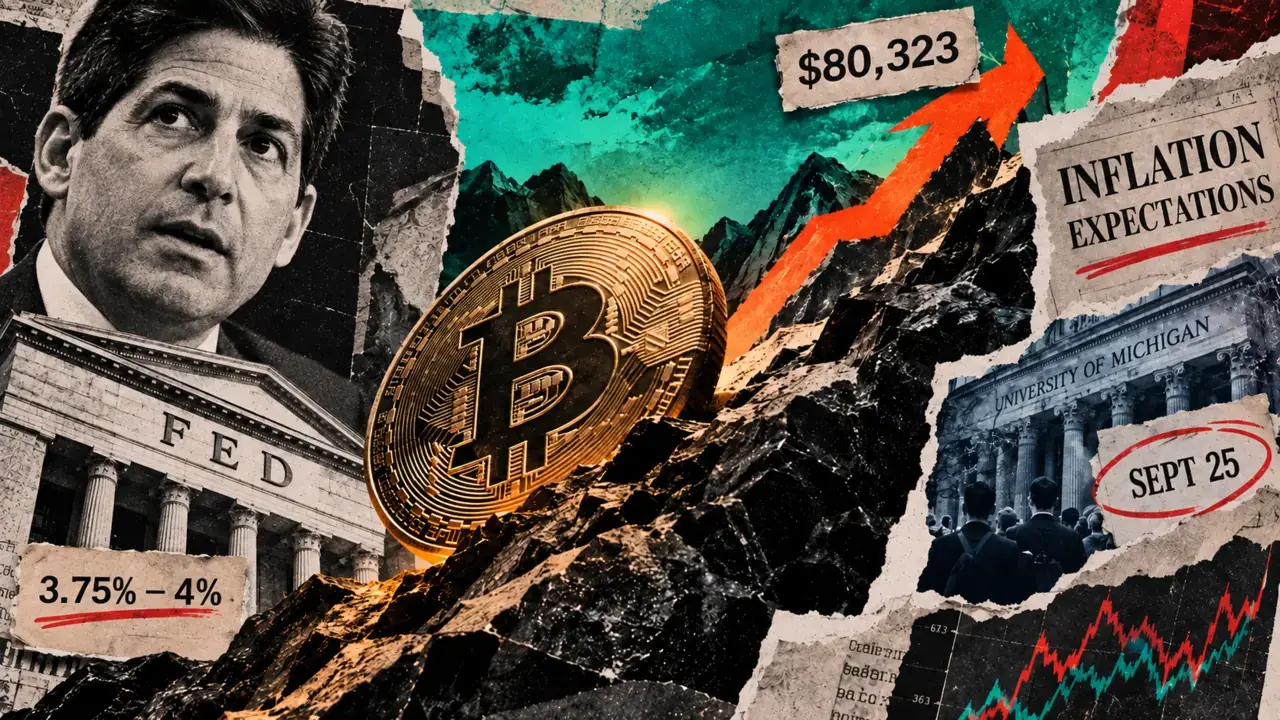
Bitcoin above $80,000: $95,157 December forecast, inflation and BOJ rate in focus
Why it matters: Whether the rebound above $80,000 holds depends on inflation expectations and ETF flows; soft data would support a move to $82,500–85,000, while hot data would bring back $77,500.

Deribit rolls out new matching engine, cutting latency to microseconds
Why it matters: Consistently low latency reduces the risk of trading on stale quotes and could deepen liquidity in Deribit's derivatives markets.

KB Kookmin Card joins Mastercard CPP to test stablecoin payments
Why it matters: A major card issuer is testing stablecoin payments, accelerating crypto's integration into traditional payment infrastructure in Asia.

Korea Investors Service to rate credit risk in digital finance
Why it matters: The emergence of ratings for crypto companies will make it easier for institutional investors to assess risk and speed up capital inflows into the sector.
Kalshi rejects claims of fake crypto trading volumes
Why it matters: The dispute over the reliability of Kalshi's volumes could undermine trust in prediction-market metrics and draw regulatory scrutiny.

Upbit weekly trading volume rises 22.4% to $9.9B, led by XRP
Why it matters: Rising activity on South Korea's largest exchange and XRP's lead point to stronger altcoin demand in the Asian region.
Crypto market Sept 21: Bitcoin $81,590, $332.2M liquidated
Why it matters: The dominance of short liquidations points to a short squeeze and a cautious market rebound after the recent decline.
Whales moved 1.6B XRP to Binance in 30 days, most since March
Why it matters: Growing XRP exchange reserves raise short-term supply and could add price pressure if the market turns.

After CLARITY failure, Saylor urges push for 50M users
Why it matters: Betting on existing SEC and CFTC authority instead of legislation speeds up product launches but leaves the market without a permanent regulatory framework.

Bitcoin above $81,000 ahead of Trump-Xi meeting; markets eye Iran
Why it matters: The Sept. 24 Trump-Xi meeting could set the geopolitical backdrop and risk appetite, influencing bitcoin and oil.

Dogecoin above $0.088 on $284.5K DOGE-ETF inflow, whale buying
Why it matters: Returning DOGE ETF inflows and whale buying could reinforce the memecoin's rebound, but cautious futures sentiment caps gains.

Bitcoin starts week above $81,000 as market eyes Japan
Why it matters: Yen weakness and the risk of Bank of Japan intervention could increase volatility in global markets and affect appetite for risk assets, including bitcoin.
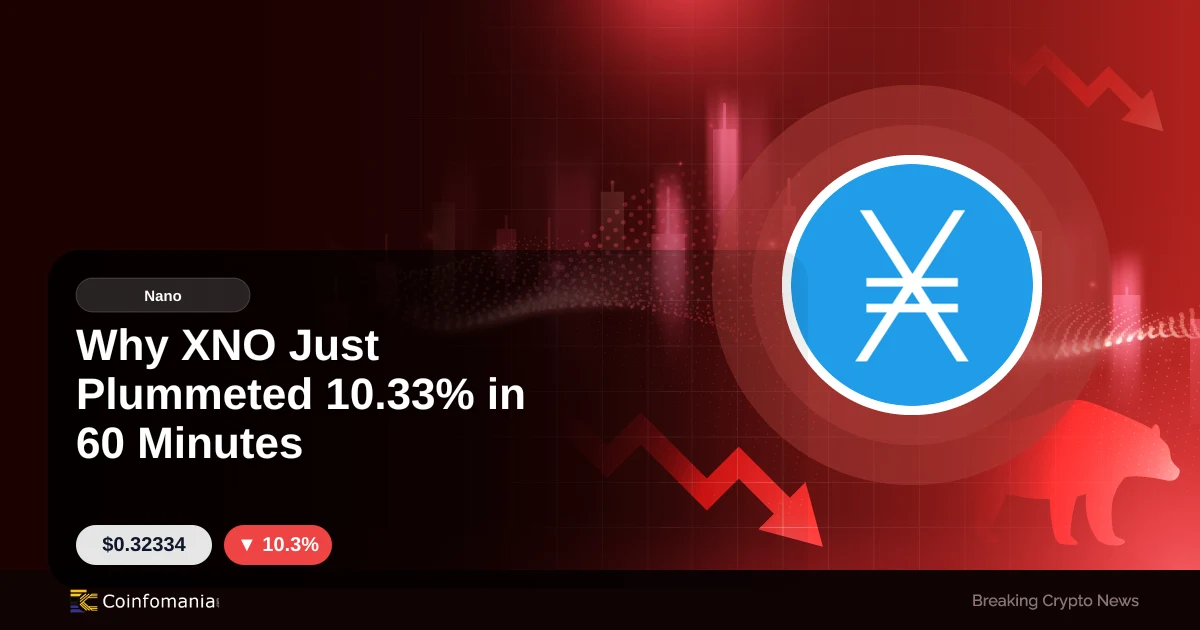
XNO plunges 10.33% in an hour to $0.323
Why it matters: The nearest support is $0.32: a break below would increase selling pressure, while a rebound would revive buyer interest.

Bitcoin tops $81,000 amid macro factors and rising oil prices
Why it matters: Breaking $81,000 on the macro backdrop could open the way to new levels, but sustainability depends on rate and oil dynamics.
South Korean crypto stocks rise alongside bitcoin
Why it matters: The rise in Korean crypto stocks reflects increased risk appetite amid bitcoin's rally.

Trader Boomer earns $12.27M in 30 days on Hyperliquid
Why it matters: It shows how large on-chain trader positions on Hyperliquid are tracked by the market and influence sentiment on ZEC and ETH.
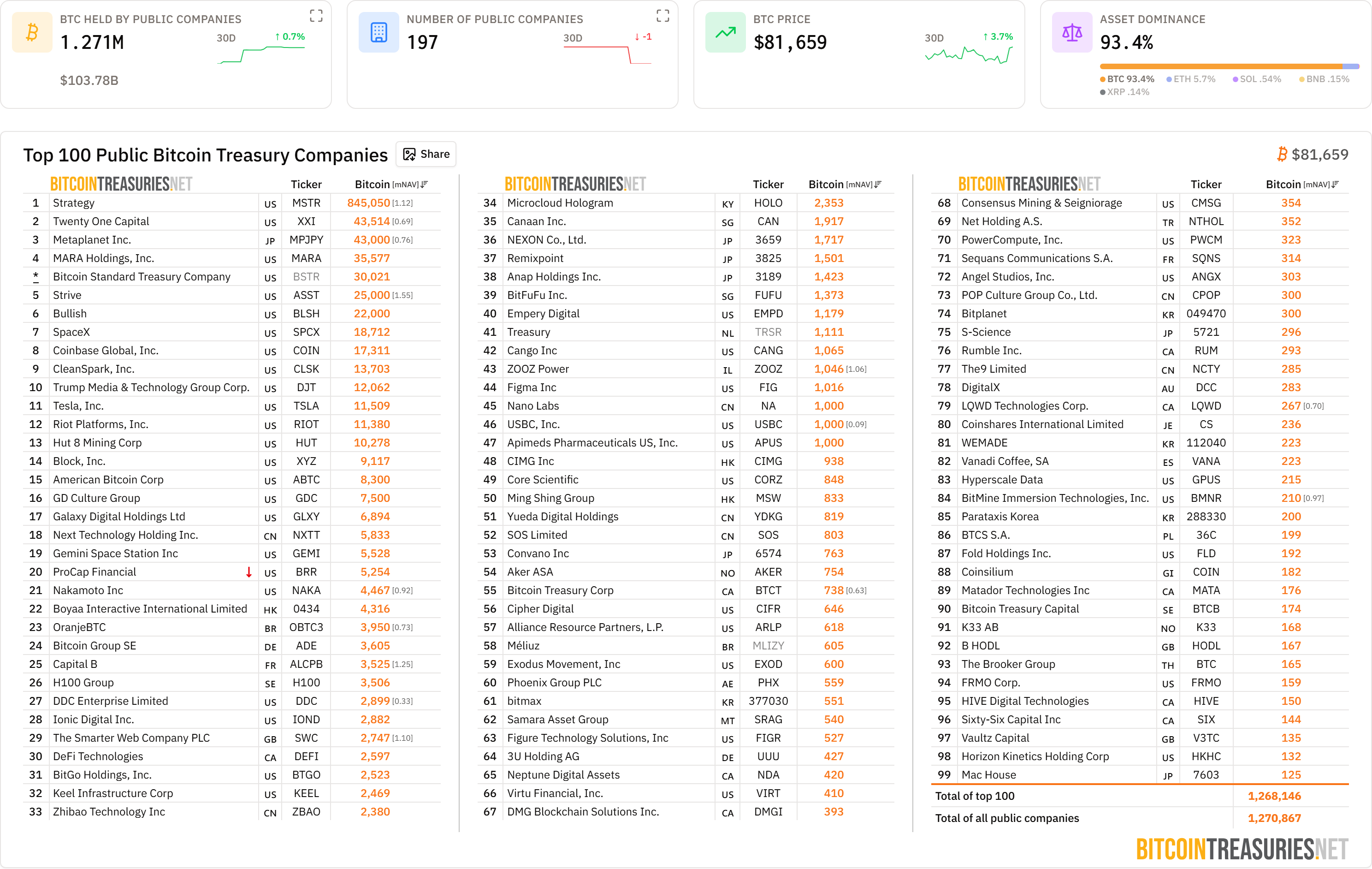
Institutions hold 4.15M BTC: Strategy at 845,050, BlackRock IBIT at 786,654
Why it matters: Growing institutional and government reserves reduce the free supply of BTC, supporting the price in the medium term.