Crypto news today

Canton (CC) Jumps 6% to $0.118 on Volume 73% Above Average
Why it matters: The post-liquidation bounce looks fragile: without sustained volume, the rally could reverse at the $0.1198 resistance.

Litecoin rises 2.61% to $60.22 on volume nearly double its 30-day average
Why it matters: Rising volume confirms fresh capital inflows, but the approach to overbought levels raises the risk of a pullback toward $57–58.

Telegram Token Trading Goes Live on Robinhood Chain via Zappin
Why it matters: Embedding trading in Telegram could broaden retail access to tokens within the Robinhood Chain ecosystem.

Bitcoin at $86,000: Fresh Leveraged Bets Drive Rally Higher
Why it matters: The rally's durability hinges on whether spot and ETF demand keep pace with the derivatives-driven surge; without it, the move could reverse quickly.
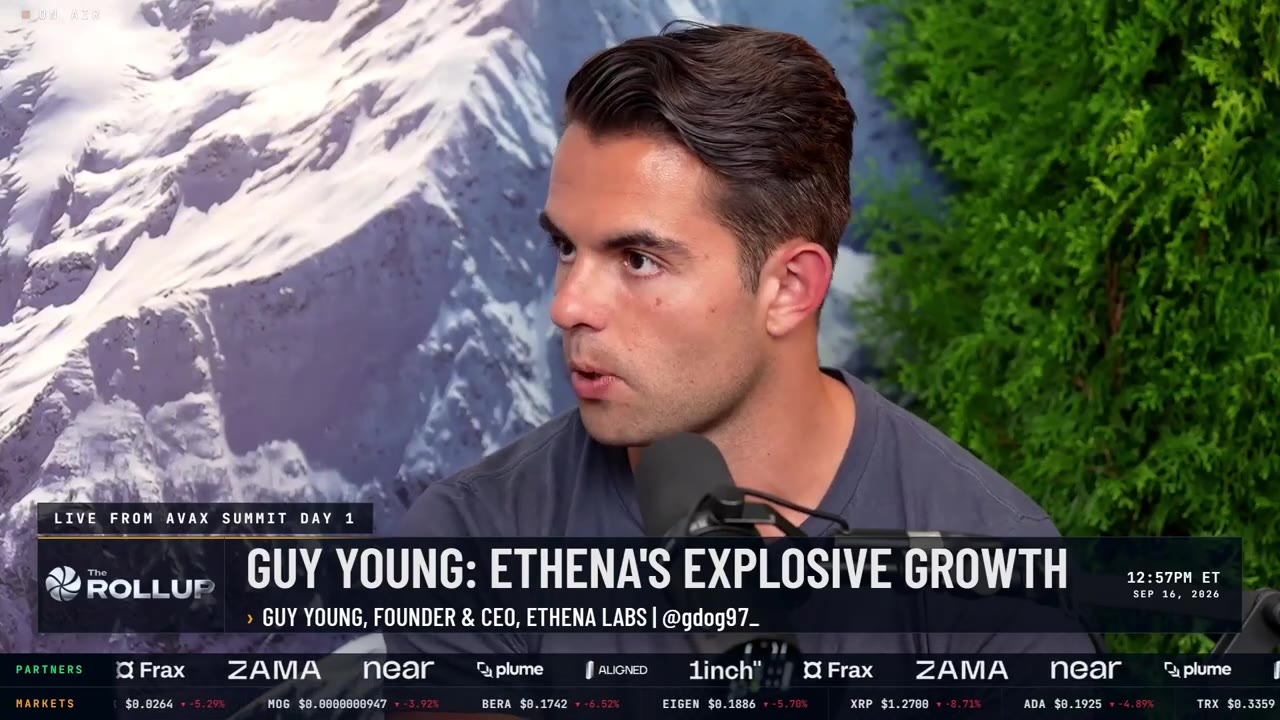
Ethena founder says $30B flowed through USDe with zero losses
Why it matters: Growing confidence in USDe and a broader collateral base reduce risks for DeFi's largest synthetic dollar.

FLOKI Jumps 12.73% to $0.00003002 as Bitcoin Rally and Short Squeeze Lift Meme Coins
Why it matters: Meme-coin gains rest on the short squeeze and ETF inflows; momentum may fade once liquidations end.

Bitcoin Hits 7-Month High as FOMO Peaks, but Two Signals Flash Caution
Why it matters: The rally rests on a short squeeze and retail FOMO rather than US spot demand, leaving its durability in question.

Analysts See Liquidity Returning to Crypto Market as Stablecoin Supply Hits $306.7B
Why it matters: Improving liquidity and spot demand could support a broader recovery, but rising leverage makes the market more sensitive to sentiment shifts.

Cambodia opens 120-hectare scam park No. 8 tied to Prince Group to media for first time
Why it matters: The case highlights the scale of crypto-enabled scam operations in Southeast Asia and the largest Bitcoin seizure in US history.
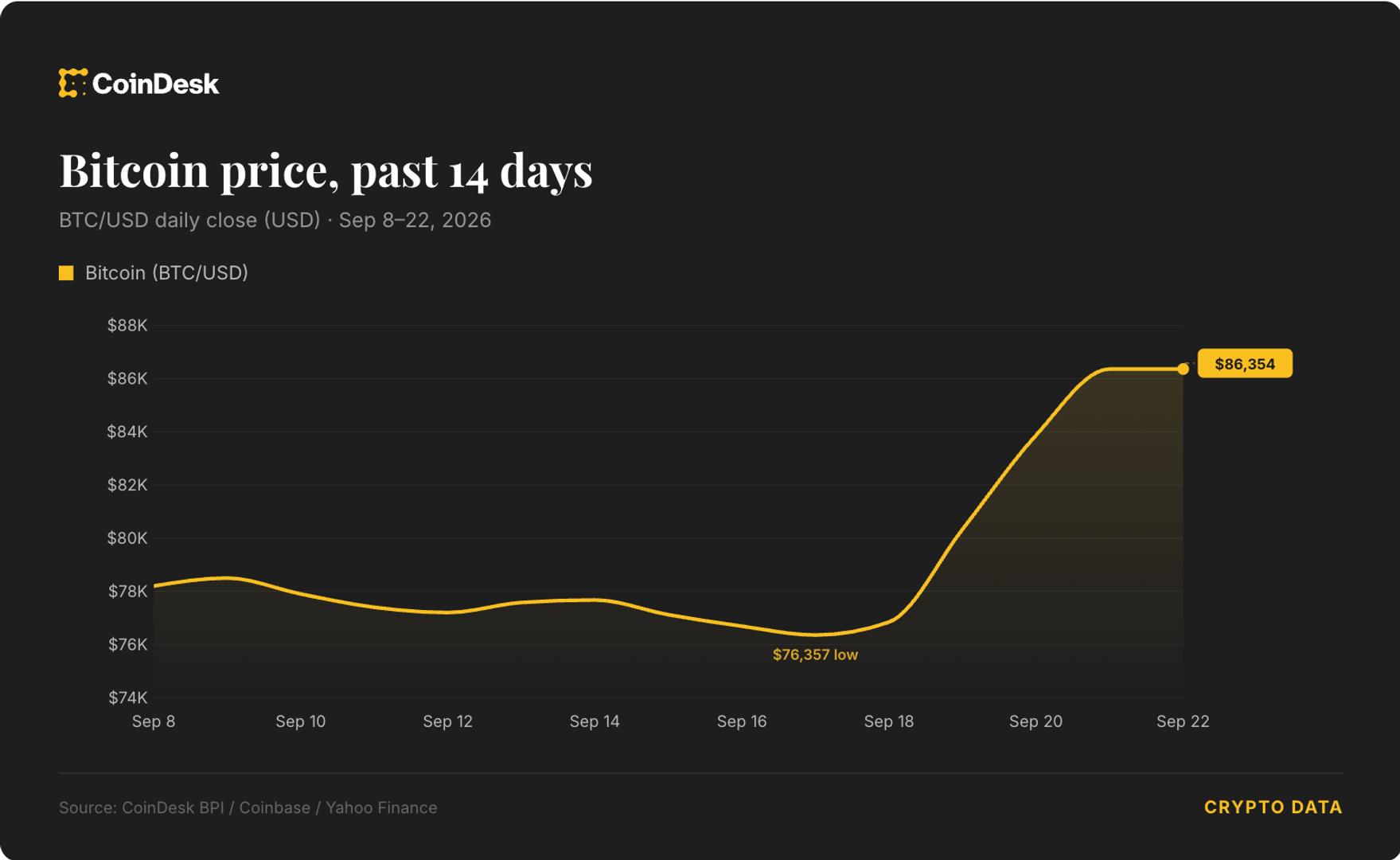
Oil falls as Iran signals possible Hormuz reopening, bitcoin holds near $86,000
Why it matters: Easing tensions around Hormuz reduce the geopolitical risk premium, which could support risk assets including crypto.

Crypto's wild boom-and-bust cycles are fading, Solstice CEO says
Why it matters: Lower volatility and growing institutional capital are reshaping market structure, affecting trader strategies and risk assessment.

Cardano Outlines Escrow-Based Payments for AI Agents
Why it matters: If the standard gains traction, it could set the format for autonomous micropayments between AI agents, though adoption depends on deployments beyond Cardano.

Bitcoin, Ethereum, XRP rally slows as ETF inflows surge
Why it matters: Extreme greed and record ETF inflows support the uptrend but raise the odds of a profit-taking pullback.

FLOKI Rallies 14% in 24 Hours, 24% on the Week as Bitcoin Tops $87K
Why it matters: FLOKI's rally rides Bitcoin's macro momentum rather than a token-specific catalyst; a BTC drop below $82,000 risks a fast unwind to $0.000021–0.000024.

Monero slips 1.29% to $568 after 12% weekly rally
Why it matters: Privacy tokens remain in focus after Zcash and Monero rallies; the pullback may be profit-taking before the trend resumes.
Bloomberg: World Liberty made millions selling tokens while promised partnerships stalled
Why it matters: The report intensifies scrutiny of politically linked crypto ventures and could raise regulatory risk for WLFI-related tokens.

Zcash rally stalls as ZEC holds above $1,500 after 81% monthly gain
Why it matters: The pullback may be profit-taking, but overbought readings raise the risk of a deeper correction across privacy tokens.

Pi Network Protocol v27 Completes Final Testnet Step as PI Slips Below $0.09
Why it matters: A mainnet smart contract rollout would broaden Pi's functionality, but the bearish technical setup keeps pressure on the token.

Capital.com Moves on UK Crypto Market with Head of Risk Hire
Why it matters: Brokers are positioning ahead of the UK's full crypto licensing regime in 2027, which will decide who can serve British users.

Franklin Crypto's Perkins: Regulators Delivered Clarity Without Congress
Why it matters: Institutions now have regulatory clarity from agencies rather than statute, but the SEC exemption expires in five years and CFTC guidance is non-binding, leaving long-term rules uncertain.