Crypto news today

"Disaster Girl" meme sold as NFT for 180 ETH
Why it matters: The deal confirms demand for meme NFTs but does not affect the price of ETH or the broader market.

Robinhood CEO: tokenized stock issuance needs no issuer consent
Why it matters: The dispute sets a precedent for the tokenized stock market: it will determine whether brokers can issue such products without issuer approval.
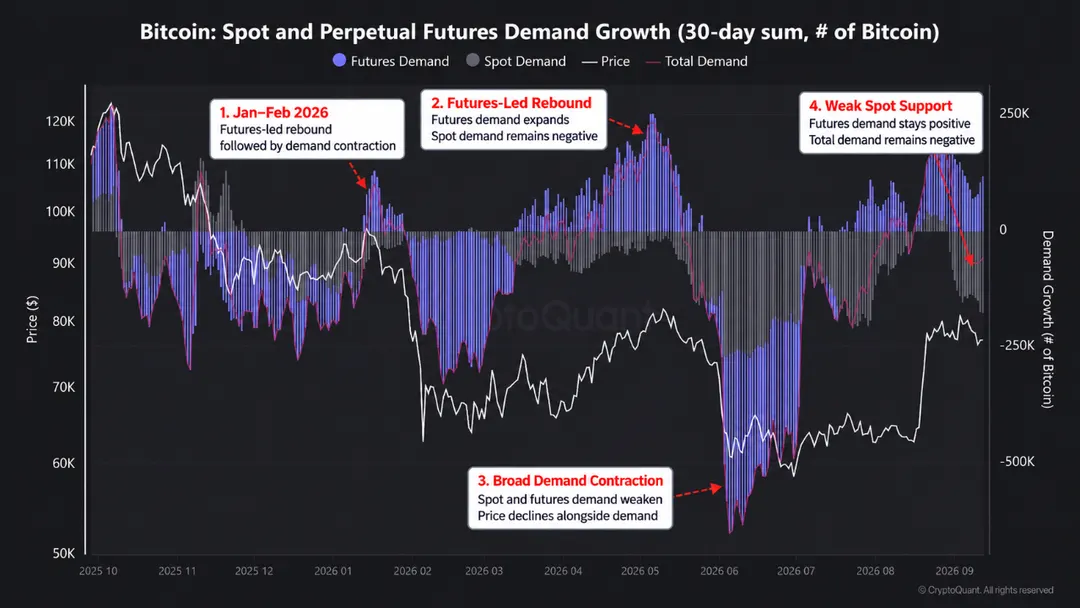
CryptoQuant: Bitcoin rally driven by derivatives amid weak spot demand
Why it matters: Rallies without spot support have historically ended in corrections, raising risks for BTC holders.
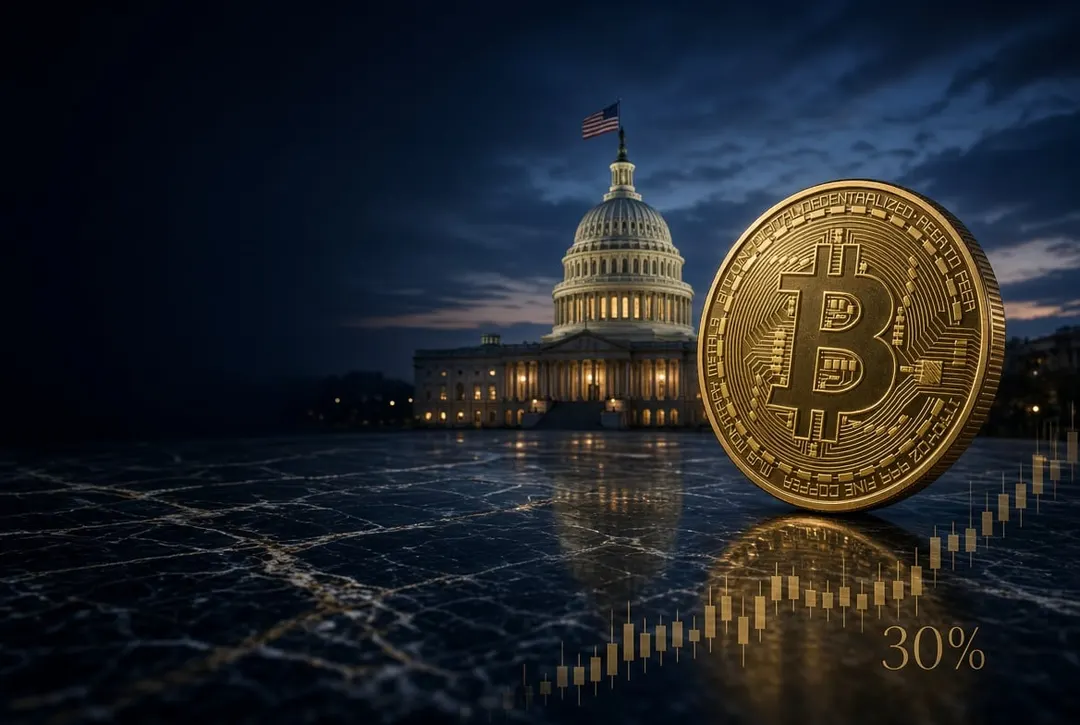
Senator Lummis unveils final CLARITY Act text, approval odds rise to 30%
Why it matters: The CLARITY Act could give the U.S. its first full regulatory framework for crypto, but November's midterm elections delay a final vote.
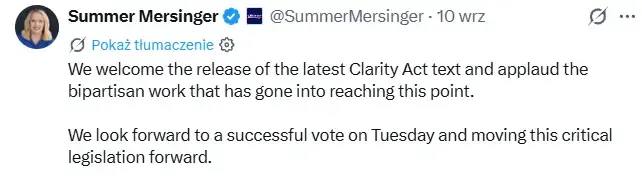
US Senate to vote on CLARITY Act: outcome uncertain
Why it matters: The outcome of the vote will determine the regulatory environment for the US crypto market for years to come.

Key week: Clarity Act vote, Fed decision and Bank of Japan meeting
Why it matters: The Clarity Act vote will determine the fate of crypto regulation in the US, while Fed and Bank of Japan decisions will set the tone for risk assets.

SOL rose 41.5% in August, but crypto is down year-to-date
Why it matters: The August rally is a recovery from a drawdown, not a confirmed reversal; the FOMC outcome will determine the further trajectory of crypto.

US DOJ seizes illegal marketplace and freezes $52 million in crypto
Why it matters: The strengthening of international raids against scam infrastructure reduces the volume of fraudulent schemes and increases regulatory pressure on the crypto space.

Orenburg man to face trial over 4 million ruble mining equipment fraud
Why it matters: The case highlights the growth of mining-related fraud in Russia and the risks of equipment partnership schemes.
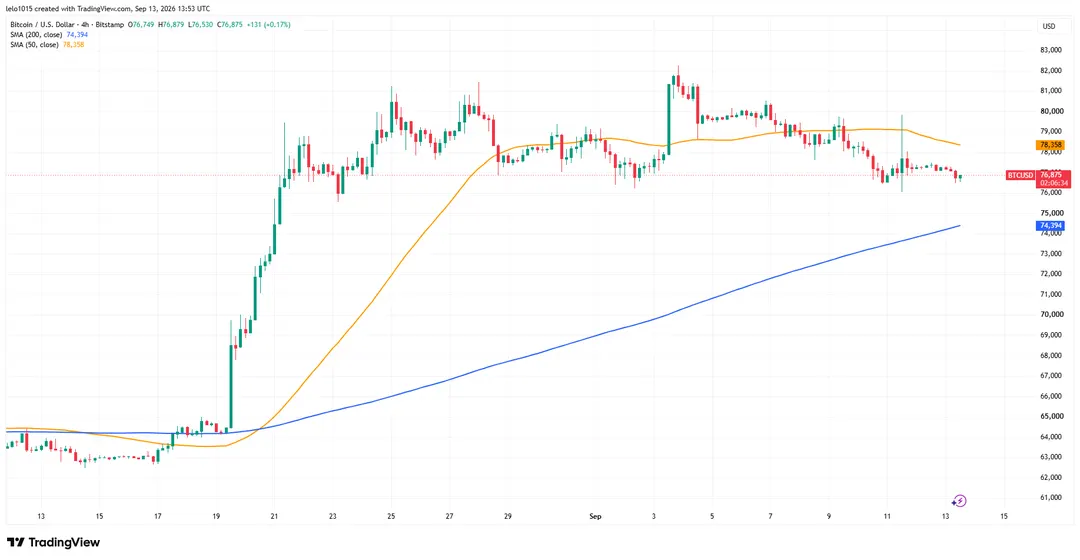
Key week for bitcoin: Fed, Bank of Japan and CLARITY Act vote
Why it matters: The week's outcomes will determine the trajectory of BTC and the entire market for the fourth quarter: rates and the fate of the CLARITY Act will set the direction.
$153.55 million in leveraged positions liquidated in 24 hours, 76% longs
Why it matters: The predominance of long liquidations and outflows from BTC ETFs point to trader caution ahead of the Fed's rate decision.

Bitcoin holds at $77,500 as ETF outflows hit $463M ahead of Fed decision
Why it matters: Wednesday's Fed decision and the CLARITY vote will set the market's direction, while the Bitcoin ETF outflows signal fragile institutional demand.

Tokenized RWA volume tops $30 billion, up 70% year-on-year
Why it matters: The growth of RWA strengthens the link between traditional finance and blockchain and could boost liquidity and trading volumes.

Whale buys $4.4M of STONK, but token slips to $0.274
Why it matters: Holding $0.25 would keep the rally toward $0.30 alive, while a break below opens the way to $0.20.

CLARITY Act vs MiCA: comparing crypto regulatory approaches
Why it matters: The differing approaches determine where crypto firms can more easily obtain a license and how stablecoins and DeFi will be regulated in 2026.
Bitget protection fund averaged $382M in August
Why it matters: The fund's rising valuation reflects Bitcoin's appreciation but does not change the market backdrop.

Anchorage Digital adds custody, minting and staking for fUSD
Why it matters: A regulated bank is packaging DeFi yield into compliant custody for the first time, opening on-chain staking to institutions.

South Korea's opposition demands legal guarantees before CBDC launch
Why it matters: Political resistance could slow digital asset legislation and the CBDC launch in South Korea.

AlphaPepe to add Claude-powered AI trading to AlphaSwap
Why it matters: The project extends AlphaSwap's AI features from analytics to trade execution, but without an audit or a launch date.

BRICS in Delhi drops single CBDC platform but hardens rhetoric on illicit crypto
Why it matters: The signal for the crypto industry is twofold: there will be no single BRICS CBDC platform, but compliance pressure on illicit crypto flows across the bloc's countries will increase.