Crypto news today
Pi Network releases Pi Desktop 0.6.3 with SoloHost update
Why it matters: The update improves developer tools but does not create new demand for PI, so its price impact is limited.

SEC proposes crypto token sale rules but leaves secondary market question unresolved
Why it matters: Uncertainty over the secondary market keeps legal risks in place for exchanges and token holders in the U.S.
Spot HYPE ETFs see $26.4 million in weekly outflows
Why it matters: The reversal into negative flows signals weakening institutional demand for HYPE after the recent inflow.

U.S. Senate Democrats discuss Clarity Act ahead of procedural vote
Why it matters: A failed vote could delay comprehensive U.S. crypto market regulation for years.

UK's Satsuma sells all 669 BTC and exits London Stock Exchange
Why it matters: It shows that a corporate bitcoin treasury can be fully liquidated and wound down at shareholders' request.

Bitcoin's 200-week moving average tops $65,000 for the first time
Why it matters: The rise in long-term support points to a structural increase in the price base, reducing the likelihood of a return to $60,000–64,000.

EIP-8141 would let users pay gas in USDC, but ETH remains the settlement asset
Why it matters: Lowering the entry barrier for new users could boost network activity, but ETH retains its role as the protocol's settlement asset.
Crypto industry's political influence meets resistance from the left
Why it matters: The political standoff could affect the future of crypto regulation in the US.
Bonk Guy apologizes for Arc post, says he was not paid
Why it matters: The case highlights the risks of influencer promotion in crypto and could affect trust in reviews of new ecosystems.
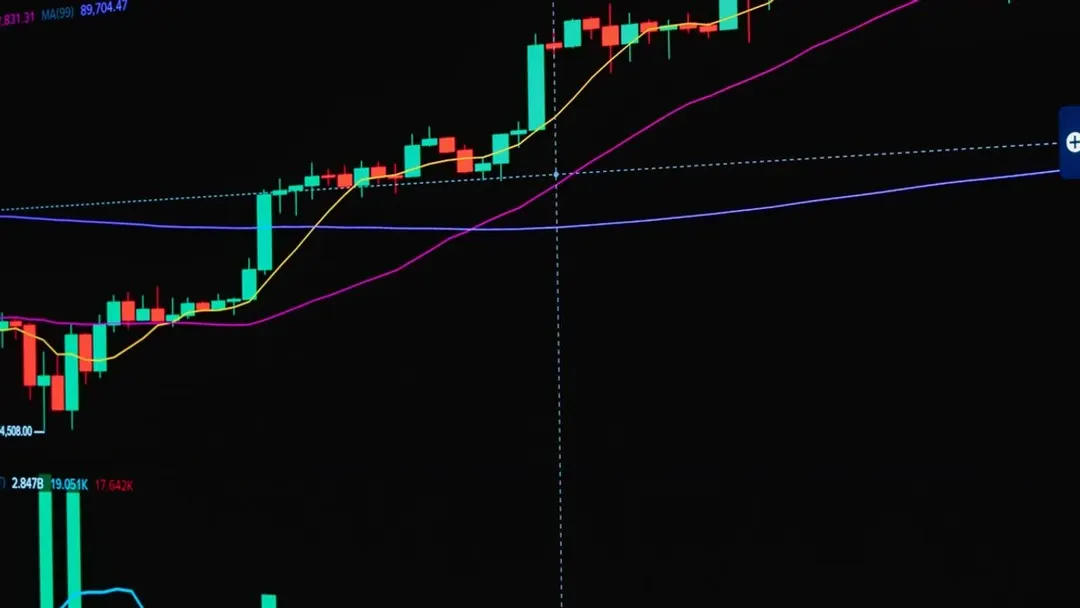
SpiralCom loses 10.7 ETH in Uniswap V4 exploit
Why it matters: The incident undermines confidence in Uniswap V4's security and may make DeFi liquidity providers more cautious.
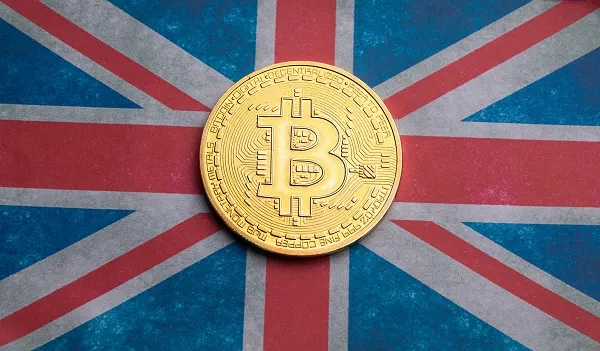
Crypto billionaires donate record £72 million to Reform UK
Why it matters: Record crypto money in British politics increases pressure to ban crypto donations and tighten party funding rules.
Bybit loses $436 million in a week, Bitget $128 million
Why it matters: Outflows of reserves from major exchanges may signal capital rotation and declining confidence in individual platforms.
South Korea again asked to delay crypto tax, regulator insists on timeline
Why it matters: The introduction of the tax could push Korean investors toward offshore platforms and increase pressure on local crypto companies.
BNB Smart Chain raises block gas limit to 70M
Why it matters: Higher BSC throughput reduces the risk of congestion and fees, but increases the load on validators and the risk of centralization.
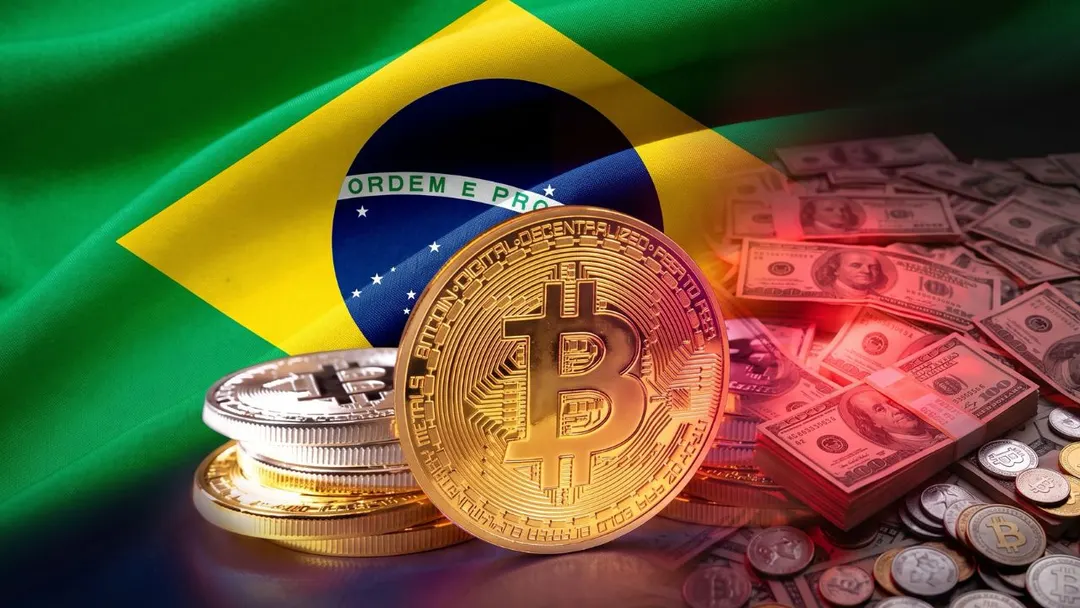
Brazil's central bank sets tough capital rules for crypto firms
Why it matters: Brazil is tightening crypto regulation, which could push most local players out of the market.
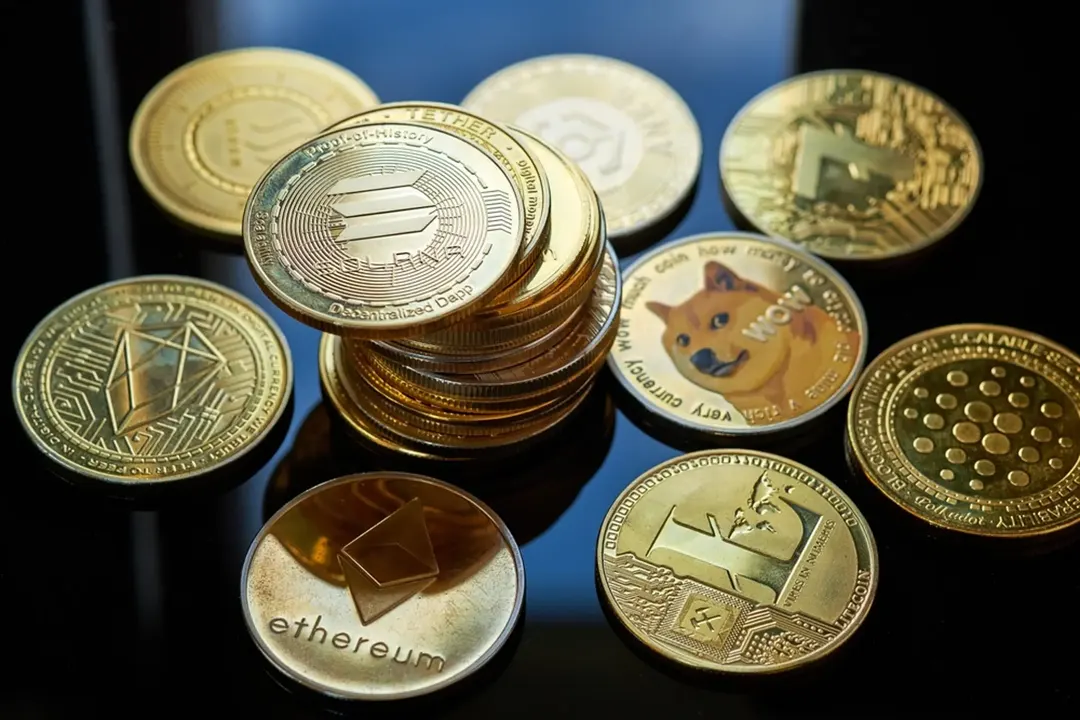
Tech stocks fall on calls to slow AI, bitcoin and Ethereum rise 1%
Why it matters: The divergence between crypto and tech stocks shows bitcoin is still seen as a safe-haven asset amid the AI sector selloff.

Circle launches Arc L1 blockchain on September 16 with Uniswap support
Why it matters: Arc could strengthen USDC's role in payments and DeFi, creating competition for Ethereum and other L1s for institutions.

AION plunges 50.34% in an hour to $0.00010026
Why it matters: The crash highlights the risks of low-liquidity tokens: a thin order book amplifies panic and sharp price moves.

Analysts: yen and US yields are the main risk for bitcoin
Why it matters: The Fed and Bank of Japan outcomes will set the direction for risk assets; rising US yields and the yen threaten a crypto selloff.

XRP Ledger sets record with 2,768 transactions in 3.8 seconds
Why it matters: The record demonstrates XRPL's throughput but does not reflect real user demand because of the bot activity.