Crypto news today

Ethereum token approval revocations fall to 0.52 cents
Why it matters: Cheap gas lowers the barrier to revoking old approvals, reducing the risk of losing funds if contracts are compromised.
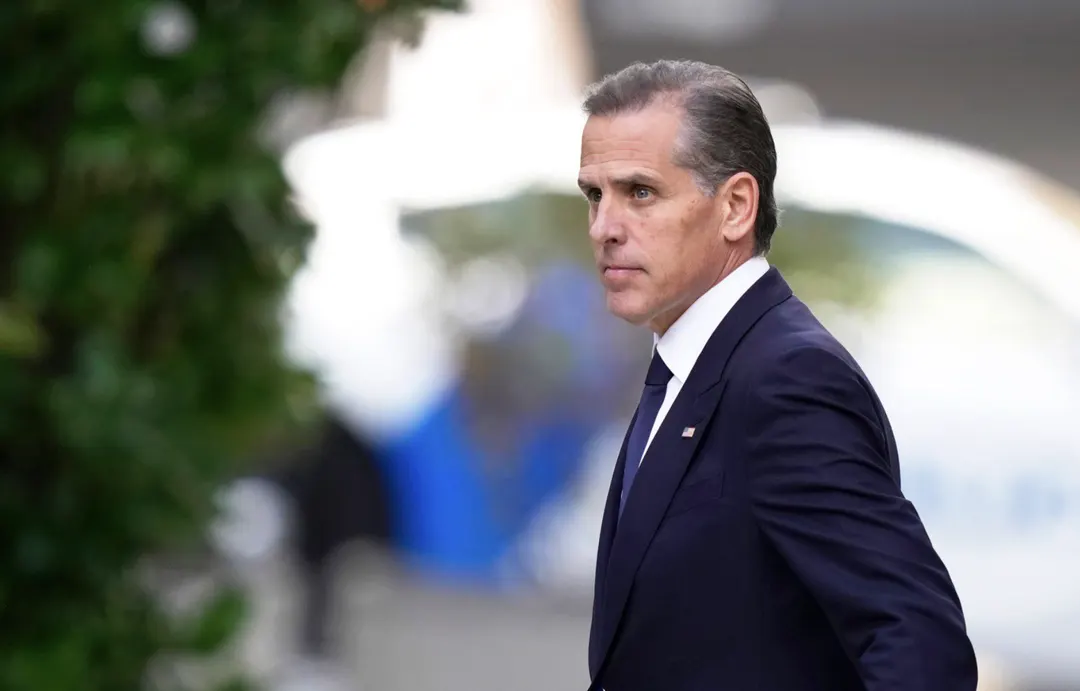
Hunter Biden asks Musk to unblock LAPTOP token account after 99% crash
Why it matters: The episode highlights the risks of memecoins tied to public figures and the impact of social media blocks on their fate.

Solana sets record with 1.49 million token launches in a week
Why it matters: The record influx of tokens boosts activity in the Solana ecosystem and could support demand for SOL.
Fed on the edge: Oil price rise adds to inflation risks before meeting
Why it matters: A rate hike or continued uncertainty reduces appetite for risk assets, including bitcoin and altcoins.

Novogratz: CLARITY Act could reach a Senate vote
Why it matters: The September 15 procedural vote will determine whether the bill advances or the U.S. market remains without federal rules until 2030.

EU mandates crypto wallet makers to report vulnerabilities within 24 hours
Why it matters: Wallet makers in the EU are now required to quickly disclose incidents, which increases transparency in crypto infrastructure security.

Dogecoin developer asks community to help review Dogecoin Core
Why it matters: It shows that Dogecoin's development depends on community contributions, but the news does not directly affect the DOGE price.

Bybit CEO: retail crypto activity down 30% from peak
Why it matters: Lower retail activity means smaller volumes and fees for exchanges, which weighs on the entire market until a new catalyst emerges.
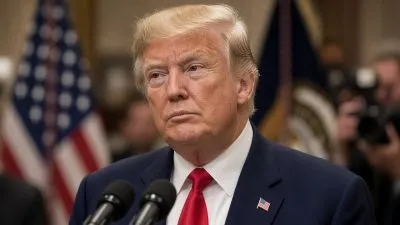
Fed set to hike rates for first time since 2023 amid conflict with Trump
Why it matters: A rate hike could increase pressure on risk assets, including cryptocurrencies, and shift monetary policy expectations.
Spot HYPE ETFs lose $26.4 million in a week
Why it matters: The outflow from HYPE ETFs signals weakening institutional demand for the token after its recent rally.
Bernstein: CLARITY Act progress may exceed market expectations
Why it matters: Approval of the law could provide regulatory clarity for crypto in the US and become a catalyst for market growth.
Binance adds trading pair for tokenized CEA Industries shares (BNCB)
Why it matters: Expanding tokenized stock offerings on the largest exchange intensifies competition in the segment and could attract new institutional participants.

South Korea: investors seek fourth delay of crypto tax, regulator opposed
Why it matters: South Korea's decision will serve as a benchmark for other countries preparing tax frameworks for crypto assets.

Dutch police arrest woman in bitcoin-paid murder-for-hire case
Why it matters: The case shows that bitcoin's public blockchain helps police investigations despite its pseudonymity.
Bitcoin Suisse to cut up to half of Swiss staff
Why it matters: Job cuts at a Crypto Valley pioneer reflect pressure on Swiss crypto players and the relocation of jobs to lower-cost regions.
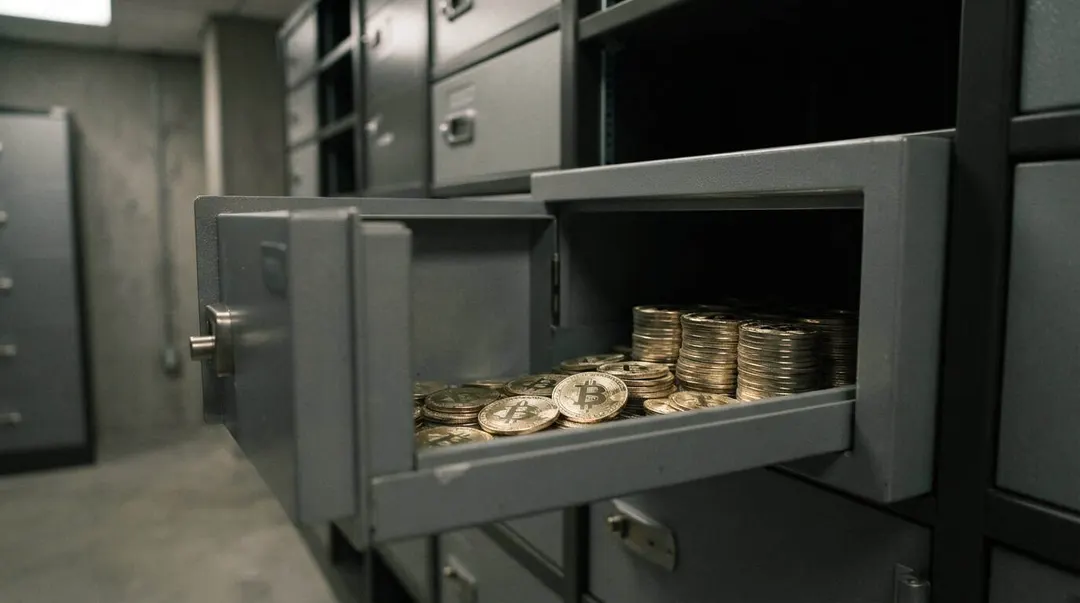
US spot bitcoin ETFs lose $449 million over three days
Why it matters: The outflow interrupts a $3.8 billion inflow streak and signals profit-taking by institutions ahead of macroeconomic decisions.

UK House of Lords votes for digital asset strategy
Why it matters: The UK could get a unified government digital asset strategy, boosting competition with MiCA and the US for crypto business.

Bitcoin pressured by macro factors: oil above $100 and Fed rate hike expectations
Why it matters: High rates and expensive oil reduce risk appetite, putting pressure on bitcoin and the crypto market as a whole.
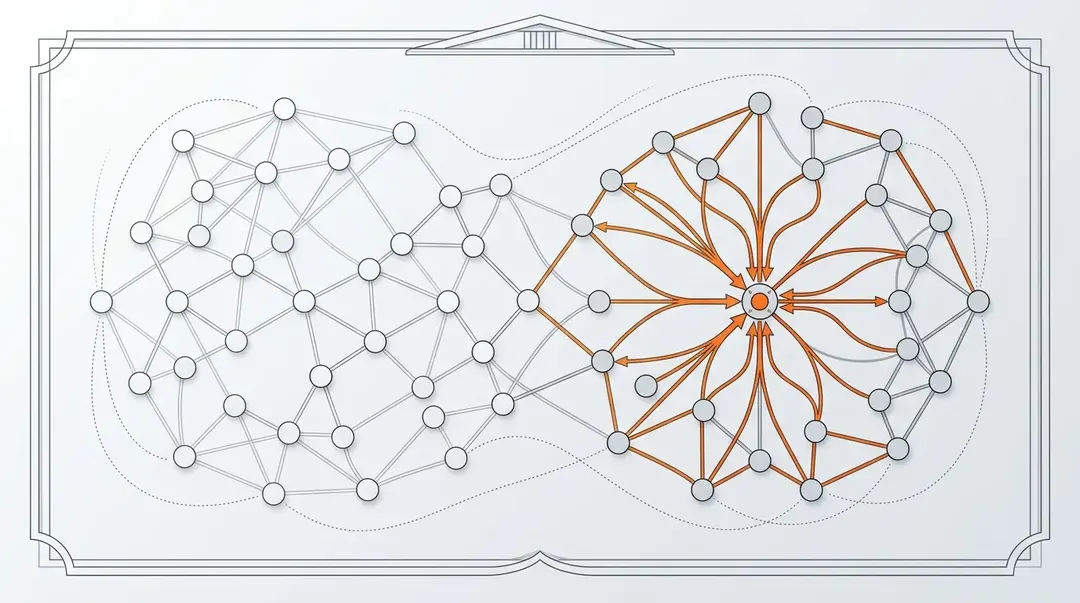
New version of CLARITY Act expands rules for DeFi protocols
Why it matters: Clarifying DeFi rules reduces uncertainty for protocols, but may require "semi-decentralized" projects to comply with AML.

EU introduces 24-hour vulnerability notification for crypto wallets
Why it matters: It increases wallet security transparency and speeds up informing crypto holders in the EU about threats.