Crypto news today

XRPL proposes XLS-68: institutions to cover reserve and fee costs
Why it matters: The scheme could lower the entry barrier for institutions and tokenized assets on XRPL, but may shift XRP holdings from private wallets to organizational balances.
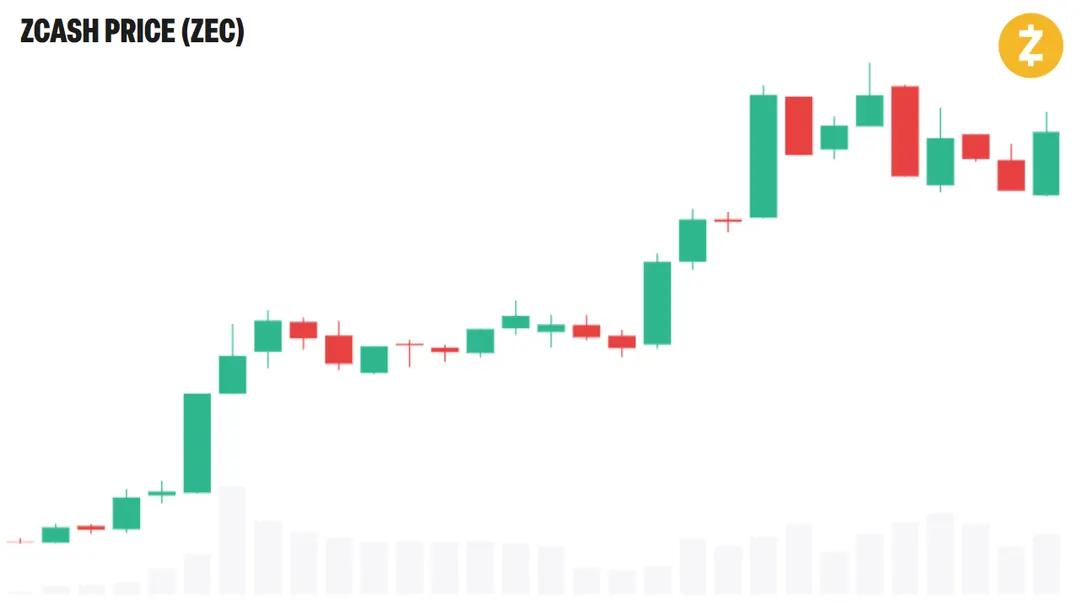
Privacy coins outpace bitcoin: sector up 213% since October 2025 peak
Why it matters: The rotation into privacy coins shows demand for anonymity outside the broader market, but from July 2027 the EU will ban servicing such assets.
FOMC begins two-day meeting, Pi Network upgrades protocol to version 27
Why it matters: The Fed's decision will determine the short-term trajectory of bitcoin and the entire crypto market.

Tokenized S&P 500 and Nasdaq-100 ETFs grow to $200 million
Why it matters: The growth of tokenized ETFs shows how traditional indices are moving on-chain and attracting institutional interest.

XRPL upgrade to let banks pay XRP fees for clients
Why it matters: Banks will be able to integrate XRP into products without exposing the token to clients, but demand for XRP may shift to institutional sponsors.
Deadstock raises $2.5 million for trading card market infrastructure
Why it matters: A major crypto exchange is expanding through its venture arm into tokenization of collectible assets — a growing RWA segment.

Analysts: CLARITY Act failure won't stop Wall Street in crypto
Why it matters: Institutional inflows into crypto depend on regulatory clarity, but major players are ready to build infrastructure even without a new law.

Circle and Tether benefit from growth of stablecoin neobanks
Why it matters: The growth of neobanks strengthens demand for USDC and USDT, while regulatory steps by Circle and Tether cement their dominance in the payments market.

TRON tests quantum signatures that could cut TPS by 95%
Why it matters: For a network with high transfer and stablecoin volumes, larger signature sizes could constrain throughput and fees.
0x: More than half of Uniswap v4 hooks found to be malicious
Why it matters: The findings expose loss risks for aggregator and wallet users swapping on Uniswap v4, making pool quality control essential for aggregators.

Espresso upgrades mainnet, cutting transaction finality to under 1 second
Why it matters: Faster base-layer finality reduces latency for rollups and cross-chain applications, though it does not speed up settlement on Ethereum.
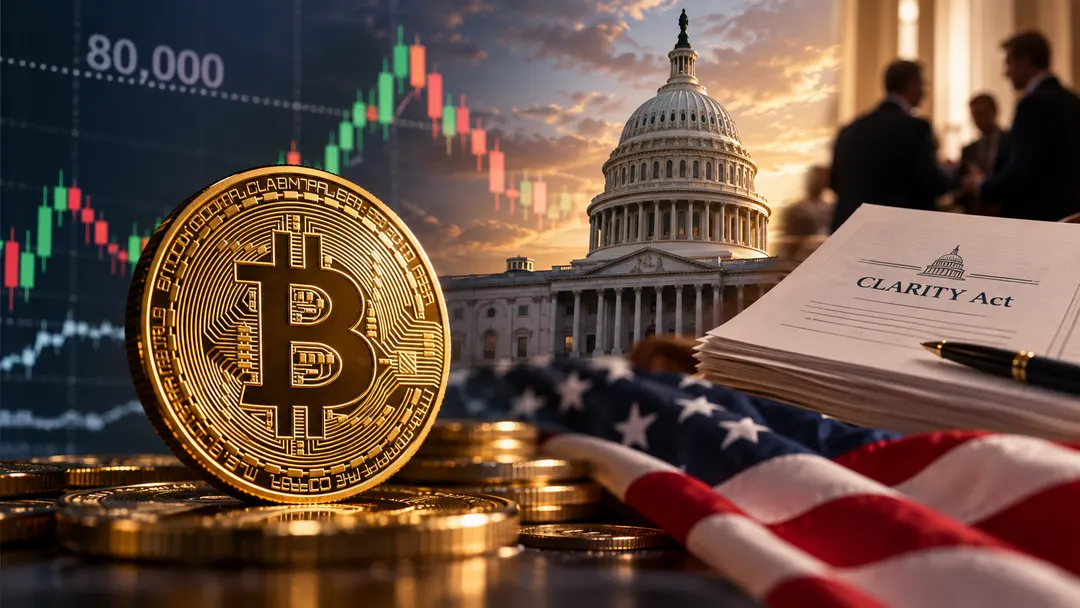
Bitcoin at $78,428 ahead of CLARITY Act as odds of passage fall from 30% to 16%
Why it matters: The CLARITY Act vote and the Federal Reserve meeting will set Bitcoin's direction, with the market pricing in an 86-87% chance of a rate hike.

USDC tops $100 trillion in cumulative onchain transaction volume
Why it matters: USDC has cemented its role as DeFi's main unit of account, but 95% of Circle's revenue depends on interest rates on reserves.

$16.6 billion in BTC and ETH options expire on September 25
Why it matters: Deribit market makers' hedging ahead of expiry could amplify price moves, and a drop below $75,000 would shift the balance of power for BTC.

EDGE gains 11% but capital outflows and weak demand fail to confirm the rally
Why it matters: A rally without demand support and with longs and shorts in balance could reverse quickly, leaving direction undecided for now.
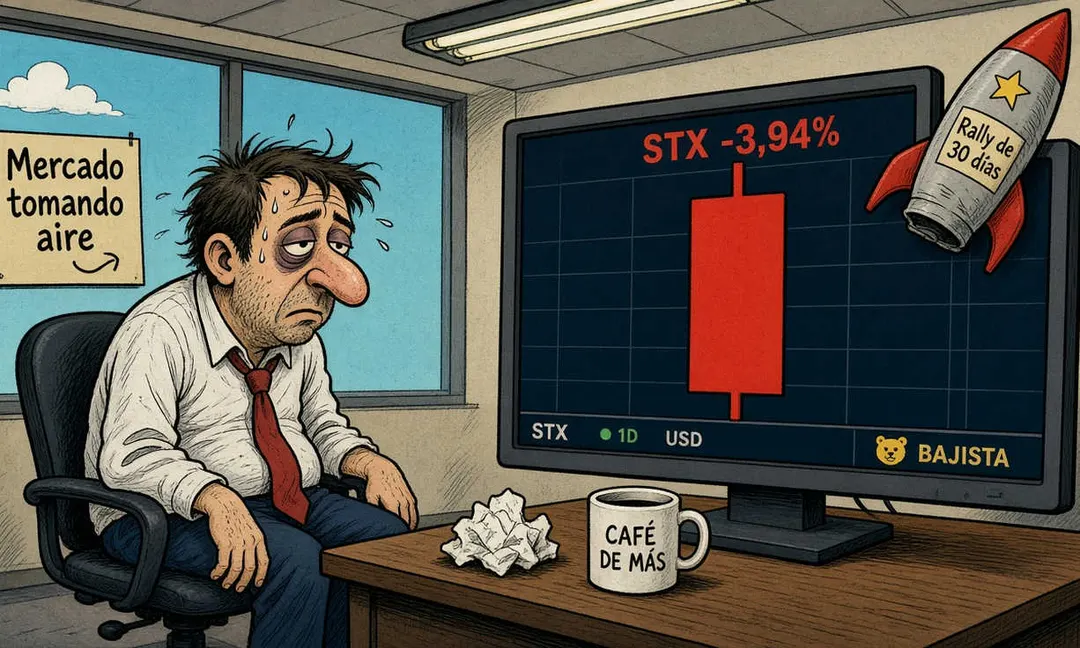
STX falls 3.94% to $0.264 after a 116% monthly rally
Why it matters: The pullback looks like profit-taking rather than capitulation, but weak volume and a bearish MACD point to the risk of a deeper decline.
US Justice Department: millions from Iranian oil laundered through Binance
Why it matters: The new Justice Department claims intensify regulatory pressure on Binance and raise risks for the exchange and the broader market.
VET falls 1.22% after 72.5% rally over 30 days
Why it matters: The correction after a strong rally could turn into gains if the network upgrade and the CLARITY Act decision are positive.
US DOJ seeks forfeiture of $61M in crypto tied to Iran and Binance
Why it matters: The new lawsuit increases pressure on Binance and the risk of secondary sanctions for exchanges handling sanctioned flows.
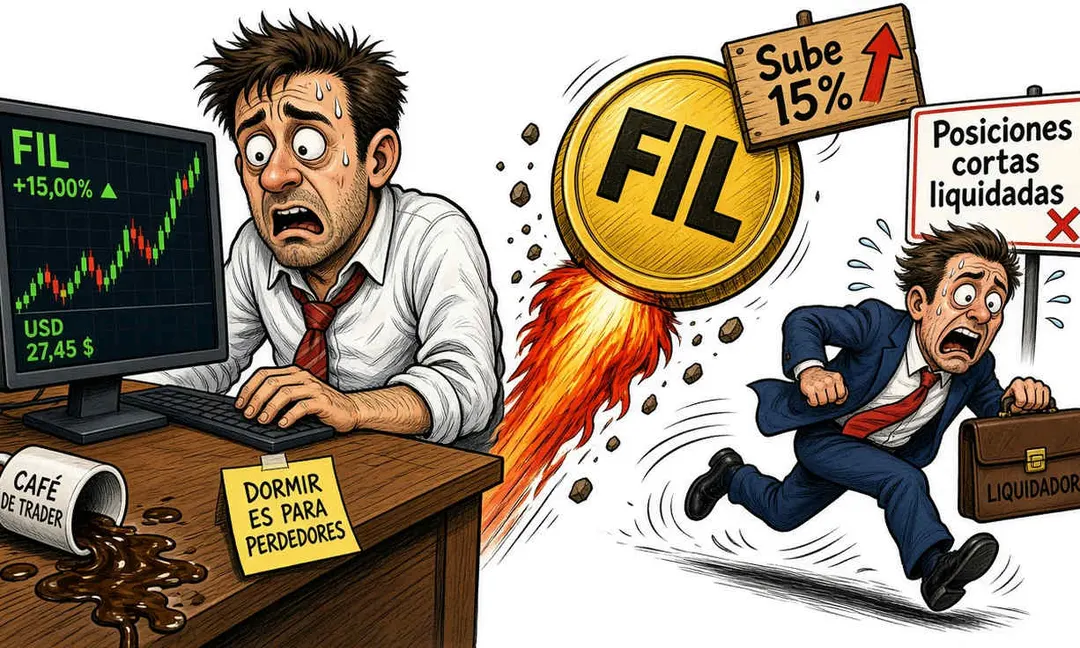
Filecoin jumps 15% to $0.937 as open interest surges 70%
Why it matters: The rally is fueled by leverage: if open interest normalizes, a 30–50% retracement of the gain is possible, with key support at $0.929 and the 200-day SMA at $0.845.