Crypto news today
Trader 0xRay closes $98M Hyperliquid shorts with $505K BTC loss
Why it matters: Large public shorts on Hyperliquid can close sharply earlier than analyst data shows, distorting assessments of whale positions.
Two dormant wallets deposit 14,700 ETH worth $36.94M to OKX
Why it matters: A large exchange deposit may signal preparation to sell and could increase pressure on the ETH price.
Derive proposes V3 on zkVM and shutting down Derive Chain
Why it matters: The migration will show whether the market is ready for zk exchanges with on-chain settlement instead of their own L1.

Saturn launches USDat on PayPal-backed PYUSDx infrastructure
Why it matters: It expands PYUSD's use in structured DeFi products and gives stablecoin holders new yield instruments with different risk levels.
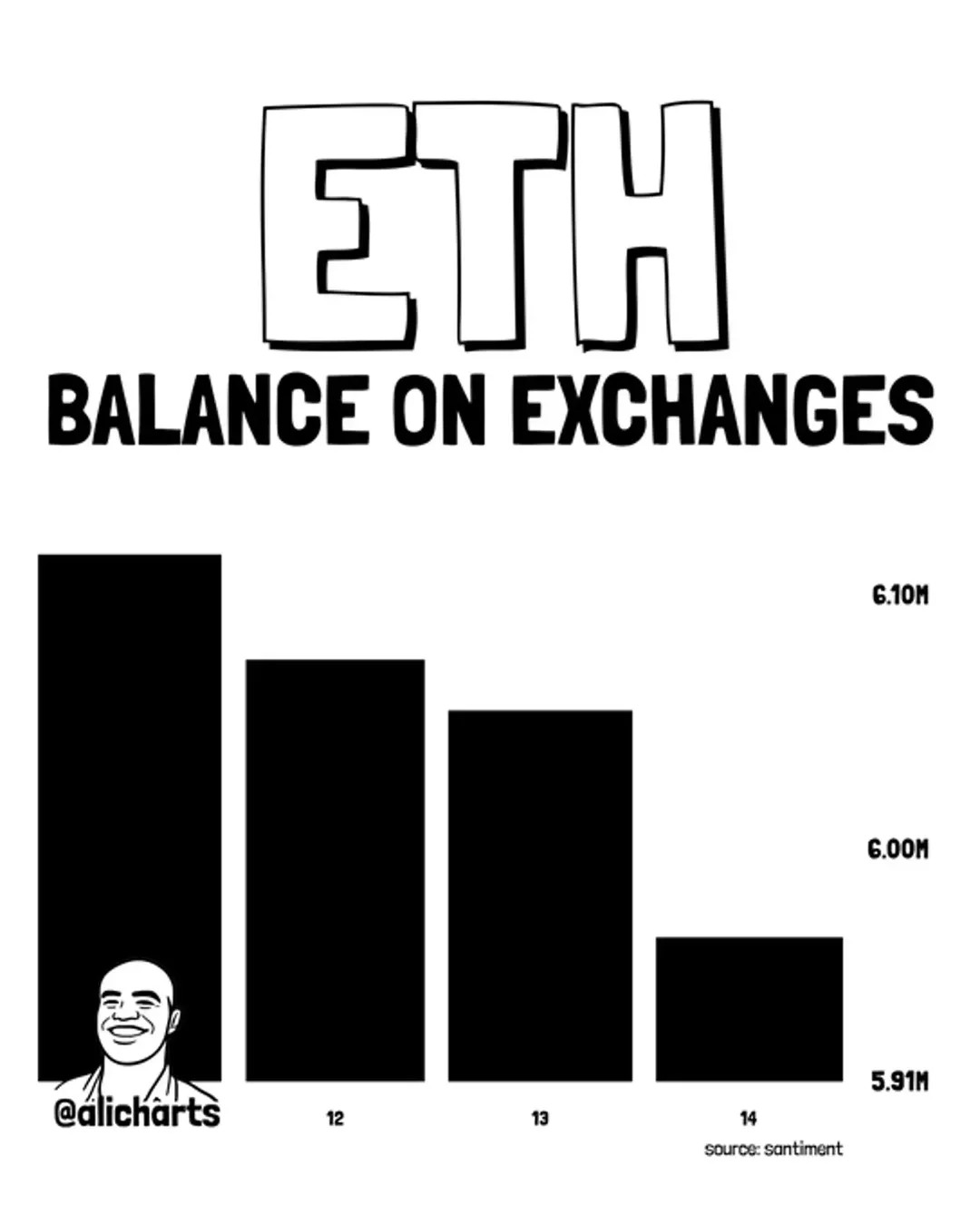
140,000 ETH worth $350 million leaves exchanges in four days
Why it matters: The outflow of coins from exchanges points to a growing share of holders and could ease selling pressure on ETH.
Solana activates Transaction V1 on mainnet, raising size limit 3.3x
Why it matters: The expansion opens the door to zk-proofs and complex DeFi operations in a single transaction, but requires RPC providers and indexers to update.
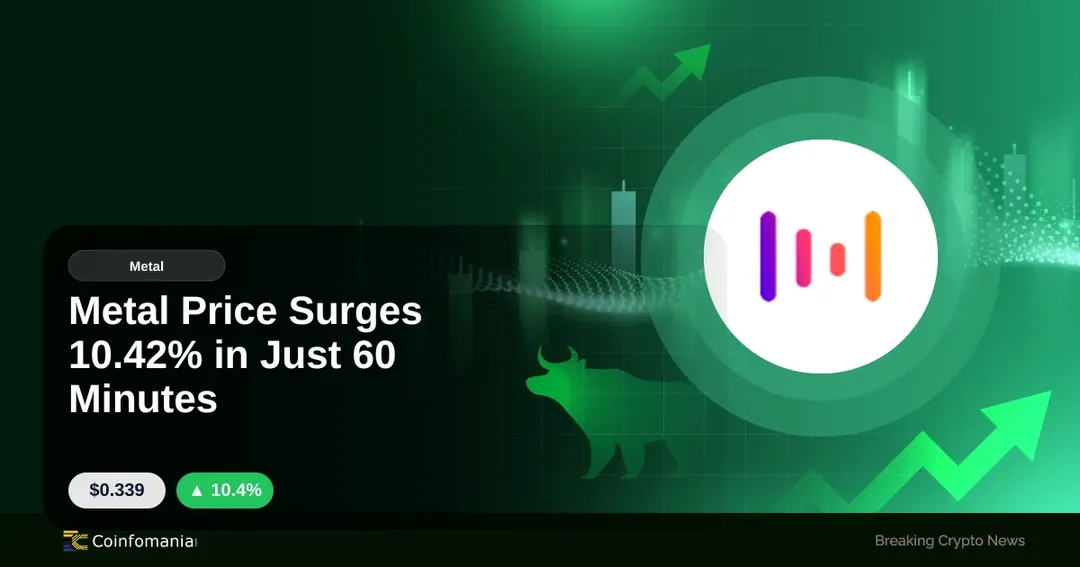
MTL jumps 10.42% in an hour to $0.339 on rising volume
Why it matters: A sharp move higher on volume without an obvious catalyst may be speculative, with traders watching the $0.426 and $0.307 levels.
Ethereum: ePBS debated with builder deposits and relays
Why it matters: The change to the block-building market will affect validator returns and competition between builders and relays.

Bitcoin rebounds toward $79,000, Ethereum above $2,500 as $341 million liquidated
Why it matters: The market is pricing in expectations of a Fed rate hike, and holding $76,000 and reclaiming the SMA20 near $78,500 will determine the next leg of the rebound.

Congressman Warren Davidson proposes bill against CBDCs
Why it matters: The initiative increases pressure on the Fed's digital dollar plans and could influence digital currency regulation in the U.S.
Spot SOL ETFs draw $11 million in a day
Why it matters: Inflows into SOL ETFs support institutional demand for Solana, though the pace has slowed.
XRP ETFs draw $11.25M in a day, all via Bitwise
Why it matters: XRP ETF inflows remain steady amid expectations for a vote on the CLARITY Act, supporting demand for the asset.

The Standard Reserve completes Genesis Charters mint, raising 583.6 ETH
Why it matters: The project launches STANDARD emissions based on Uniswap v4 pool flows, setting a tokenomics model for new DeFi protocols.

Raydium captures 80.5% of xStocks tokenized equity trading volume on Solana
Why it matters: Raydium's dominance shows the concentration of tokenized equity liquidity on Solana in a single protocol.
Ark Invest sells $25M in Coinbase, Circle, Bullish and Bitmine shares
Why it matters: Mass profit-taking by a major institutional fund could signal a local peak in interest in crypto stocks.
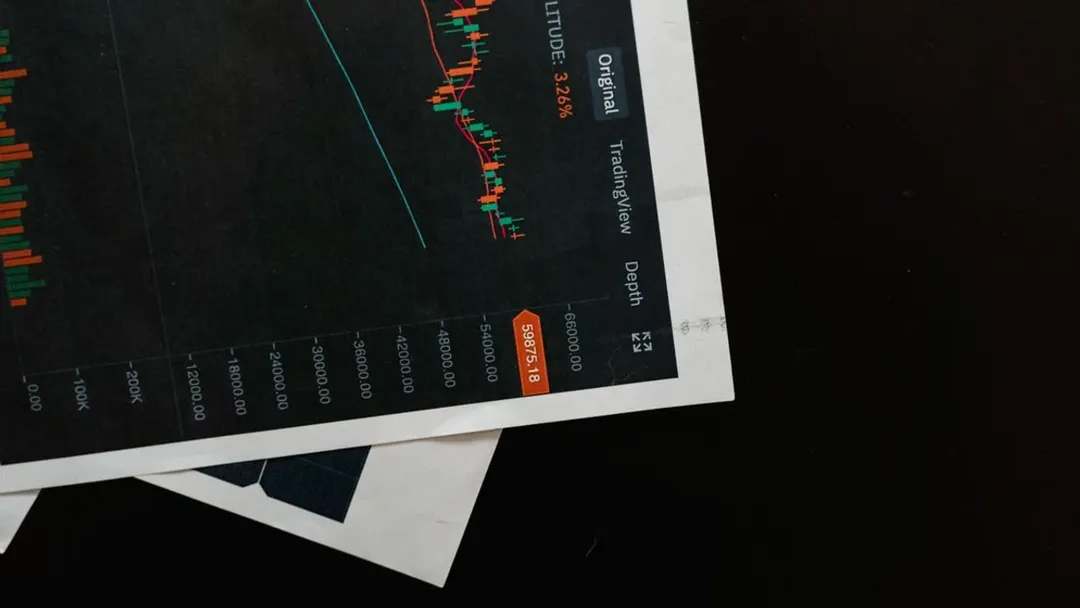
327,633 HYPE worth $26.3M moved from HyperCore to Kinetiq
Why it matters: Large HYPE transfers could signal institutional repositioning and increase the asset's volatility.
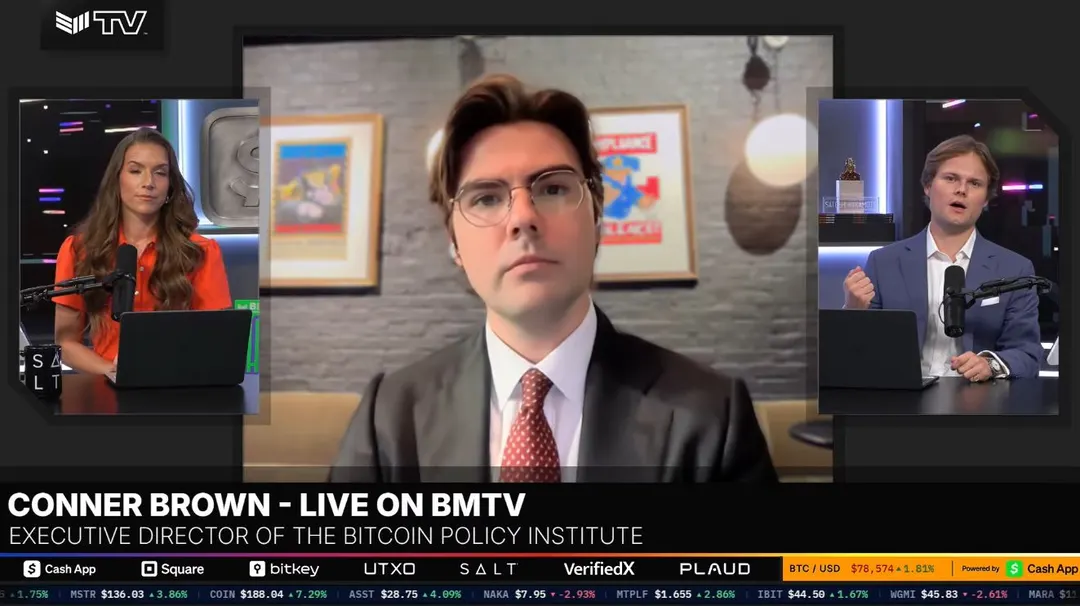
Bitcoin Policy Institute: CLARITY Act is a fork in the road for crypto rules
Why it matters: The outcome of the vote will determine who regulates the U.S. crypto market — Congress or agencies — affecting the entire industry.
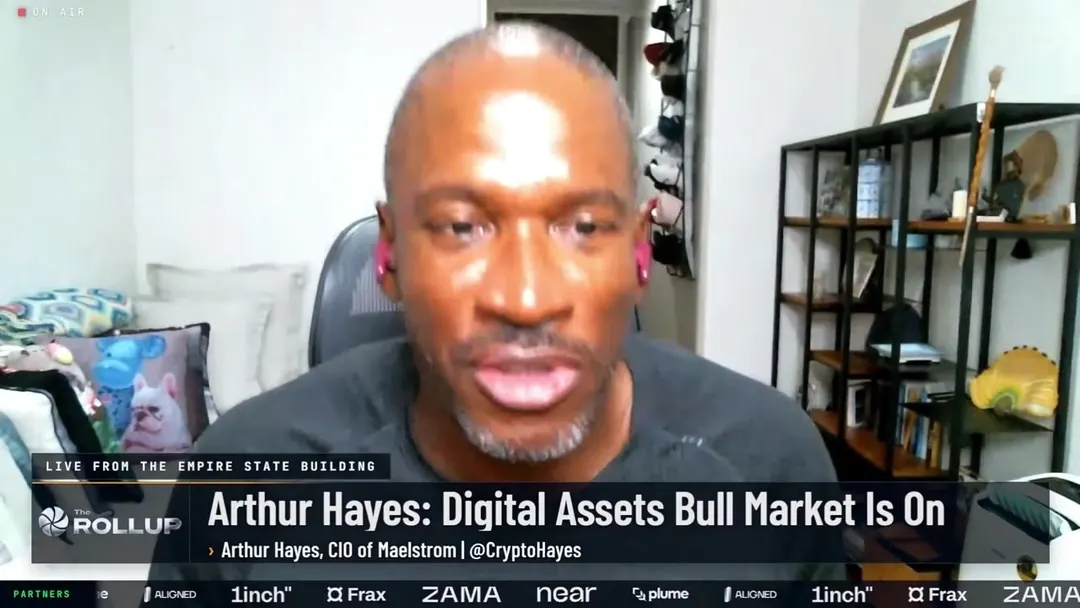
Arthur Hayes: euro-yen drop signals Fed liquidity expansion and bitcoin rally
Why it matters: A signal of a possible Fed pivot toward expanding liquidity is a key bullish driver for BTC and ETH.
Quantum-resistant BIP-360 and SHRINCS proposed for bitcoin
Why it matters: The quantum threat is not yet urgent, but the transition would affect addresses, wallets and consensus — a topic that could influence bitcoin's long-term valuation.
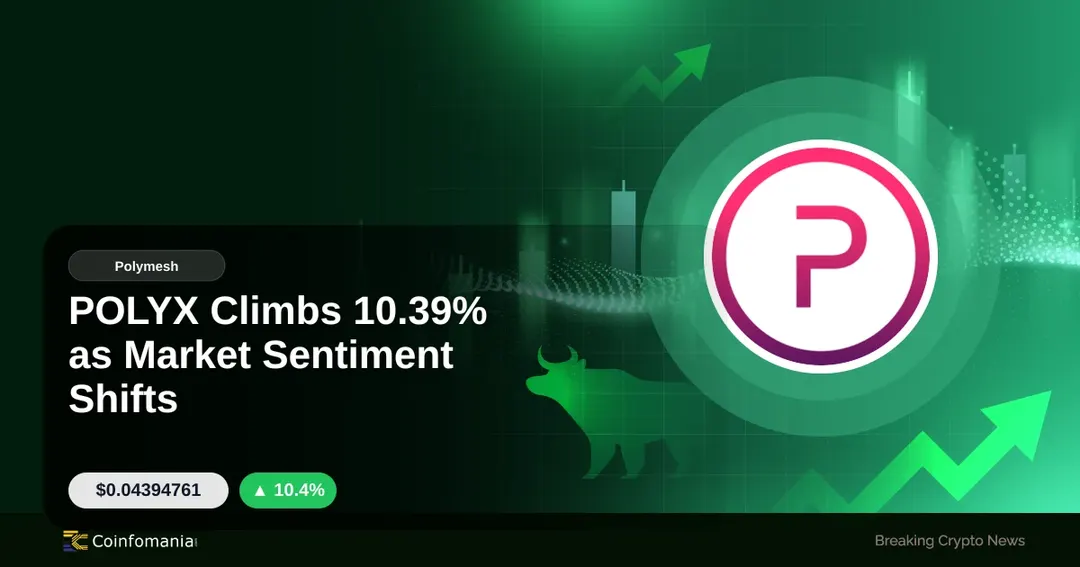
POLYX jumps 10.39% in an hour to $0.0439
Why it matters: The rally without a clear catalyst amid mixed market dynamics suggests speculative activity rather than a trend change.