Crypto news today
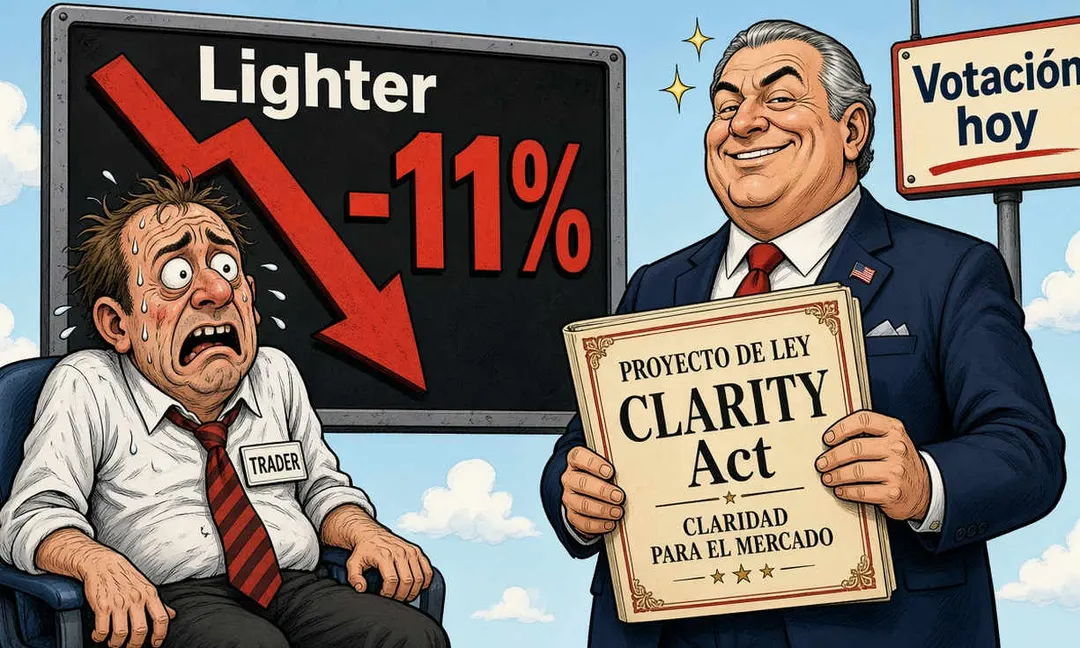
Lighter (LIT) falls 11% to $4.09 ahead of CLARITY Act vote
Why it matters: The correction without a volume spike points to profit-taking rather than capital flight; LIT's fate depends on the outcome of the CLARITY Act vote.
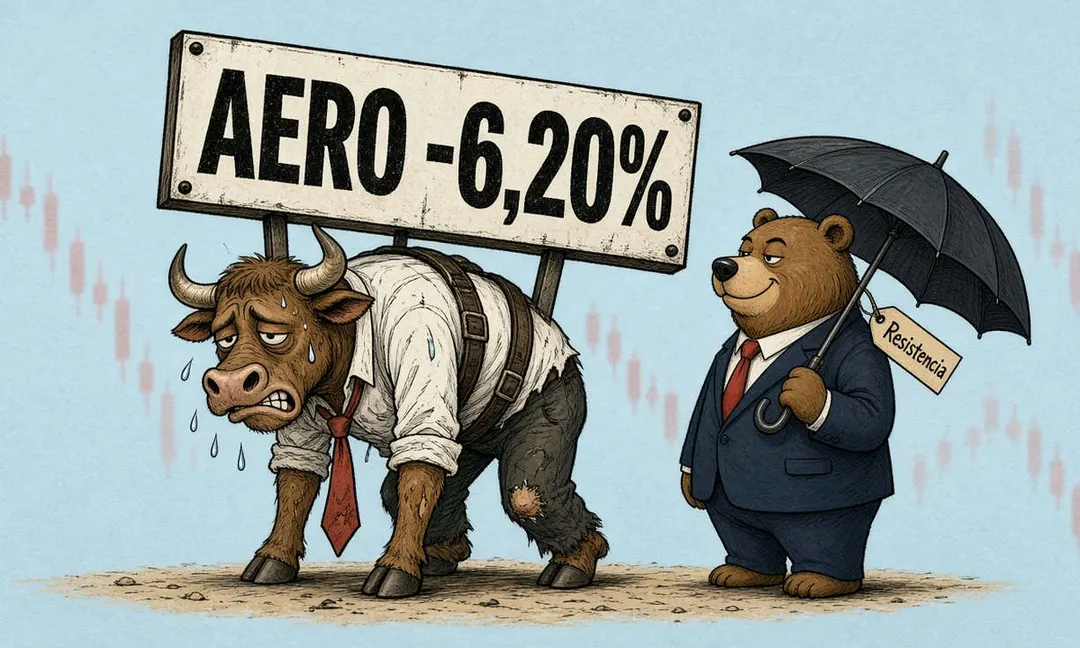
AERO falls 6.20% to $0.537 as trading volume declines
Why it matters: The correction looks like profit-taking after a rally driven by Base activity, but a loss of $0.530 would confirm a shift to distribution.
Avalanche RWA market cap nears all-time high of $1.7B
Why it matters: RWA growth on Avalanche confirms demand for tokenization and could attract institutional capital to the network.
Sanders: US crypto industry spent $300M to buy Congress
Why it matters: It increases political pressure on the crypto industry and could influence voting on crypto bills in the Senate.

Bitcoin below weekly support ahead of CLARITY Act vote and Fed decision
Why it matters: The overlap of the CLARITY Act vote and the Fed decision could trigger sharp moves; losing $72,270 would open the way to a deeper correction.

UNI up 91% since August as annualized burn rate tops $250M
Why it matters: UNI's rally is now tied to real fees and burning, but its durability depends on whether Robinhood Chain volume becomes the norm rather than a one-off record.

US DOJ charges two Robinhood engineers with insider trading on Hyperliquid
Why it matters: It sets a precedent: insider trading on decentralized perpetuals falls under US commodities market laws.
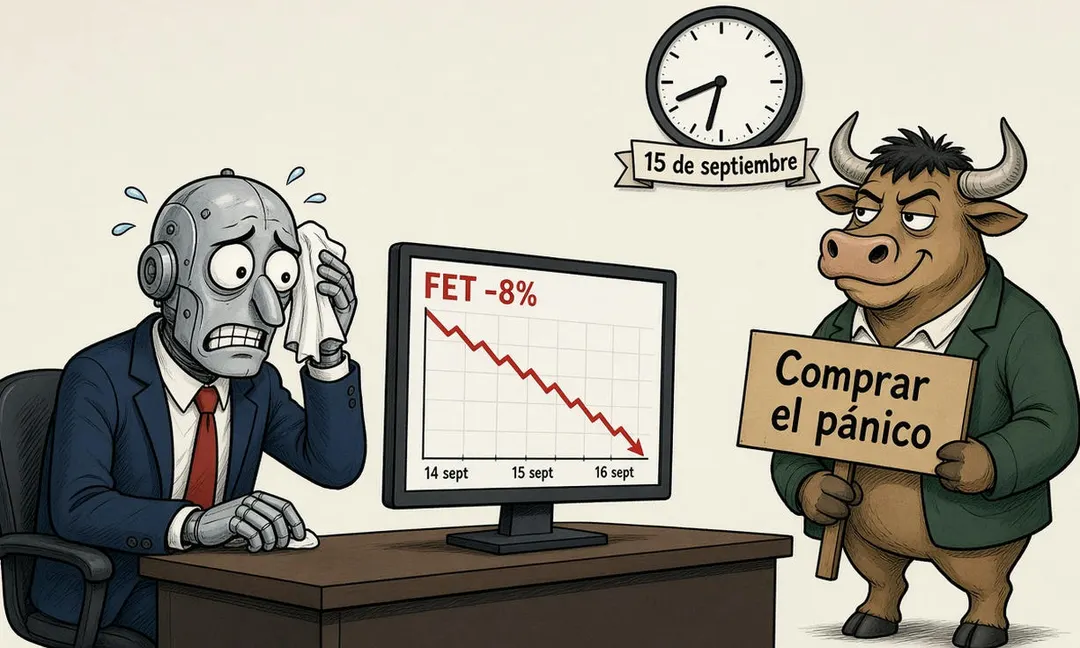
FET falls 8.13% to $0.156 amid altcoin weakness
Why it matters: The drop reflects broad rotation out of altcoins rather than project problems; holding the SMA-50 at $0.1501 remains key for the medium-term trend.

1inch launches USDC swaps for tokenized Tesla shares on BNB Chain
Why it matters: The growth of tokenized stocks expands crypto traders' access to traditional equities and intensifies competition among networks for this segment.

NIGHT trades at $0.0203 ahead of CLARITY Act vote
Why it matters: NIGHT is a highly volatile asset dependent on the outcome of the CLARITY Act vote and overall market risk appetite.
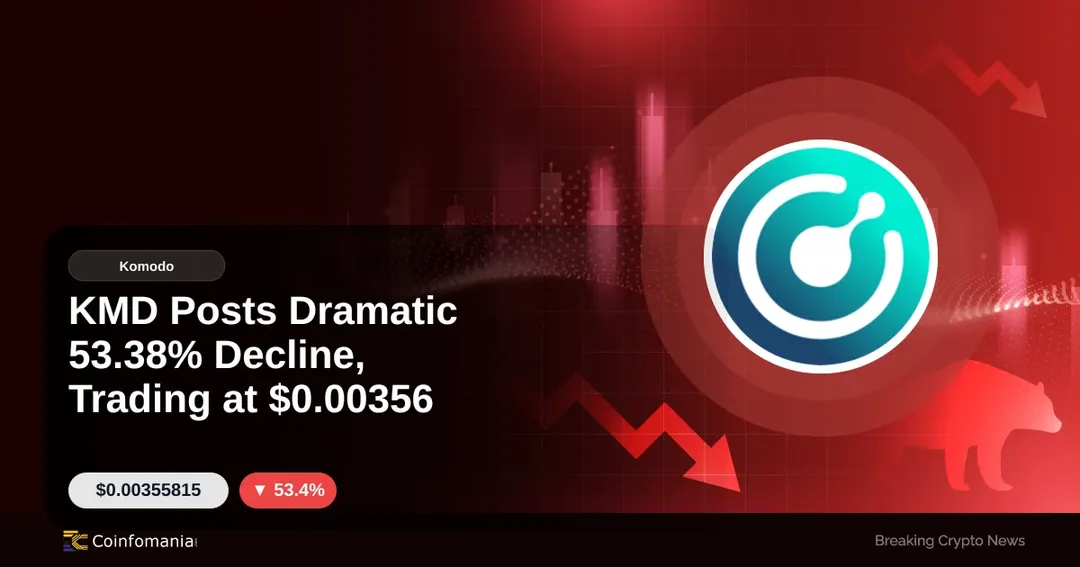
KMD plunges 53.38% in an hour to $0.00356
Why it matters: The crash on a thin market shows how low liquidity amplifies sell-offs in small altcoins.

Kazakhstan's National Bank to create Digital Assets Committee
Why it matters: Kazakhstan is moving about 1 million foreign wallets of its citizens into the regulated AIFC environment, intensifying competition for crypto infrastructure in the CIS.
TheDAO Security Fund launches second ETHSecurity Initiatives round with $600K Vyper grant
Why it matters: The fund finances Ethereum security through staking yield of ~$8 million per year, reducing the risk of vulnerabilities in key protocols.
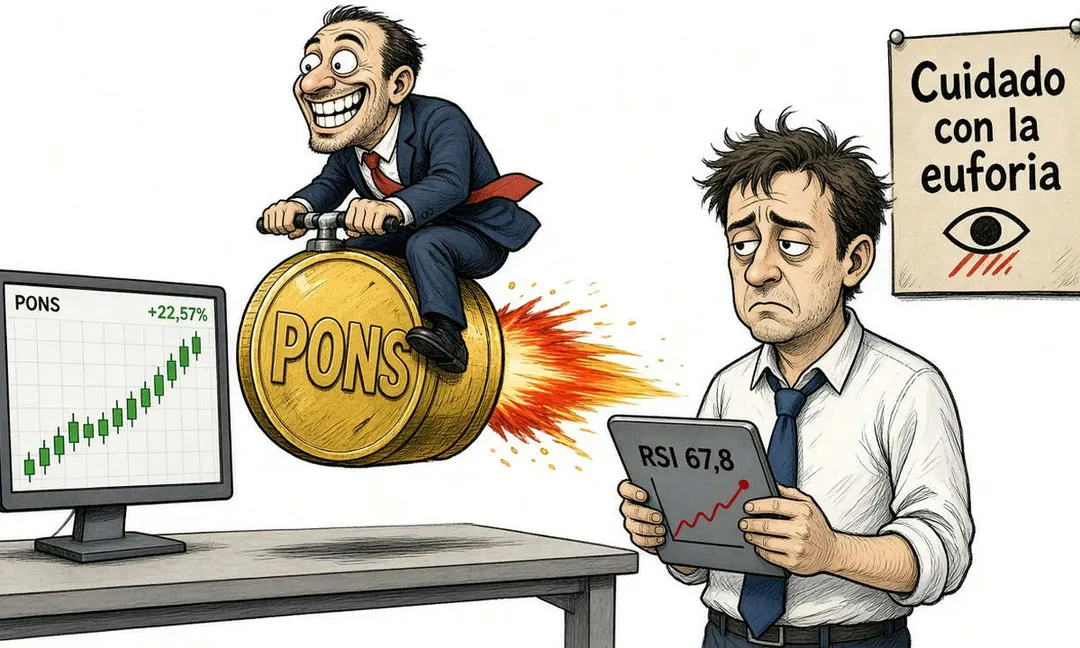
PONS rises 22.57% to $0.666, approaching all-time high
Why it matters: The momentum is supported by volume and rising fee income, but extreme volatility of 384.5% increases the risk of a pullback.

Aave proposes custodied collateral lending with Anchorage and Chainlink
Why it matters: The initiative could open DeFi lending to institutions and set a standard for similar products among competitors.

ARK Invest sells 142K Circle shares, CRCL falls 8% ahead of CLARITY Act vote
Why it matters: The CLARITY Act could legalize stablecoins but also open the market to banks with cheap funding — a direct risk to Circle's business.
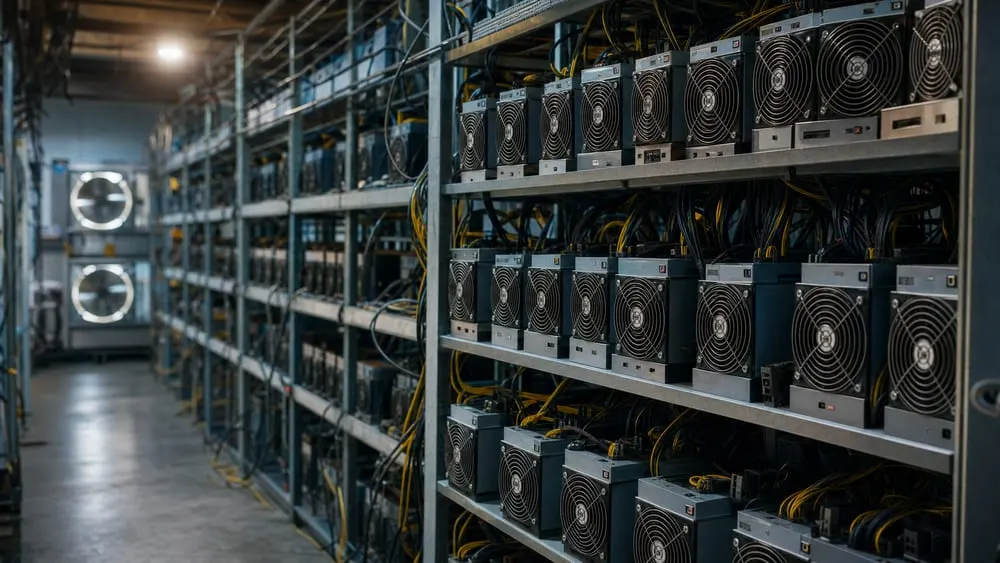
CoinShares: AI/HPC infrastructure profit is 3x higher than Bitcoin mining
Why it matters: Miners' shift to AI/HPC changes how their business is valued: what matters is not capacity but the actual conversion of contracts into revenue.
Fed reinvests $15.6 billion, but this is not the start of the printing press
Why it matters: Traders expecting a liquidity inflow from the Fed may be wrong: the rate and balance sheet are unchanged, limiting fuel for risk asset gains.

HBAR rises 2.22% to $0.078 ahead of CLARITY Act vote
Why it matters: Passage of the CLARITY Act would reduce regulatory uncertainty for HBAR, which the SEC and CFTC have already classified as a digital commodity.
Circle's Arc picks MetaMask as default wallet for onboarding
Why it matters: Integration with the largest self-custody wallet lowers the barrier to entry for a USDC-native network and strengthens Circle's position in institutional DeFi.