Crypto news today
Cipher Digital receives 3.2 GW of conditional ERCOT capacity in Texas
Why it matters: Cipher is accelerating its shift from mining to AI/HPC infrastructure, expanding its energy portfolio in Texas.

Fed expected to hike rates to 3.75-4% as markets await decision, bitcoin at $75,700
Why it matters: A rate hike and rising Treasury yields weigh on risk assets; Warsh's tone and the dot plot will determine the next move for bitcoin and altcoins.

Lummis blasts Senate Democrats over failed consumer protections in crypto bill
Why it matters: The failure of consumer protection and ethics provisions adds to uncertainty around U.S. crypto regulation and weighs on the market.

Digital Chamber reaffirms commitment to CLARITY Act after failed vote
Why it matters: The stance of a major industry association signals that the crypto industry will keep pushing for a market structure law.

Brazil's CVM discusses tokenization with Binance and Base
Why it matters: The regulator's dialogue with major players could accelerate the formation of tokenization rules in Brazil.

Zcash closes market cap gap with Hyperliquid, eyes 9th place
Why it matters: Zcash has held above $1,000 and could enter the top 10 by market cap, boosting interest in privacy coins.

Filecoin backs Runtime Agent Week in New York, unveils developer tools
Why it matters: Expanding developer tools could strengthen Filecoin's ecosystem amid competition in decentralized storage and AI.

Grayscale launches model crypto portfolios: XRP gets 26%, bitcoin excluded from Next Gen
Why it matters: Grayscale's model portfolios set a benchmark for advisor allocations, and the high XRP weight without bitcoin signals a bet on altcoins.

Stand With Crypto threatens election fallout after CLARITY Act fails
Why it matters: Pressure from crypto voters could influence the Senate composition and the fate of crypto regulation in the U.S.

BCCC discusses 20% crypto tax: DeFi and stablecoin questions remain
Why it matters: Tax clarity is critical for Japanese investors and companies: without rules for DeFi and stablecoins, mass adoption will be delayed.

Dragonfly and Uniswap defend Robinhood Chain against critics
Why it matters: The debate over Robinhood Chain's low-fee model matters for assessing L2 sustainability and revenue for Arbitrum and Uniswap.
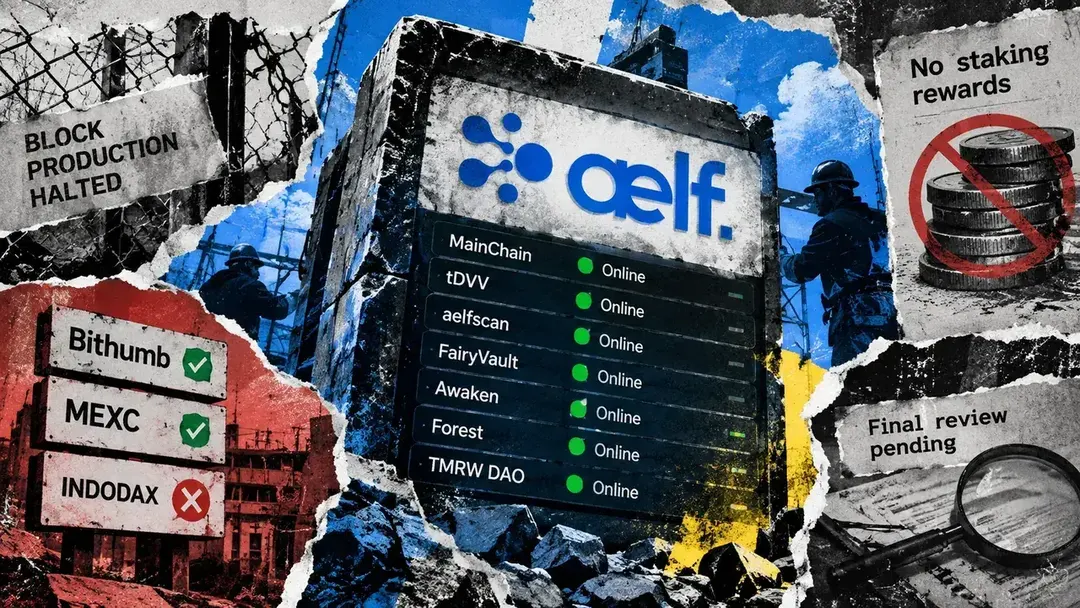
aelf resumes operations after week-long halt over malicious contracts
Why it matters: The incident highlights security risks for L1 networks and deprives stakers of a week's income; a full report on the causes has not yet been published.

Garlinghouse: CLARITY Act failure is disappointing, but US crypto future optimistic
Why it matters: The CLARITY Act's failure leaves U.S. crypto regulation to the SEC and CFTC, maintaining uncertainty for XRP and the industry.

Dawn Internet launches USD.infra vault on Solana
Why it matters: Tokenizing real cash flows could attract institutional interest and increase activity in the Solana ecosystem.
Dow falls 330 points as 10-year Treasury yield hits highest since 2007
Why it matters: Rising yields and oil prices increase pressure on risk assets, including bitcoin and crypto stocks, ahead of the Fed's decision.
Grove Basin launches instant stablecoin liquidity for tokenized assets
Why it matters: Instant settlement removes a key barrier for institutions in tokenized Treasury assets and could accelerate growth in the RWA segment.

Revolut obtains banking license in Colombia
Why it matters: Revolut's expansion in Latin America intensifies competition among crypto-friendly neobanks in the region.

House Agriculture Committee urges Congress to pass digital asset rules
Why it matters: A signal that part of Congress is ready to advance crypto regulation, but there are no specific timelines or bill text yet.
Ripple releases regulatory guide for institutions on RLUSD
Why it matters: Helps institutions navigate stablecoin regulation and could accelerate RLUSD adoption.
Zenith joins DTCC tokenization working group
Why it matters: The largest U.S. depository is testing tokenization of stocks and Treasuries on $114 trillion in assets under custody, setting a standard for the institutional RWA market.