Crypto news today

STONK falls 16% after $0.35 peak, weekly gain shrinks to 12%
Why it matters: The decline in launchpad activity and volumes points to weakening demand; a loss of $0.15 would open the path to $0.10.

Ripple targets $13T corporate treasury market with RLUSD stablecoin
Why it matters: Ripple is pushing the stablecoin into traditional corporate settlements, which could intensify competition with USDT and USDC.

Zcash Labs allocates $80K to integrate Ironwood pool into Ledger wallet
Why it matters: The integration will expand hardware storage of ZEC in the new pool, but the timeline and scope of support are not yet confirmed.

Virtuals Protocol launches AI Senate Occupy on Base network
Why it matters: AI governance could change models of user participation in blockchain projects, but there are no concrete metrics or figures yet.

Binance: bStocks surpass $500M in assets under management
Why it matters: The growth of bStocks shows demand for the exchange's tokenized products, but there are no specific timelines or details on the new features.

Velodrome to merge with Aerodrome into unified Aero liquidity layer
Why it matters: The consolidation of two major DEX protocols could reshape liquidity distribution across the Ethereum ecosystem.

Bitcoin falls to $75,663 after CLARITY Act fails; $677M liquidated
Why it matters: The bill's failure revived regulatory uncertainty; the market is awaiting the FOMC, with $72,000 and a reclaim of the 50-week EMA the key levels for BTC.
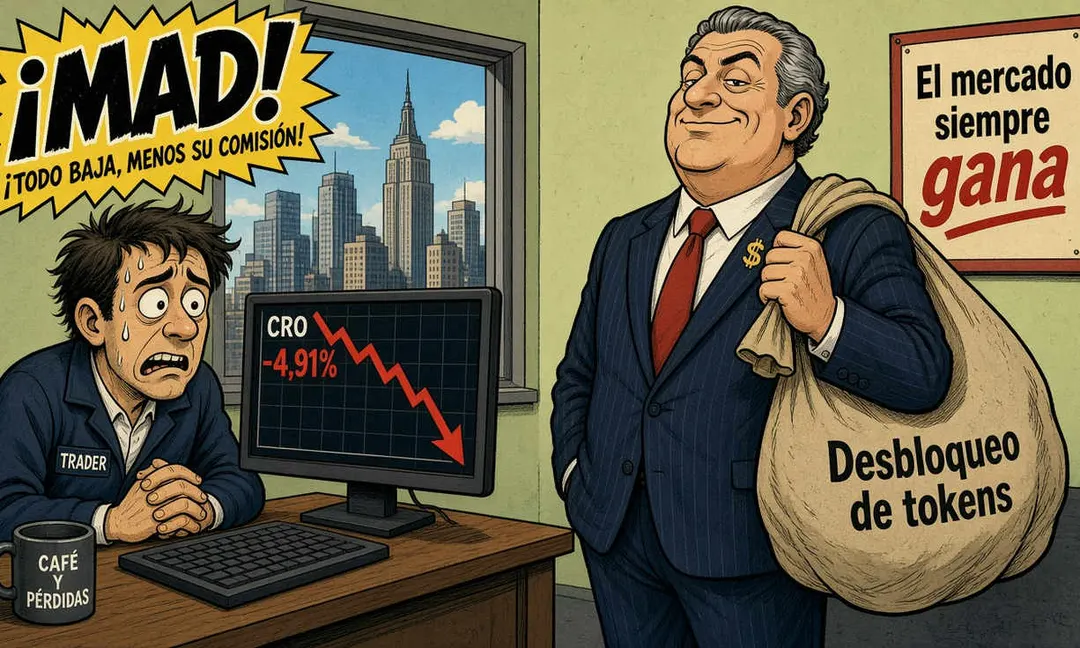
CRO drops 4.91% to $0.055 ahead of 1.16B token unlock on September 17
Why it matters: An unlock multiple times the daily trading volume could add further pressure on CRO's price in the coming days.
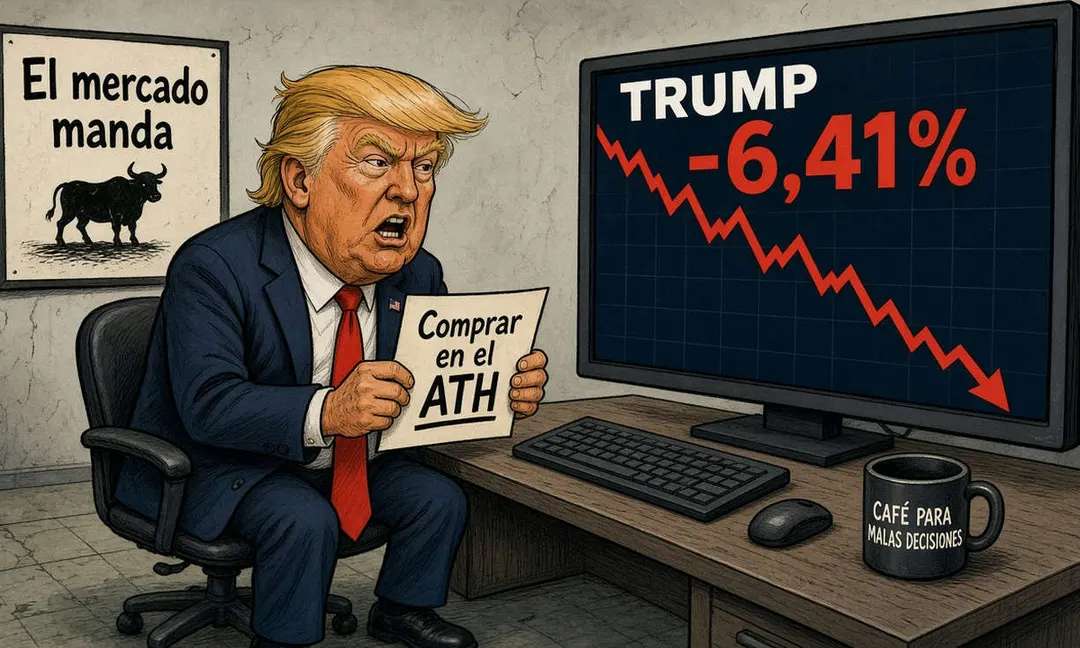
TRUMP falls 6.41% to $1.87 after CLARITY Act fails in Senate
Why it matters: The CLARITY Act's failure hits political tokens hardest: without a positive regulatory catalyst, a recovery looks unlikely.
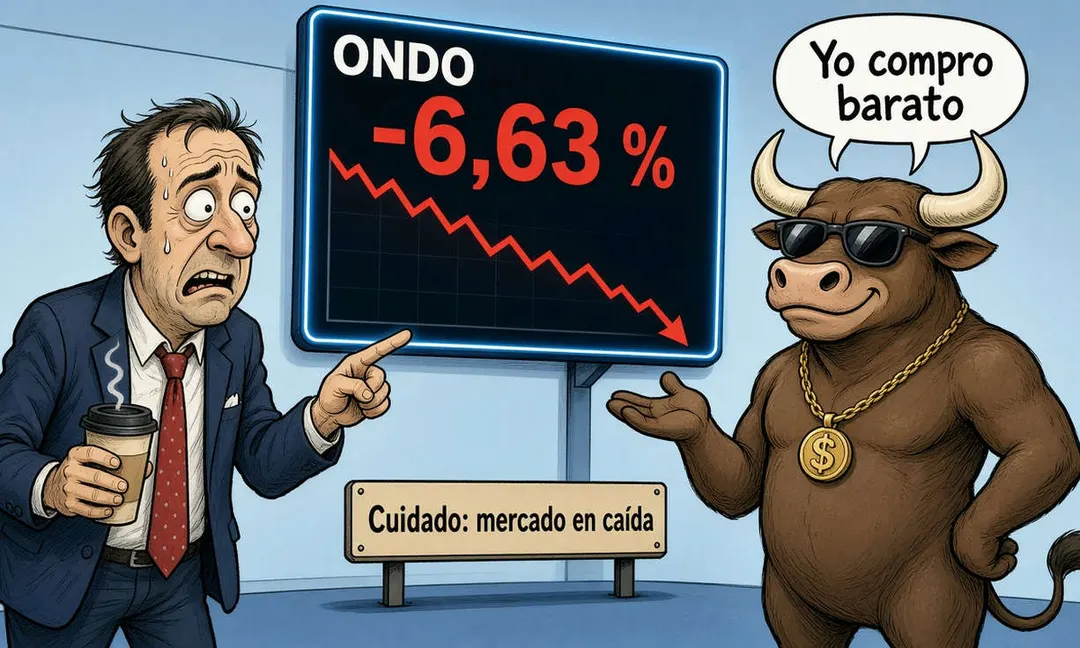
ONDO falls 6.63% to $0.328, tests $0.3225 support
Why it matters: Losing the $0.3225 support would open the way to new lows, while holding it could trigger a technical bounce.

Algorand falls 7.77% to $0.088 amid risk-off and CLARITY Act failure
Why it matters: The drop is systemic rather than Algorand-specific: the asset is following the broad risk-off move, with $0.088 the key support level.

Aptos drops 8% to $0.548 after tokenomics change
Why it matters: Higher network costs and lower staking yield reduce APT's appeal to holders and validators.
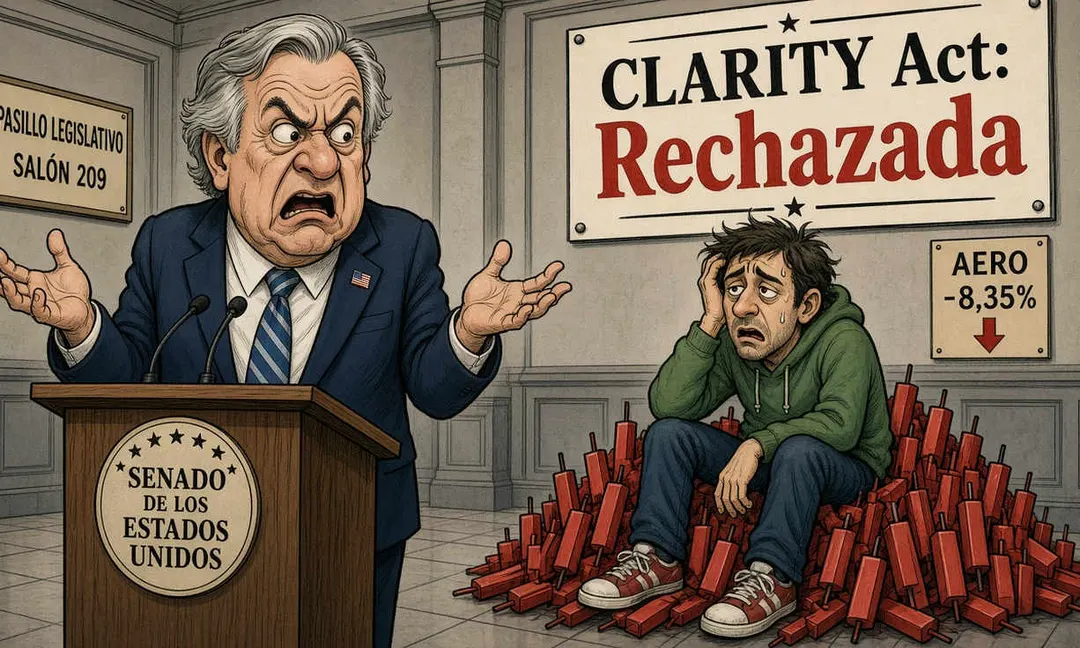
AERO falls 8.35% to $0.525 after CLARITY Act fails in Senate
Why it matters: Mid-cap DeFi tokens react more sharply to regulatory uncertainty: without federal legislation, the risk for DEX tokens like AERO remains elevated.
Ripple and Strategy: CLARITY Act failure leaves XRP and BTC legal status unchanged
Why it matters: The bill's failure keeps US regulatory uncertainty alive, but existing court and regulatory decisions continue to protect XRP and BTC.

VET falls 11.5% to $0.00705 after CLARITY Act failure
Why it matters: The CLARITY Act failure intensified risk-off sentiment in altcoins; VET holds above its 200-day SMA but losing the 7-day SMA signals short-term weakness.
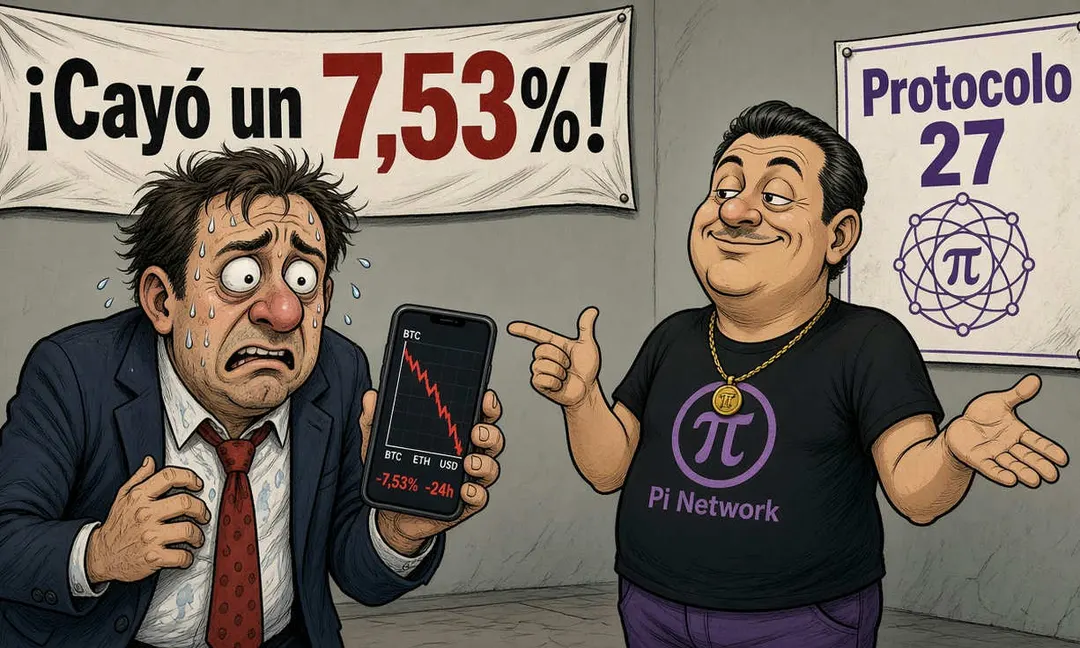
Pi falls 7.53% to $0.0904 on Protocol 27 activation day
Why it matters: Protocol 27 activation failed to hold the price: without a confirmed listing on major exchanges, PI remains a speculative asset under token-unlock pressure.
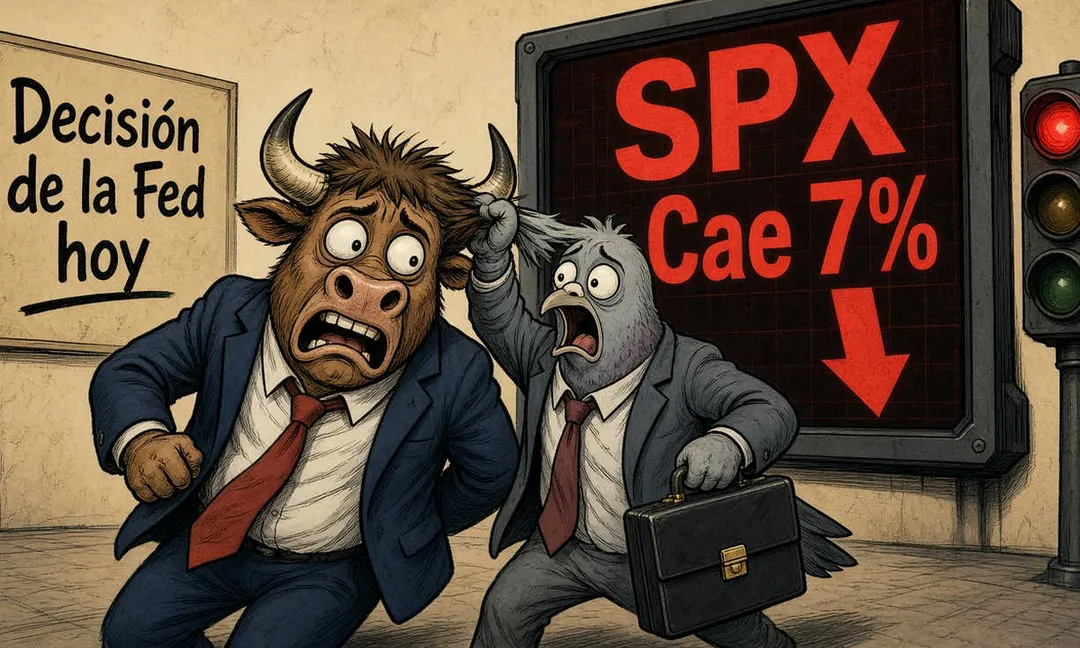
SPX6900 drops 7% to $0.46 amid CLARITY Act failure and Fed rate expectations
Why it matters: High-beta memecoins are the first to react to the failure of US crypto legislation and the risk of a Fed rate hike.
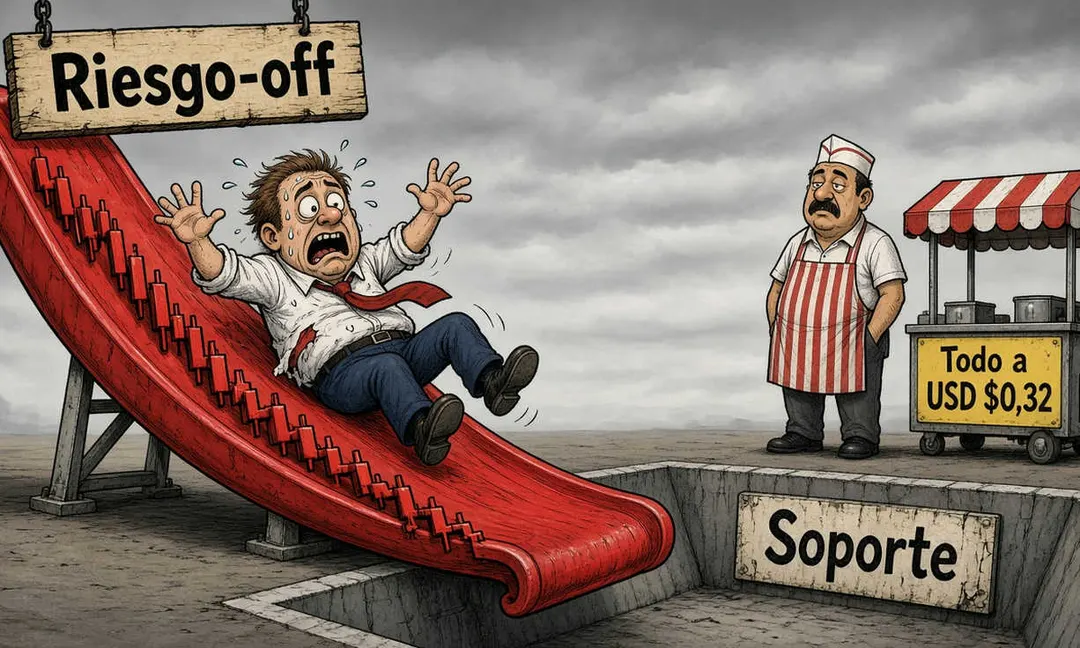
CRV falls 10.25% to $0.317, tests 38.2% Fibonacci support
Why it matters: Holding the $0.3189 support will preserve CRV's medium-term uptrend; a break below would open the way to the 50-day SMA at $0.2876.

FET falls 11.57% to $0.150, breaks below 50-day SMA
Why it matters: Weakness in high-beta AI-sector tokens amplifies the altcoin selloff as Bitcoin declines and ETF outflows continue.

ICP falls 10.92% to $2.47 after CLARITY Act fails in Senate
Why it matters: ICP's decline is a result of the broad risk-off reaction to the CLARITY Act failure rather than protocol issues; support at $2.42–2.44 remains key.