Crypto news today
MARA Holdings buys 1,292 BTC for $98.6 million
Why it matters: Large corporate purchases by miners support BTC demand and signal to institutions a belief in the asset's long-term value.
Kalshi: Fed rate hike odds rise to 87%, market prices a second hike in December
Why it matters: A more hawkish rate path increases pressure on Bitcoin and risk assets, shaping market dynamics for the coming weeks.
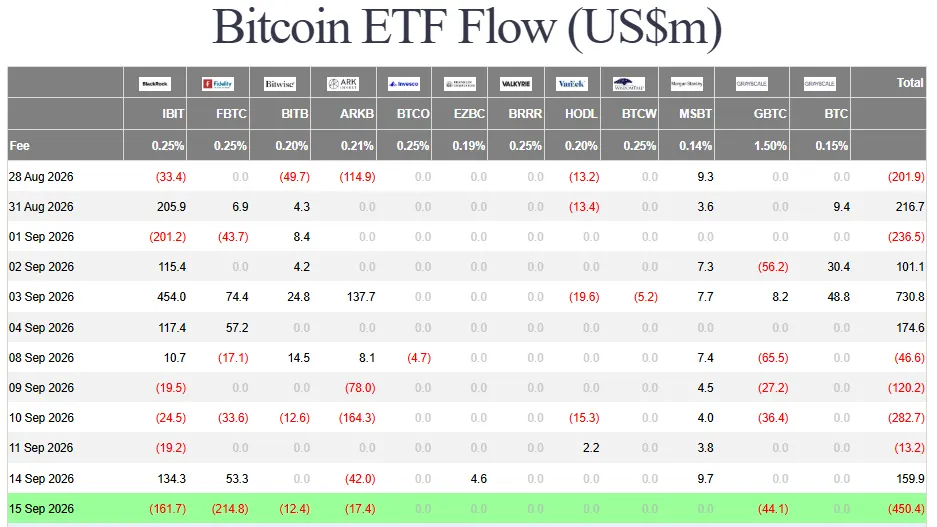
$592.7 million withdrawn from Bitcoin and Ethereum ETFs after CLARITY Act fails
Why it matters: A regulatory delay in the US intensifies outflows of institutional capital from crypto ETFs and weighs on BTC and ETH.
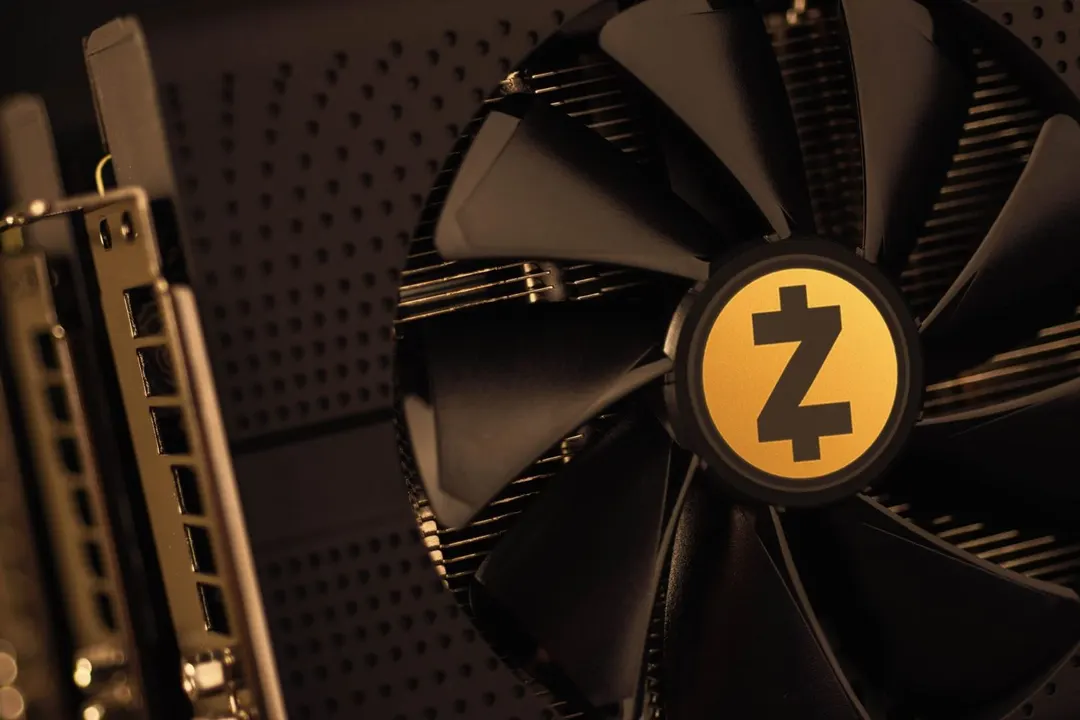
Zcash: 99.9% of ZEC holders back 25-second blocks and keeping halvings
Why it matters: The results give developers a clear NU7 roadmap and strengthen the Zcash narrative as a privacy coin amid regulatory pressure on anonymous assets.

US, UK, Japanese and EU government bond yields hit multi-year highs
Why it matters: Rising government bond yields weigh on risk assets, including Bitcoin, and raise the odds of a hawkish Fed policy.

BitMart opens portal for user feedback on withdrawals and restructuring
Why it matters: The fate of client funds depends on the outcome of the restructuring and the asset withdrawal process.

South Korean lawmaker calls for scrapping crypto income tax
Why it matters: The debate over scrapping South Korea's crypto tax could shape regulation and capital inflows into the local crypto industry.
Lido proposes up to $1.5M in LDO and 480K USDC for market making
Why it matters: Falling LDO volumes raise the risk of exchange delistings; the program could support token liquidity, though it is not presented as price support.
US Census Bureau: poverty fell to 10.2% in 2025
Why it matters: Strong income data could shift expectations for the Fed rate decision, affecting bitcoin and risk assets.
Fitch: Malaysia among most open Islamic markets for crypto
Why it matters: The signal suggests Islamic markets could become a new channel for crypto adoption if sharia compliance is met.

BonfireSwap exploit: Bonfiretoken loses about $50K
Why it matters: The incident highlights the risks of weak access control in DeFi contracts and could increase regulatory scrutiny of smart contract security.

Spain's CNMV chief: EU DLT rules too restrictive
Why it matters: Removing the cap would give large institutions access to tokenized stocks and bonds, potentially accelerating growth of the EU's RWA market.
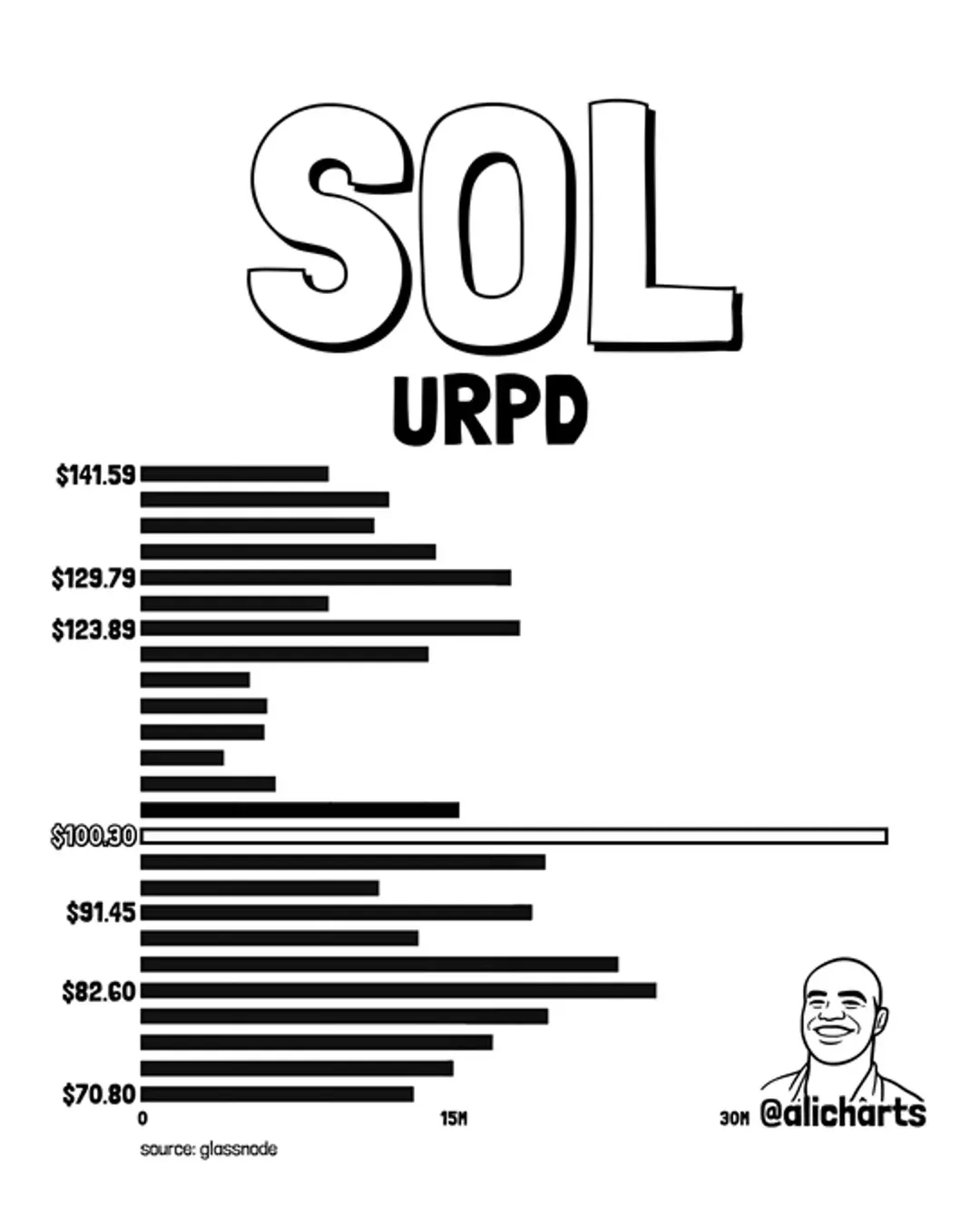
Analyst: Solana to hold $95 on ETF inflows and exchange outflows
Why it matters: The combination of ETF inflows, shrinking exchange supply and network growth reduces the risk of a prolonged SOL correction.
Binance to delist four USDC spot pairs on September 18
Why it matters: The delisting reduces liquidity and makes it harder to exit positions in these tokens on Binance.
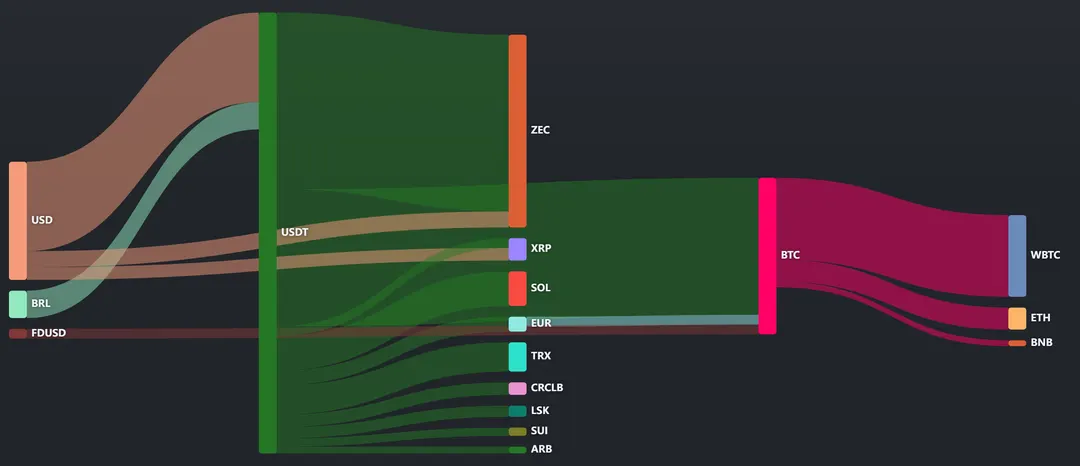
Ethereum sees $53.66M outflow in 5 hours, Zcash leads inflows with $21M
Why it matters: The large outflow from ETH alongside inflows into ZEC and BTC points to capital rotation in favor of privacy coins and bitcoin.
Avalanche launches Wolverine Rewards program for University of Michigan fans
Why it matters: The partnership expands real-world use of Avalanche beyond DeFi, but has little effect on price — key levels are $7.33 and $7.45.

MoneyGram launches stablecoin-backed card
Why it matters: A major payments operator entering stablecoins signals growing competition in digital payments.

XRP drops 10% after CLARITY Act fails, Zcash and Monero rise
Why it matters: XRP remains the altcoin most sensitive to U.S. regulatory decisions, while capital flows into forgotten privacy coins.
CoinMarketCap: bitcoin weakens but derivatives open interest rises 12%
Why it matters: Rising leverage amid falling prices increases the risk of sharp liquidations in both directions on the Fed decision and Senate vote.

Pendle USDC vault on Morpho tops $60M in deposits
Why it matters: The deposit growth signals confidence in Pendle and could strengthen liquidity in the DeFi segment.