Crypto news today
CLARITY Act gets procedural lifeline as Tillis moves to reconsider
Why it matters: Returning the bill to a vote reduces uncertainty for the U.S. crypto market, but the outcome of negotiations remains open.
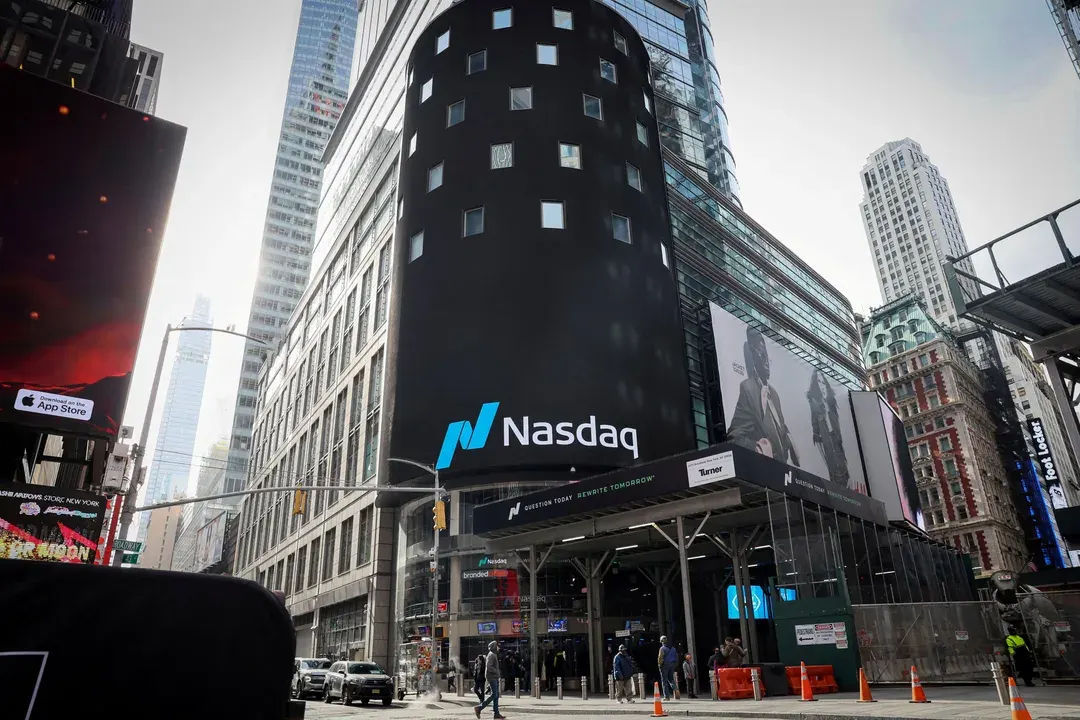
Evernorth, with 473M XRP treasury, heads to Nasdaq under ticker XRPN
Why it matters: A new public vehicle for XRP exposure beyond ETFs emerges, which could support demand for the token after the CLARITY Act setback.
HIVE Digital partners with ProCogia to expand AI infrastructure
Why it matters: The trend of Bitcoin miners pivoting to AI infrastructure continues, reducing the share of hashrate under mining and reshaping the industry's structure.

FCA publishes crypto regime guidance, applications open September 30, 2026
Why it matters: Britain is giving crypto companies a licensing timeline outside the EU and MiCA, which will determine market access for exchanges and custodians.
Prometheum, HashKey and Velocity team up to tokenize U.S. stocks
Why it matters: It expands Asian investors' access to U.S. stocks and reinforces the RWA tokenization trend amid market growth.
Ethereum rebounds to $2,421 but needs to break $2,526 for a reversal
Why it matters: A break above $2,526 would confirm a reversal, while losing $2,380 would open the way to $2,143-2,230 amid ETF outflows and expectations of a Fed rate hike.

Upbit matches Binance in SHIB spot volume
Why it matters: Isolated Korean demand creates local price impulses that can influence SHIB's global chart.
Wintermute: $463M Bitcoin ETF outflow marks first negative week since June
Why it matters: Without a return of ETF inflows, bitcoin lacks an obvious source of new demand, and the Fed decision will set the short-term trend.
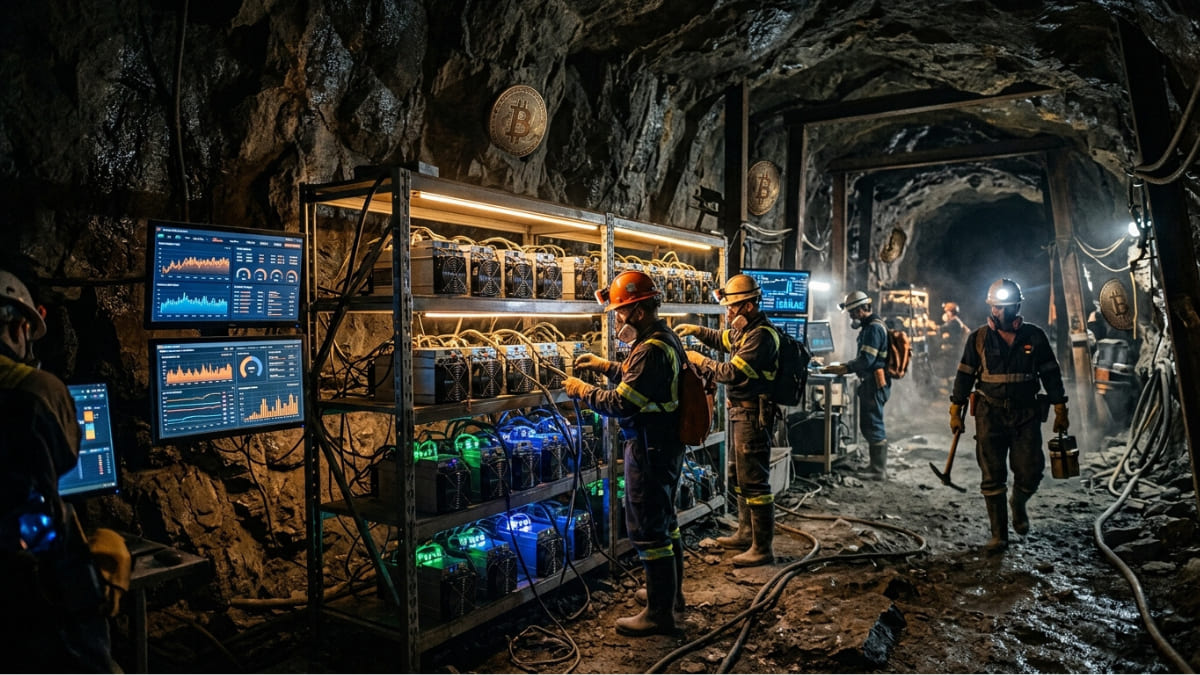
Bitcoin miners face worst crisis in years, putting hashrate control in question
Why it matters: Consolidation of hashrate among large players increases the risks of network centralization and pressure on the BTC price.
Internet Computer tops Solana in transactions, but ICP can't reclaim $3
Why it matters: High network activity has yet to give ICP buying momentum: holding $2.20–$2.40 will determine whether the token continues its recovery toward $3.

BNB Chain launches $20K hackathon to advance tokenized stocks
Why it matters: The growth of tokenized stocks intensifies BNB Chain's competition with Ondo and Ethereum for the RWA market and draws liquidity into the ecosystem.

Binance survey: 86% of users in Kyrgyzstan see rising crypto interest
Why it matters: Growing retail interest in crypto transfers and payments strengthens Kyrgyzstan's position as a regional crypto hub and boosts demand for stablecoins.
Aave Labs plans tokenized-asset lending market on Avalanche with USA₮
Why it matters: Isolated markets for tokenized collateral could attract institutions without putting Aave's main pool at risk.
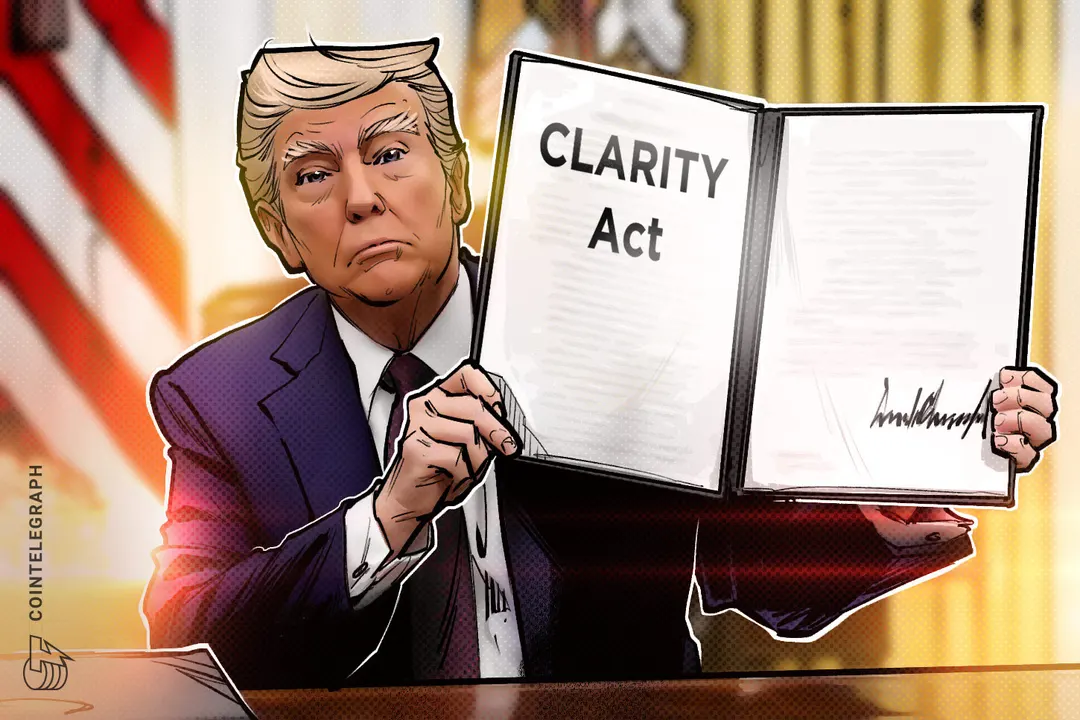
Bernstein: SEC and CFTC to pursue aggressive rulemaking after CLARITY Act fails
Why it matters: SEC and CFTC rules could replace legislation and accelerate institutional inflows into crypto without waiting for Congress.
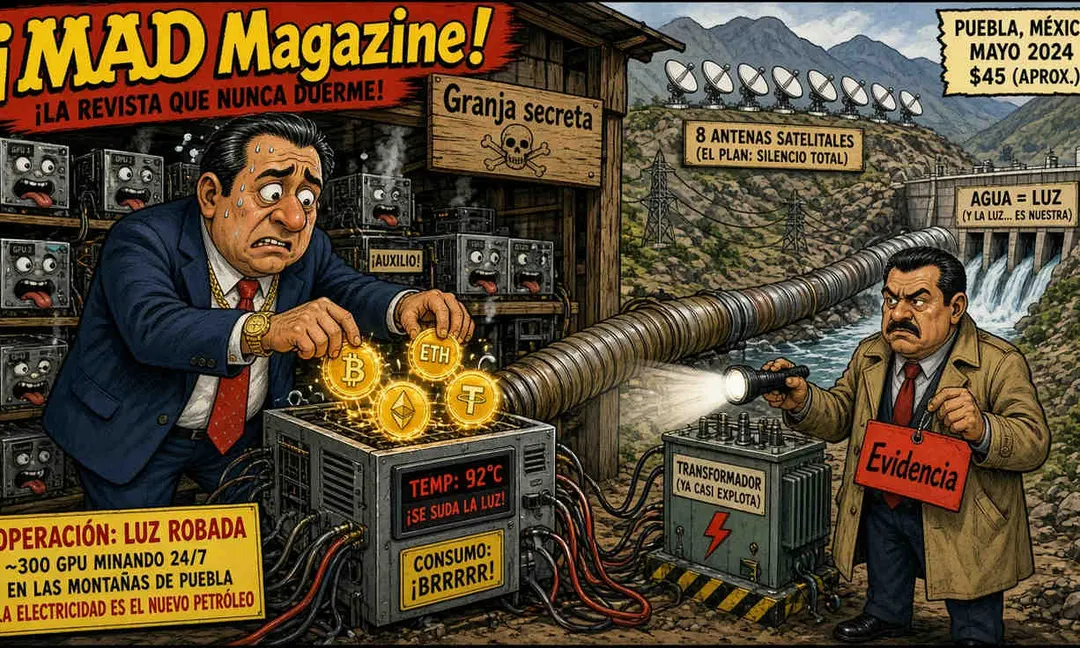
Mexico seizes illegal 300-GPU mining farm in Puebla
Why it matters: The case increases pressure on mining in regions with cheap energy and raises the risks of regulatory claims against the industry.

Bubblemaps launches V2 with token feed, Insider Score and built-in swap
Why it matters: The tool moves wallet checks to the stage before a token is bought, which could reduce retail losses on launches like LAPTOP.
API3 cuts staking target to 30%
Why it matters: Lower emissions reduce sell pressure on the API3 token but cut staker yields.
Saylor: SEC and CFTC to advance bitcoin custody rules soon
Why it matters: Expanding bank custody of BTC would strengthen institutional demand and bolster confidence in crypto.
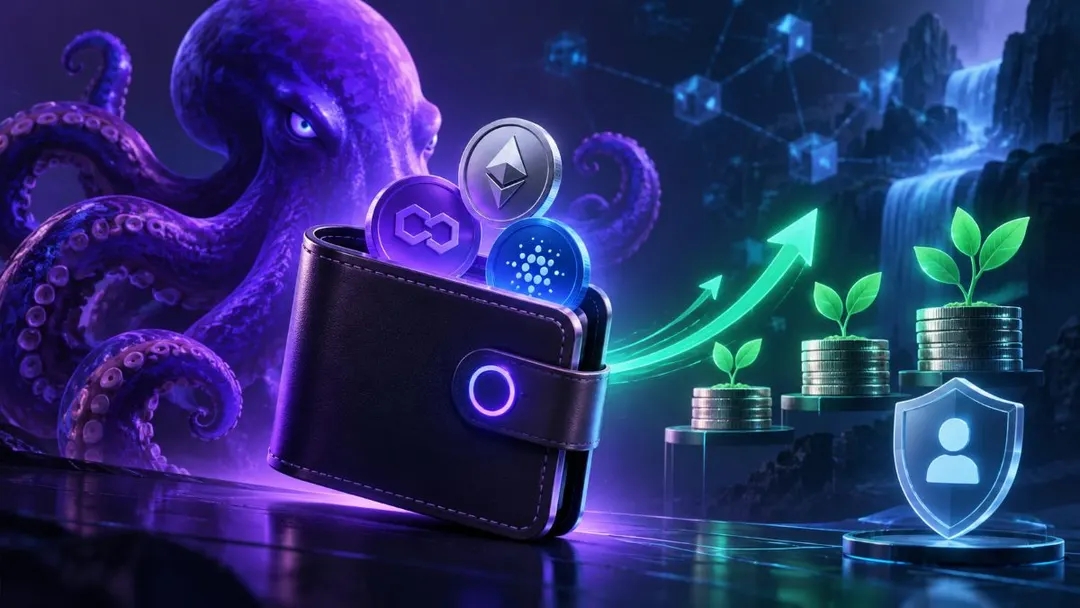
Kraken Wallet adds DeFi Earn for self-custody assets
Why it matters: The wallet is becoming an onchain financial interface, intensifying competition for self-custody users.
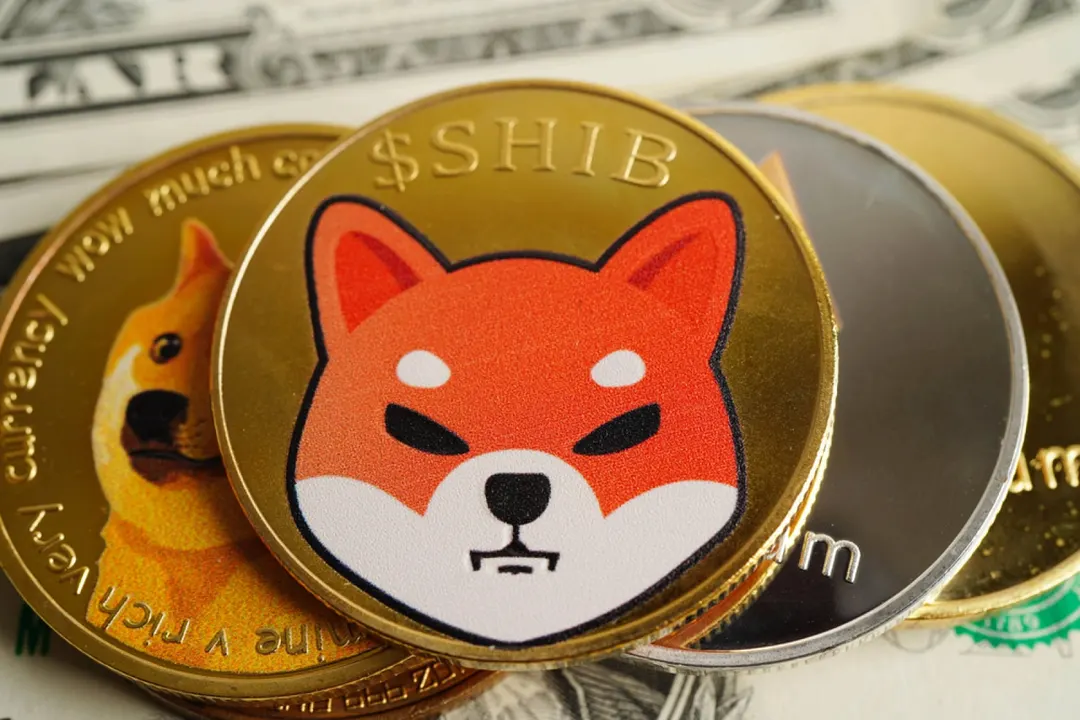
Shiba Inu network activity jumps 216%, 1.6B SHIB added
Why it matters: A spike in onchain activity without buying growth does not change the weak technical picture: if $0.00000480 is lost, a move toward July lows is possible.