Crypto news today
Grayscale Rebrands Bitcoin Miners ETF as AI Compute Fund (GCPU)
Why it matters: A major issuer is pivoting a crypto product toward AI infrastructure, reflecting the re-rating of miners as data-center operators.
Bitcoin Core bug shows wallet risk no longer ends with private keys
Why it matters: The flaw could affect BTC holders running self-custodial wallets on Bitcoin Core.

Bitcoin Has Almost Erased Its 2026 Losses. What's Next?
Why it matters: A full recovery to early-2026 levels could signal the end of the correction and a shift in institutional sentiment.
Fed hikes rates by 25bp to 3.75–4.00%, first increase since 2023
Why it matters: Tighter Fed policy pressures risk assets, but crypto held up — BTC and ETH direction now hinges on upcoming inflation and jobs data.
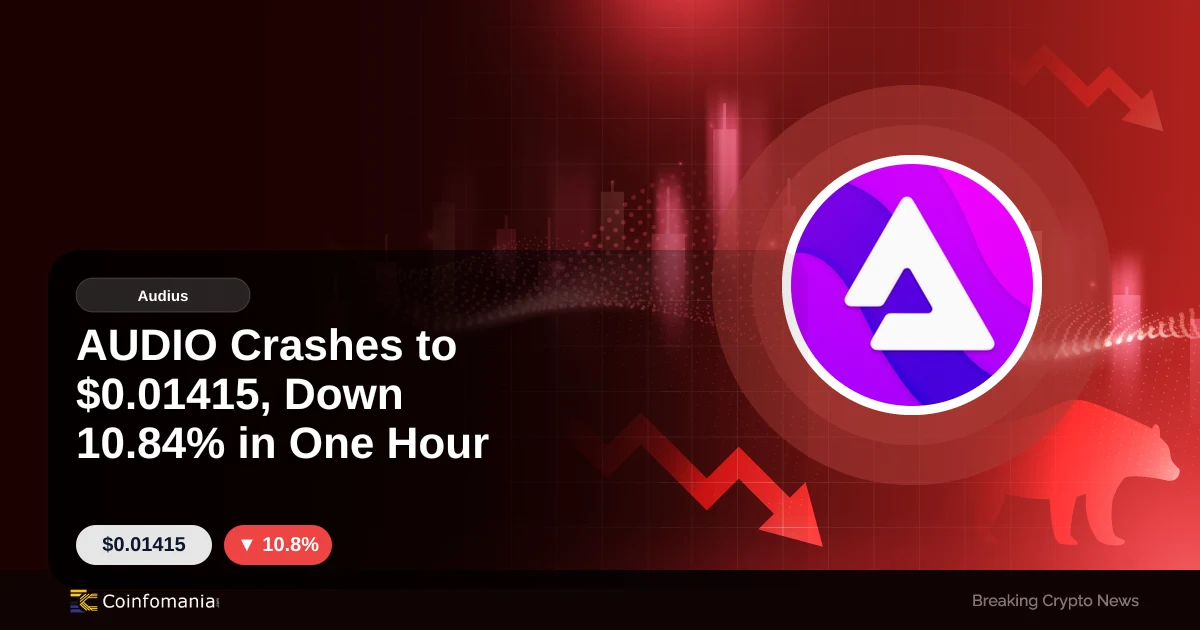
AUDIO Crashes 10.84% to $0.01415 in One Hour
Why it matters: A break below the $0.01378 support could signal further downside, while resistance sits near $0.0155.

Arbitrum slips 1.46% after 113% rally over 30 days
Why it matters: Overbought conditions and fading volume raise the risk of a pullback toward $0.205 support.
Fed Z.1 Data: Equities Hit Record 39.9% of US Household Net Worth
Why it matters: Record equity concentration leaves US households highly exposed to a stock market drawdown, strengthening bitcoin's appeal as a hedge.
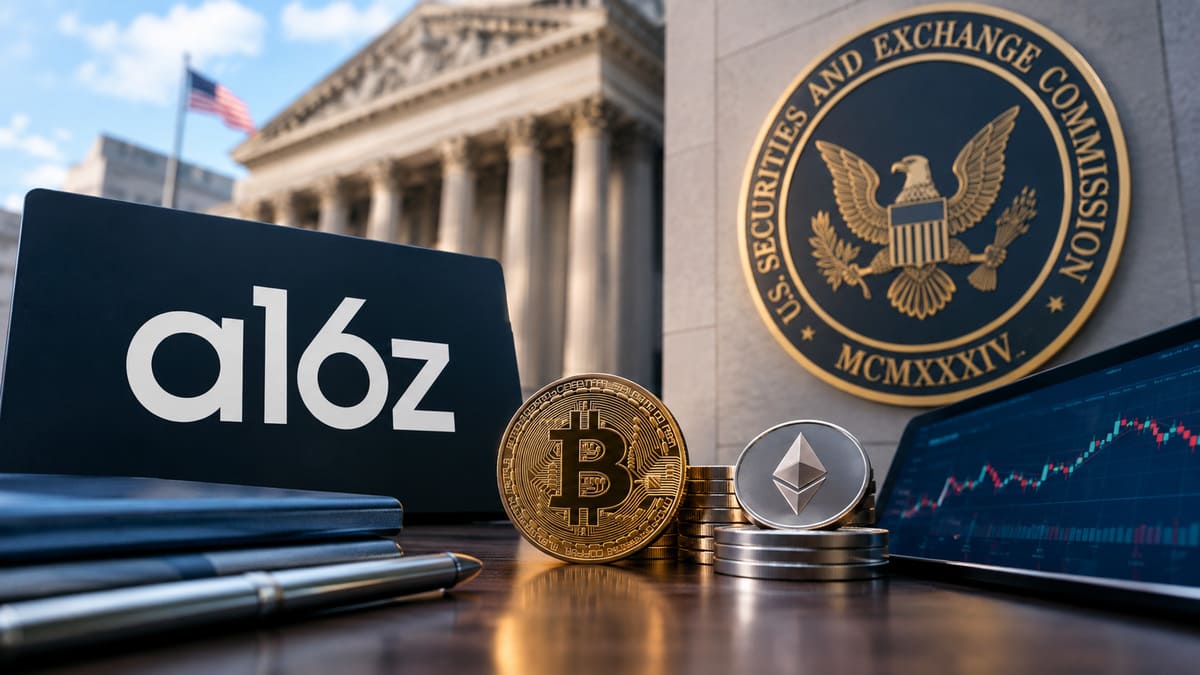
a16z Urges SEC to Clarify Exchange Rules, Grant Software Safe Harbor
Why it matters: If adopted, the proposal would give US DEXs regulatory clarity and open the door to onchain trading of tokenized securities.

Injective Launches Stockdrop, Rewarding INJ Buyback Participants With Tokenized Stocks
Why it matters: The program ties INJ's deflationary tokenomics to the tokenized equity market, adding a new source of demand for the token.

Celestia (TIA) Jumps 3.95% to $0.447 on Volume 47% Above Average
Why it matters: The volume-backed rally could mark a trend reversal, but TIA's long-term structure remains weak after a 98% drawdown from its peak.

VIRTUAL Jumps 5.84% to $0.722 After FOMO Swap Listing
Why it matters: The rally is volume-backed but remains a bounce within a downtrend; sustainability depends on real demand for AI agents.
York police bust 'Icy White North' network in first-ever crypto takedown
Why it matters: Canadian law enforcement is stepping up its crackdown on crypto crime, which could shape regulation of the sector in the region.

RENDER Jumps 5.8% in 24 Hours, Extends Weekly Gain to 39%
Why it matters: A break above the $1.87–1.89 resistance would confirm an exit from the three-month range, though overbought readings risk a 5–10% pullback.

XDC Network jumps 10% to $0.0310, breaks above 200-day moving average
Why it matters: Reclaiming the 200-day SMA shifts XDC into an uptrend, but overbought readings raise the risk of a pullback to $0.0292–0.0296.
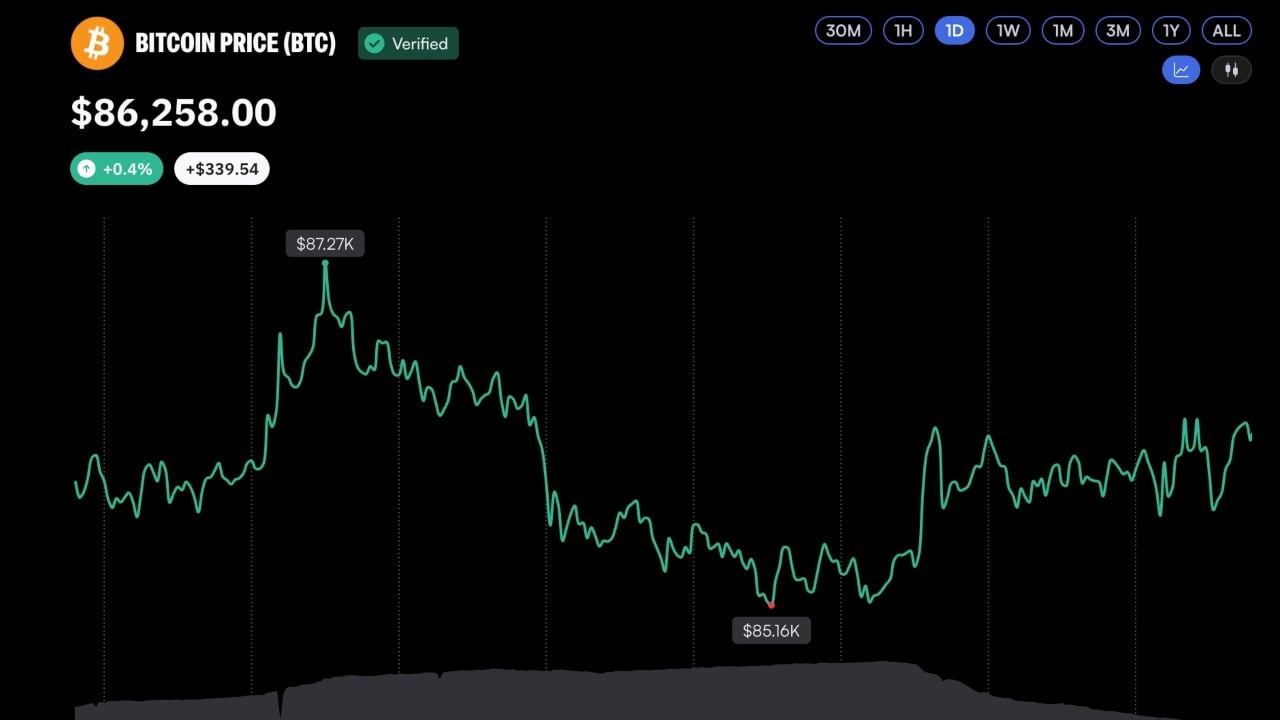
Bitcoin Liquidations Drop Sharply as BTC Holds Above $86,000
Why it matters: Rising leverage and cooling liquidations point to a possible push toward $90,000, though volatility remains elevated.

Ethereum breaks $2,661 resistance, opening path to $3,050
Why it matters: The breakout against a shrinking free float could accelerate ETH toward the psychological $3,000 level.
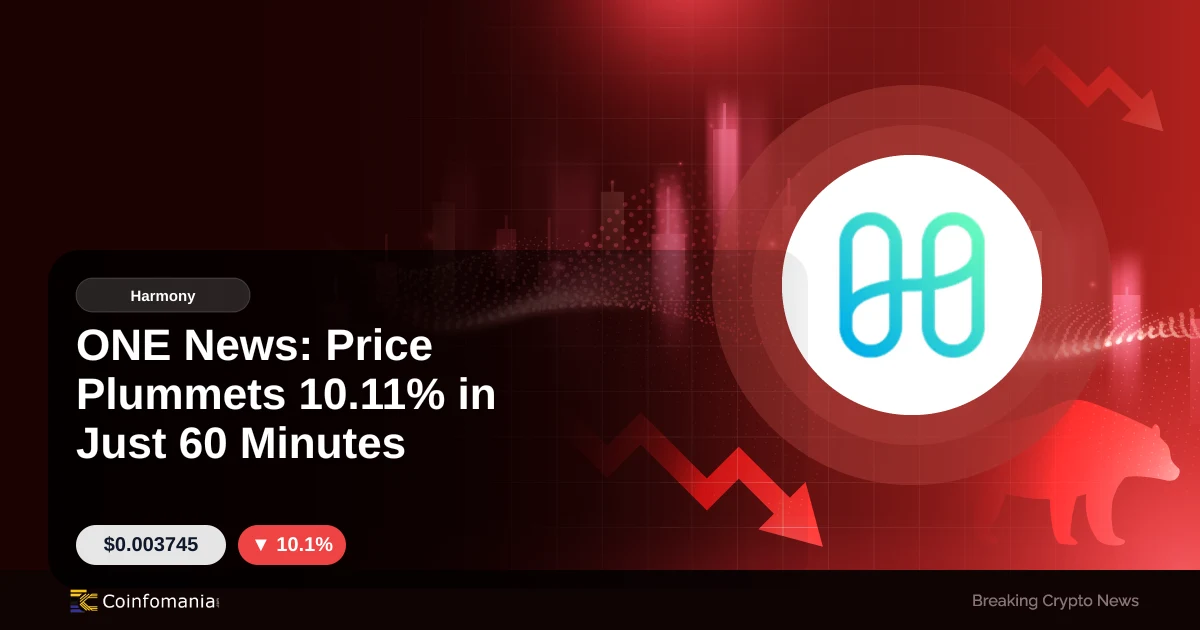
ONE Plunges 10.11% in One Hour to $0.003745
Why it matters: A break below $0.0035 support could extend bearish momentum, while a rebound would signal a possible reversal.
TokenPocket launches onchain asset inheritance built on EIP-7702
Why it matters: It tackles a long-standing self-custody problem: passing crypto assets to heirs without intermediaries.

Filecoin climbs 4.95% toward $1 as altcoin rally lifts FIL
Why it matters: FIL's advance looks like market beta to the bitcoin rally rather than a fundamental driver, leaving it exposed to a sharp reversal if BTC corrects.

Aave Adds USDC Deposits from Base to Its Mobile App
Why it matters: Easier USDC onboarding from Base could lift user activity and liquidity across Aave's ecosystem.