Crypto news today
Etherscan launches ArcScan, a block explorer for Circle's Arc network
Why it matters: Etherscan API compatibility will ease developer migration into the Arc ecosystem, strengthening Circle's position in stablecoin payments.
2,269 BTC worth $171 million transferred to Coinbase Institutional
Why it matters: Large deposits to an institutional venue may indicate preparation for trading or a custodian change, affecting BTC supply on the market.

CFTC chair: commission ready to issue rules for new financial areas
Why it matters: The signal of imminent CFTC rulemaking could set the rules of the game for the U.S. crypto market amid the stalling of the CLARITY Act.

"Insider whale 1011" boosts ZEC short: loss exceeds $22 million
Why it matters: A large ZEC short amid the coin's rally shows that some whales are betting against the privacy-coin surge but are suffering serious losses.
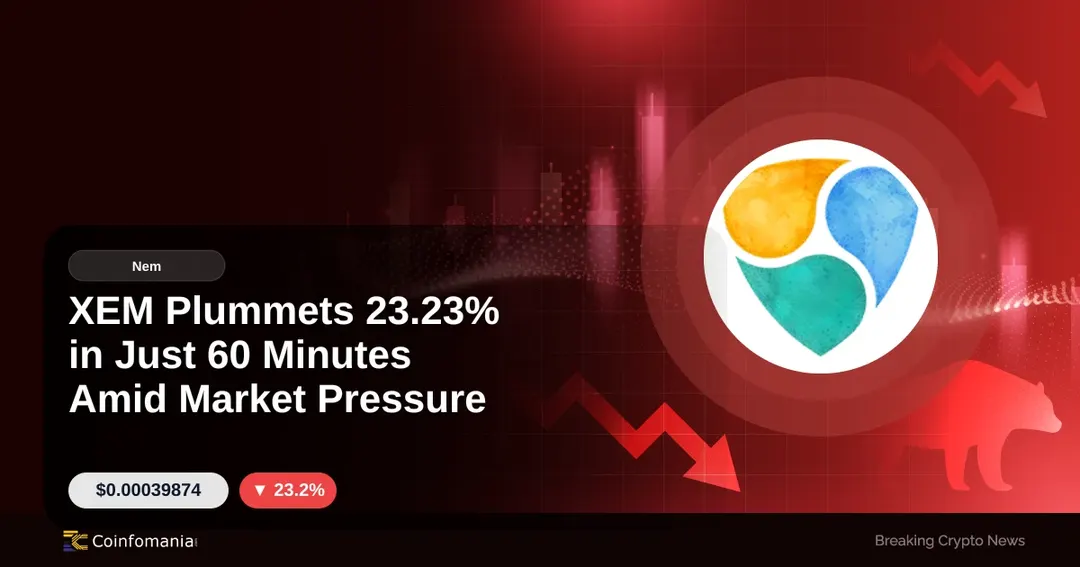
XEM plunges 23.23% in an hour to $0.000399
Why it matters: XEM's low liquidity amplifies volatility: a break below support at $0.000398 could accelerate the decline.

Iris raises $43 million for blockchain infrastructure for telecom operators on Avalanche
Why it matters: The case shows dedicated L1s and stablecoins moving beyond crypto into telecom settlements, but it all rests on a single investor.

Whale buys 197.35 BTC for $15M via Hyperliquid
Why it matters: Large purchases with withdrawal to cold storage reduce BTC supply on exchanges and signal accumulation.

JPMorgan: CLARITY Act not dead, but chances of passage this year minimal
Why it matters: The absence of market structure legislation leaves crypto regulation to agency discretion, increasing uncertainty for institutions.
Coin Center: US tax bill mischaracterizes block reward income
Why it matters: If the provision becomes law, it could cement the IRS's flawed position and undermine the legal dispute over block reward taxation.
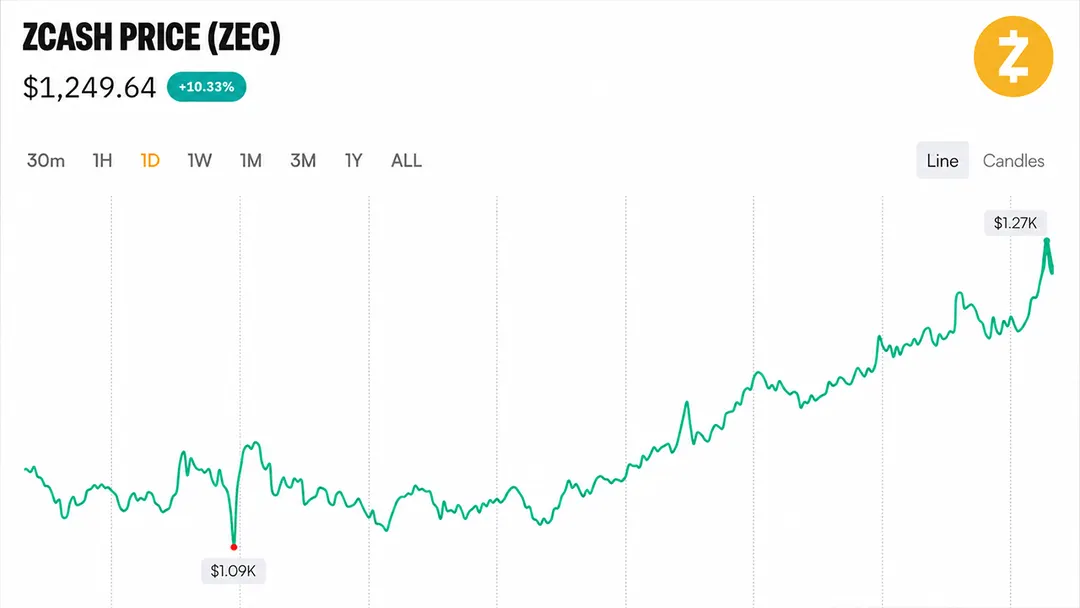
Zcash rises to $1,270 after vote: 99.9% back 25-second blocks
Why it matters: The vote does not change the code: developers must still implement and test NU7, and ZEC's rally runs against a falling market.
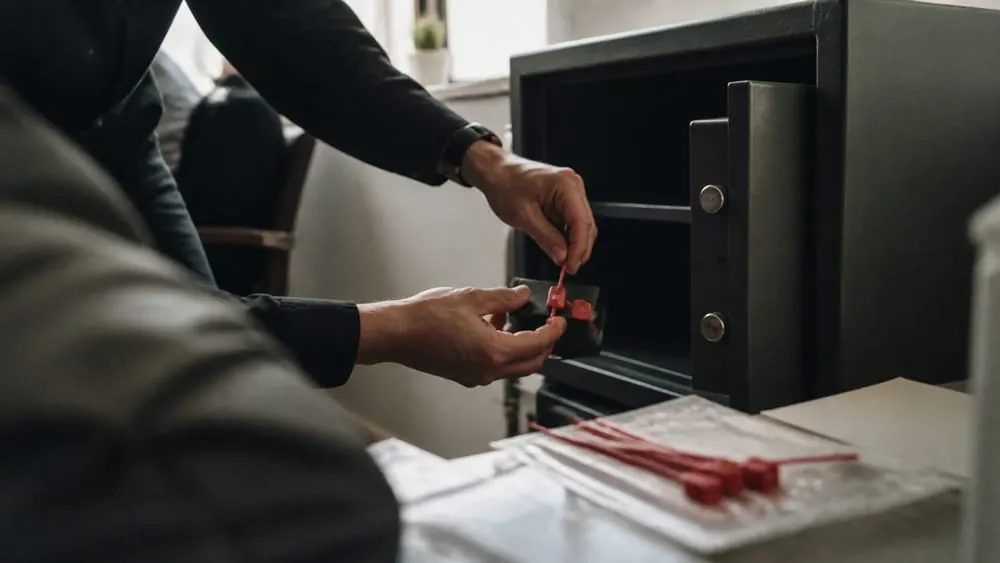
Jack Mallers explains exit from Twenty One Capital over financial engineering disagreement
Why it matters: The case highlights the risks of Bitcoin treasury companies: without operating cash flow, BTC revaluation losses hit financial statements.
Market sees 90% chance of 25 bps Fed rate hike
Why it matters: The FOMC decision will set the direction for Bitcoin and risk assets; a pause instead of a hike could trigger a rebound.

BTIG reiterates Buy on Coinbase with $240 target
Why it matters: The rating signals a bet on Coinbase's institutional growth despite weak spot trading volume.
Texas scammers threaten mother with baby, extract $23,700 via Bitcoin kiosks
Why it matters: The case illustrates the rise in fraud through crypto ATMs and pressure on vulnerable users.

Binance Earn updates product categories to clarify risk
Why it matters: Clearer risk labels help users choose Earn products more consciously, but do not change their terms or yields.
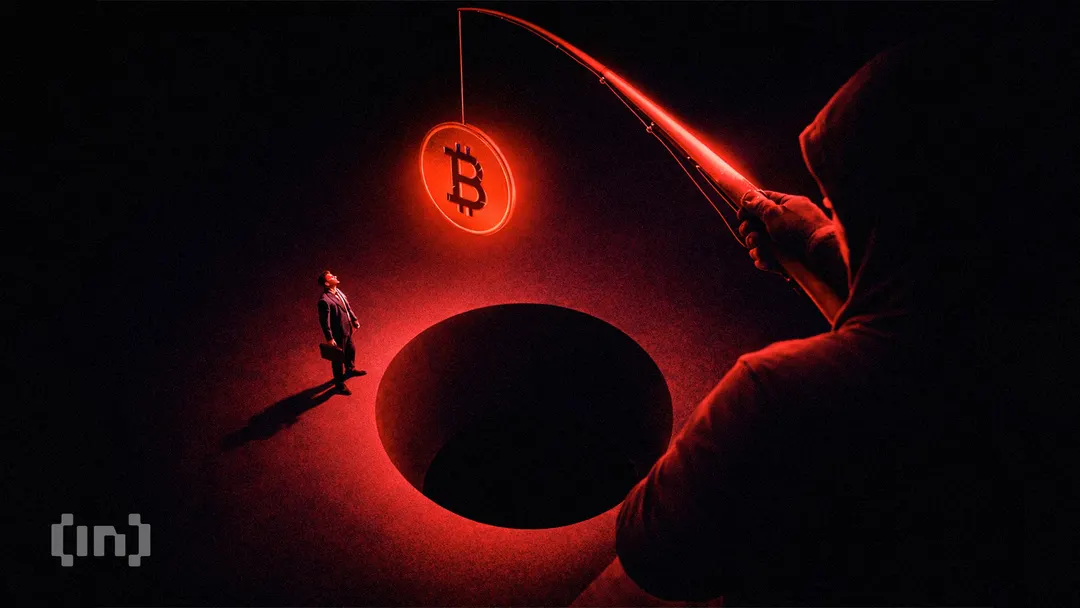
Kazakhstan: 119 crypto scams using Musk and Durov deepfakes in six weeks
Why it matters: The rise of deepfake crypto schemes increases pressure on regulators and exchanges over verification and user protection.
Analyst: Dogecoin could rise to $0.1774 if $0.0813 support holds
Why it matters: Whale accumulation may signal a bottom is forming, but the correction after the CLARITY Act keeps risks for the memecoin.
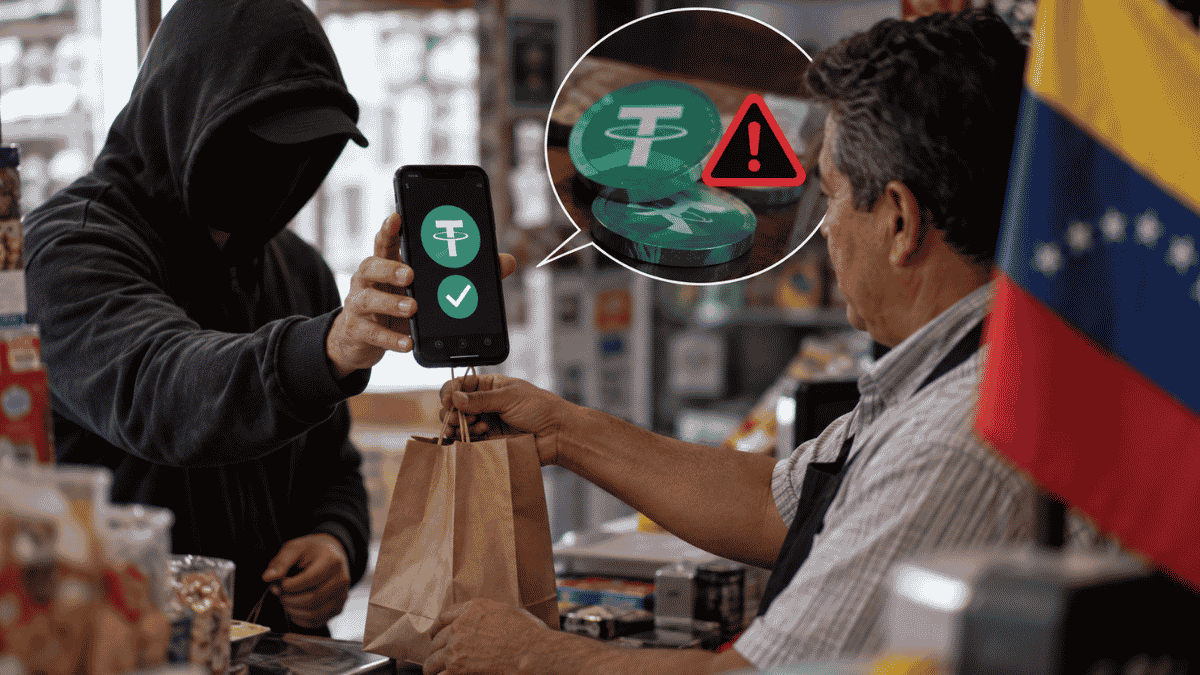
In Venezuela, scammers trick stores with fake "USDT" tokens
Why it matters: The scheme undermines trust in crypto payments in Venezuela, where USDT is widely used as a dollar substitute.

Flamingo Finance attacked via Morpho flash loan, hacker made $345,900
Why it matters: Another exploit via manipulation of a vault share price is a reminder of the risks in DeFi protocols that use flash loans.
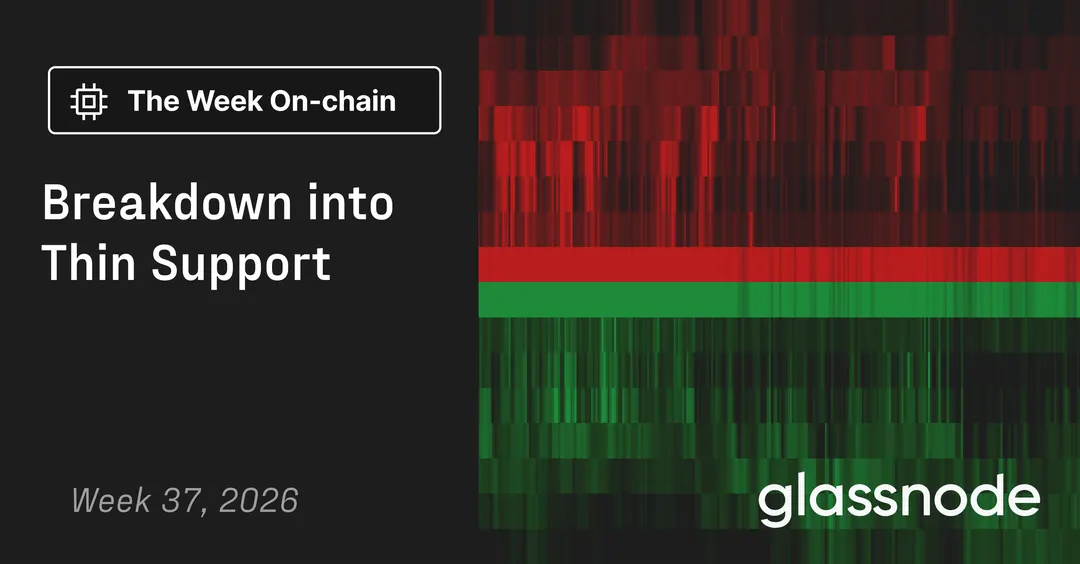
Glassnode: Bitcoin falls below $76.7K True Market Mean, support is thin
Why it matters: Losing the range opens the way to $71.3K, then $62–65K; a return above $80.5K would put corporate treasuries back in profit.