Crypto news today

Bitpace taps Fireblocks to boost cross-border stablecoin settlements
Why it matters: The integration accelerates the shift of stablecoin settlements away from correspondent banking and SWIFT, cutting fees from 1.5–6% to a fraction of that.
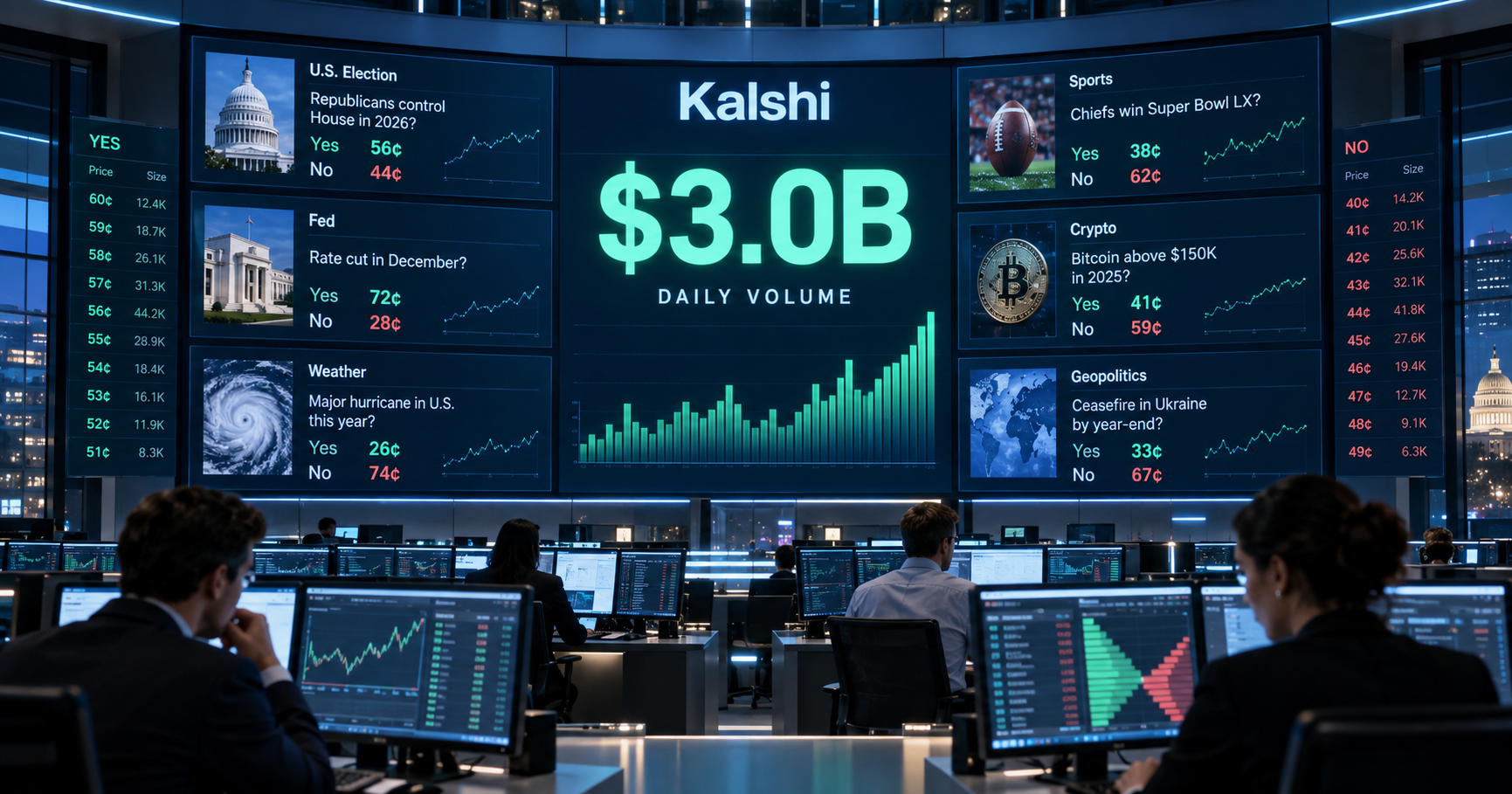
Kalshi Sets 2026 Volume Record at $15.27B With First $3B Day
Why it matters: Record volumes on Kalshi show prediction markets are becoming a meaningful source of liquidity for crypto bets.
Solana tokenized equity holders near 900K, approaching record high
Why it matters: The surge signals growing demand for on-chain access to US equities and cements Solana's lead in the RWA sector.

0G Labs launches 0G Hub with support for 6 networks and 22 apps
Why it matters: 0G is moving beyond infrastructure into a consumer-facing product, though no volume or liquidity figures have been disclosed yet.

CLARITY Act failure leaves full AML rules intact for US crypto firms
Why it matters: Regulatory uncertainty persists, but compliance burdens on US crypto firms will not ease — a key factor for exchanges and custodians.

Glassnode: Bitcoin MVRV Reclaims 365-Day Average, Momentum Signal Seen at Start of Past Two Bull Markets
Why it matters: The crossover has historically marked the start of the past two Bitcoin bull markets, reinforcing the case for further upside.

Arc USDC/USDC pool posts 489% annualized fees on mainnet launch
Why it matters: The case shows how Arc's native USDC design and Uniswap v4's currency identification create arbitrage routes and one-off yield spikes that should fade as spreads narrow.
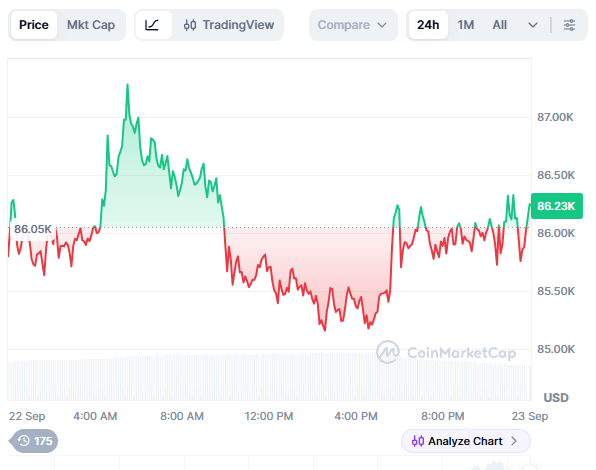
Bitcoin at $86,237, Ethereum at $2,743 as market trades mixed
Why it matters: Falling derivatives and stablecoin volumes point to trader caution even as Bitcoin dominance rises.

Iran's most notorious sanctions evader returns with crypto exchanges and gold-backed tokens
Why it matters: The case shows how crypto exchanges and Tron-based stablecoins have become a core sanctions-evasion channel, raising pressure on the industry's compliance controls.

OFAC sanctions BitBank over IRGC bitcoin transfers
Why it matters: Sanctions on an Iranian exchange tighten pressure on crypto infrastructure, while the ECB's proposed rules could reshape DeFi yields.

Valour Launches AI-Powered Crypto Hedge Fund
Why it matters: A major ETP issuer is moving into actively managed crypto strategies, intensifying competition for institutional capital.

Mantle's tokenized assets jump from 71 to over 1,340 year-to-date
Why it matters: The surge in tokenized assets underscores the accelerating RWA trend, though asset counts do not reflect actual issuance volumes or liquidity.

Santiment: Crypto FOMO Hits Two-Year High After Price Rally
Why it matters: One-sided optimism raises the risk of a sharp pullback, leaving late buyers most exposed.

Alibaba Unveils V900 AI Chip to Challenge Nvidia; TAO, FET, NEAR, RENDER Rally
Why it matters: AI infrastructure remains a major investment theme driving demand narratives for tokens like TAO, FET, NEAR and RENDER, even if Alibaba's capacity stays in-house.

ViaBTC partners with Mempool to expand Bitcoin transaction acceleration access
Why it matters: Faster transaction confirmation helps users avoid delays during network congestion, improving Bitcoin's usability.
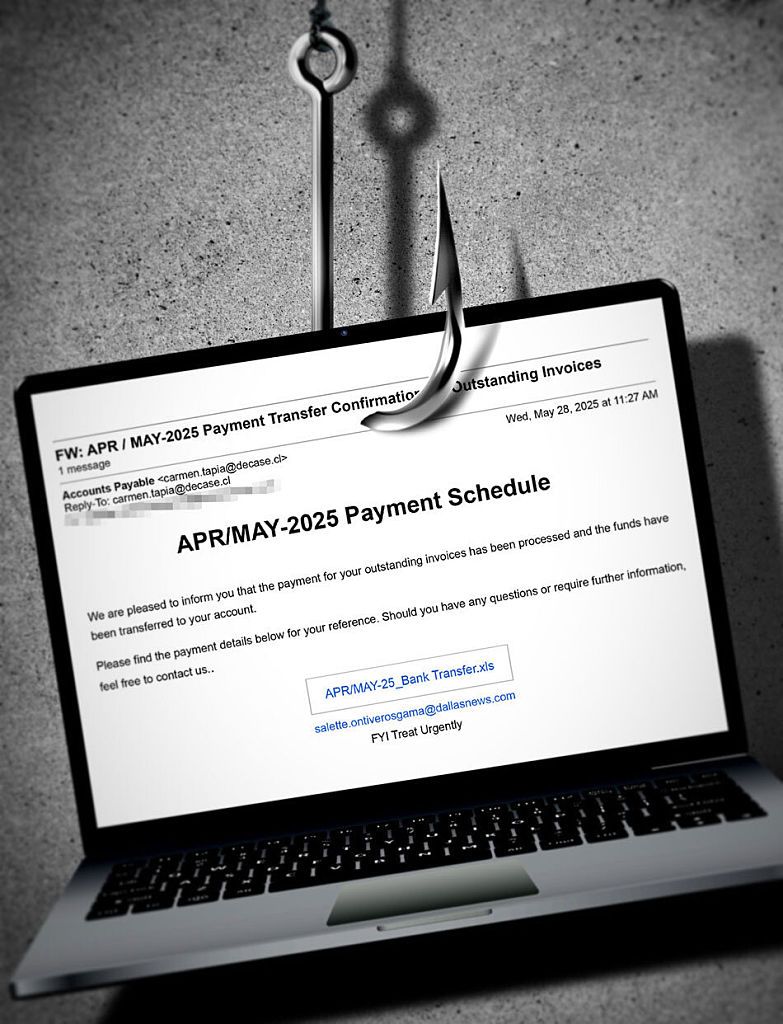
Microsoft and Coinbase probe leads to arrest of EvilTokens phishing network operators
Why it matters: The kit lowered the barrier to entry for phishing-as-a-service, raising risks for crypto and financial firms.
Glassnode Altcoin Season Signal Hits 81.25 as Bitcoin Breaks $87,000
Why it matters: An altcoin season signal suggests capital may be rotating out of Bitcoin into altcoins, shifting market dynamics.

BlackRock research paper examines AI's impact on digital assets
Why it matters: The world's largest asset manager is framing institutional crypto exposure around BTC, ETH and stablecoins as AI settlement rails.

Bitquery reconstructs Patoshi pattern, tracing up to 1.17M BTC to Bitcoin's earliest miner
Why it matters: The coins represent about 5% of Bitcoin's capped supply, so any movement could significantly move the market.

Base Launches 24/7 Trading of Tokenized Stocks With JPMorgan and Goldman Sachs Backing
Why it matters: Round-the-clock tokenized stock trading could accelerate the convergence of TradFi and crypto and intensify competition among platforms.