Crypto news today

Analyst: Dogecoin could rise to $0.1774 if $0.0813 support holds
Why it matters: Whale accumulation may signal a bottom is forming, but the correction after the CLARITY Act keeps risks for the memecoin.
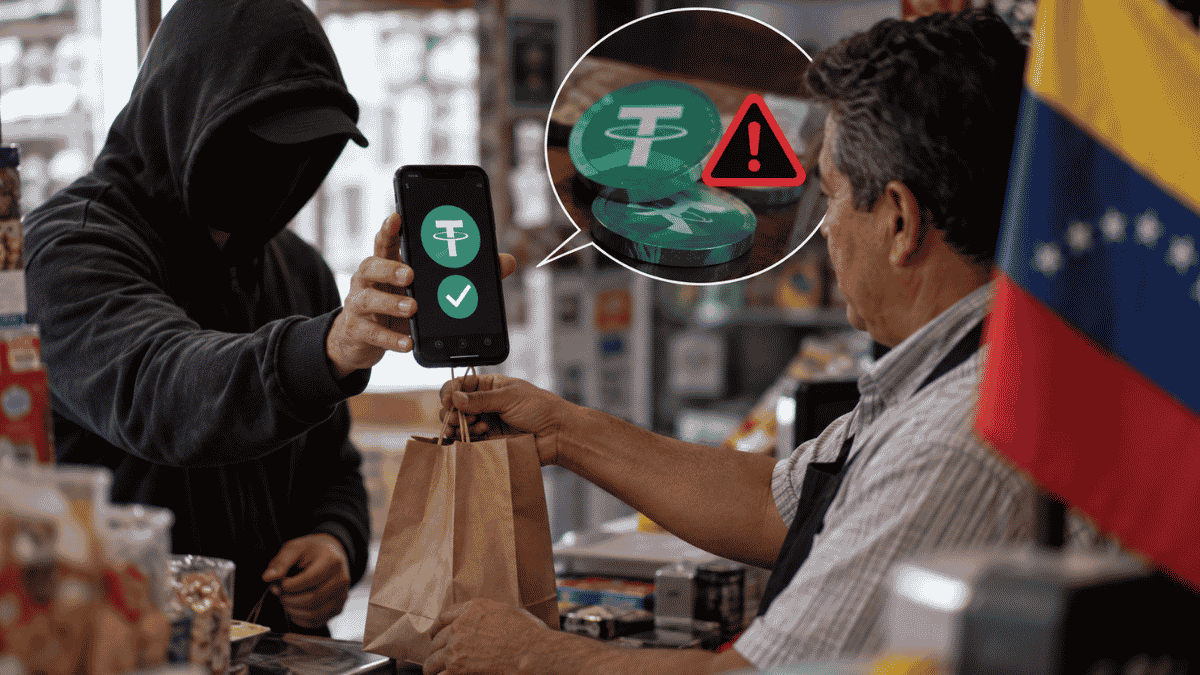
In Venezuela, scammers trick stores with fake "USDT" tokens
Why it matters: The scheme undermines trust in crypto payments in Venezuela, where USDT is widely used as a dollar substitute.

Flamingo Finance attacked via Morpho flash loan, hacker made $345,900
Why it matters: Another exploit via manipulation of a vault share price is a reminder of the risks in DeFi protocols that use flash loans.
Glassnode: Bitcoin falls below $76.7K True Market Mean, support is thin
Why it matters: Losing the range opens the way to $71.3K, then $62–65K; a return above $80.5K would put corporate treasuries back in profit.

$632 million in liquidations: longs under pressure ahead of FOMC decision
Why it matters: The Fed decision and further ETF flows will determine whether the sell-off marks the start of a decline or merely a flush of excess leverage.

Bonk Guy: Arc memecoins should be held for no more than a few days
Why it matters: A signal of the speculative nature of memecoins on Arc: traders should separate short-term trading from long-term assessment of the network.
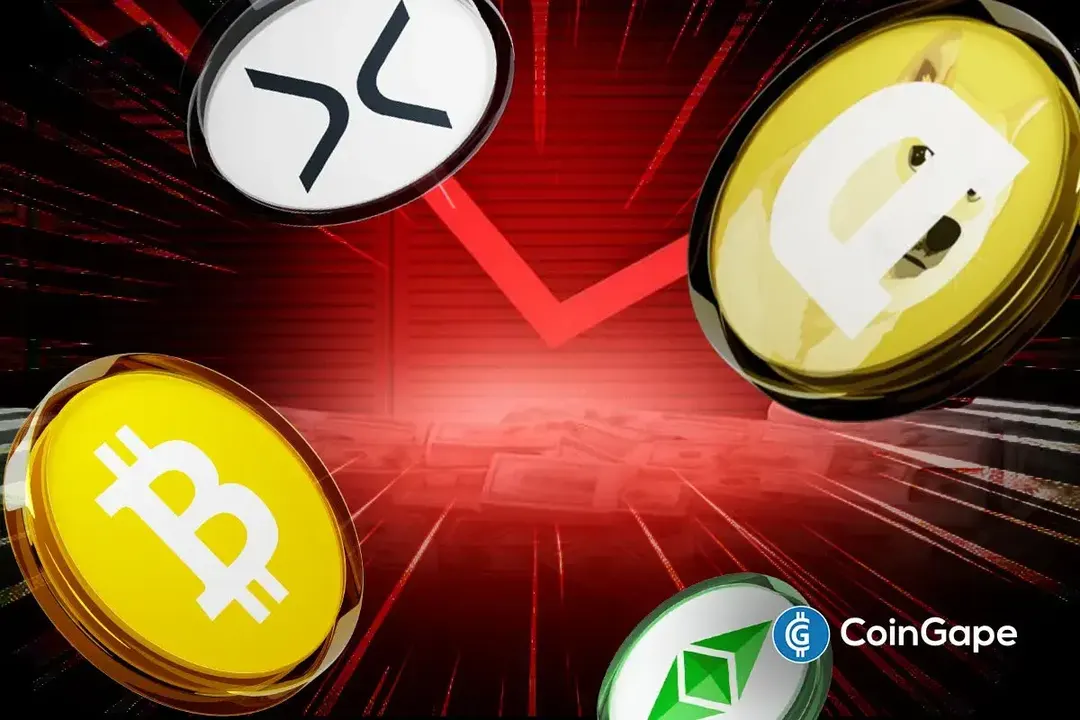
Crypto market cap falls to $2.59T ahead of Fed decision, after CLARITY Act fails
Why it matters: A rate hike with a hawkish signal could deepen the selloff, while a pause would give BTC, ETH and XRP room to rebound.

Aave launches Arc with stablecoin markets and Core Hub
Why it matters: Arc bridges DeFi with traditional finance and could boost demand for stablecoins and institutional lending.

Jiang Zhuoer: market to fall first after Fed decision, Bitcoin may hit $84,000
Why it matters: The forecast sets benchmarks for traders ahead of the Fed meeting: a possible drop to $75,000 followed by a rebound.
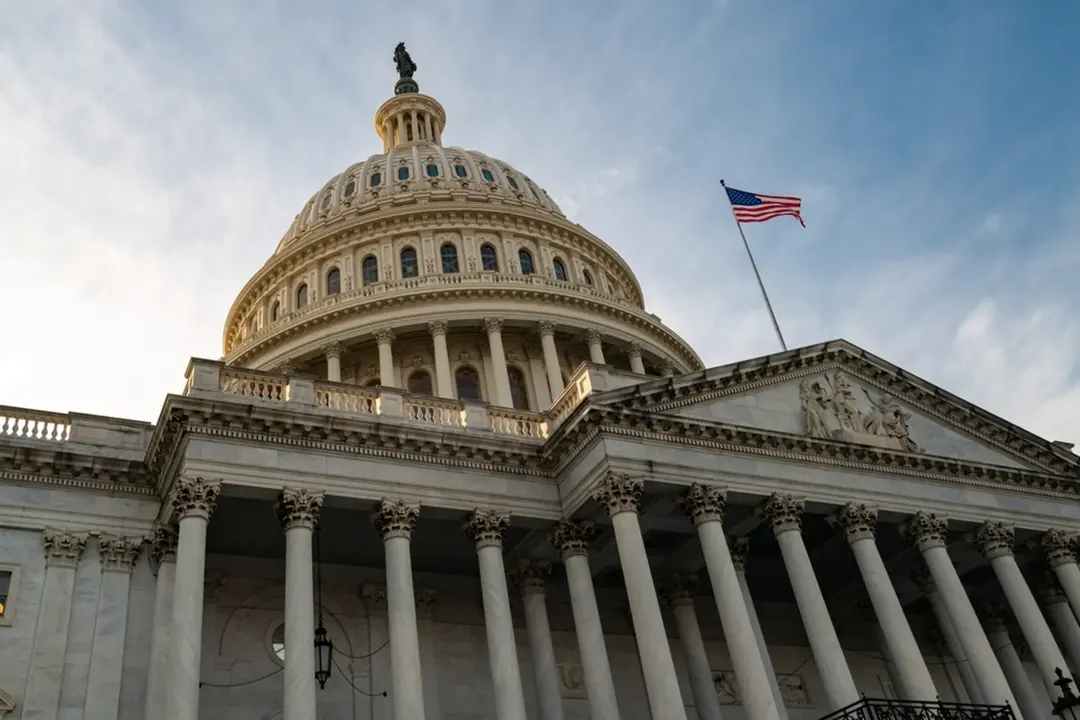
US House begins review of crypto tax and strategic Bitcoin reserve bills
Why it matters: Passing the bills would determine crypto taxation in the US and create a state Bitcoin reserve, affecting institutional demand.
Trezor data leak: 67,000 clients, $320M losses tracked on-chain
Why it matters: KYC data leaks create a long-term risk for holders: an address and passport cannot be changed like a key, raising the threat of physical attacks.
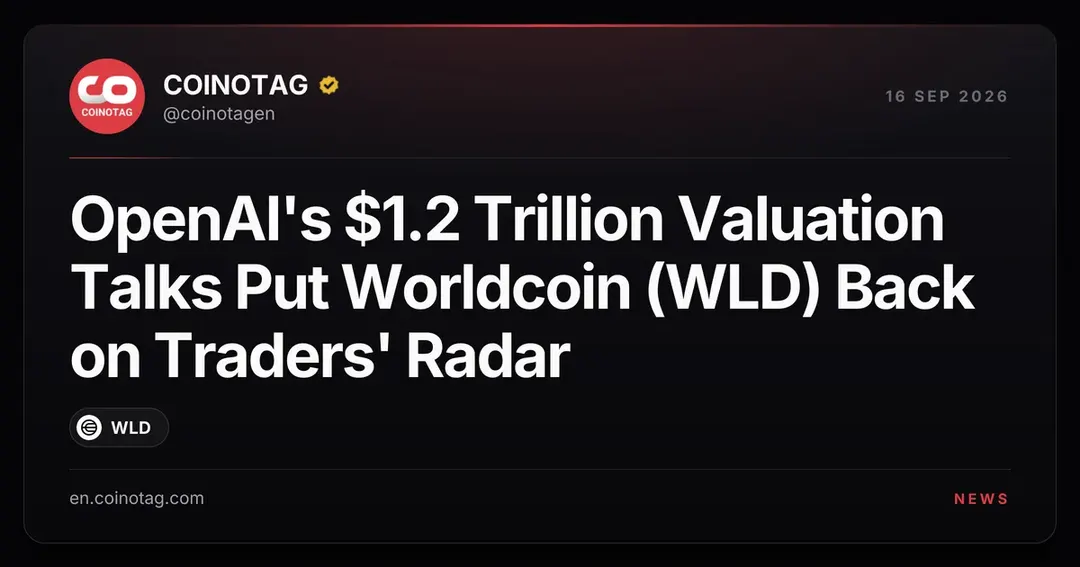
OpenAI discusses $1.2T valuation — WLD back in traders' focus
Why it matters: WLD's link to Altman makes the token sensitive to OpenAI news, which could boost speculative demand.
Circle shares fall to $83 despite Arc blockchain launch with BlackRock and Visa
Why it matters: The Arc launch failed to offset regulatory uncertainty: CRCL's performance will show whether investors are ready to value Circle's infrastructure separately from CLARITY Act risks.

Robinhood to support USDC transactions on Circle's Arc network
Why it matters: A growing number of platforms with direct USDC support on Arc intensifies competition among networks for stablecoin turnover.

Binance adds CEA Industries' bStocks token as margin collateral for VIP clients
Why it matters: It expands the use of tokenized equities in Binance's margin infrastructure, but restricted access limits the market impact.

SparkLend TVL jumps 55% to $7.4B as protocol shuts Gnosis Chain deployment
Why it matters: SparkLend is cementing its place among the three largest DeFi lending protocols, concentrating liquidity on Ethereum and within the Sky ecosystem.
$600M in liquidations and Fed meeting weigh on crypto market
Why it matters: If the Fed hikes rates and signals a second increase, pressure on risk assets will intensify, though moderate leverage may let the market absorb the blow.

Theo launches tokenized silver thSLVR backed by $40M in leases
Why it matters: It expands the tokenized commodities segment by adding a yield model to metal ownership.

HYPE falls 7.5% to $78.70 as Supertrend flips bearish
Why it matters: Holding $75.83 would preserve the uptrend, while a break above $82.30 would open the way to $84.30 and $88.53.

Bolivian operator VIVA moves part of its finances onto Avalanche
Why it matters: The case shows stablecoins and the Avalanche blockchain moving into the real corporate sector in Latin America.