Crypto news today
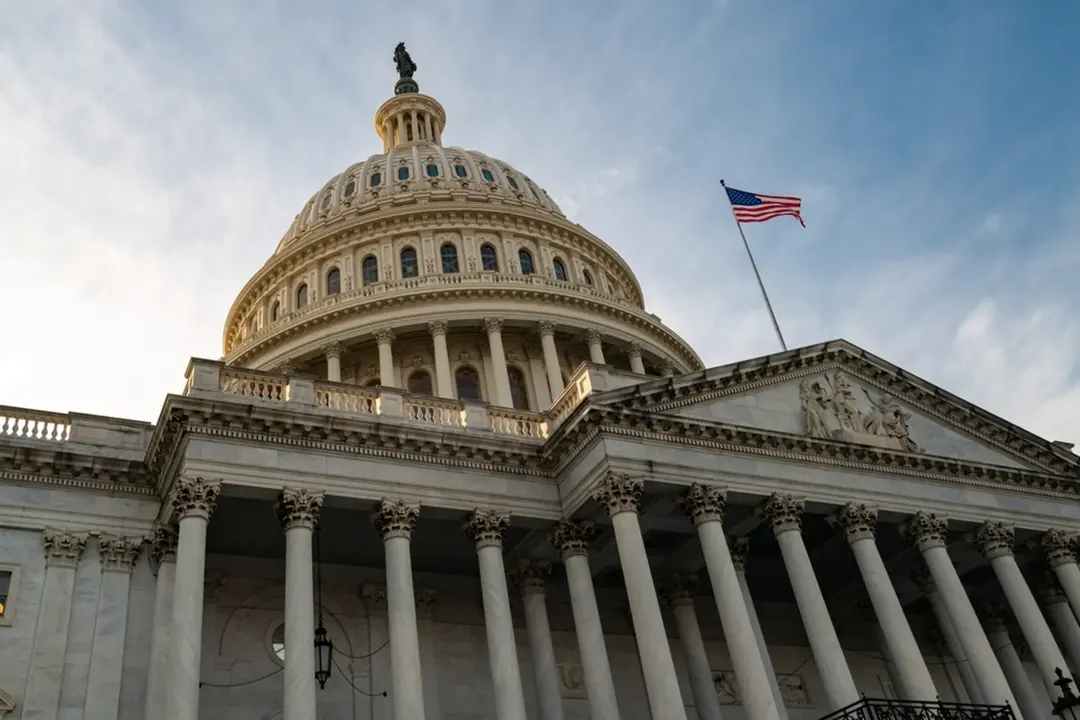
US House begins review of crypto tax and strategic Bitcoin reserve bills
Why it matters: Passing the bills would determine crypto taxation in the US and create a state Bitcoin reserve, affecting institutional demand.

Trezor data leak: 67,000 clients, $320M losses tracked on-chain
Why it matters: KYC data leaks create a long-term risk for holders: an address and passport cannot be changed like a key, raising the threat of physical attacks.

OpenAI discusses $1.2T valuation — WLD back in traders' focus
Why it matters: WLD's link to Altman makes the token sensitive to OpenAI news, which could boost speculative demand.

Circle shares fall to $83 despite Arc blockchain launch with BlackRock and Visa
Why it matters: The Arc launch failed to offset regulatory uncertainty: CRCL's performance will show whether investors are ready to value Circle's infrastructure separately from CLARITY Act risks.

Robinhood to support USDC transactions on Circle's Arc network
Why it matters: A growing number of platforms with direct USDC support on Arc intensifies competition among networks for stablecoin turnover.

Binance adds CEA Industries' bStocks token as margin collateral for VIP clients
Why it matters: It expands the use of tokenized equities in Binance's margin infrastructure, but restricted access limits the market impact.

SparkLend TVL jumps 55% to $7.4B as protocol shuts Gnosis Chain deployment
Why it matters: SparkLend is cementing its place among the three largest DeFi lending protocols, concentrating liquidity on Ethereum and within the Sky ecosystem.

$600M in liquidations and Fed meeting weigh on crypto market
Why it matters: If the Fed hikes rates and signals a second increase, pressure on risk assets will intensify, though moderate leverage may let the market absorb the blow.

Theo launches tokenized silver thSLVR backed by $40M in leases
Why it matters: It expands the tokenized commodities segment by adding a yield model to metal ownership.

HYPE falls 7.5% to $78.70 as Supertrend flips bearish
Why it matters: Holding $75.83 would preserve the uptrend, while a break above $82.30 would open the way to $84.30 and $88.53.

Bolivian operator VIVA moves part of its finances onto Avalanche
Why it matters: The case shows stablecoins and the Avalanche blockchain moving into the real corporate sector in Latin America.

Saylor: Bitcoin doesn't need the CLARITY Act, banks are the next phase
Why it matters: It signals that institutional demand for Bitcoin can grow through banks and regulators even without comprehensive legislation.

ECB seeks online and mobile merchants for 12-month digital euro pilot
Why it matters: The pilot brings the launch of a euro-area CBDC closer, which could reshape retail payments and strengthen transaction oversight.

OpenAssets brings tokenization infrastructure to AWS Marketplace
Why it matters: It lowers the barrier to institutional tokenization by letting banks deploy it within their own cloud infrastructure.

Uniswap tops 50% of spot tokenized asset trading volume
Why it matters: Growing RWA volumes strengthen Uniswap and UNI, but concentration among 1,400 wallets creates a risk of seller pressure.

260 crypto projects shut down in 2026 versus 1,000 in 2025
Why it matters: Fewer closures may point to stabilization in the crypto industry, but the sample is limited to bitcoin-related projects.

Pendle to resume sNET redemptions on Robinhood Chain from October 1, 2026
Why it matters: The return of redemptions could draw liquidity and new users into the Pendle and Robinhood Chain ecosystems.

GMX proposes $10 million market-making fund and GT buyback launch
Why it matters: Buybacks and liquidity support could ease selling pressure on GMX, but the decision rests with the DAO vote.

Market prices in 87% odds of a Fed rate hike: what it means for bitcoin and gold
Why it matters: The Fed decision and rate forecasts will set the direction for bitcoin and the broader crypto market in the coming weeks.
Breaking down why the CLARITY Act failed in the US Senate
Why it matters: The failure of the CLARITY Act delays clear rules for the US crypto market and hands regulation to the SEC and CFTC.