Crypto news today
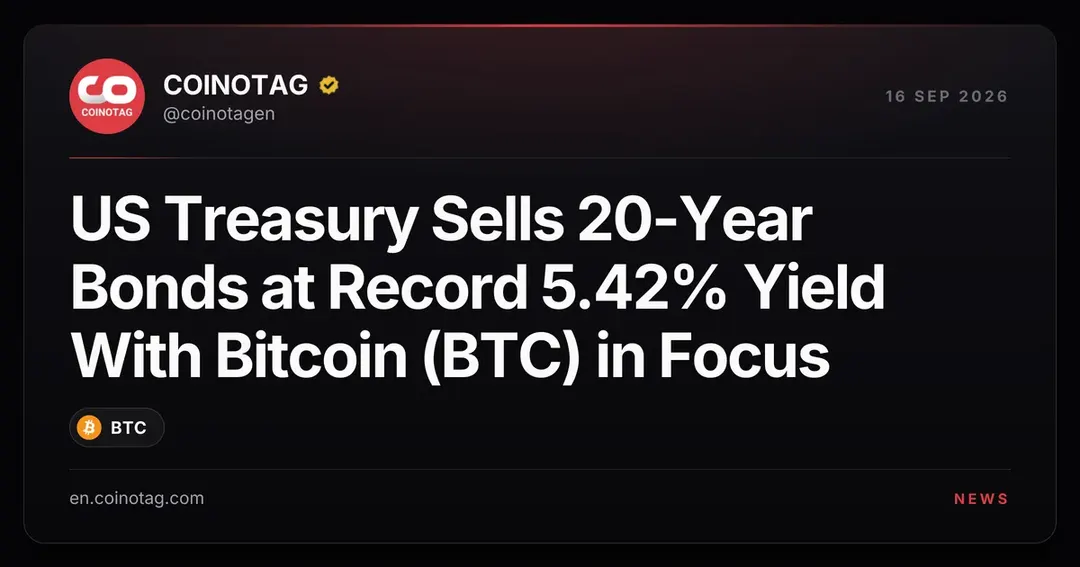
US Treasury sells 20-year bonds at record 5.42% yield
Why it matters: High long-term US bond yields pull capital away from risk assets and limit bitcoin's upside.

100 million USDT transferred to Bybit from unknown wallet
Why it matters: An inflow of stablecoins to an exchange may signal a large player's readiness to buy assets.
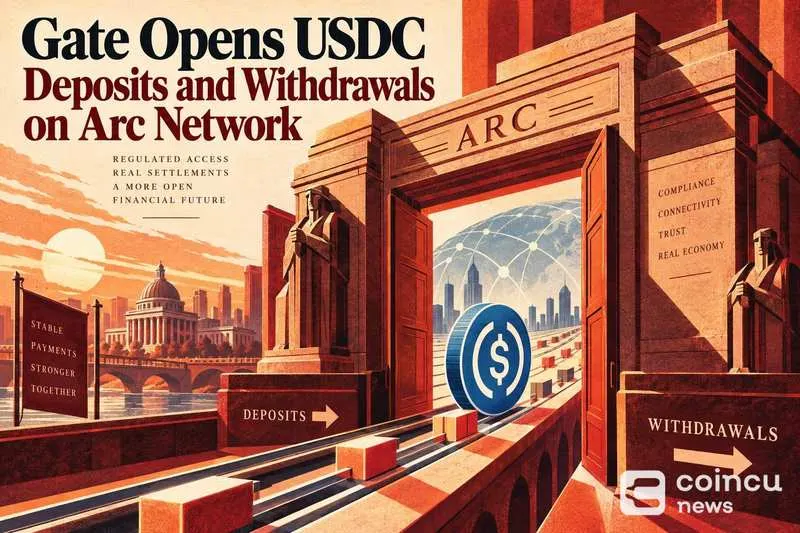
Gate enables USDC deposits and withdrawals on Arc network
Why it matters: It expands USDC liquidity routes between the exchange and Arc wallets, reducing the risk of transfer errors.

Brazilian congressional candidate accused of taking crypto as 2026 election donations
Why it matters: This is the first case in Brazil where electoral justice is examining crypto schemes as an election violation.

Bitcoin under pressure ahead of first Fed rate hike in three years
Why it matters: The Fed decision will determine bitcoin's short-term trajectory: holding support opens the way to gains, while a breakdown would intensify selling.
Solana to activate 250 ms slots on mainnet on September 18
Why it matters: Shorter slots speed up transaction confirmation and reduce spreads, boosting Solana's competitiveness.
Solana tests $95 support after CLARITY Act failure
Why it matters: Holding $95 keeps the chance of a rebound alive, but a hawkish Fed signal would increase pressure on SOL and altcoins.
Multi-builder Ethereum block construction goes live on mainnet
Why it matters: MPBC reduces the risk of block-building centralization and transaction censorship without requiring a hard fork, changing the economics of MEV and transaction inclusion order.

ProCap sells 50 BTC to buy back 12.2% of its shares
Why it matters: The company is the first among bitcoin treasuries to buy back shares at a discount to NAV by selling BTC, changing the reserve accumulation model.

Interactive Brokers enables trading via X Cashtags for US investors
Why it matters: A major broker linking a social network to trading accelerates the flow of retail investors into crypto and stocks.

Bank of Thailand unveils five principles to combat illegal transactions
Why it matters: Tighter regulation in Thailand could affect crypto and payment services working with local financial institutions.
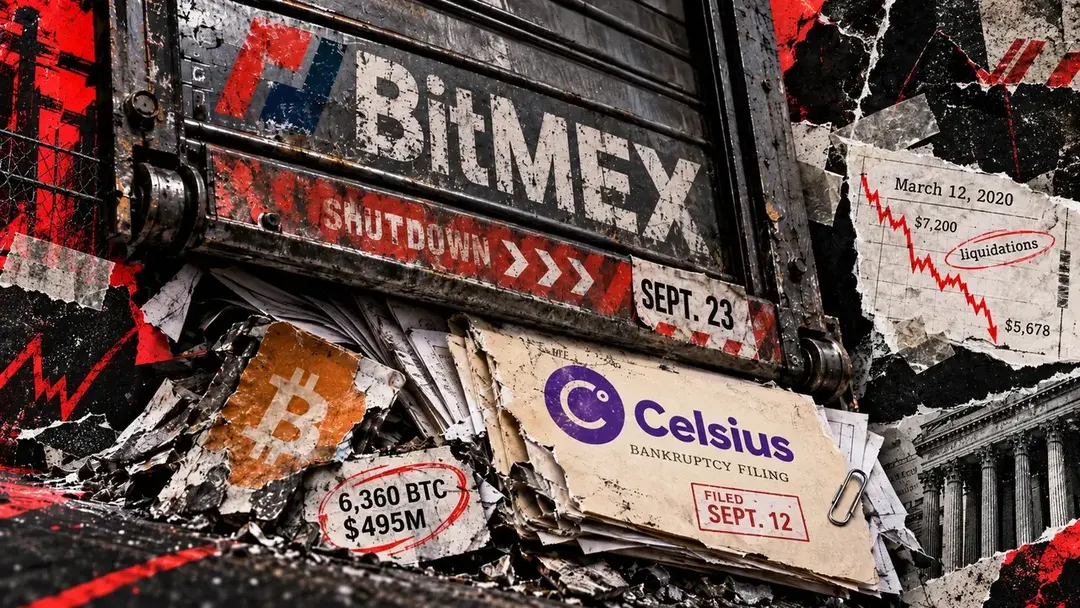
Celsius sues BitMEX for $495 million over 2020 liquidations
Why it matters: The lawsuit creates a risk to BitMEX's assets as the exchange winds down and could lead to a request for interim measures.

Saylor: CLARITY Act failure will accelerate institutional inflows into bitcoin
Why it matters: A signal from the largest institutional BTC holder: the absence of a law does not block capital inflows, which reduces market pressure after the failed vote.

UK Treasury introduces crypto regulation amendments with exemptions for stablecoins and DeFi
Why it matters: The UK is easing the regime for stablecoins and DeFi, which could accelerate legalization of the sector and set a benchmark for other jurisdictions.
Batch amendment in XRP Ledger enters activation period
Why it matters: Batch simplifies complex operations and settlements for banks, and the next major step for XRPL will be on-chain lending with yield in XRP.
CryptoQuant and Willy Woo see bitcoin bottom forming after CLARITY Act drop
Why it matters: If long-term holders are indeed accumulating, selling pressure may ease, but without clarity on US regulation, growth remains uncertain.

Glassnode: bitcoin ETF demand turns to net outflows
Why it matters: The lack of ETF demand deprives the market of institutional support and raises the risk of further price declines.
XRP falls below weekly low ahead of Fed decision
Why it matters: The Fed decision will determine whether XRP breaks below the $1.19-1.22 zone or bounces; long leverage has already been largely flushed out.

Solana's Alpenglow upgrade nears mainnet launch
Why it matters: The upgrade's success would strengthen Solana's position in L1 competition, while delays or a stake shortfall could trigger SOL volatility.
Circle launches Arc mainnet and issues 10 billion ARC tokens
Why it matters: Arc could become key infrastructure for stablecoin payments with backing from major banks, but uncertainty over the ARC token limits its value to the market.