Crypto news today

Arthur Hayes: Bitcoin will hit a new all-time high before year-end
Why it matters: The forecast sets a bullish narrative ahead of the Fed's rate decision, but Hayes's forecasts have historically had low accuracy.

BoE FPC member: mass stablecoin redemptions could hit the US Treasury market
Why it matters: Stablecoins have become a major holder of US government debt, and a wave of redemptions could amplify volatility in the Treasuries market.

Coinbase cuts trading fees for active Advanced users
Why it matters: The fee cut intensifies exchange competition for active traders and could boost trading volumes on Coinbase.
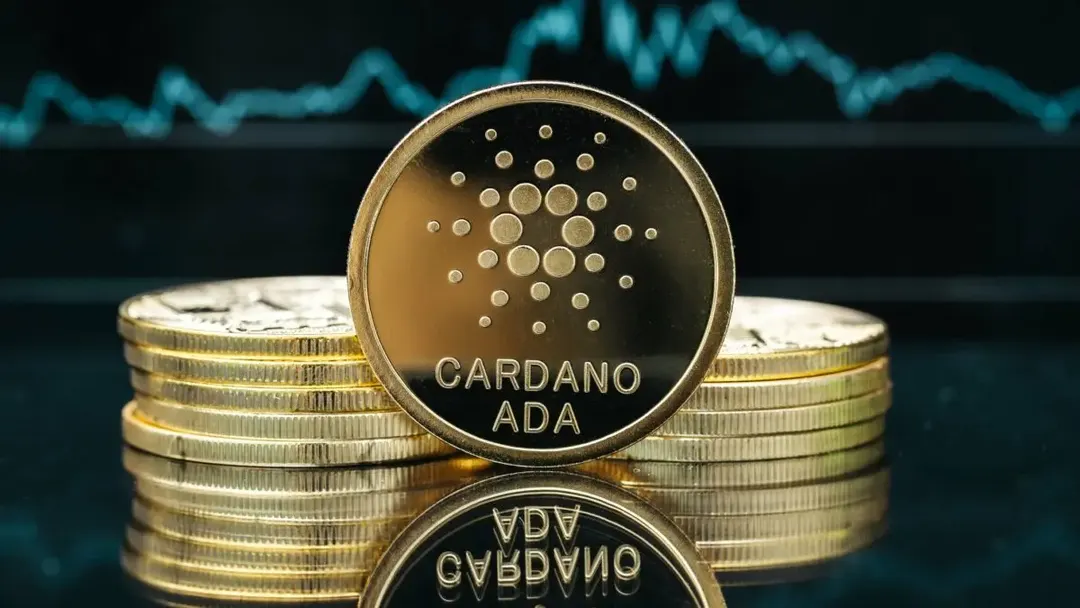
Cardano joins x402 codebase: native AI-agent payments on the network
Why it matters: The native integration lowers tooling support costs and opens the AI-agent payments market to Cardano.
Whale Alert: 32,190 ETH worth $77 million moved to Coinbase Institutional
Why it matters: Large ETH transfers to institutional platforms may signal preparations for deals or capital inflows into ETH products.

Tare raises $13.25 million for lending software on Avalanche
Why it matters: The large venture round supports the tokenization of lending processes on Avalanche, which could accelerate institutional capital inflows into DeFi lending.

Ethereum trapped in liquidity snare after CLARITY Act fails
Why it matters: A return above $2,600 would revive the bullish scenario, while losing $2,350 would open the path to $2,000.
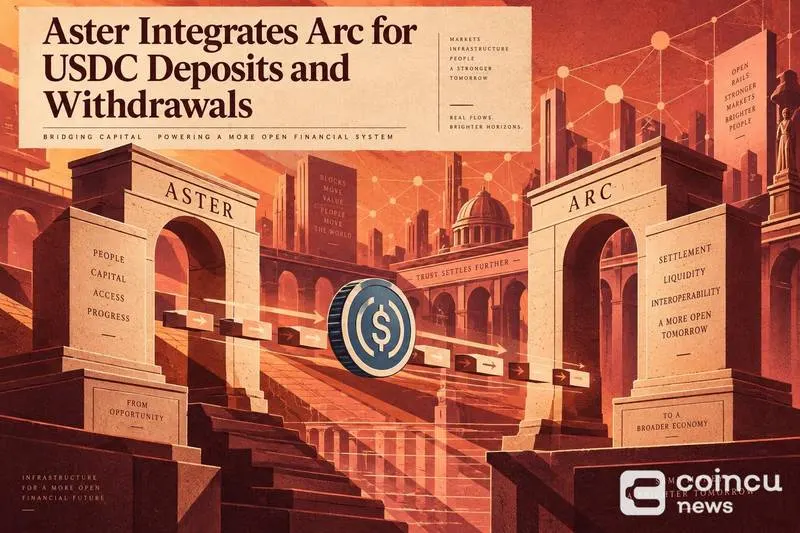
Aster integrates Arc for USDC deposits and withdrawals
Why it matters: Arc is strengthening as a settlement layer for exchanges, and USDC margin is becoming a competitive advantage for perpetual DEXs.

Etherscan launches ArcScan, a block explorer for Circle's Arc network
Why it matters: Etherscan API compatibility will ease developer migration into the Arc ecosystem, strengthening Circle's position in stablecoin payments.
2,269 BTC worth $171 million transferred to Coinbase Institutional
Why it matters: Large deposits to an institutional venue may indicate preparation for trading or a custodian change, affecting BTC supply on the market.

CFTC chair: commission ready to issue rules for new financial areas
Why it matters: The signal of imminent CFTC rulemaking could set the rules of the game for the U.S. crypto market amid the stalling of the CLARITY Act.

"Insider whale 1011" boosts ZEC short: loss exceeds $22 million
Why it matters: A large ZEC short amid the coin's rally shows that some whales are betting against the privacy-coin surge but are suffering serious losses.
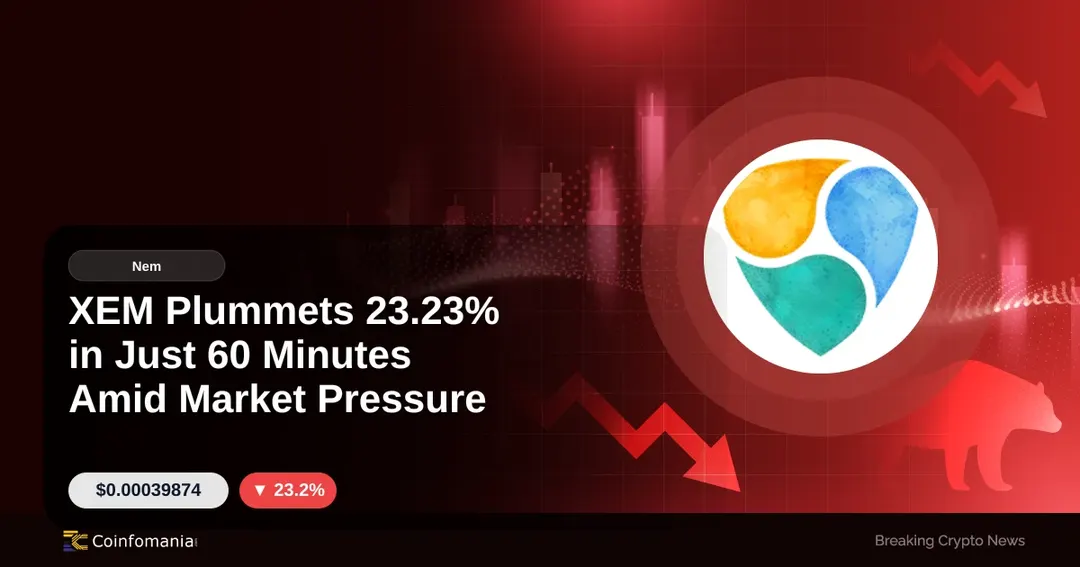
XEM plunges 23.23% in an hour to $0.000399
Why it matters: XEM's low liquidity amplifies volatility: a break below support at $0.000398 could accelerate the decline.

Iris raises $43 million for blockchain infrastructure for telecom operators on Avalanche
Why it matters: The case shows dedicated L1s and stablecoins moving beyond crypto into telecom settlements, but it all rests on a single investor.

Whale buys 197.35 BTC for $15M via Hyperliquid
Why it matters: Large purchases with withdrawal to cold storage reduce BTC supply on exchanges and signal accumulation.

JPMorgan: CLARITY Act not dead, but chances of passage this year minimal
Why it matters: The absence of market structure legislation leaves crypto regulation to agency discretion, increasing uncertainty for institutions.

Coin Center: US tax bill mischaracterizes block reward income
Why it matters: If the provision becomes law, it could cement the IRS's flawed position and undermine the legal dispute over block reward taxation.
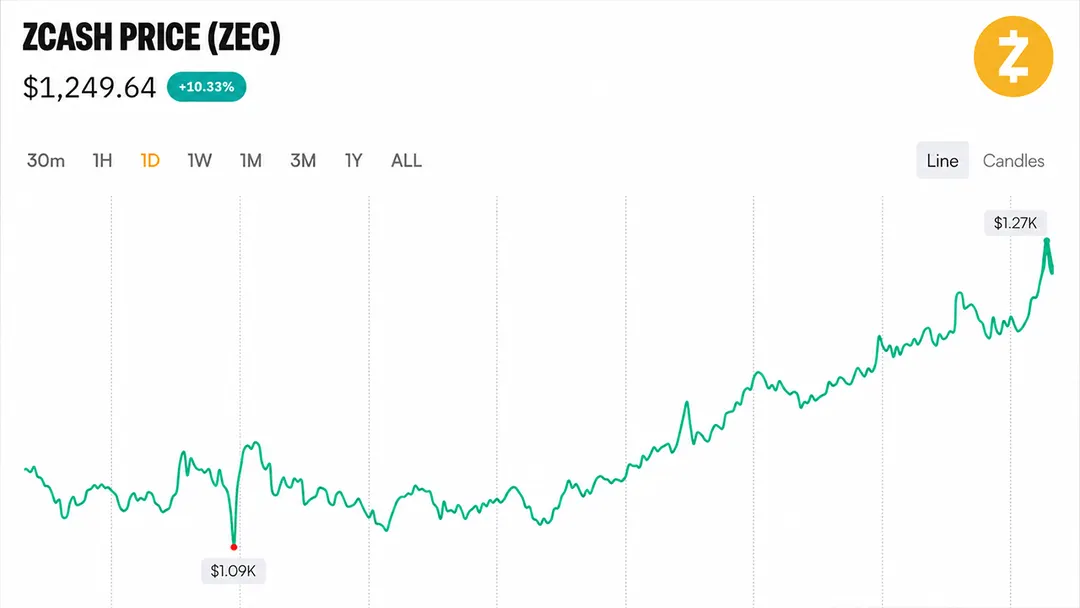
Zcash rises to $1,270 after vote: 99.9% back 25-second blocks
Why it matters: The vote does not change the code: developers must still implement and test NU7, and ZEC's rally runs against a falling market.

Jack Mallers explains exit from Twenty One Capital over financial engineering disagreement
Why it matters: The case highlights the risks of Bitcoin treasury companies: without operating cash flow, BTC revaluation losses hit financial statements.

Market sees 90% chance of 25 bps Fed rate hike
Why it matters: The FOMC decision will set the direction for Bitcoin and risk assets; a pause instead of a hike could trigger a rebound.