Crypto news today

Vitalik Buterin: cybersecurity favors defense, and crypto holders are betting on it
Why it matters: The thesis affects how blockchain security risks are assessed and the case for long-term crypto holding.

Wintermute transfers 2,550 BTC worth $193 million to Binance
Why it matters: A large inbound BTC flow to an exchange from a market maker may signal preparations for selling and weighs on the price.

BTC long account share in dollar margin falls 5.06 pp, Solana 3.95 pp
Why it matters: The sharp drop in the long account share in dollar margin indicates institutional traders are moving out of risk ahead of the Fed decision.
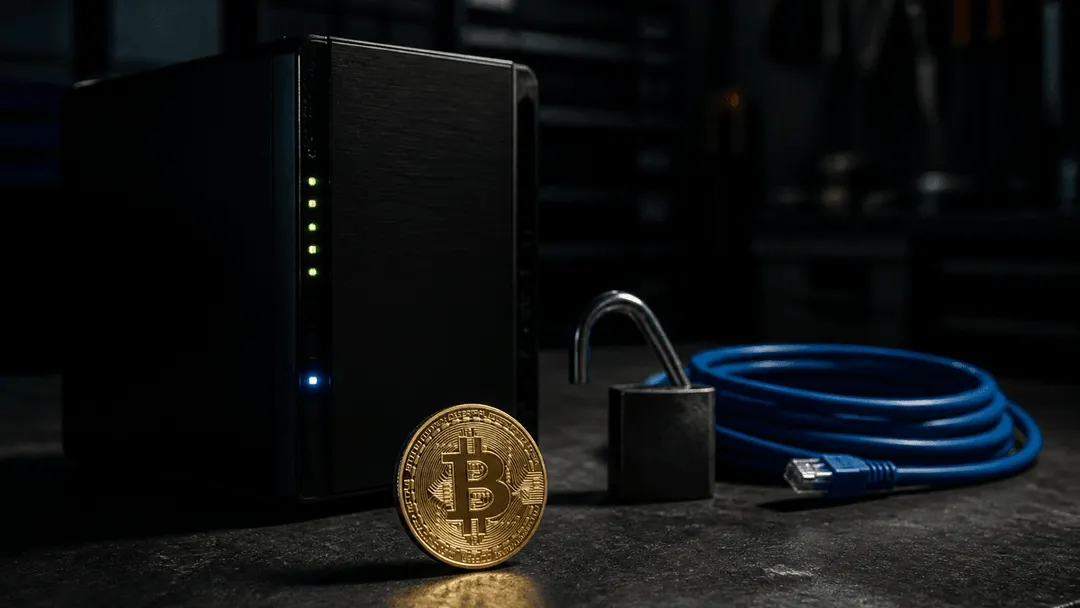
BTCPay Server 2.4.4 closes LND vulnerability, but custom proxies remain a risk
Why it matters: Owners of BTCPay Server with a custom proxy need not only to update but also to close external access to LND, otherwise the node's funds are at risk.
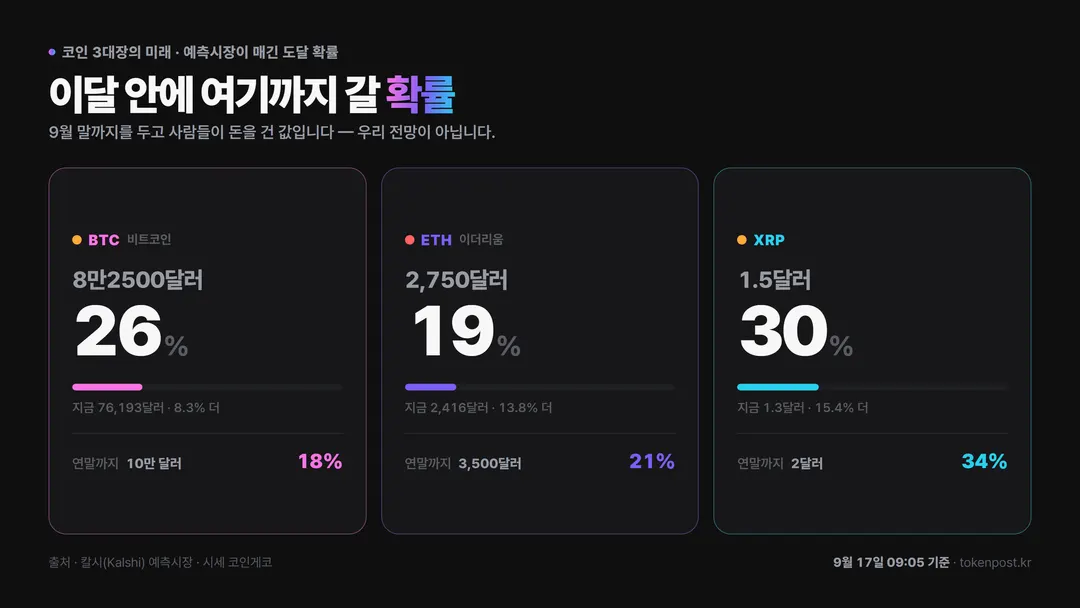
Kalshi: Bitcoin $100K year-end odds fall to 18%
Why it matters: The sharp drop in Bitcoin expectations reflects weakening bullish sentiment amid expectations of a Fed rate hike.

88.5% of Zcash funds moved to Ironwood pool, Ledger support unclear
Why it matters: Whether holders can safely move and use their ZEC depends on wallets and exchanges adding Ironwood support.

Analysts: CLARITY Act failure weighs on ETH, but supply stays scarce
Why it matters: The bill's failure removed a short-term catalyst for ETH, but supply scarcity and record staking support the medium-term scenario.

Ethereum after CLARITY Act failure: ETF outflows and record staking
Why it matters: The bill's failure removed a short-term catalyst for ETH, but supply scarcity and record staking support the long-term picture.

KRW1 supply data diverges: 100 million vs 142 million tokens
Why it matters: The discrepancy in supply data complicates assessing the real issuance volume of the won stablecoin, while the Visa integration boosts its payment potential.
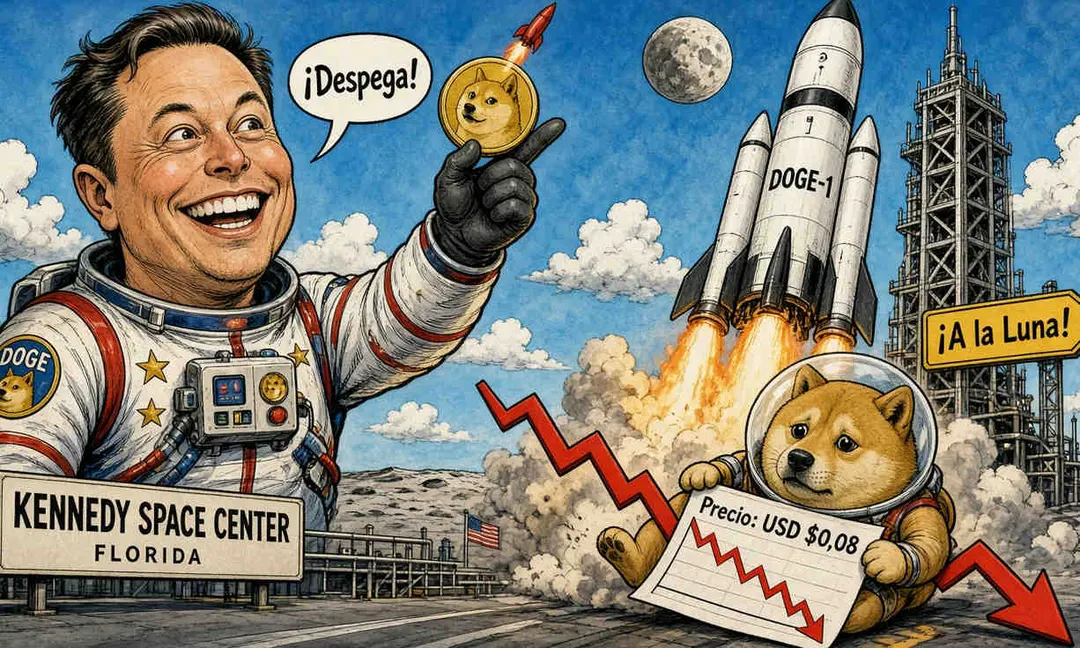
DOGE at $0.08: DOGE-1 moon mission fails to lift Dogecoin
Why it matters: It shows that Musk-linked catalysts no longer guarantee DOGE gains, as the market prices in expectations ahead of time.

Tokenized stocks TVL on Solana rises to $87.4 million
Why it matters: The growth of tokenized stocks intensifies competition among networks for institutional capital and expands Solana's DeFi ecosystem.

NYDFS chief discusses stablecoin regulation at Stablecon
Why it matters: The NYDFS stablecoin framework is seen as a model for other jurisdictions and could shape their approach to regulation.
Bitwise CIO: CLARITY Act failure won't break the bull market
Why it matters: The stance of a major asset manager shows the market can grow without a new law — driven by regulators and institutional inflows.

Column integrates USDC and USDT into core banking platform
Why it matters: Growing banking infrastructure for stablecoins increases real payment demand for USDC and USDT and intensifies competition in the card issuance segment.
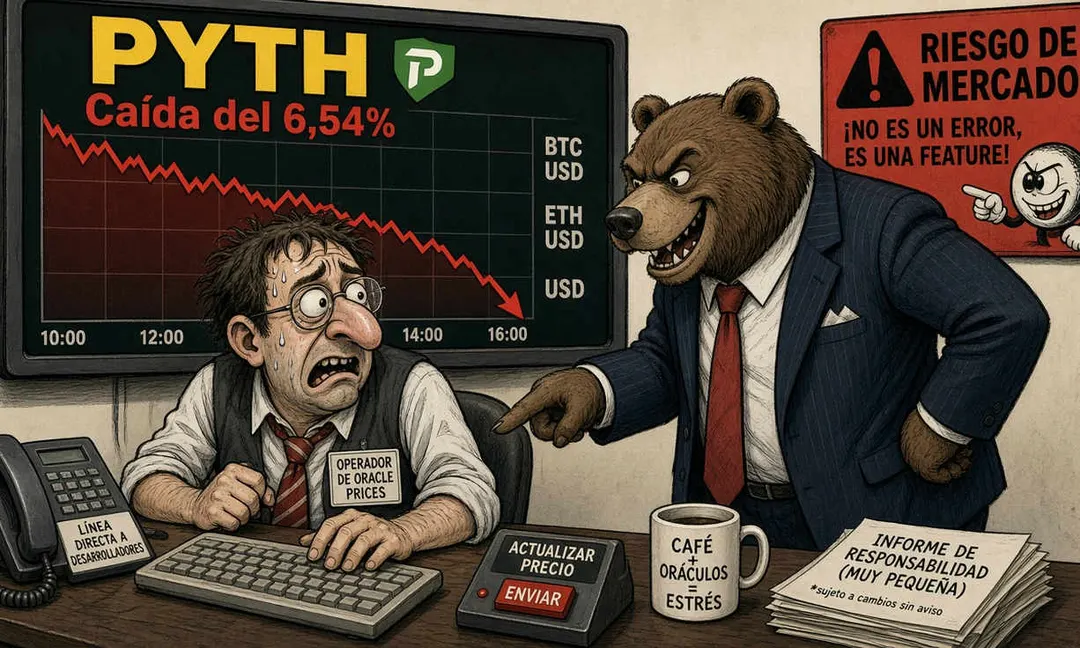
PYTH falls 6.54% to $0.0518 amid liquidations and CLARITY Act failure
Why it matters: The drop is systemic rather than due to the project's own problems, so PYTH could rebound faster than regulatory-sensitive altcoins once the market stabilizes.

ADA tests $0.19 support: whales active, futures in the red
Why it matters: Holding $0.19 will determine ADA's short-term trend: the divergence between whale activity and futures shorts gives no clear signal.
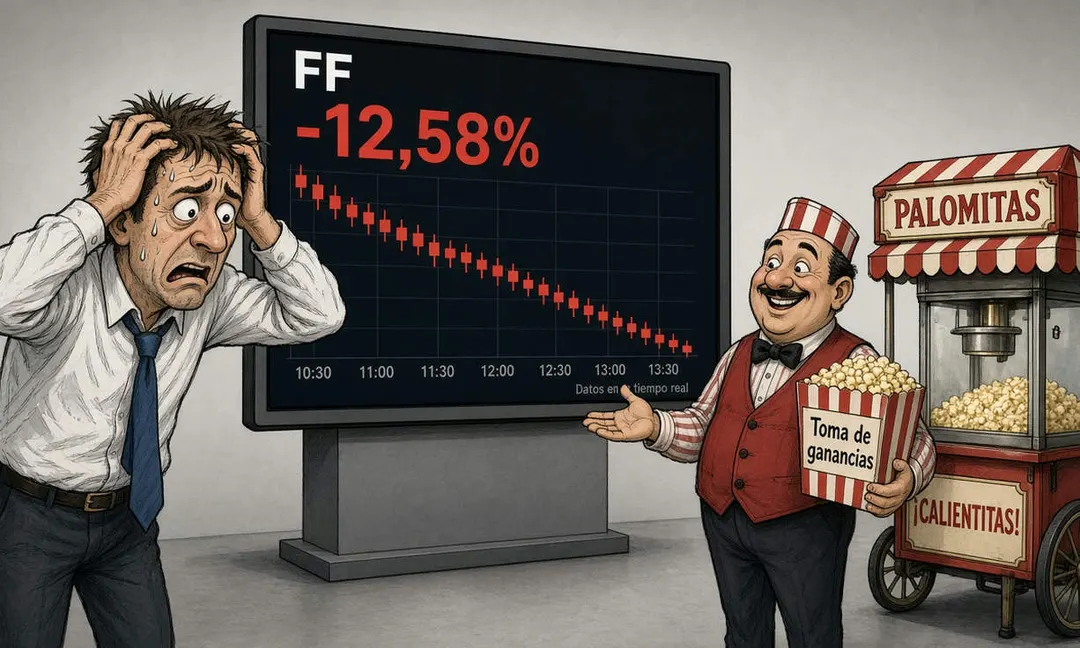
Falcon Finance (FF) falls 12.58% to $0.135 after CLARITY Act failure
Why it matters: High-beta tokens like FF are the first to suffer from regulatory uncertainty and cascading liquidations after the CLARITY Act failure.
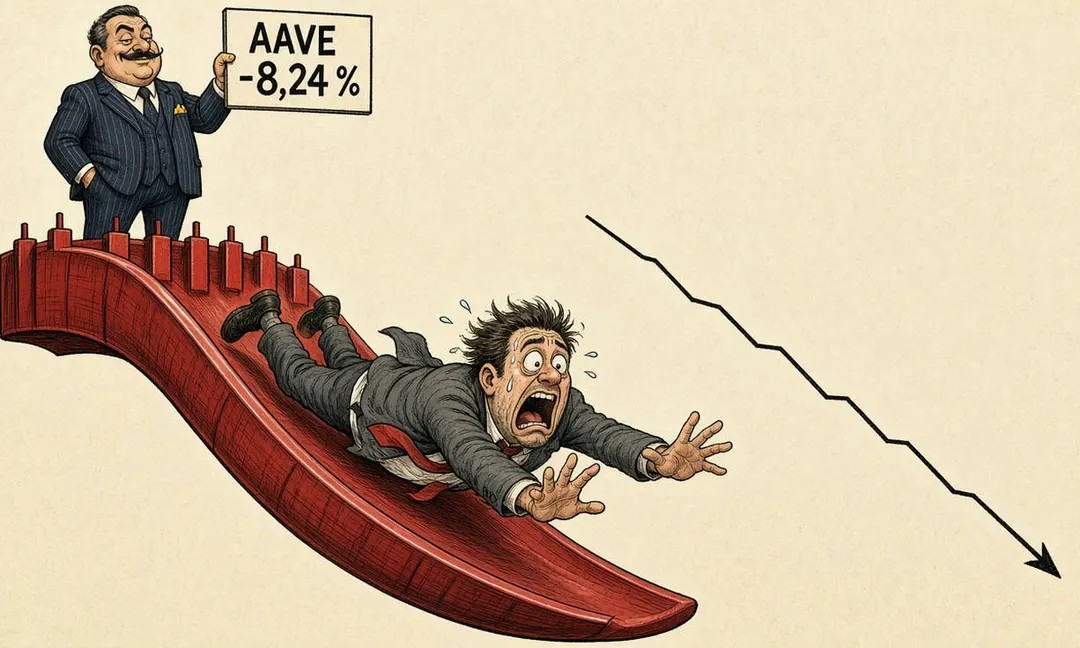
AAVE falls 8.24% to $117 amid $143 million in liquidations
Why it matters: The correction looks like profit-taking within an uptrend, but a break below $116.54 support could increase selling pressure.
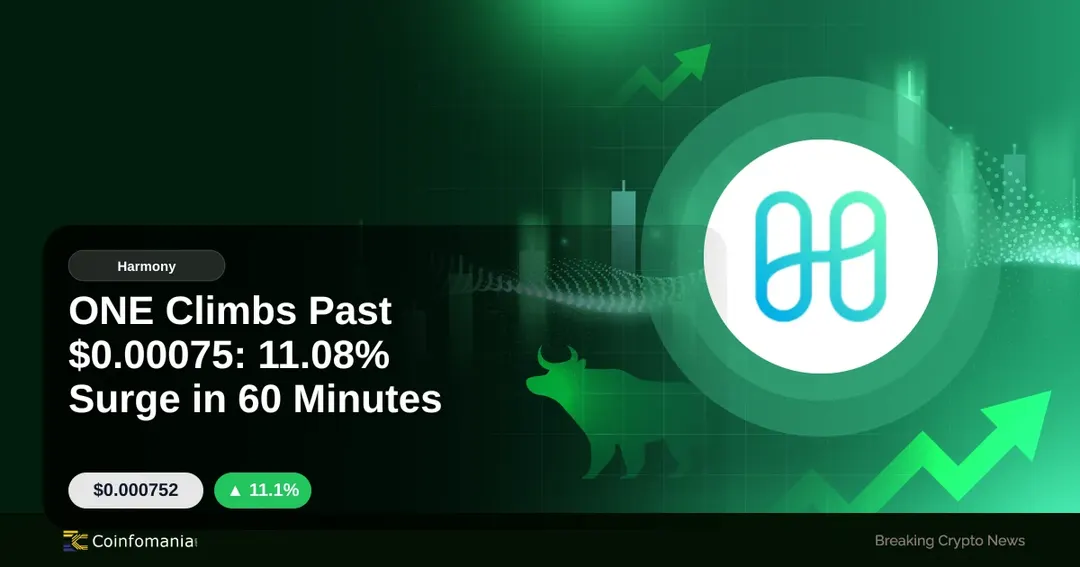
ONE rises 11.08% to $0.000752 in an hour
Why it matters: The rise may indicate traders rotating interest into lesser-known altcoins, but trading volumes remain low.
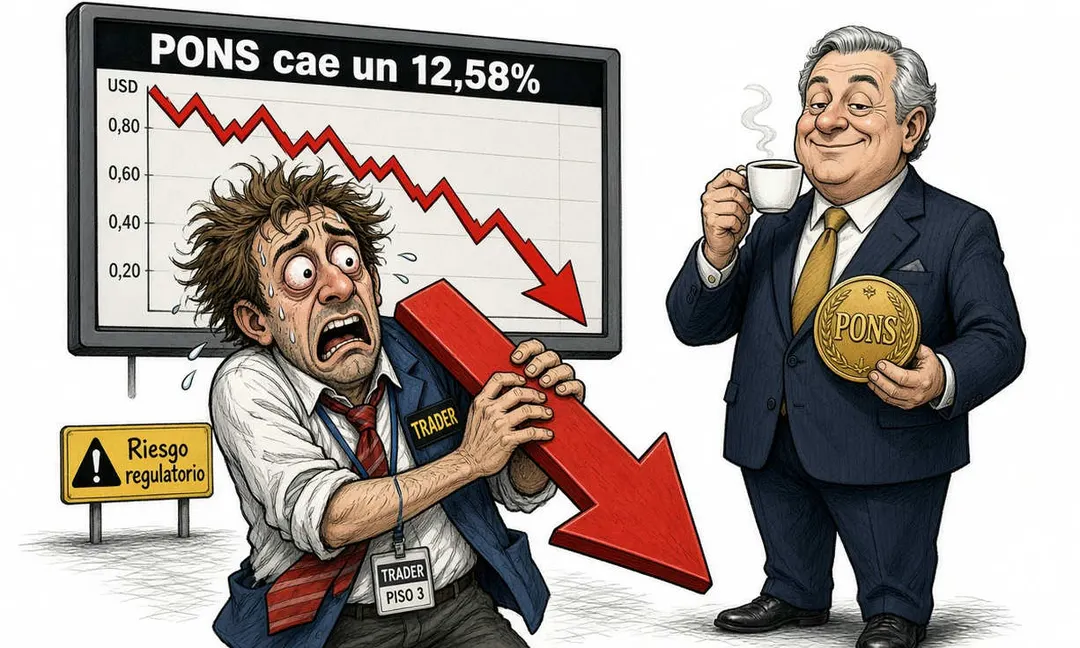
PONS falls 12.58% to $0.55 amid regulatory risk and profit-taking
Why it matters: The high-beta token amplified the market-wide selloff after the CLARITY Act failure; holding $0.51 support will determine its next move.