Crypto news today

Bithumb employee receives police commendation for blocking $2.7M fraud
Why it matters: The case shows exchanges are playing a more active role in recovering stolen funds, reducing reputational and regulatory risks in South Korea.

$746.3M withdrawn from bitcoin ETFs over two days
Why it matters: The shift from inflows to outflows signals weak institutional demand after the CLARITY Act failed and the Fed raised rates.
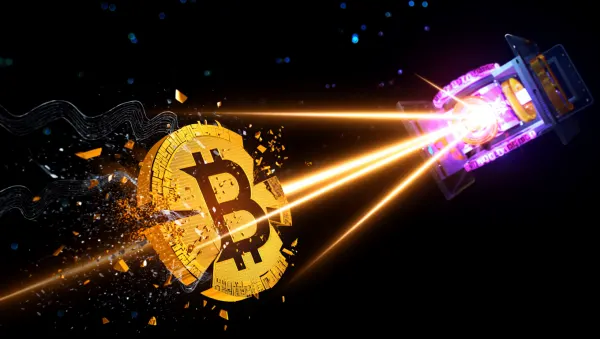
Bitcoin community debates freezing coins vulnerable to quantum attacks
Why it matters: The decision will determine how bitcoin protects millions of coins and owners' rights when a quantum threat emerges.

Ethereum back above $2,431 after Fed rate hike and CLARITY Act failure
Why it matters: Crypto traders are buying the dip, but weak institutional demand through ETFs is capping ETH's upside.
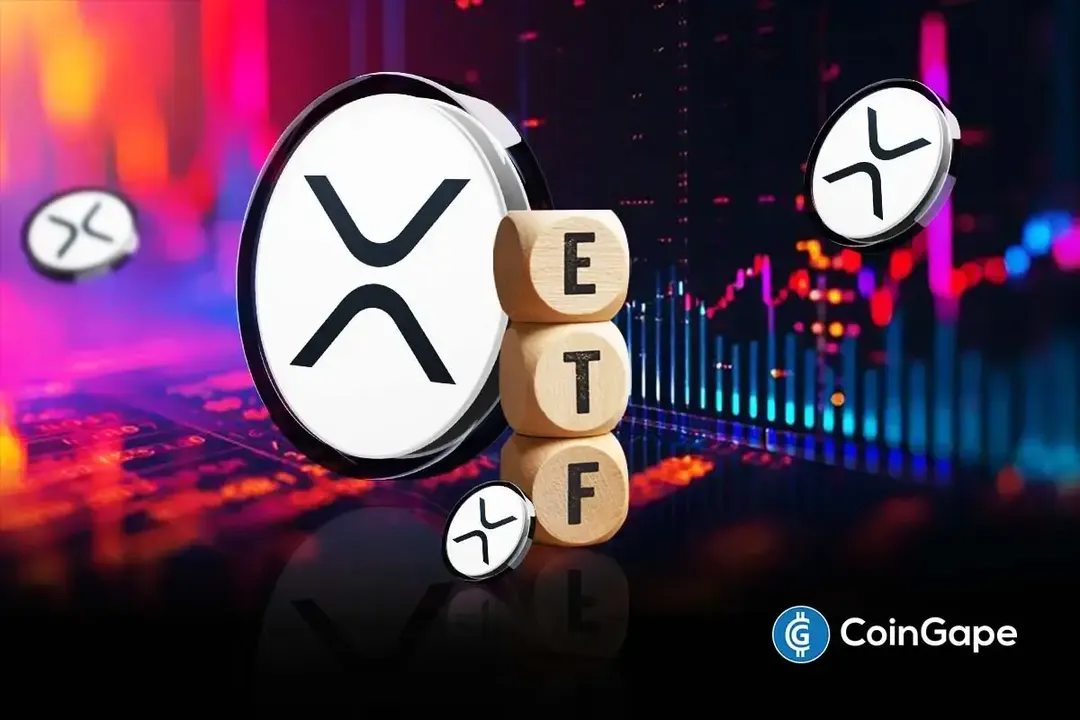
XRP ETFs lead inflows after SEC chair vows to act without CLARITY Act
Why it matters: Inflows into XRP ETFs amid outflows from BTC and ETH show demand for XRP, but weak OI and a price below the 200W EMA point to a fragile trend.
Whale deposits 475K LIT to Lighter exchange, potential $1.51M profit
Why it matters: A large transfer to an exchange often precedes a sale and could add pressure on the LIT price.

Avalanche activates Helicon on September 22: staking lock-up cut to 48 hours
Why it matters: Delegators risk losing rewards if their validator fails to maintain 90% uptime, making operator choice more critical.

Japan's FSA concerned about clients being steered to 'sales' venues
Why it matters: Tighter requirements for fee disclosure and KYC in Japan could change the revenue model of local exchanges and set a standard for other jurisdictions.

Bitcoin short-term holder profit buffer shrinks from 10% to 7%
Why it matters: The shrinking profit buffer makes short-term holders vulnerable: a drop below $71,300 could turn profit-taking into loss-selling.

Bitcoin tests $76,000 support: September ETF flow stays positive
Why it matters: Mixed signals: weakening sentiment and Fed tightening versus continued ETF inflows — the market awaits confirmation from price and flows.

BBB Mid-South: crypto ATMs facilitate fraud
Why it matters: Growing fraud through crypto ATMs increases pressure on regulators and could lead to new restrictions for kiosk operators.
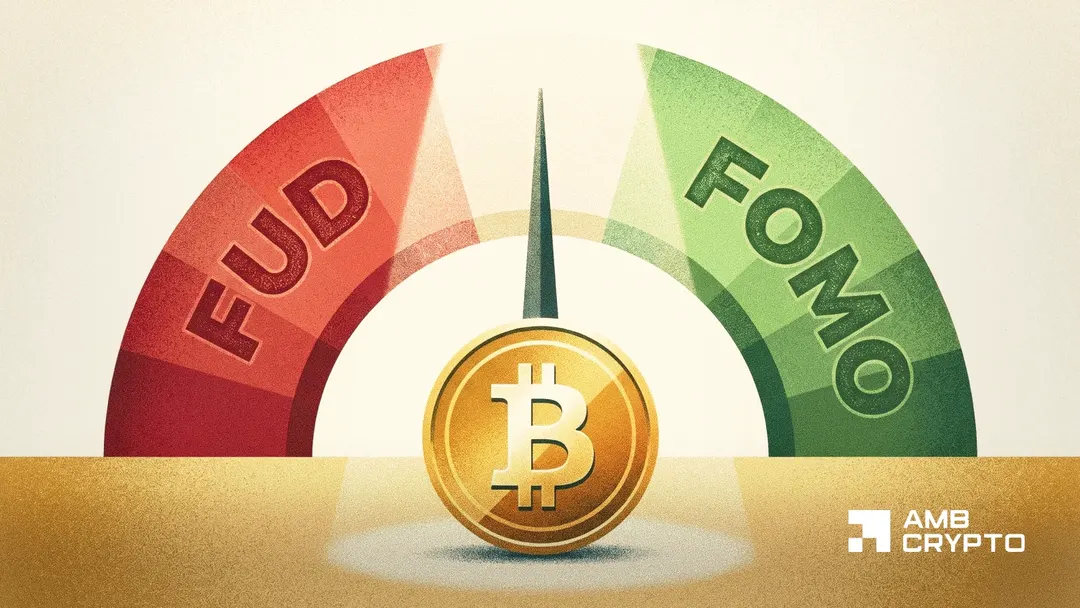
Santiment: Bitcoin sentiment shifts from FOMO to FUD, Bull Score falls to 60
Why it matters: If BTC holds $76K and shorts begin to liquidate, a return to greed is possible; a break below would intensify ETF outflows and pressure on altcoins.
Corporate treasuries bought only 5,900 BTC in three months
Why it matters: Slowing corporate purchases deprives the market of a key source of demand and signals weakening institutional interest.

Nakamoto: company with $343M in BTC trades at half price
Why it matters: The record discount to NAV shows that the market does not believe in the crypto treasury company model and values them below asset value.

Ex-CCB Asia Manager Pleads Guilty to $470K USDT Bribe Over $1.6B in Fake Documents
Why it matters: The case shows USDT being used in corruption schemes, increasing pressure on banks and regulators over AML.

Velocity Opens Source Code, Prepares Beta Focused on Perpetual Futures
Why it matters: The relaunch after a $295 million exploit will show whether trust returns to the protocol and its perpetual futures model on Solana.
Binance: Uzbekistan Needs Education and Simple Products to Grow Crypto Market
Why it matters: The study shows the growth potential of the crypto market in Central Asia through stablecoins and transfers rather than speculation.

Over $4.79B in Short Liquidations Stacked Above $75,982: Short Squeeze Risk
Why it matters: The liquidation asymmetry creates a risk of a sharp short squeeze if BTC returns to the $76,000–83,000 range.

HTX Research: Memecoins Tied to Stock Tokens Emerge on Robinhood Chain
Why it matters: The pairing of tokenized stocks and memecoins creates a new speculative DeFi segment, but the model's sustainability depends on organic volume after incentives wind down.

Rice Robotics and Pudgy Penguins to Launch Companion Robot Pengu Minibot
Why it matters: Expanding the Pudgy Penguins NFT brand into physical products strengthens the link between digital assets and the real consumer market.